





 Portuguese
  English
  Spanish
  3 min of reading
  0 comments


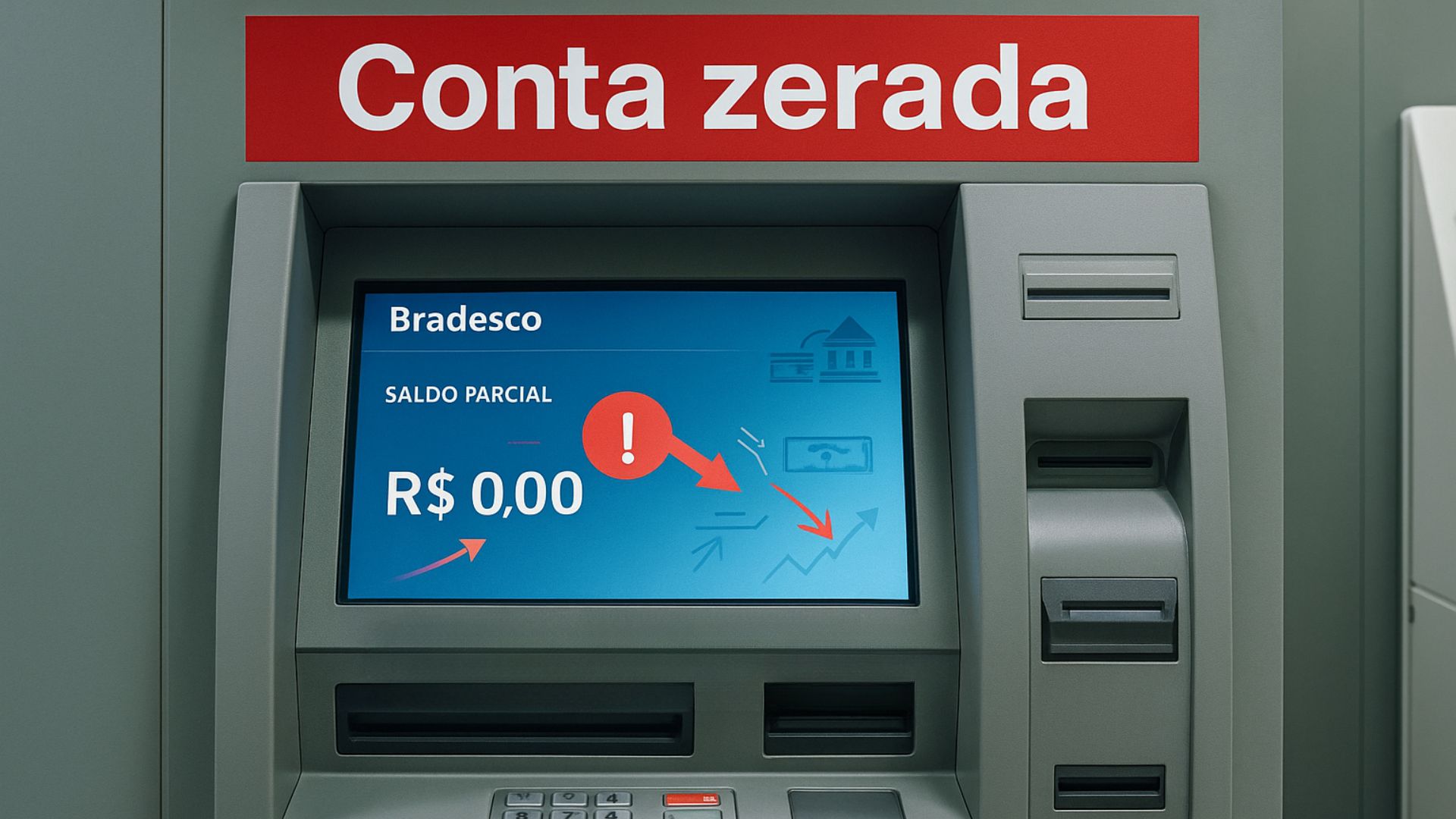
Elderly Woman Had Her Account Cleared After Loans She Claims She Did Not Contract, and the Justice System Determined Double Compensation and Damages After Identifying Failures in Bradesco’s Banking Security.
An elderly, illiterate pensioner from Carangola, in the Zona da Mata region of Minas Gerais, had her bank account cleared after loans were formalized that, according to her, were never contracted.
The amounts were credited in her name and transferred via Pix to third parties, prompting the filing of a lawsuit.
The 14th Civil Chamber of the Minas Gerais Court of Justice (TJMG) upheld the lower court’s decision that ordered Banco Bradesco to return the deducted amounts in double and to pay R$ 10 thousand for moral damages, in addition to R$ 4,920 for material damages.
-
Brazilian city bets on the business environment to generate jobs and attract investments in the energy sector — secretary reveals strategy at Macaé Energy 2026.

-
50 viaducts, 4 tunnels, 28 bridges, and 40 kilometers of bike paths: BR-262 in Espírito Santo will receive 8.6 billion reais for the largest engineering project in the state’s history, inspired by the Immigrant Highway in São Paulo.

-
Brazil produces too much clean energy and doesn’t know what to do with it: over 20% of solar and wind capacity was wasted in 2025 while investors flee and 509 renewable generation projects were abandoned in the last year.

-
Piauí will produce a new fuel that replaces diesel without needing to change anything in the truck’s engine and reduces pollutant gas emissions by half: truck drivers from all over the Northeast are already celebrating the news that will arrive later this decade.


The situation illustrates, according to consumer rights specialists, the importance of analyzing transaction patterns to identify potentially fraudulent operations, especially in the case of clients with a limited banking history.
Legal Action and Maintenance of the Sentence
According to the case, the account was used exclusively for receiving social security benefits.
Upon noticing the lack of balance, the account holder discovered that loans had been registered in her name and that the money had been sent via Pix to third parties.
In a ruling from the Carangola District Court, the Justice determined the annulment of the contracts, the cancellation of the charges, and the return of the debited amounts in double.
Bradesco appealed.
In the appeal, the bank claimed that there was no failure in service, attributed the responsibility to third parties, and argued that no material or moral damage was proven.
The 14th Civil Chamber, however, understood that the evidence in the case showed fraud and upheld the condemnation.
Victim’s Vulnerability and Court Foundations
In the judgment, the rapporteur, Judge Marco Aurelio Ferenzini, pointed out that the client is elderly, illiterate, and uses the account solely for receiving her pension.
For the judge, this set of factors indicated heightened vulnerability.
The rapporteur stated that the analyzed transactions were incompatible with the account holder’s transaction profile, indicating the occurrence of fraud.
The court also applied a consolidated understanding in similar cases, according to which financial institutions are objectively liable for losses arising from failures in the security system or fraudulent transactions conducted in their clients’ accounts.
This understanding, according to decisions already consolidated in higher courts, considers that technological risks are part of the banking activity itself.
Moral Damages and Risks to Food Benefits
When analyzing the moral damage, the Chamber considered that the social security benefit has a food nature and, therefore, undue deductions may compromise the basic needs of the consumer.
The practice, according to the court, exceeds mere inconvenience and justifies financial compensation.
The amount set at R$ 10 thousand was maintained as it met, in the judges’ assessment, the parameters used in similar cases.
For specialists consulted on similar situations, judicial understanding usually takes into account circumstances such as age, income, and degree of dependence on the benefit.
These elements, when combined, can aggravate the impact of a fraud and influence the quantification of the compensation.
Atypical Operations and Bradesco’s Control Mechanisms
The case shows that the loans were contracted in sequence and the amounts transferred quickly via Pix.
According to the ruling, the lack of a block or automatic alert from the banking system contributed to the loss.
Digital security experts state that transactions that deviate from the usage pattern usually trigger verification protocols in fraud prevention systems.
The maintenance of the sentence reinforces, according to financial sector analysts, the trend of decisions that hold banks accountable for the lack of effective mechanisms to detect suspicious transactions, especially in cases involving clients with simple transaction histories.









-

Uma pessoa reagiu a isso.