





 Portuguese
  English
  Spanish
 5 min of reading
  0 comments


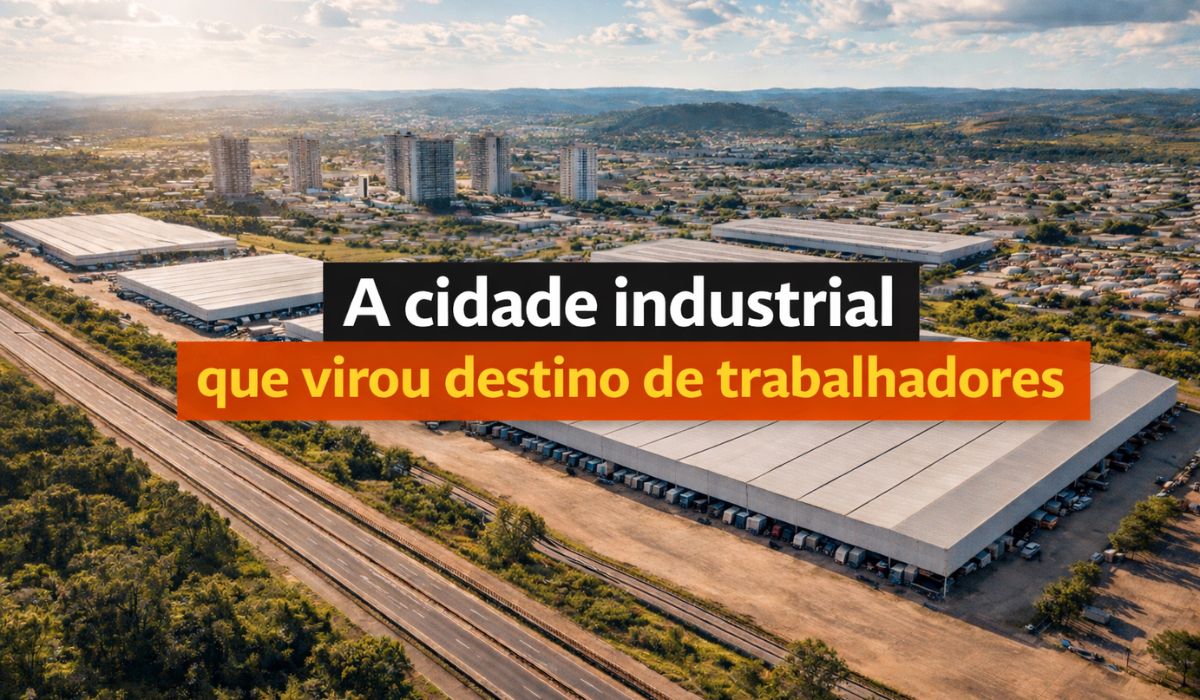
Between Goiânia and Brasília, an inland municipality in Goiás expanded its industrial and logistical presence, gathering factories, distribution centers, and strategic infrastructure that began to attract companies and workers from different regions of the country.
Anápolis, in the interior of Goiás, has been increasing its participation in the Brazilian industrial scene through the combination of structured industrial park, logistical infrastructure, and strategic geographical position between Goiânia and Brasília.
Located about 50 kilometers from the state capital and approximately 140 kilometers from the federal capital, the city has come to play a relevant role in the routes of goods circulation and in the installation of companies with national reach.
This movement is associated with factors such as the existence of a planned industrial district, the concentration of industries from different segments, and the connection with important logistical corridors in the Midwest.
-
With 74% of companies facing difficulties in hiring, technicians and engineers in renewable energy are becoming scarce in Brazil and are essential to support the expansion of solar, wind, and green hydrogen projects.

-
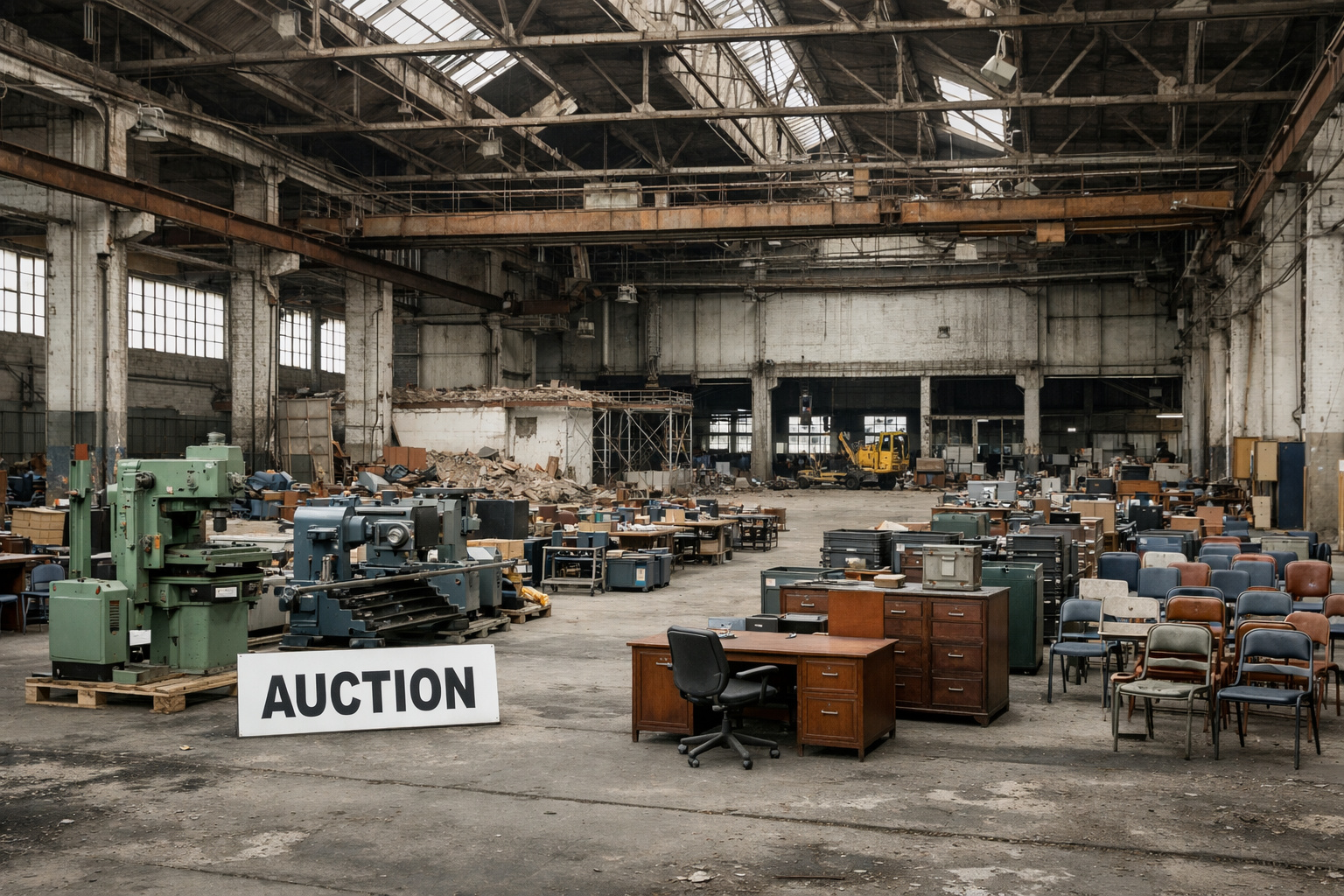
Historic bankruptcy of Centauro shocks the market, and the century-old company puts more than 500,000 products, machines, and complete infrastructure up for online auction.
-
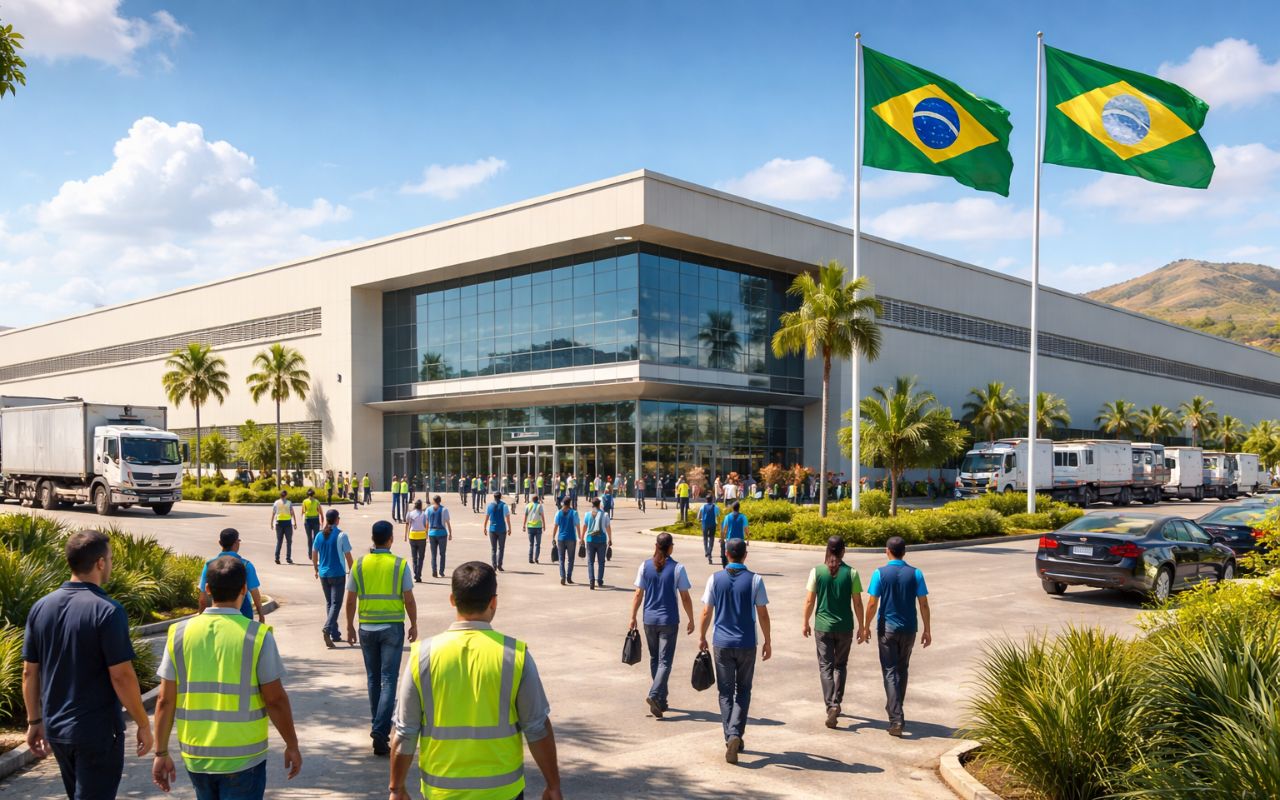
New shoe factory in Ceará is expected to create 400 jobs and strengthen the local economy.
-
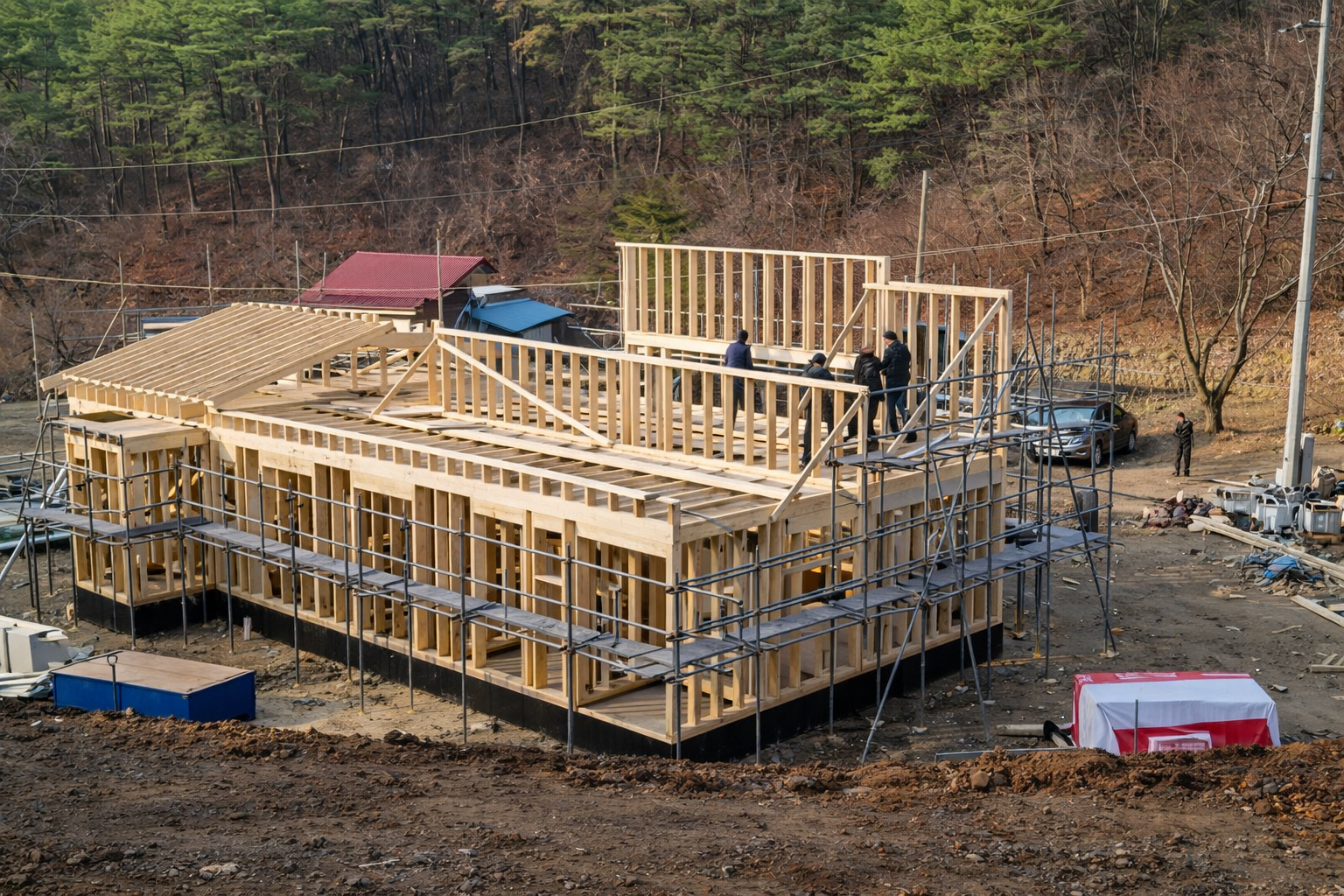
No one imagined it, but a mixture of sawdust with a mineral that fights fires surprises scientists with a result that changes the course of fire-resistant construction.


Over the years, these characteristics have contributed to attracting companies and expanding job opportunities, especially in activities related to industry and logistics.
The industrial advancement of Anápolis occurs in a broader context of the interiorization of productive investments in Brazil.
Experts in regional development point out that medium-sized cities with good infrastructure and strategic locations tend to gain traction as alternatives to large capitals, where operational costs tend to be higher.
Agro-Industrial District of Anápolis and the Role of Daia
One of the main vectors of this process is the Agro-Industrial District of Anápolis, known as Daia.
Established in the 1970s, the complex was the first planned industrial hub in the state of Goiás and over time has come to concentrate companies from various branches of the transformation and logistics industries.
Since its establishment, Daia has been associated with the organization of industrial activity in the municipality, offering areas for the installation of factories, basic infrastructure, and easy access to major transportation routes.
Academic studies on urban and economic development in the city relate the presence of the district to formal job generation and growth in municipal revenue.
Currently, the space hosts companies in the pharmaceutical, food, chemical, automotive, and logistics sectors, including national and multinational groups.


The diversity of activities helps to reduce dependence on a single segment and expands the local economy’s connections with productive chains from different regions of the country.
Pharmaceutical Industry Strengthens the Goian Industrial Pole
Among the segments established in Anápolis, the pharmaceutical industry stands out for its volume of production and the number of companies.
Information released by industry entities and the state government indicates that Goiás has consolidated itself as one of the main pharmaceutical hubs in Brazil, with a strong concentration in the Goiânia–Anápolis axis.
In the municipality, industrial plants operate that manufacture medications for the national market and, in some cases, also export.
The presence of these companies has contributed to the formation of an integrated productive chain, which involves suppliers, service providers, distribution centers, and demand for specialized labor.
According to sectoral analyses, the expansion of this hub over the years has been accompanied by investments in industrial modernization and capacity expansion.
These movements, in turn, tend to impact other sectors of the local economy, such as transportation, storage, technical services, and vocational education.
Strategic Location and Logistical Infrastructure in the Midwest
The geographical location is cited as one of the main factors that favor the installation of companies in Anápolis.
The city is situated at the intersection of federal highways that connect the Midwest to other regions of the country, such as BR-060, BR-153, and BR-414, facilitating the movement of cargo in different directions.
In addition to the road network, Anápolis is part of multimodal logistics projects in Goiás.
The State Multimodal Logistics Platform is located in the municipality and brings together structures aimed at articulating between different transportation modalities, focusing on the movement of goods on a large scale.
In this context, the Dry Port of the Midwest is also cited as part of the local logistical arrangement, functioning as a support point for customs and distribution operations.
The proximity to the North-South Railway, in the process of integration with other railway sections, reinforces the city’s role in production flow strategies.
According to logistics experts, the combination of highways, railways, and support structures tends to reduce operational costs and increase efficiency in the transportation of goods.
These factors often weigh in the decision-making of companies that assess where to install production or distribution centers.
Industrial Jobs and Effects on the Local Labor Market
The growth of the industrial and logistical park has direct effects on the local labor market.
Academic research and surveys on the economic profile of the municipality indicate an increasing demand for professionals in industrial, logistical, technical, and administrative areas.
This movement also stimulates indirect activities, such as commerce, services, construction, and education, which accompany the arrival of new workers and companies.
Anápolis has thus begun to attract people from different regions seeking opportunities related to industry and associated services.
Analysts highlight that the continuation of this process depends on factors such as urban planning, investments in infrastructure, and professional training.
The ability to absorb new enterprises without compromising public services and urban mobility is cited as one of the challenges for rapidly expanding cities.
With a diversified industrial park, strategic position in the Midwest, and logistics integration in development, Anápolis has begun to occupy a relevant space in discussions about industrial decentralization in Brazil.







-

-

-

-

-

28 pessoas reagiram a isso.