





 Portuguese
  English
  Spanish
  4 min of reading
  23 comments


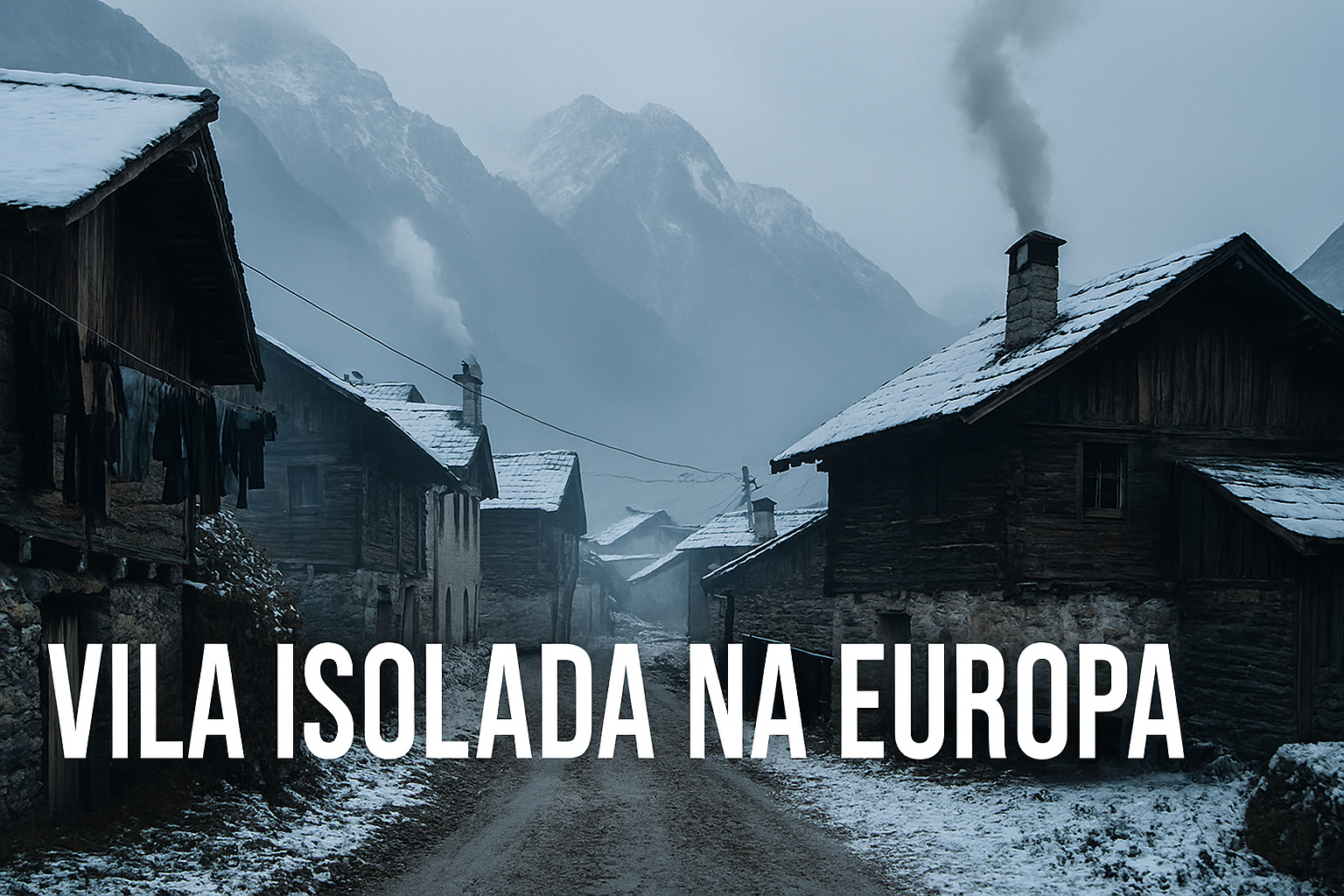


In One of the Highest and Most Isolated Villages in Europe, Families Live Like in the Seventeenth Century, Speaking Ancestral Dialect and Preserving Millennia-Old Traditions Amid the Mountains.
There are places in the world where history has not only left marks but has remained alive. In the heart of the Caucasus mountains, in a remote region considered one of the most isolated in Europe, families live as they have for centuries: in stone villages, surrounded by medieval towers, speaking an ancestral language and following customs that predate many modern countries. A territory where the seasons dictate the rhythm of life, where winter lasts almost half the year and modernity advances slowly, always with very clear limits.
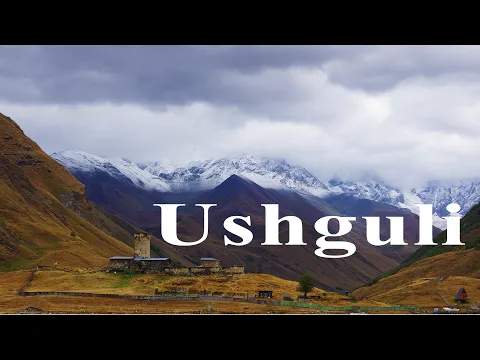
This real scenario is in Ushguli, in the historic region of Svaneti, at the top of Georgia — a community that has survived invasions, the collapse of empires, the Soviet Union, and time itself. Situated at approximately 2,100 meters above sea level, it is considered one of the highest inhabited villages in Europe, amid landscapes that seem straight out of a Renaissance painting, with glaciers, narrow valleys, and mountain ranges as imposing as they are severe.
For centuries, reaching there meant challenging narrow roads, turbulent rivers, and snow that blocks paths for months. Even today, when winter tightens, residents can be isolated for weeks, food must be stockpiled in advance, and the silence of the mountains replaces the outside world.
-
From sertanejo star to international investor: Ana Castela invests millions in a mansion in the USA, creates a themed accommodation in Orlando, and shows that the “boiadeira” also wants to grow away from the stage.

-
The 10 most stunning motorhomes in the world: a $3 million trailer with a rooftop nightclub and garage for a Ferrari, “palaces on wheels” with Italian marble, private cinema, and five-star hotel luxury for billionaires.

-
Trump wanted to spend $400 million on the White House, but the courts prohibited the million-dollar construction.

-
How the Egyptians erected giant structures like pyramids, temples, and obelisks without modern technology, cranes, or engines still amazes the world and reveals the power of engineering based on ramps, levers, ropes, and colossal organization.
Seventeenth-Century Traditions Preserved in the Mountains
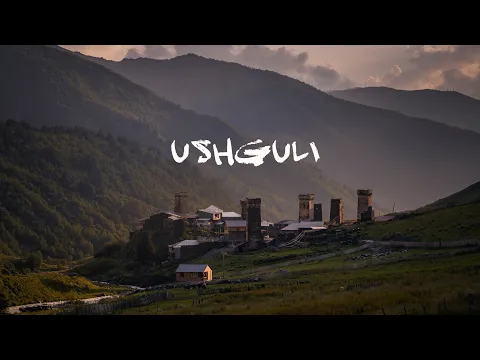

In Ushguli, life does not chase time; it shapes it. Local families, known as svaneti, preserve traditions and social structures that date back to the seventeenth century and even earlier:
• stone houses with medieval architecture
• fortified towers built between the 9th and 12th centuries to defend families in times of war and vendetta
• a unique language — svan, considered one of the oldest languages in Europe, without its own alphabet and spoken only there
• community and agricultural customs centered on livestock, wheat, and artisan production
• Orthodox religious rituals with pre-Christian influences
It is a world where surnames tell the stories of clans, marriages follow strict traditions, and agricultural rituals still mark the passage of the seasons. Community celebrations commemorate harvests, births, weddings, and religious dates as if time had no hurry to advance.
Between Survival and Cultural Resilience
Living in Ushguli is not romantic — it is resistance. Winter can reach –20 °C, snow forms natural walls, and the local economy relies on three fundamental pillars:
• livestock farming
• subsistence agriculture
• low-scale tourism
The medieval urban map registered by UNESCO since 1996 limits modern constructions and keeps a unique cultural landscape alive.
But this preservation also generates internal conflicts: young people torn between maintaining traditions or seeking opportunities in the cities of Zugdidi and Tbilisi, where there are universities, jobs, and connection to the global world.
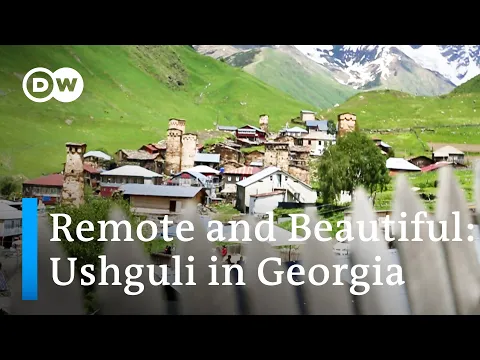
Still, many return. The notion of “belonging to the valley” is deep. The land, passed down through generations, is still seen as an extension of the family — losing that bond is like losing history.
Ushguli in the Era of Globalization
In recent years, there have been discreet advancements:
• electricity reached remote areas through small local hydroelectric plants
• satellite internet began to arrive
• a partially paved road shortened the route to the nearest city
Even so, access can still be interrupted by snow and landslides, and the primary means of transport remains horses, rugged trucks, and physical effort.
Tourism, limited by geography and winter restrictions, has brought income — but also the challenge of balancing tradition and modernity. The local population rejects turning the village into an “artificial scenery.” Preservation is not aesthetic; it is identity.
A Lesson About Time, Memory, and the Future
Ushguli is not just a place; it is a reminder that there are realities that do not fit into the urgent rhythm of the 21st century. It is a community that has survived millennia of conflicts, maintained its language when empires fell, and protected its culture when the rest of the world changed rapidly.
While the planet rushes toward technology, hyperconnectivity, and speed, this piece of Europe seems to reaffirm something simple and powerful: not everyone wants — or needs — to keep pace with the modern world to thrive.
Here, history is not in museums. It walks through the stone streets, climbs the snowy slopes, gathers around wood stoves, and echoes in an ancient language that resists the silence of time.








Morar lá, onde não tem Comando Vermelho, e os demais PCCs, nem Lula e nem Morais e nem o resto do STF. Maravilha!
Simplesmente fantástico , encantador
E de uma história e estória sem igual
Que resposta groseira. Não quer ler, não leia mas respeite o trabalho de pesquisa do repórter. E a Geórgia pode não pertencer a União Europeia ainda, mas faz parte sim do continente europeu . Preservar culturas e idiomas antigos e valioso para construção de identidade nacional.