





 Portuguese
  English
  Spanish
  3 min of reading
  0 comments


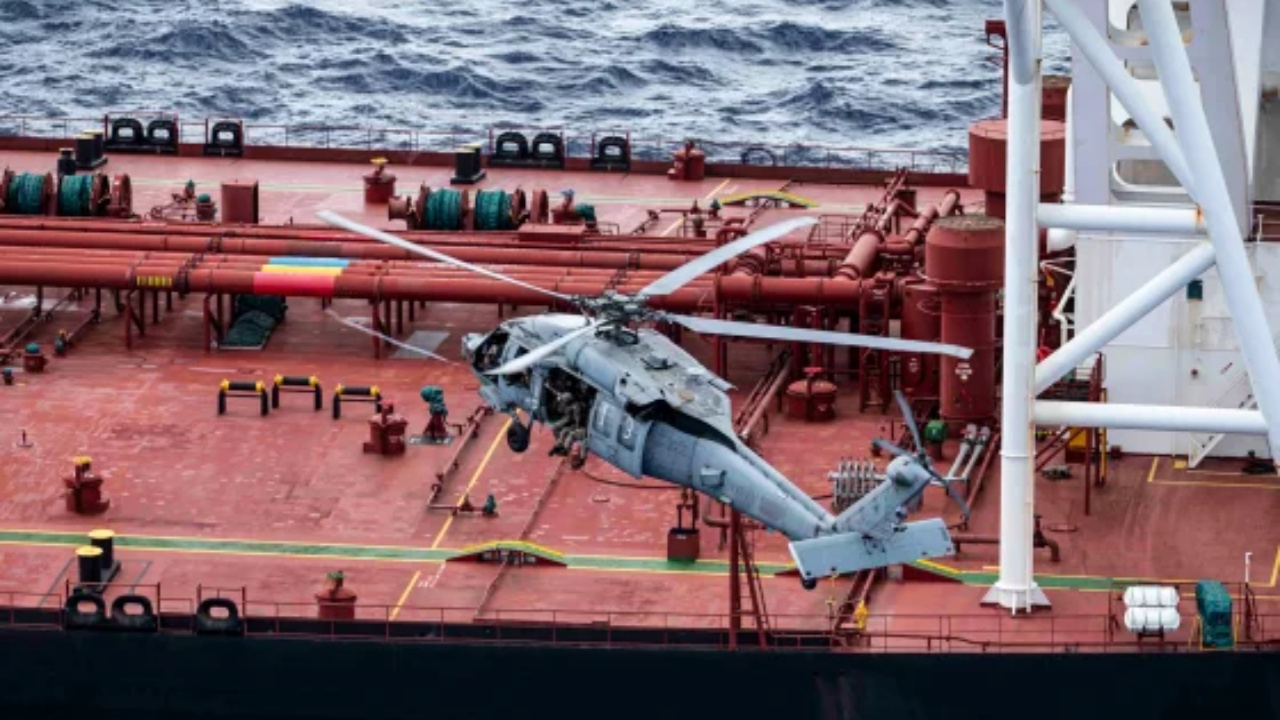
Venezuela Is Mentioned In New Case Of Tanker Intercepted By The U.S., Accused Of Being Part Of A Ghost Fleet Transporting Oil Under International Sanctions.
The Venezuela has once again drawn the attention of the international community after a tanker suspected of transporting oil under sanctions was intercepted by U.S. forces.
The ship, named Veronica III, is identified by independent monitoring as part of a so-called “ghost fleet,” used to bypass trade restrictions and keep the flow of oil running.
The operation took place in the Indian Ocean. Even so, the vessel’s trail leads directly to the Caribbean and, mainly, to Venezuela, which appears as the point of origin of a multimillion-dollar oil cargo.
-
Petrobras evaluates suspension of sales to distributors and considers canceling the cooking gas auction following guidelines from the Federal Government.
-
Lula reveals a masterstroke by Petrobras to undo a deal made by Bolsonaro, which involves the return of an important refinery that currently produces less than half of what was expected and makes Brazil dependent on international diesel.
-
A study confirms that the natural gas sector will reduce greenhouse gas emissions in Brazil by 0.5% and accelerate the energy transition by 2026.

-
Petrobras implements a severe adjustment and confirms a 55% increase in the price of aviation kerosene with a proposal for installment payments for the companies.


Tanker Linked To Venezuela Was Tracked For Thousands Of Kilometers
According to maritime monitoring data, the Veronica III is said to have left Venezuela on January 3, carrying about 1.9 million barrels of crude oil and fuel oil.
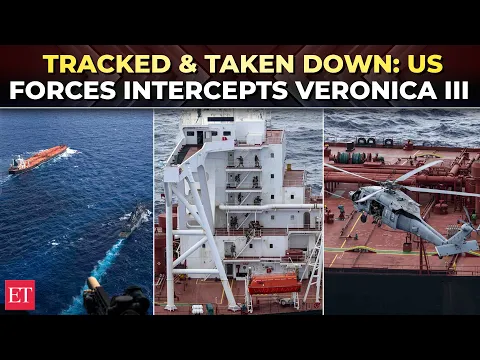

The information was disclosed by the website TankerTrackers.com, which monitors ship movements around the world.
The tanker, registered under the Panamanian flag, was already on the U.S. Treasury’s list as a sanctioned vessel due to alleged ties to Iran.
Even so, the ship continued sailing, crossing oceans, until it was approached by American military forces.
According to records, since 2023 the vessel has been involved in transporting Russian, Iranian, and also Venezuelan oil, reinforcing suspicions that it was part of an international network to evade sanctions.
U.S. Claims The Ship Tried To Challenge Trump’s Order
The U.S. Department of Defense issued a stern message on social media confirming the interdiction of the Veronica III. The post stated:
“We defend the Homeland first. Distance does not protect you. During the night, U.S. forces conducted, without incident, a lawful visit, maritime interdiction and approach of the Veronica III in the INDOPACOM area of responsibility. The vessel attempted to challenge President Trump’s quarantine, hoping to escape. We tracked her from the Caribbean to the Indian Ocean, closed the distance, and neutralized her. No other nation has the reach, endurance, or willingness to do this. International waters are not a refuge. By land, air, or sea, we will find you and bring justice. The Department of Defense will deny illicit actors and their intermediaries the freedom of movement in the maritime domain.”
The statement reinforces that the U.S. treats this case as part of a global offensive to block the transport of oil under sanctions, including oil that leaves Venezuela.
Experts point out that the so-called “shadow fleet” consists of tankers that change their names, flags, and registrations to evade authorities.
These ships often turn off tracking systems and operate on less monitored routes.
The Veronica III, according to investigators, was also known by the nickname DS Vector. This type of strategy facilitates the transportation of oil from countries like Venezuela, which face sanctions and restrictions in international trade.









-

-

2 pessoas reagiram a isso.