Portuguese
  Spanish


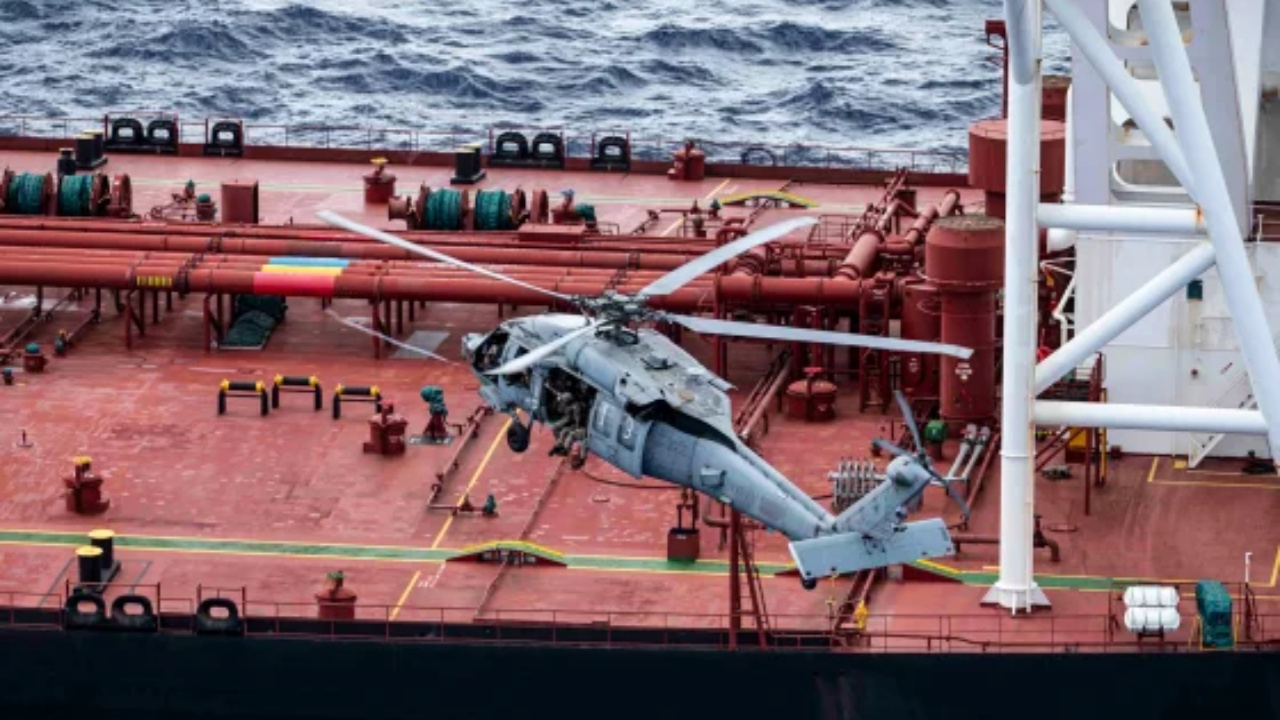


Venezuela Is Mentioned In New Case Of Tanker Intercepted By The U.S., Accused Of Being Part Of A Ghost Fleet Transporting Oil Under International Sanctions.
The Venezuela has once again drawn the attention of the international community after a tanker suspected of transporting oil under sanctions was intercepted by U.S. forces.
The ship, named Veronica III, is identified by independent monitoring as part of a so-called “ghost fleet,” used to bypass trade restrictions and keep the flow of oil running.
The operation took place in the Indian Ocean. Even so, the vessel’s trail leads directly to the Caribbean and, mainly, to Venezuela, which appears as the point of origin of a multimillion-dollar oil cargo.
-
Qantas and Airbus Invest in Company Aiming to Convert Unsorted Household Trash into Jet Fuel

-
Brazil’s ANP Opens 86 New Oil Blocks in the Equatorial Margin, Expanding the Amazon River Mouth Frontier

-
OPEC+ Boosts Oil Supply by 188,000 Barrels per Day in July 2026, Leading to Price Drop from $112 to $89 per Barrel in Under Two Months

-
TotalEnergies Signs 20-Year Deal to Purchase 2 Million Tons of LNG from Alaska, Boosting Project Viability

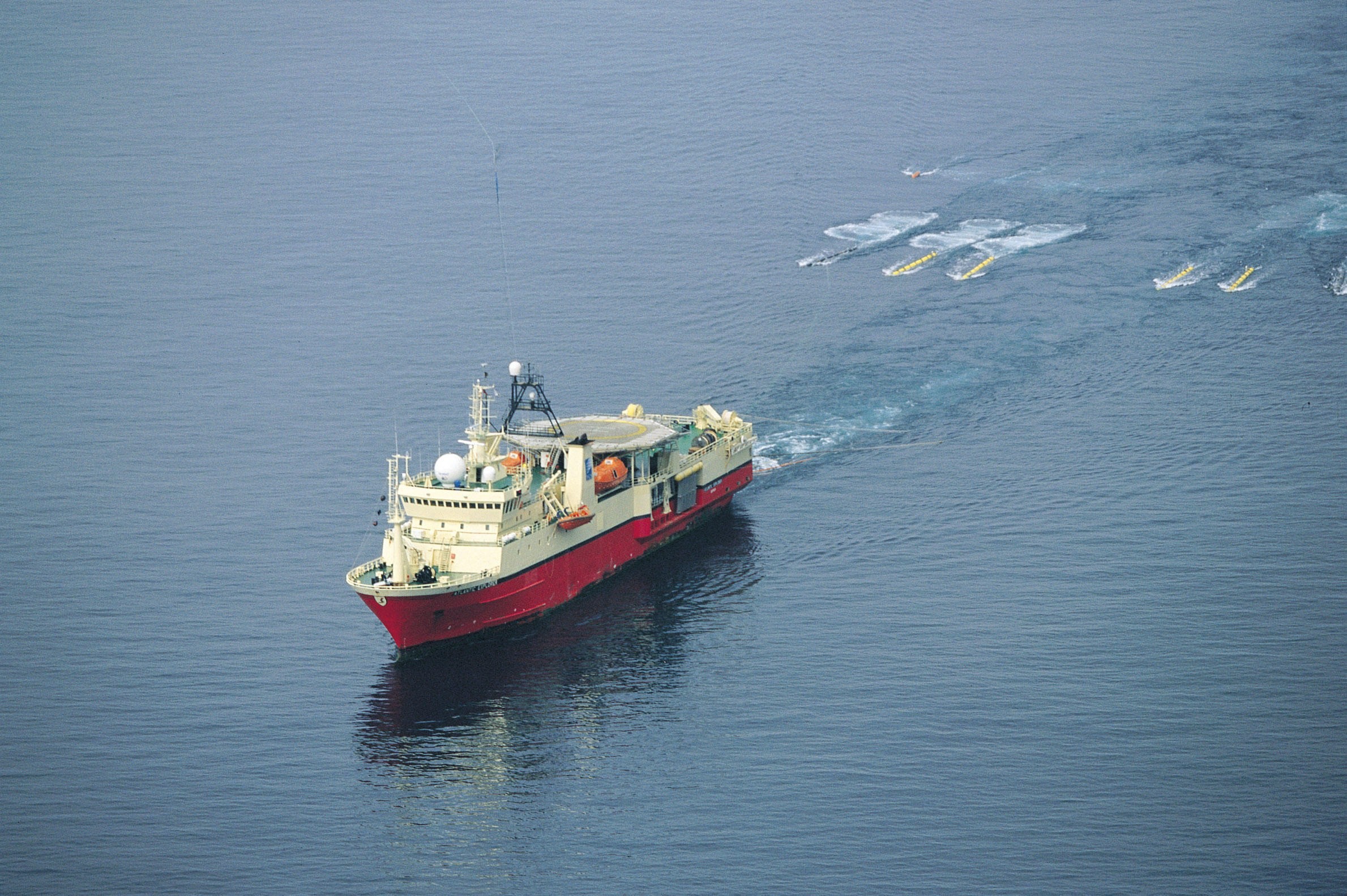


Tanker Linked To Venezuela Was Tracked For Thousands Of Kilometers
According to maritime monitoring data, the Veronica III is said to have left Venezuela on January 3, carrying about 1.9 million barrels of crude oil and fuel oil.

The information was disclosed by the website TankerTrackers.com, which monitors ship movements around the world.
The tanker, registered under the Panamanian flag, was already on the U.S. Treasury’s list as a sanctioned vessel due to alleged ties to Iran.
Even so, the ship continued sailing, crossing oceans, until it was approached by American military forces.
According to records, since 2023 the vessel has been involved in transporting Russian, Iranian, and also Venezuelan oil, reinforcing suspicions that it was part of an international network to evade sanctions.
U.S. Claims The Ship Tried To Challenge Trump’s Order
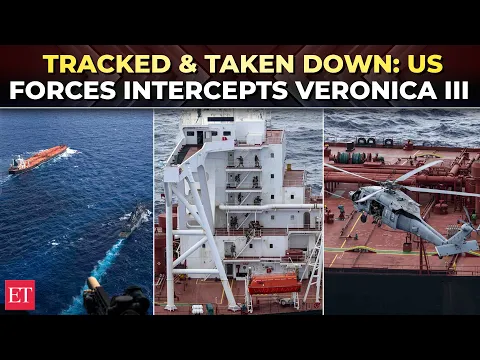
The U.S. Department of Defense issued a stern message on social media confirming the interdiction of the Veronica III. The post stated:
“We defend the Homeland first. Distance does not protect you. During the night, U.S. forces conducted, without incident, a lawful visit, maritime interdiction and approach of the Veronica III in the INDOPACOM area of responsibility. The vessel attempted to challenge President Trump’s quarantine, hoping to escape. We tracked her from the Caribbean to the Indian Ocean, closed the distance, and neutralized her. No other nation has the reach, endurance, or willingness to do this. International waters are not a refuge. By land, air, or sea, we will find you and bring justice. The Department of Defense will deny illicit actors and their intermediaries the freedom of movement in the maritime domain.”
The statement reinforces that the U.S. treats this case as part of a global offensive to block the transport of oil under sanctions, including oil that leaves Venezuela.
Experts point out that the so-called “shadow fleet” consists of tankers that change their names, flags, and registrations to evade authorities.
These ships often turn off tracking systems and operate on less monitored routes.
The Veronica III, according to investigators, was also known by the nickname DS Vector. This type of strategy facilitates the transportation of oil from countries like Venezuela, which face sanctions and restrictions in international trade.