





 Portuguese
  English
  Spanish
  3 min of reading
  0 comments


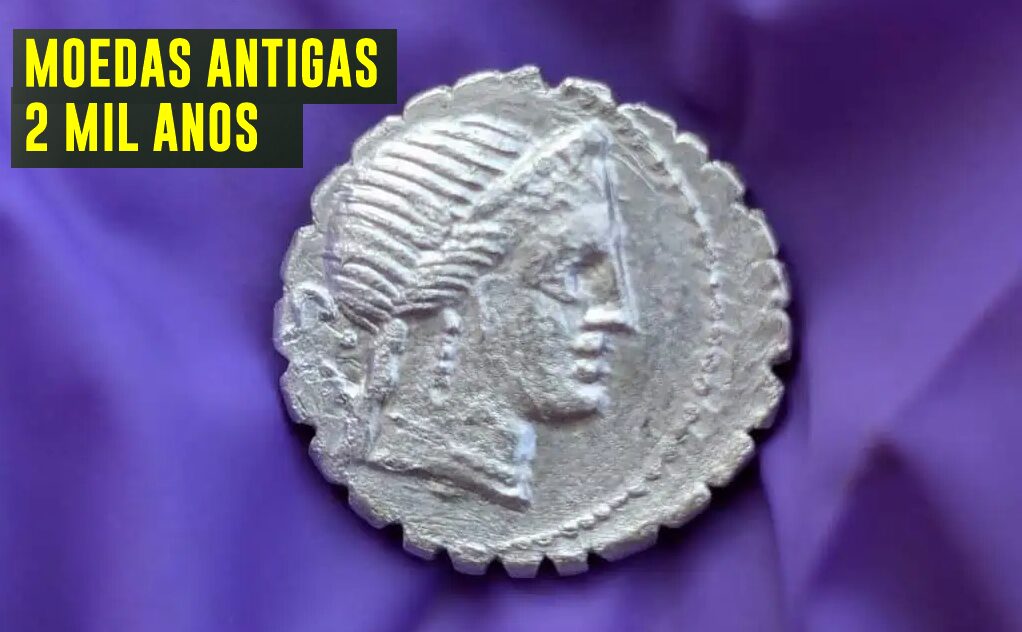
Lost Treasure: Ancient Roman Silver Coins Hidden During Pirate Attack 2,000 Years Ago Discovered on Remote Island
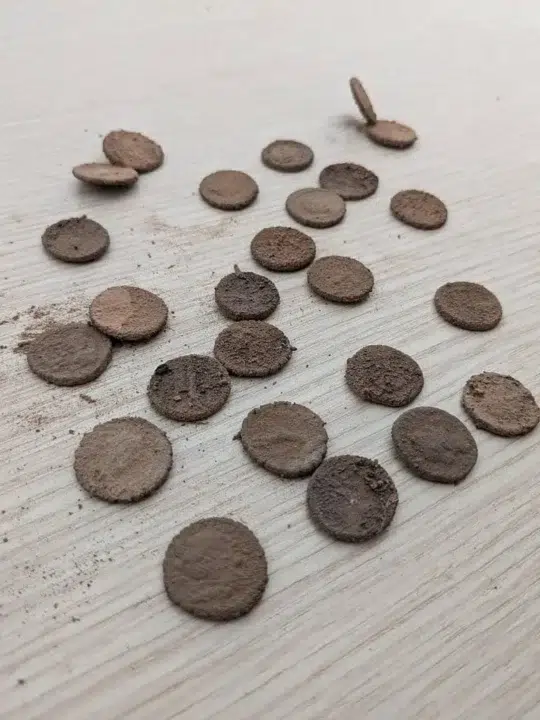
Recently, archaeologists uncovered 27 ancient Roman silver coins, dated between 94 and 74 B.C., that had been buried about 2,000 years ago. This new discovery adds another chapter to the rich history of this isolated island.
The discovery occurred unexpectedly during restoration work at the Acropolis of Santa Teresa and San Marco, an archaeological site that has been the target of excavations for decades. Led by Thomas Schäfer from the University of Tübingen in Germany, the team had been investigating the site for 25 years.
Recently, heavy rains exposed something unusual: small coins surfaced in the loose soil. Intrigued, the archaeologists dug deeper and found a treasure hidden under a large stone.
-
Motorola launched the Signature with a gold seal from DxOMark, tying with the iPhone 17 Pro in camera performance, Snapdragon 8 Gen 5 that surpassed 3 million in benchmarks, and a zoom that impresses even at night.

-
Satellites reveal beneath the Sahara a giant river buried for thousands of kilometers: study shows that the largest hot desert on the planet was once traversed by a river system comparable to the largest on Earth.

-
Scientists have captured something never seen in space: newly born stars are creating gigantic rings of light a thousand times larger than the distance between the Earth and the Sun, and this changes everything we knew about stellar birth.

-
Geologists find traces of a continent that disappeared 155 million years ago after separating from Australia and reveal that it did not sink, but broke into fragments scattered across Southeast Asia.

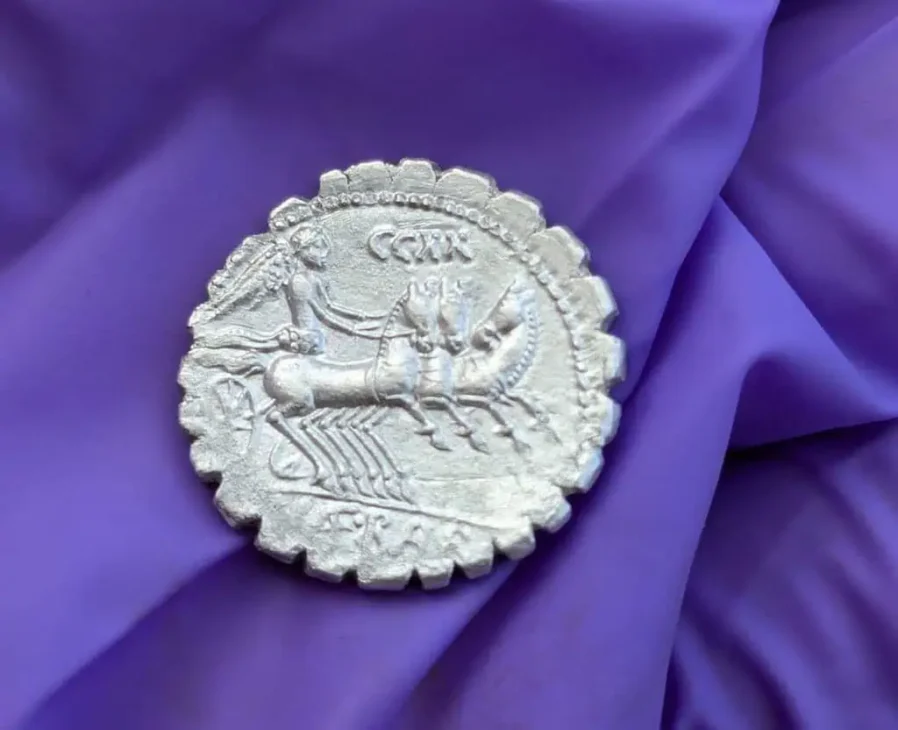
These ancient coins, known as denarii, were the main silver currency of Ancient Rome and featured detailed engravings, such as the profile of Roman figures and a chariot drawn by three horses. The discovery highlights the fact that Pantelleria was an important trading hub during the Roman era.
Pirate Attacks and Hidden Treasures
Pantelleria has been the site of various archaeological discoveries. In 2010, for instance, a set of 107 silver coins was found in the same area. Additionally, previous excavations revealed statues of Roman emperors, such as Caesar and Agrippina. These finds, now displayed in museums in Palermo and London, suggest that the island played a central role in trade and cultural interactions at the time.
The hypothesis that these coins were buried during a pirate attack is widely accepted by archaeologists. In the first century B.C., Pantelleria and other regions of the Mediterranean were constantly attacked by pirates who raided coastal villages and stole goods. It is believed that the newly discovered coins were buried by their owners, who likely never returned to recover them.
“These treasures may have been hidden during an invasion, which would explain why they were never retrieved,” Schäfer explained. The island’s strategic location and the constant threat of pirates make this theory a plausible explanation.
Pirate Threat in Ancient Mediterranean
Piracy was a major problem in the Mediterranean during the Roman era. Isolated islands and hard-to-access coasts provided ideal hiding spots for pirates, who attacked towns and villages, capturing people to sell as slaves and looting valuable goods. In the first century B.C., piracy reached its peak, destabilizing trade and even directly threatening Rome.
Pirates even captured important figures, such as young Julius Caesar, who was kidnapped by Cilician pirates in 75 B.C. According to historical accounts, Caesar purportedly promised to return to crucify them, which he actually did after his release.
Even with the expansion of the Roman Empire and control over maritime routes, piracy continued to be a problem for many years. Political instability and economic crises provided fertile ground for these bandits to continue to thrive.
An Archaeological Treasure
As the coins from Pantelleria are studied more deeply, they may provide valuable insights into life and events of that period. The island continues to be a true archaeological goldmine, gradually revealing secrets of a remote and fascinating past.
This discovery is yet another example of how the ongoing study of historical sites can bring to light new details about the complex and turbulent history of the ancient Mediterranean.








Seja o primeiro a reagir!