





 Portuguese
  English
  Spanish
  3 min of reading
  11 comments


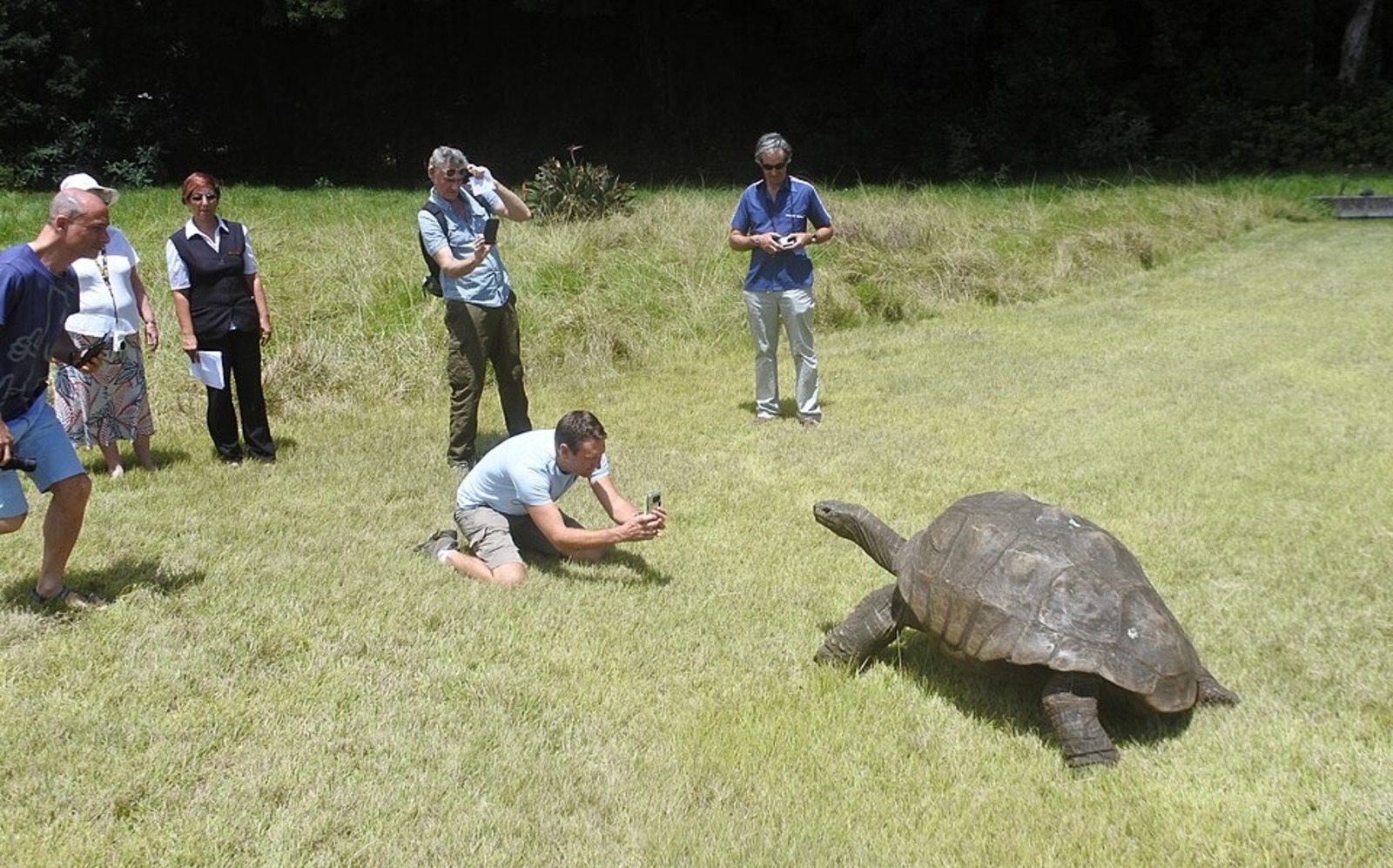


Jonathan, Aldabrachelys gigantea Tortoise, Turns 193 Years In 2025 In St. Helena, Has Lived Since 1832 And Holds The Guinness World Records Title As The Oldest Terrestrial Animal In The World
Jonathan, a giant tortoise of the species Aldabrachelys gigantea, turned 193 years old in 2025 on the British island of St. Helena, where he has lived since 1832, and is recognized by the Guinness World Records as the oldest terrestrial animal in the world, a relevant fact for studies on animal longevity.
Jonathan has lived in St. Helena for decades and had his age estimated from historical records indicating a birth year of 1832, placing him as a worldwide reference in officially recognized terrestrial longevity studies.
The Guinness World Records recognized Jonathan as the oldest terrestrial animal in the world, consolidating his scientific and historical importance, while also drawing attention to evolutionary and biological factors related to prolonged survival.
-
While the world looks at oil, the war with Iran is already disrupting helium supply from Qatar, affecting car and iPhone chips, threatening AI expansion, and putting pressure on aluminum packaging at the highest value in four years.

-
Global warming will expose a treasure hidden under the ice of Antarctica and may spark an international dispute over gold and valuable minerals.

-
A street vendor from Praia Grande built a robot made of scrap from scooters and washing machines that pulls his popcorn cart on the beach, emits sounds, and interacts with customers, becoming an attraction on the coast of São Paulo.

-
The specifications of the Xiaomi 18 Pro Max have been leaked, and the highlight is a dual 200 MP camera with a new 22-nanometer technology that promises to consume less energy and capture details in shadows and bright areas using LOFIC HDR.

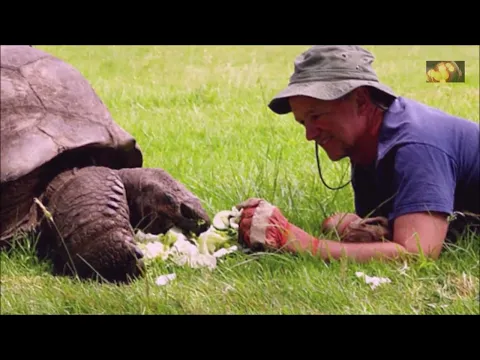

Evolutionary Explanation Of Tortoise Longevity
Experts point out that the longevity of tortoises is related to the evolutionary need to survive long enough to transmit genes, due to the high predation rate of eggs by other animals.
According to Lori Neuman-Lee, a professor at Arkansas State University, in an interview with Live Science, snakes and raccoons consume many eggs, requiring that tortoises live decades to ensure frequent reproduction.
The strategy involves laying many eggs multiple times a year, compensating for initial losses and explaining why prolonged survival became essential throughout the evolution of these species.
Neuman-Lee stated to Live Science that, even with high offspring production, the number of predators prevents overpopulation, reinforcing the importance of longevity for species maintenance.
Telomeres And DNA Protection
Biologically, researchers highlight the role of telomeres, DNA structures that protect chromosomes during cell division, preventing genetic errors associated with aging.
In many animals, telomeres wear out quickly, favoring diseases like cancer, while in tortoises this shortening occurs more slowly, preserving cellular integrity for a longer time.
Neuman-Lee explained that tortoises have a lower rate of telomere shortening, making them more resistant to damage caused by DNA replication errors, as reported to Live Science.
This mechanism contributes to greater genetic stability throughout life, considered one of the central factors for the longevity observed in giant species.
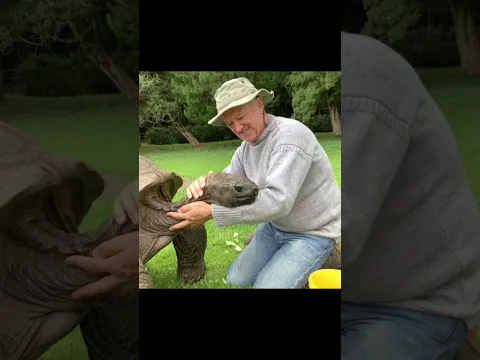
Efficient Apoptosis And Disease Resistance
Another relevant factor is the efficiency of apoptosis, the so-called programmed cell death, which allows the rapid elimination of damaged cells, reducing cancer risks during aging.
Miguel Trefaut Rodrigues, a professor in the Zoology Department at the Institute of Biosciences at USP, explained to Jornal da USP that in chelonians this process is more efficient and less prone to errors.
According to Rodrigues, there is a mechanism that removes compromised cells and maintains an active set of living cells capable of regenerating, prolonging the functional life of the organism.
This system contributes to a lower incidence of degenerative diseases, even in extreme ages, as observed in Jonathan throughout his 193 years.
Immune System And Genetic Stability
Studies also indicate that tortoises maintain essential enzymes for DNA replication functioning correctly, resulting in fewer genetic errors and greater stability throughout life.
Neuman-Lee notes that it is still unknown whether this characteristic guarantees total resistance to genetic failures, but it represents a possible explanation for the incredible longevity of these animals.
In addition, tortoises have a large amount of proteins, perforin and granzyme, produced by natural killer cells of the innate immune system.
José Ribamar Ferreira-Júnior, a professor at EACH at USP, stated to Jornal da USP that this efficient immune system eliminates tumor cells and reduces infectious diseases in older individuals.
Jonathan’s 193 years also reflect environmental factors, such as life in captivity, absence of predators, balanced diet, and constant veterinary care, elements that complement the biological mechanisms described.
With information from UOL.








Baba has lived more than 200 years in the palace of Soun of Ogbomoso in Oyo state Nigeria. Older than this one.
Leave the fella alone.
So are you talking about a turtle or a tortoise? The pictures and references are about Johnathan the tortoise but you are writing about turtles…..