





 Portuguese
  English
  Spanish
 4 min of reading
  48 comments


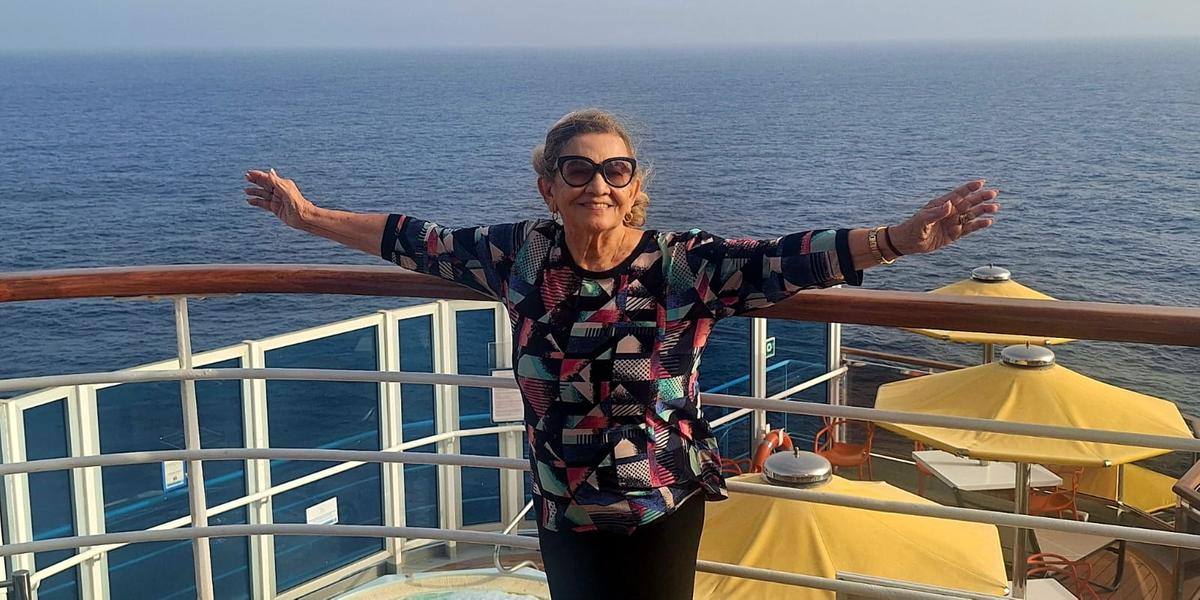


At 86 Years Old, Minas Gerais Elderly Woman Approved in Medicine After Decades of Waiting and Becomes the Oldest Freshman at Unimontes, Inspiring the Country with Her Determination.
When the news was announced, in July 2024, local portals and specialized education outlets reported the event with surprise: a woman aged 86 years, living in Northern Minas, had been approved in Medicine at the State University of Montes Claros (Unimontes). Her name, Maria Glorinha Mameluque, quickly entered the restricted group of Brazilians who secured a spot in one of the most competitive courses in the country at such an advanced age and possibly as the oldest student in the course throughout the state.
The story emerged in regional reports and was confirmed by the educational institution itself, highlighting that the elderly woman not only met the requirements but also achieved sufficient performance to surpass much younger candidates. The episode reignited the debate on longevity, active aging, and the impact of late education on the self-esteem and emotional health of the elderly population.
The Late Start of a Journey That Never Stopped Existing
Glorinha was born into a simple family, at a time when studying beyond basic education was a rare privilege, especially for women from the countryside.
-
Furniture made with aluminum and glass does not warp and has become an alternative to replace MDF in Brazil.
-
Finland, the happiest country in the world, wants to hire 140,000 technology professionals and is eyeing Brazilians: visas are issued in just two weeks and salaries with a 37-hour workweek are surprising.

-
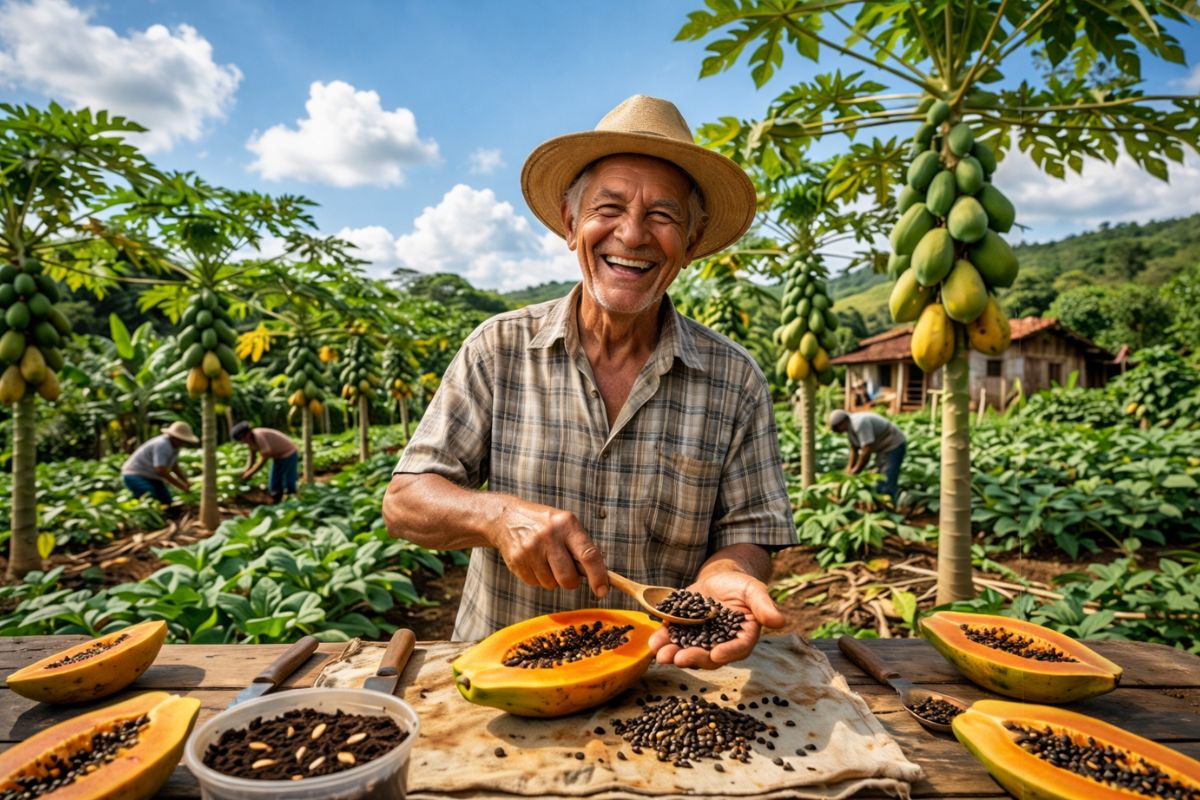
Mr. Mário reveals the technique of the caipira papaya: he cuts the fruit in half, discards the seeds from the tip, and plants the ones from the back to increase the chance of a productive female tree.
-
Few remember, but the submarine that disappeared in 1968 with 52 crew members was found after 51 years at the bottom of the sea at more than 2,000 meters, intriguing the entire world.


She married young, raised children, worked, took care of the house, and aged watching generations pass through the school she herself attended when she was young. She always dreamed of studying Medicine, but for more than half a century that desire seemed distant.


After turning 70, when many slow down, she did the opposite: she returned to studying. She completed her basic education, took entrance exams multiple times, dedicated herself to tests and simulations, reinvented her routine, and began to split her time between household chores and the old dream that insisted on remaining.
The approval was not a stroke of luck. It was the result of years of silent discipline — and a refusal to accept that dreams have an expiration date.
The 2024 Approval and the Immediate Impact of the Achievement
When the result was released, it took a while for reality to sink in. Teachers, neighbors, family members, and university staff mobilized to support the nearly ninety-year-old freshman. Unimontes confirmed that Glorinha would, from that semester on, be the oldest student in the Medicine course, breaking a national paradigm.
The impact was immediate:
- students sought her out to offer rides and help with materials;
- teachers saw in her story an inspiration to discuss healthy aging;
- regional and national media outlets published the news, highlighting the symbolism of the achievement.
The case exposed a little-explored reality: the number of elderly people returning to study in Brazil has grown, especially in state and federal universities. Although they remain a minority, they represent a phenomenon that accompanies the increase in life expectancy and the pursuit of intellectual autonomy after turning 70.
Active Longevity and Cognitive Health: What Experts Say
Neuroscientists who have analyzed similar cases state that regular studying after the age of 60 is associated with:
- improvement in long-term memory,
- prevention of cognitive decline,
- increased emotional autonomy,
- expansion of the social network and emotional support.

Research published by Brazilian and international institutions, such as USP and Stanford University, indicates that elderly people who remain intellectually active present a lower risk of degenerative dementias.
The case of Glorinha exemplifies this phenomenon: the brain continues to function and respond to complex stimuli, as long as there is adequate motivation and stimulus.
The Routine in the Classroom and the Challenge of Keeping Up with a High-Complexity Course
The Medicine course requires intense workload, extensive readings, laboratories, shifts, and high-complexity tests. The institution organized modest adaptations to ensure the student’s comfort without interfering with the academic rhythm.
Despite her age, Glorinha astonished during the first weeks:
- attends all mandatory meetings,
- takes detailed notes,
- frequently asks questions,
- watches recorded classes at night to reinforce the content,
- maintains a routine of light exercises to endure long hours sitting.
Classmates report that, in the first anatomy classes, she showed no strangeness. On the contrary: she said it was “a world she had waited a lifetime to know.”
National Symbol and Impact Beyond the University
Her story circulated in health professional groups, educational forums, and pages dedicated to education for the elderly. For many, the case represents:
- the confirmation that Brazil is aging but also reinventing itself;
- proof that social and age barriers can still be broken;
- inspiration for thousands of elderly individuals who interrupted their studies.
The narrative gained strength for its universal character: a woman who spent her whole life taking care of her home, family, and daily responsibilities finally got to look at herself and allow an old dream to occupy the center of her own story.
What Glorinha’s Journey Represents for the Country
The entry of an 86-year-old woman into the Medicine course provokes deep reflections on:
- access to education at diverse ages,
- changes in social paradigms about aging,
- public policies aimed at university inclusion,
- breaking stereotypes about what is the “appropriate age” to learn.
It also highlights the importance of the support network: teachers, family members, and the institution itself became fundamental pieces for the journey to take shape.
More than an individual achievement, the case transformed into a symbolic milestone about perseverance.









Extraordinario esfuerzo por una Longevidad Saludable. Sin embargo, hay que ser más serios. Estudiar Medicina a esa edad es como esperar que el agua sea homogénea con el aceite. A esa altura de vida ya se jubila. 1 de cada 2 personas mayores de 85 años tienen Demencia. Sería mejor estudiar Arte y Literatura. Ser médico es poseer una arma letal como ruleta rusa…. O Salvamos o Asesinamos.
Eddy Zepeda. Nicaragua
Maravilloso, no existen barreras para quien desea con fe y confianza superarse como ser humano… la edad ya no es un impedimento.
Mis más sinceras felicitaciones a esta hermosa mujer, que venció los paradigmas, los estereotipos y logró lo impensable.
Que maravilha. Inspiração p idosos e todas as idades!!