





 Portuguese
  English
  Spanish
  5 min of reading
  0 comments


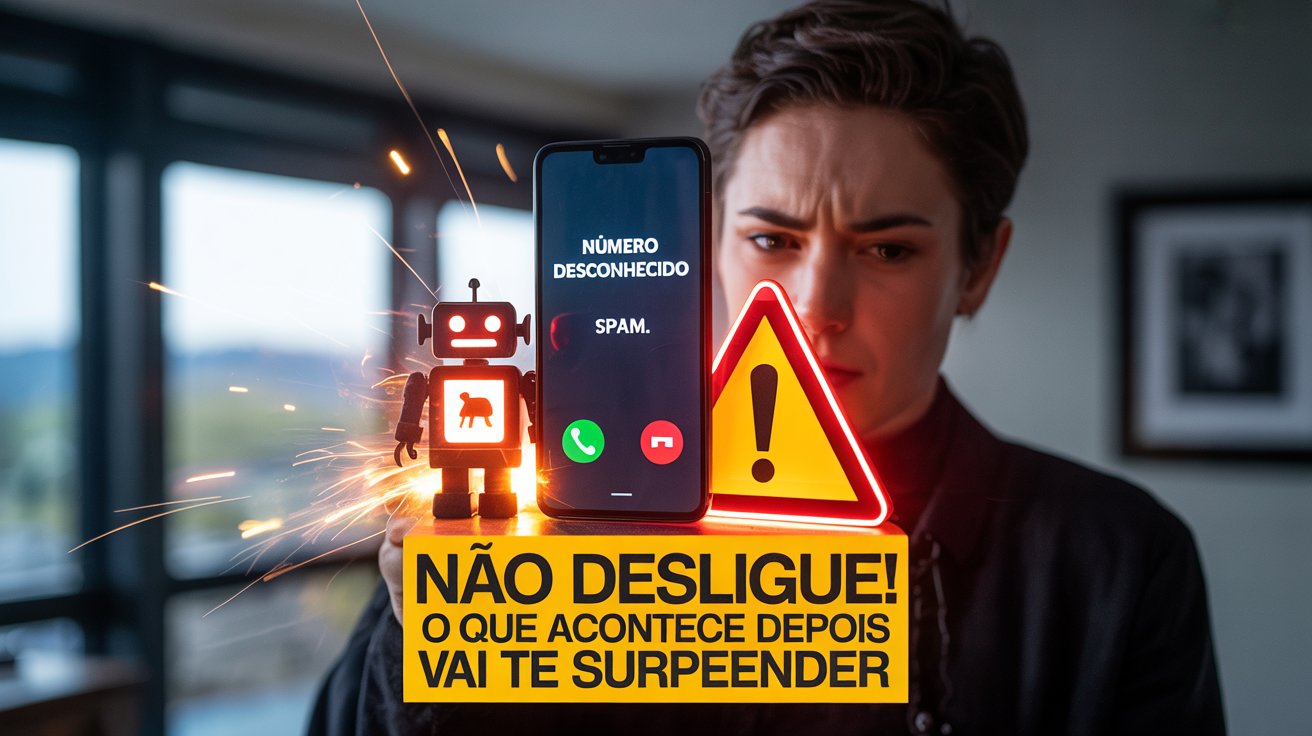
Understand How the Artificial Intelligence Behind Spam Calls Can Interpret Your Behavior Over the Phone and How Simple Attitudes Can Impact the Frequency of These Calls in Your Day-to-Day Life.
In an increasingly hyperconnected scenario, millions of Brazilians face the discomfort of unwanted calls daily, popularly known as spam calls.
With the proliferation of automated systems and the advancement of artificial intelligence in telemarketing operations, the simple act of receiving a call from an unknown number has become routine for a large portion of the population.
Although the immediate reaction of many is to hang up as soon as they identify the call as suspicious, digital security experts warn that this practice may be further intensifying the volume of these interruptions.
-
Russia reveals that it is already conducting 95% of all its business with China without using a single dollar; dedollarization has ceased to be a promise and has become a reality in record time, and the West watches helplessly.

-
While Brazilians work more than 44 hours a week, Norwegians leave the office at 3 PM and are now testing a four-day workweek with full pay and no loss of productivity.

-
A legend of Brazilian TV is 75 years old, returned to narrate the World Cup for SBT, and still finds time to manage a farm of over 100 hectares in Rio Grande do Sul where she produces award-winning wines, olive oil, and raises cattle.

-
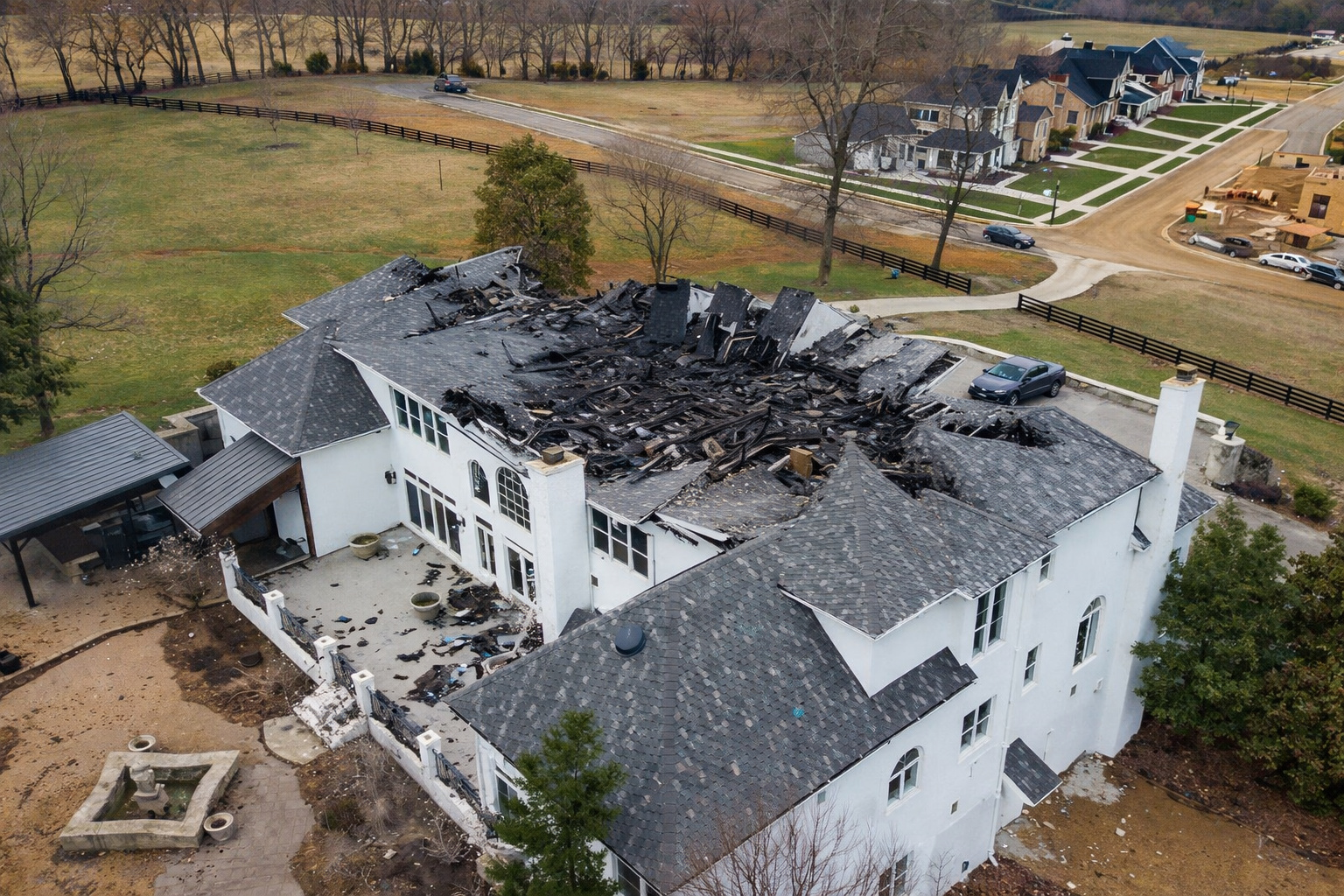
Family buys mansion destroyed by fire for $1.5 million, faces over 500 days of construction, transforms loss into high-end property, and leaves neighbors in awe.

According to professionals in the data protection field, quickly hanging up a spam call may inadvertently signal to automated systems that the dialed number is active, but the user is momentarily unavailable.
This information is recorded by automatic dialing software that rearranges the call queue and schedules new attempts at different times, perpetuating the cycle of inconveniences.
In other words, the attempt to avoid disturbances can, in practice, increase the frequency of unwanted calls.
How Automatic Calling Systems Work
Collection agencies, service or product sales companies, and even organizations operating outside the law utilize advanced technologies to optimize contact with potential customers or debtors.
These systems, known as automatic dialers, feature artificial intelligence capable of analyzing the recipient’s behavior in real-time.
When the user ends the call without saying any words, the algorithm interprets the event as a “failed attempt” and schedules a return call for another time.
This strategy, besides increasing the chances of contact, reduces operational costs for companies, as the robot is capable of prioritizing lines considered active.
In other words, the faster a person hangs up, the higher the likelihood of receiving new spam calls in the future.
Identification Tools and Smartphones Limitations
Most modern mobile devices, both Android and iOS, already have automatic identification systems for suspicious calls.
Upon receiving a potentially fraudulent or spam call, the user may see alerts on the screen, such as “suspicious number,” “possible fraud,” or “spam call.”
These notifications are the result of databases that cross public information, previous reports, and recorded call patterns.
Despite the advancements of these tools, not all phone models or telecommunications operators offer enhanced identification services.
In many cases, calls are not flagged, and the user needs to take additional measures to protect themselves.
There are free and paid applications that enhance blocking and identification capabilities, allowing consumers to blacklist numbers or report fraud attempts.
What to Do When Receiving a Spam Call
In light of the exponential increase in these calls in recent years — only in 2024, Anatel (National Telecommunications Agency) recorded over 4 billion contact attempts classified as unwanted — the recommendation from experts is to avoid impulsive actions.
Instead of hanging up immediately, the ideal is to keep the call active for a few seconds before ending it, even without verbally interacting.
This way, the artificial intelligence can interpret the contact as “answered,” reducing the chances of the number being targeted for new attempts.
Another fundamental recommendation is to never provide personal data, such as full name, document numbers, address, passwords, or any banking information.
If there is interaction, it is advised not to answer questions or confirm information, as any response can be used to validate the number and feed the spam systems’ database.
Little-Known Tricks to Reduce Unwanted Calls
In addition to traditional tips, there are less publicized strategies that can help reduce the volume of calls:
- Block repeated numbers directly through the smartphone’s operating system by accessing the call history.
- Register the phone number on the national “Do Not Disturb” list, an initiative by Anatel that restricts contact from telemarketing companies, although it does not completely eliminate calls from irregular sources.
- Some operators also offer free spam blocking services that can be activated through official apps or customer service.
- Keeping your registration updated on the operator’s platforms and avoiding sharing your phone number in public registrations or social networks are also recommended practices.
Why So Many Spam Calls Are Made in Brazil
Brazil ranks among the leading countries in the volume of spam calls, according to a global ranking released in March 2025 by technology research institutes.
The ease of contracting automatic dialing services, combined with the lack of effective regulation to curb abusive practices, contributes to the current scenario.
Despite recent attempts to tighten legislation, enforcement still faces obstacles in identifying and punishing companies that operate irregularly.
In recent months, Anatel has intensified operations to identify call centers and companies responsible for the massive dispatch of calls.
In February 2025, an operation resulted in the temporary suspension of 30 call centers in São Paulo, Rio de Janeiro, and Minas Gerais, responsible for more than 200 million calls in less than a month.
The agency also recommends that consumers file formal complaints and report abusive practices on the official website.
Digital Security Measures and Consumer Education
The popularization of spam calls highlights the need for public policies focused on digital education and strengthening citizens’ privacy.
According to data from the Brazilian Institute for Consumer Defense (Idec), about 70% of Brazilians have already received attempts at scams via phone or messaging apps.
The agency warns that, although there are laws such as the General Data Protection Law (LGPD), it is essential for users to maintain preventive attitudes and be wary of unsolicited contacts.
Therefore, in light of the growing volume of these calls, staying informed, adopting good security practices, and understanding how telemarketing technologies work are essential steps to minimize risks and inconveniences in daily life.
By following the correct guidelines, it is possible to reduce the impact of phone spam, although its total elimination depends on regulatory advancements and greater rigor from authorities.
Have you been surprised by a spam call recently? What strategies have worked for you to avoid this type of nuisance in your daily life?






-

-

2 pessoas reagiram a isso.