





 Portuguese
  English
  Spanish
  5 min of reading
  0 comments


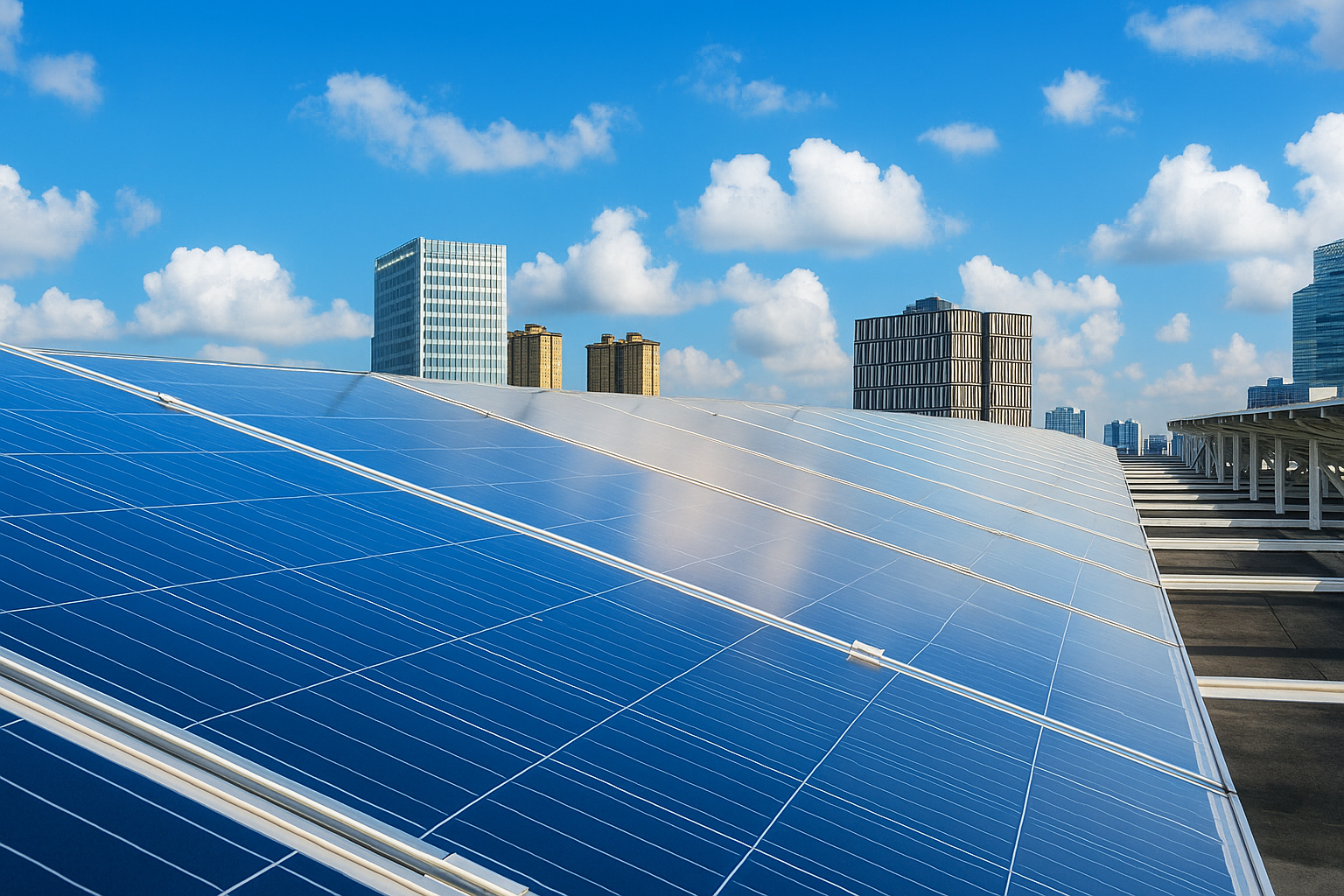
Discover How Free Solar Electricity Will Transform Energy Consumption in Australia and Drive the Use of Renewable Sources Across the Country.
Australia is about to experience an unprecedented energy revolution. Starting in 2026, the country will offer three hours of free solar electricity daily to all its residents. This measure, besides being innovative, reflects a solid and planned energy transition that aims to balance the use of solar technology with the environmental goals set by the Australian government.
The proposal arises in response to the excess solar energy generated during peak hours, usually around noon. During this period, the amount of electricity produced exceeds demand, causing imbalances in the distribution system. To take advantage of this surplus, the government decided to turn it into a direct benefit for the population, reducing costs and encouraging more sustainable habits.
The initiative, dubbed the Solar Sharer Scheme, promises to be a turning point in the history of Australian energy. It represents more than an economic action: it is a firm step towards democratizing access to clean energy and reducing dependence on fossil fuels.
-
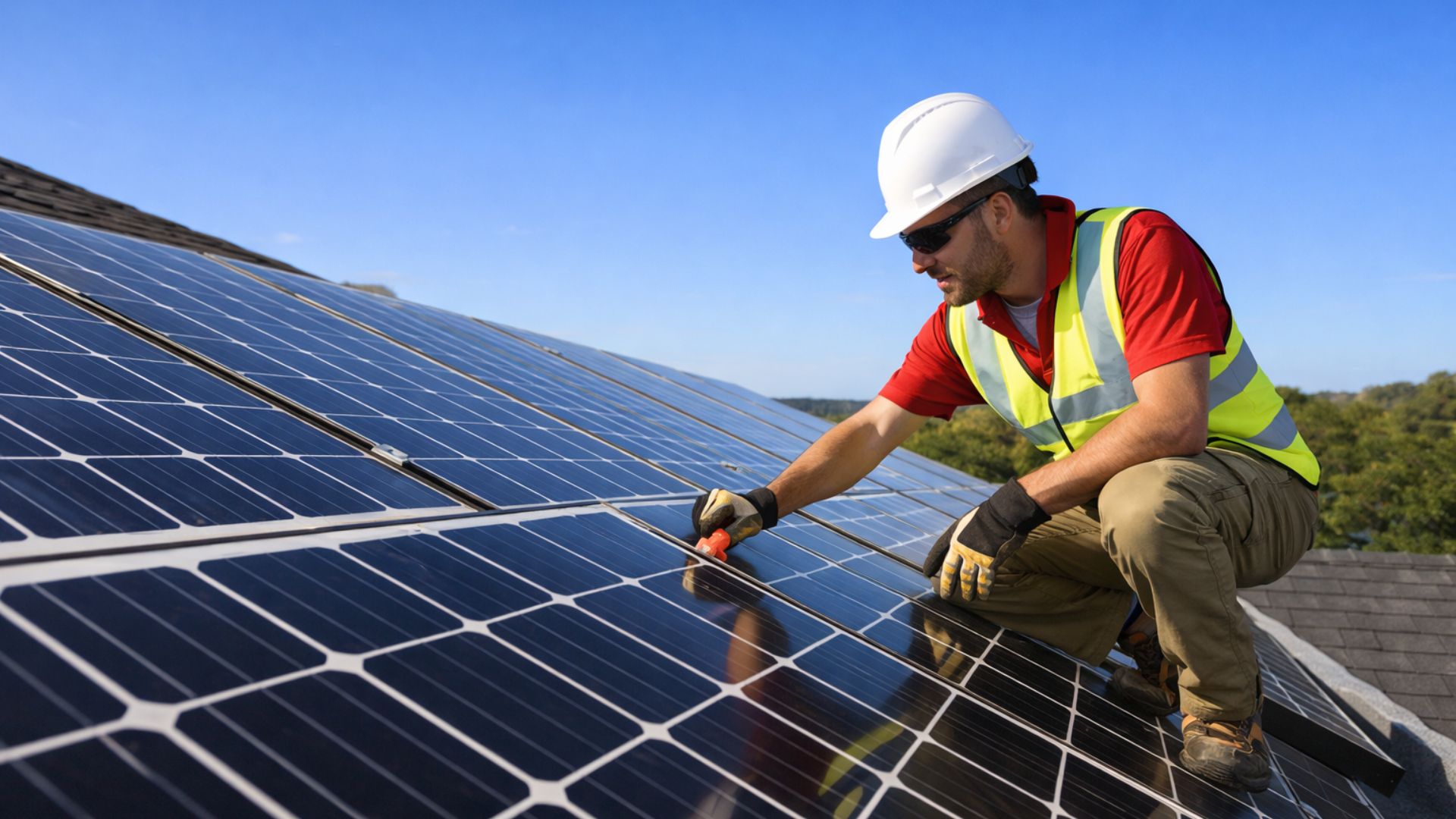
Seagri’s headquarters invests in solar energy with Neoenergia Coelba and promises to cut electricity costs, highlighting a strategic advance in sustainability and energy efficiency within state public administration.
-
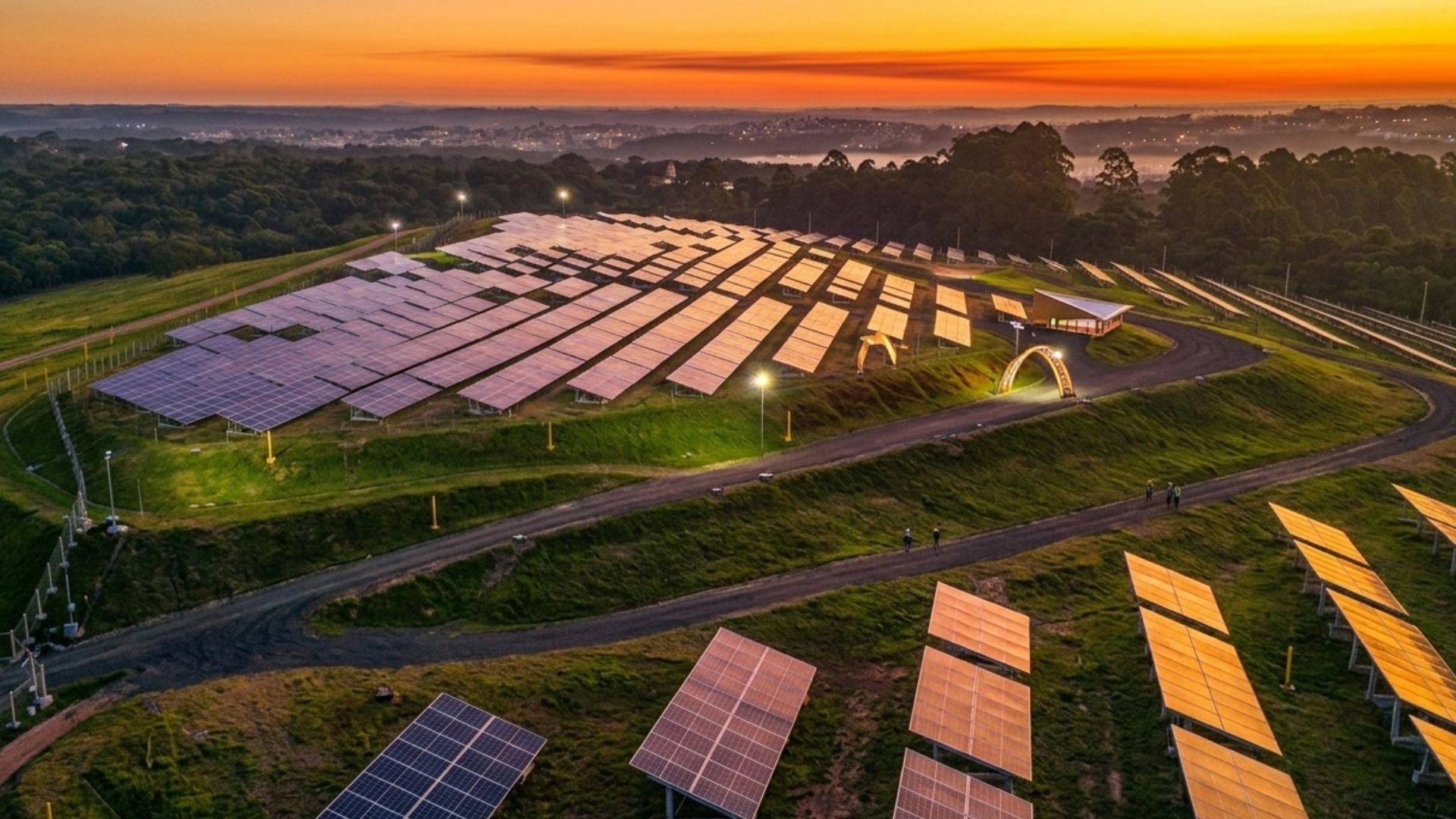
Solar Pyramid draws attention by converting solar energy into million-dollar savings and repositioning the City Hall of Curitiba as an example of innovation, sustainability, and intelligent use of public resources.
-
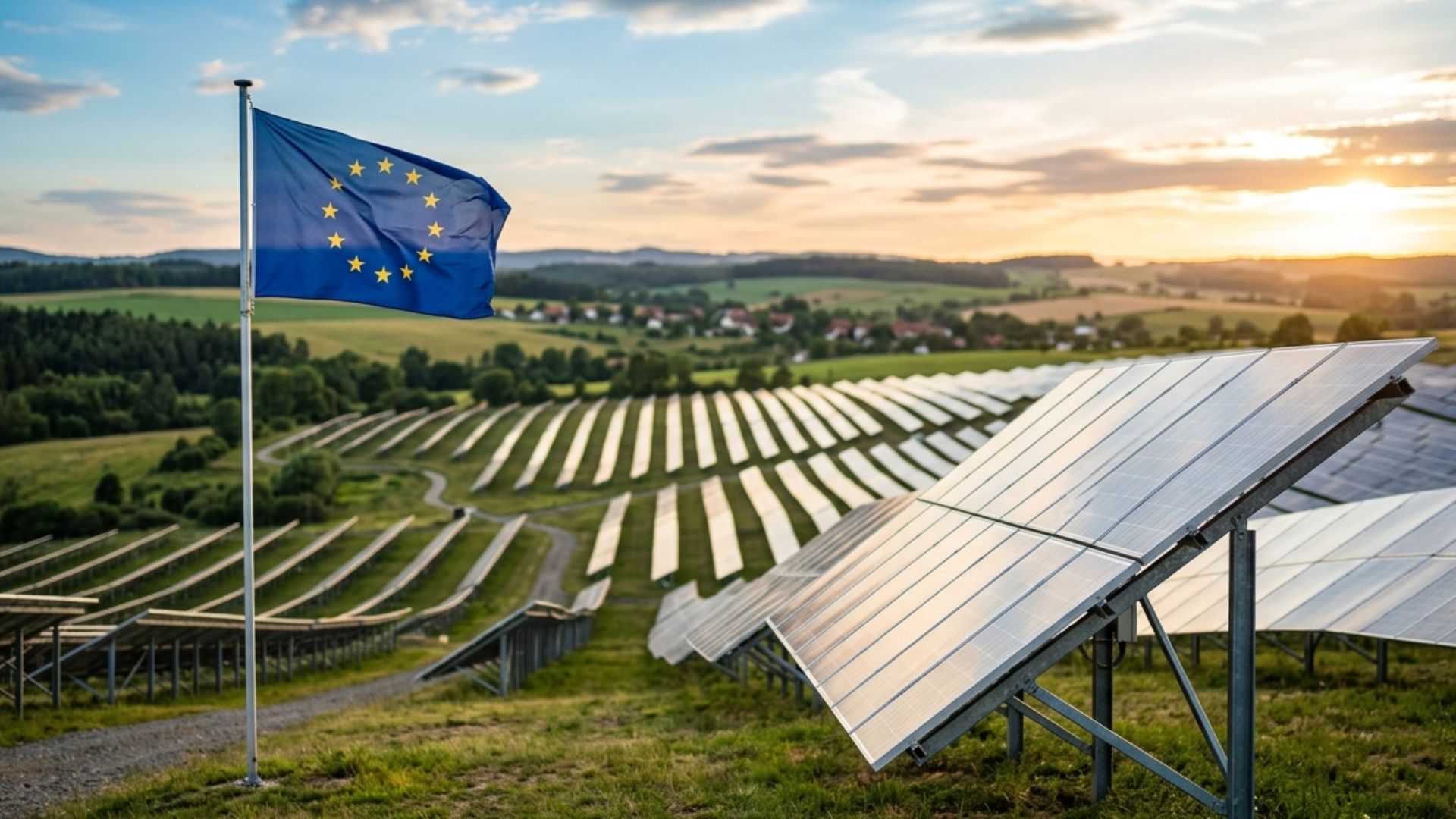
Europe records strong euro economy with solar energy in March and sparks curiosity about which country leads growth that redefines the energy market and reduces costs.
-
Piauí reaches a historic milestone in energy transition: State records nearly 160,000 households powered by solar energy and leads growth in the Northeast.

The Birth of a Sustainable Idea
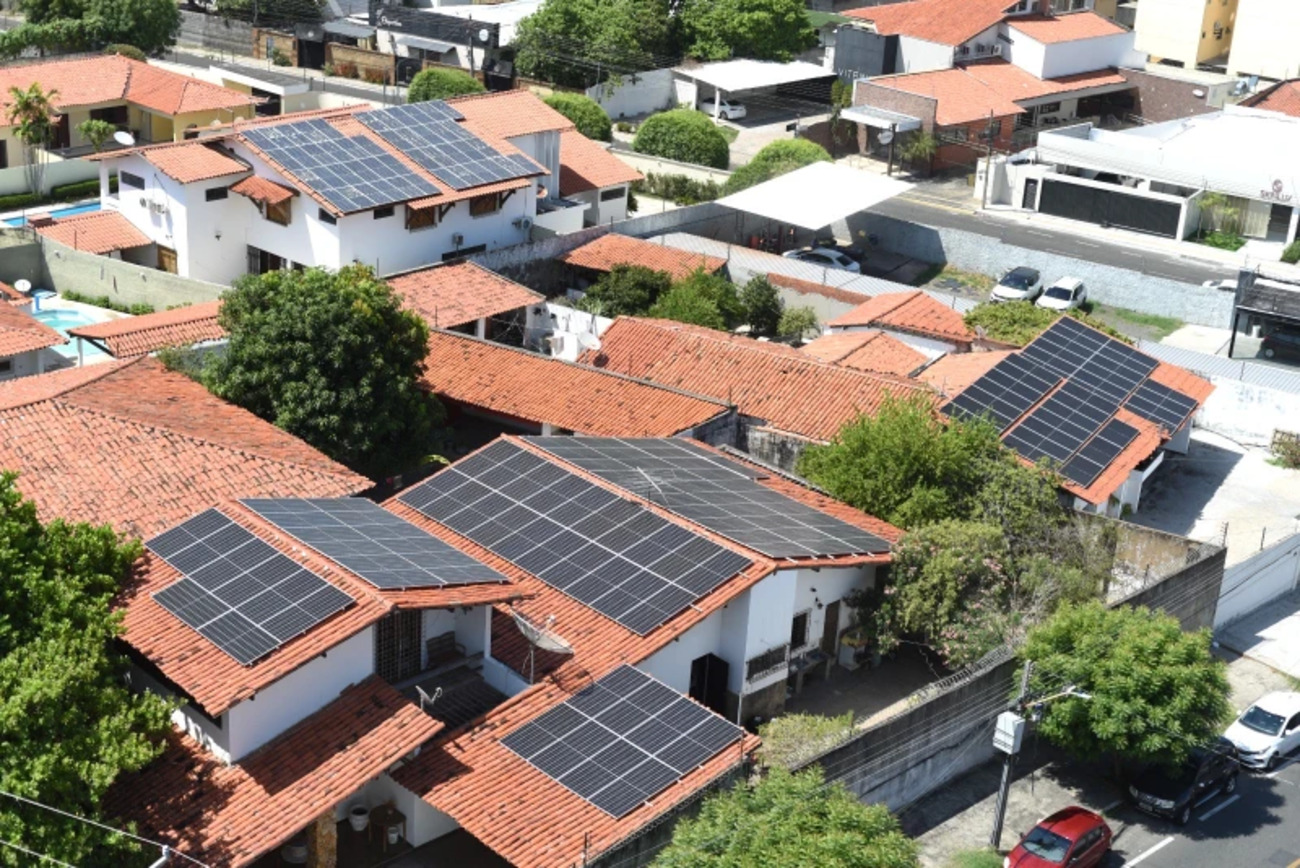
The Solar Sharer Scheme was born out of the need to balance the supply and demand for energy in a country that leads the world in solar panel use per capita. Australia, with its vast sunny territory, has always had ideal conditions to invest in photovoltaic energy.
However, the rapid growth of this sector has created a technical challenge: overproduction during the hours of highest sunlight. Since electricity cannot be easily stored on a large scale, the most efficient solution found was to offer it for free during a daily period. This way, consumption shifts to times when there is more energy availability, easing pressure on the electrical grid and reducing waste.
According to Energy Minister Chris Bowen, the program should not be seen as a magic solution but as a practical and accessible incentive. He stated that all citizens can benefit, whether or not they have solar panels at home or are renters.
How Free Solar Electricity Will Work
To participate in the scheme, consumers will only need to sign up for the program and have a connected energy meter. This will allow them to benefit from three hours of free electricity daily, right during the peak solar production times.
This proposal creates a direct incentive for energy behavior change. Families and businesses that adjust their habits to use more electricity during free hours will experience immediate reductions in their electricity bills. Furthermore, the national electrical system also benefits, as demand becomes more balanced throughout the day.
The plan will initially be implemented in New South Wales, South Australia, and southeastern Queensland. After the testing period, the intention is to expand it nationwide. This experimental phase will allow for technical adjustments and assessments of economic and environmental impacts.
More than just a one-time action, the program represents a new model of energy consumption, where citizens actively participate in resource management and contribute to climate balance.
Clean Energy and Environmental Goals
The Australian government has ambitious goals. Since 2022, the country has been aiming to achieve 82% of electricity from renewable sources by 2030. At the same time, the goal is to reduce greenhouse gas emissions by 43% compared to 2005 levels.
These goals reflect the global urgency for a fair and sustainable energy transition. Australia, historically dependent on coal — one of the most polluting resources — is redirecting billions of dollars towards investment in solar and wind energy.
This movement, although recent, is already beginning to yield significant results. Each year, the number of households equipped with solar panels increases, and the integration of renewable energies into the electrical matrix grows consistently.
Moreover, free solar electricity has the potential to encourage conscious energy use. By providing a tangible benefit, the government creates a link between environmental goals and the daily lives of the population.
Economic and Social Impacts
In recent years, electricity costs have risen significantly, with a forecasted increase of about 10% by 2026. In this context, the provision of free energy represents financial relief for millions of families and a way to mitigate the impacts of energy inflation.
At the same time, the program can boost the green economy, generating jobs in areas such as photovoltaic system maintenance, grid modernization, and storage technology development.
From a social perspective, democratizing access to clean energy strengthens inclusion. Even those who lack the resources to install solar panels at home will be able to benefit from this sustainable matrix.
This way, the project expands the reach of renewable energy, making it part of the routine for all citizens. This is a crucial step in consolidating a sustainability culture as a collective and permanent value.
An Inspiring Model for the World
Australia stands out as a global reference in energy innovation. The Solar Sharer Scheme, besides solving a technical problem, also presents itself as a replicable model for other countries facing the same challenge: balancing solar energy production and consumption.
In sunny climate nations like Brazil, Chile, and South Africa, the Australian example can serve as an inspiration for similar public policies. By promoting free solar electricity, the government shows that it is possible to align economy, environment, and social well-being in a single strategy.
This approach reinforces the idea that the energy transition is not only technological but also cultural. As people adapt their habits and understand the value of clean energy, the planet benefits as a whole.
The Future of Energy in Australia
The full implementation of the program by 2026 will be a milestone. However, challenges remain. It is necessary to ensure adequate infrastructure, improve energy storage systems, and increase the capacity of the electrical grid to meet growing demand.
Even so, the country demonstrates a consistent commitment to sustainability. The balance between production, consumption, and technological innovation reinforces Australia’s position as one of the most advanced nations in the fight against climate change.
In the future, the expectation is that the model of free solar electricity will evolve, integrating other renewable sources like wind and green hydrogen. This integration can solidify an even more stable, diversified, and clean matrix.
By combining effective public policies, technology investments, and social engagement, Australia signals a new chapter in the history of global energy. After all, making solar energy accessible and free is more than an economic decision — it is a commitment to the future of the planet.









Seja o primeiro a reagir!