





 Portuguese
  English
  Spanish
  5 min of reading
  0 comments


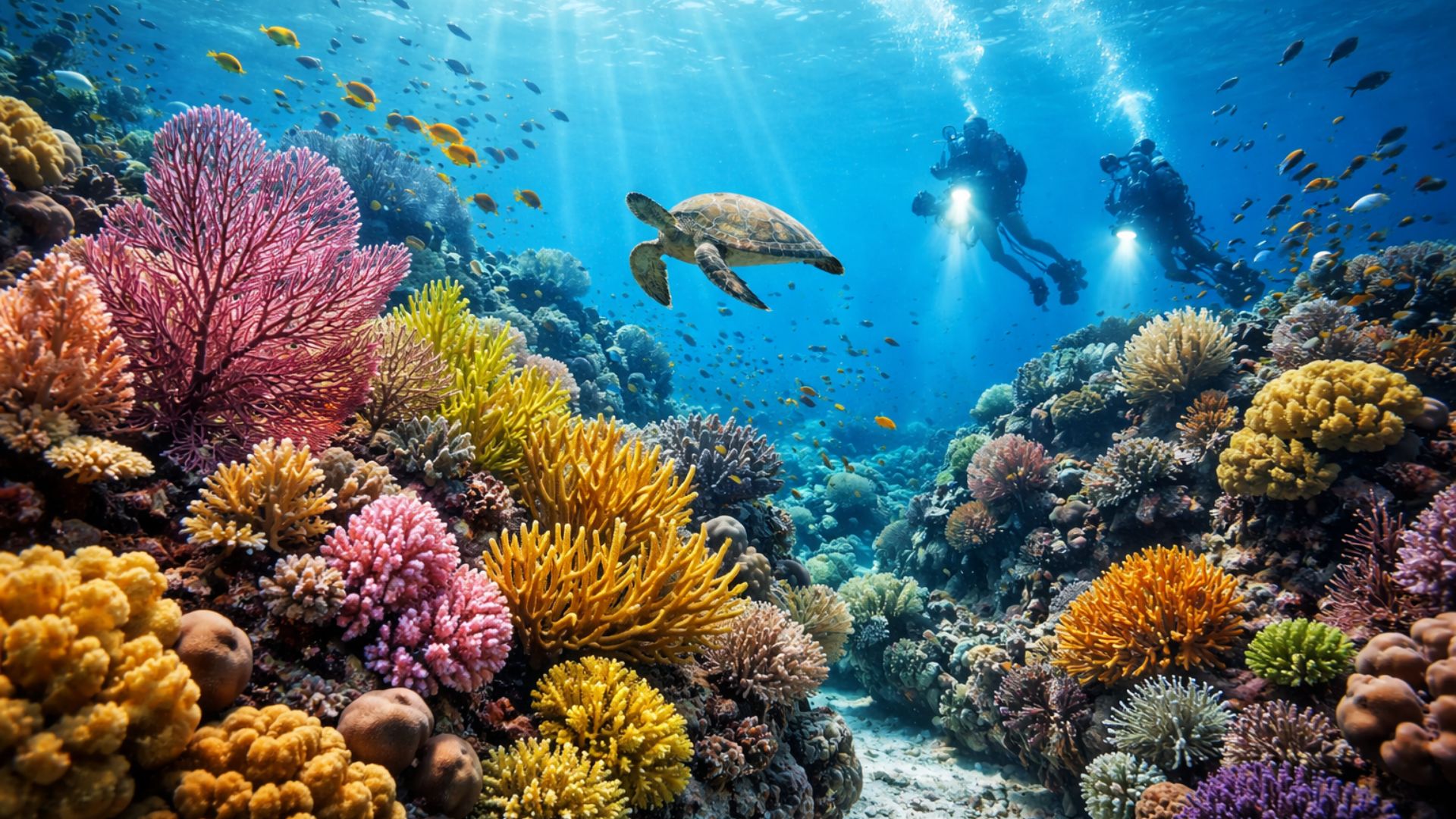
BNDES Launches SER Corals Project with Investment of R$ 5.5 Million to Monitor and Restore Coral Reefs Along the Brazilian Coast. The Initiative Strengthens Sustainability, Boosts Marine Science, and Integrates the Blue Economy Strategy
On February 13, 2026, the National Bank for Economic and Social Development officially announced the hiring of the first project of the BNDES Coral Program. The initiative, named SER Corals, will map and monitor shallow reefs along approximately 2,800 kilometers of the Brazilian coast, with an investment of R$ 5.5 million in non-reimbursable resources from the Socio-Environmental Fund.
The project will be carried out by the Nautilus Institute for Biodiversity Research and Conservation and will last for 36 months. The action is part of BNDES Azul, a strategy launched in January 2024 aimed at ocean conservation, climate change adaptation, and strengthening the blue economy in the country. This is the largest public call ever made in Brazil dedicated exclusively to the conservation and regeneration of coral reefs.
BNDES Boosts SER Corals and Reinforces Coral Reef Sustainability
Since the announcement, the initiative has been considered a milestone in the Brazilian environmental agenda. In addition to strengthening national science, the project expands the capacity for large-scale marine monitoring and creates technical foundations for more effective public policies.
-
Embrapa’s discovery reveals an unexpected advancement by allowing the production of seedlings from the caatinga using brackish water, opening a new frontier for farmers to face drought more efficiently.
-
6 sources of free fertilizer that you are throwing away every day and can transform your garden without spending anything.

-
With a water crisis on the radar, Sabesp invests in reclaimed water for data centers and transforms sewage treatment into a solution that saves millions of liters and protects public supply.

-
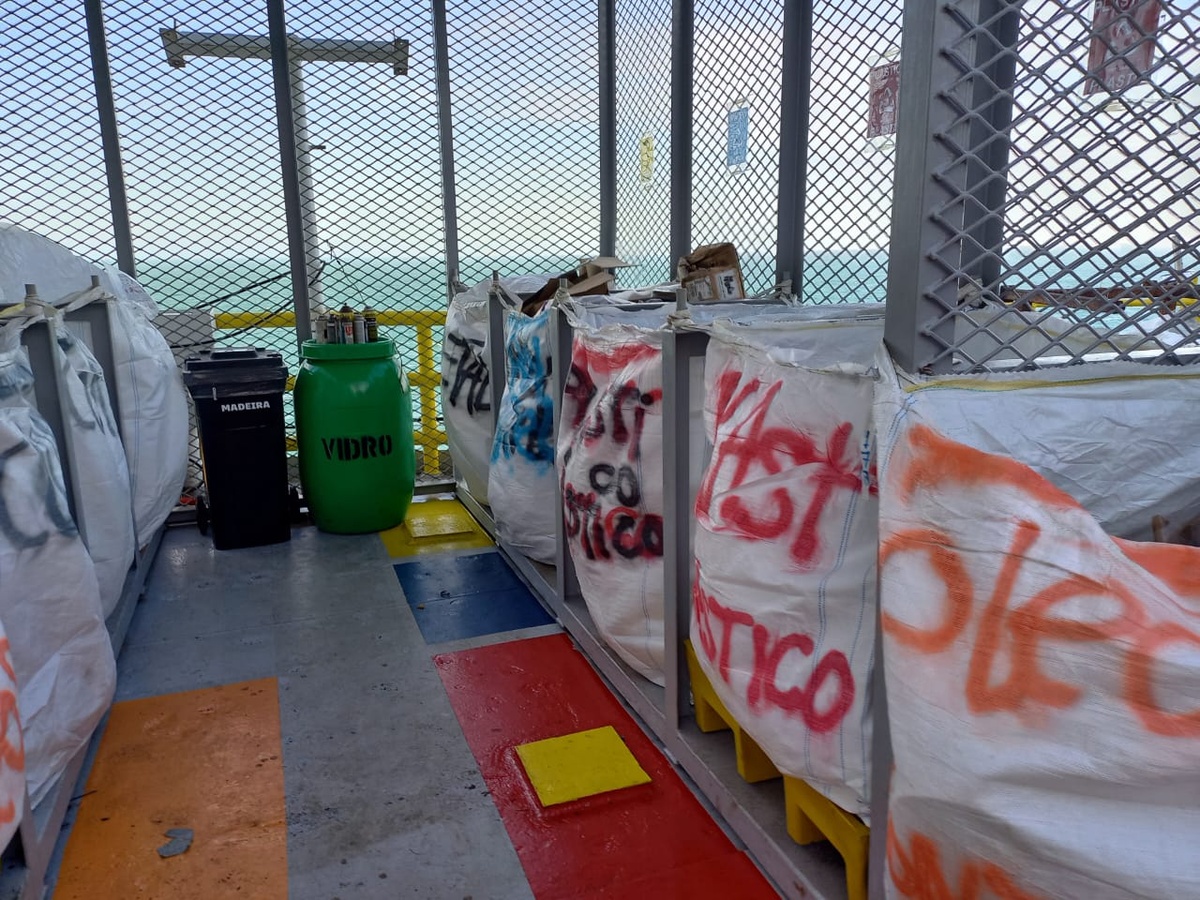
Foresea achieves 100% offshore waste reuse in 2025, eliminates landfill disposal, and consolidates sustainable strategy with 1,500 tons recycled.

The launch of the project reinforces BNDES’s commitment to sustainability and the protection of marine ecosystems. The BNDES Coral Program has been structured to support scientific monitoring actions, ecological restoration, combating invasive species, and promoting sustainable economic activities associated with reefs.
According to the bank’s president, Aloizio Mercadante, coral reefs are fundamental for marine biodiversity, coastal protection, and fishing and tourism activities. The investment demonstrates that environmental conservation and economic development can walk hand in hand.
Additionally, the project is aligned with the Ocean Science Decade for Sustainable Development and the United Nations Decade on Ecosystem Restoration. It also directly contributes to Sustainable Development Goals 8, 12, 13, and 14, which address decent work, responsible consumption, climate action, and life below water.
Monitoring Coral Reefs Along the Brazilian Coast
SER Corals will conduct scientific expeditions, technical dives, and systematic environmental data collection. The monitoring will cover about 2,800 kilometers of the Brazilian coast, including the two main coral banks in the country: Abrolhos, in Bahia, and Parcel Manuel Luís, in Maranhão.
Among the planned activities are assessing coral coverage, monitoring associated species, and identifying the presence of invasive exotic species. A total of 28 species will be monitored and the distribution of two priority invasive species will be analyzed.
Additionally, the project will support at least ten marine conservation units. Technical maps and scientific reports will be produced to support strategic decisions in coastal management. Therefore, continuous monitoring will allow the identification of environmental changes and guide preventive measures. The central focus is to monitor the health of shallow reefs and expand scientific knowledge about these ecosystems.
Distribution of Actions and Environmental Relevance Along the Brazilian Coast
The project’s actions will be distributed among the states of Bahia, Alagoas, Ceará, Espírito Santo, Maranhão, Paraíba, Pernambuco, and Rio Grande do Norte. Bahia will concentrate 30% of the actions, while the other states will have a proportional participation of 10% each.
This distribution reflects both the extent of reef areas and their environmental and socioeconomic importance. Reefs play an essential role in coastal protection, acting as natural barriers against erosion and extreme events.
Additionally, 43 technical events and workshops are planned throughout the execution. Thus, the project enhances the capacity of professionals, strengthens research networks, and disseminates knowledge applied to marine conservation.

BNDES Initiative: Innovation, Ecological Restoration, and Applied Science Strengthen Coral Reefs
The project is not limited to monitoring. It also includes practical actions for ecological restoration, including in situ coral cultivation experiments, with nurseries at sea, and ex situ, in a laboratory environment.
Genetic diversity tests and initiatives for the reconstitution of degraded areas will be carried out, with a focus on the Sustainable Development Reserve of Coroa Alta, in Bahia. These actions are fundamental to increase the resilience of reefs in the face of climate change.
Furthermore, an application will be created to trigger the General Alert Protocol, Early Detection, and Rapid Response for invasive species in the marine environment. This tool will strengthen the national monitoring and response system for bioinvasions. The combination of technology, scientific research, and practical restoration places the project in a strategic position within the Brazilian environmental agenda.
Blue Economy, Sustainability, and Local Development
SER Corals integrates BNDES Azul, an initiative that recognizes the strategic role of the so-called Blue Amazon, the Brazilian maritime area of about 5.7 million km². The proposal is to promote the sustainable use of ocean resources and foster economic development with social inclusion.
Coral reefs sustain important production chains, especially artisanal fishing and sustainable tourism. Therefore, protecting these ecosystems means preserving jobs, income, and food security for coastal communities.
The project expands community-based tourism actions already developed by the Nautilus Institute in Santa Cruz Cabrália, Bahia. In the communities of Santo Antônio and Santo André, training, entrepreneurship workshops, and support for local productive structure are planned.
The expectation is to directly benefit about 230 families. By generating alternative income, the initiative reduces pressure on predatory fishing and strengthens sustainability.
BNDES Investing in Applied Science and Addressing Climate Change
Coral reefs are among the most threatened ecosystems on the planet. The increase in ocean temperature, pollution, and unplanned urbanization intensify bleaching and degradation events.
In this context, the continuous monitoring promoted by the project will allow the identification of local stress factors and guide mitigation strategies. Additionally, the data collected will contribute to more efficient public policies based on scientific evidence.
The alignment with the National Action Plan for Coral Reef Conservation reinforces the integration between research, management, and decision-making. Thus, the project strengthens environmental governance along the Brazilian coast. Investing in science is essential to ensure the resilience of reefs in the face of climate change.
A New Milestone for Coral Reef Protection Along the Brazilian Coast
The launch of SER Corals represents a significant advancement in marine conservation in Brazil. With an investment of R$ 5.5 million and a duration of 36 months, the project expands scientific monitoring, strengthens ecological restoration, and integrates social and economic actions.
By uniting research, technology, social inclusion, and sustainability, BNDES consolidates a long-term strategy for coral reef protection. The initiative demonstrates that well-structured public policies can generate positive environmental impact while promoting development.









Seja o primeiro a reagir!