





 Portuguese
  English
  Spanish
  4 min of reading
  0 comments


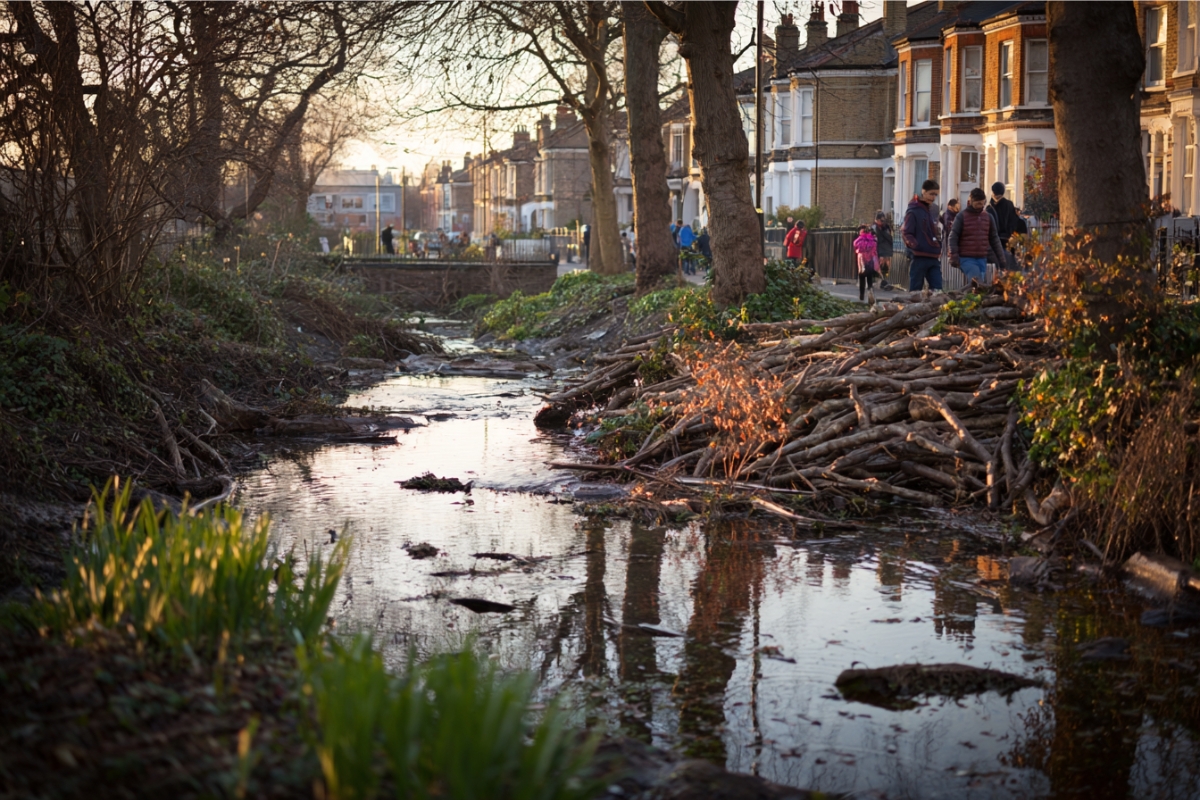
Beavers Return to London After 400 Years, Help to Contain Floods in Urban Parks and Bring Residents Closer to Nature with Free Night Tours
Reintroduced beavers in green areas of London are changing the way the city deals with floods and interacts with nature in the metropolitan region.
In parks surrounded by residential neighborhoods and commercial centers, these animals build dams, dig channels, and create ponds that act as large sponges for rainwater, reducing the impact of storms and creating ideal settings for night safaris organized by local groups.
This movement has turned the return of the species into a symbol of urban rewilding, a concept that brings natural processes back into the city and uses animal behavior as part of the environmental infrastructure.
-
Oldest tree on the planet reappears after 130 years of searches: Wattieza, 385 million years old, was 10 meters tall and had no leaves or seeds; Gilboa fossils in New York solved the mystery in 2007.

-
A 48-square-meter house assembled in hours with 4,000 bricks made of recycled plastic that does not absorb moisture, has natural thermal insulation, and costs less than 90,000 reais in a complete kit.

-
Luciano Hang revealed that Havan’s air fleet has already accumulated more than 20,000 landings, 10,000 flight hours, and 6 million kilometers traveled, and he says that without the planes, the company would never have grown so quickly.

-
A historical discovery in the Andes Mountains reveals a gold deposit valued at 770 billion reais hidden over 4,000 meters above sea level on the border between Chile and Argentina, and the whole world is watching.


In London, the presence of beavers reorganizes water in certain parks, creates wetlands, increases biodiversity, and transforms common areas into a living laboratory for adapting to climate change, directly impacting those who live nearby.
Reintroduction in Enfield and Ealing Marks the Return of Beavers After 400 Years

For about 400 years, beavers have been absent from England due to intensive hunting for their pelts and other products.
This scenario began to change with reintroduction programs in rural areas and later with projects in selected sections of the capital, where the animal came to be seen as an important part of ecological restoration and water management strategies.
Regions such as Enfield and Ealing received families of beavers in enclosed areas within urban parks, in regions with watercourses, flood zones, and sufficient vegetation for dam and burrow construction.
In 2024, the first offspring were recorded in urban London after centuries, which confirmed the success of the species’ adaptation to current conditions and highlighted the potential of these spaces as biodiversity hotspots.
In Ealing, the wetland area known as Paradise Fields was designed to practically demonstrate the role of beavers in nature-based solutions, combining trails, flooded areas, and observation points.
Residents can closely observe the evolution of the structures built by the animals and notice how each dam impacts water dynamics, vegetation, and the presence of other species nearby.
Beaver Dams Transform Parks into Natural Sponges Against Floods
Beavers act as true ecosystem engineers, as they constantly and cumulatively modify the flow of water.
By building dams of branches and mud, they create ponds and spread water through channel networks, which slows down runoff speeds, increases infiltration time into the soil, and helps retain some of the intense rainfall within the park itself.
This behavior transforms green areas into temporary retention zones, reducing pressure on rivers and drainage systems that are already operating at their limits during heavy rainfall events.
As a result, the flood peaks that hit neighborhoods, roads, and nearby structures are softened, enhancing water security in a city exposed to increasing flood risks.
In addition to controlling water, the dams promote ecological recovery of parks, forming ponds, saturated margins, and new vegetation strips.
These environments favor amphibians, insects, waterfowl, and small mammals, increasing the diversity of plants adapted to wet soil and creating cooler microclimates amid the heated urban landscape dominated by impermeable surfaces.
Night Safaris in Paradise Fields Bring Residents Closer to Beavers

The public’s interest in the return of beavers has led to the creation of night safaris and guided walks at dawn and dusk, organized by community groups and local projects.
During these visits, residents observe gnawed trees, trails of dragged branches, newly reinforced dams, and, with some patience, spot the animals swimming or working on their structures.
These tours serve as a tool for environmental education, explaining why some sections of the park appear wilder and how this change helps protect the city against floods.
Activities have a limited number of participants, set times, and planned routes to reduce disturbances, which preserves the well-being of the animals and keeps the area safe for visits.
The safaris help build local support, as they show that fallen trunks, irregular banks, and flooded areas are part of a climate adaptation strategy based on natural processes, not just concrete works.
This increases residents’ willingness to accept a less uniform landscape and to participate in monitoring, volunteering, and dialogue about the future of the parks.
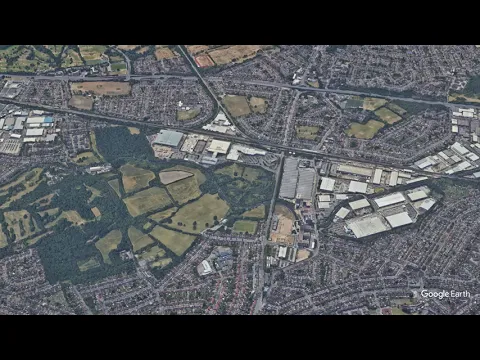

Enclosed Areas Function as a Laboratory for Coexistence with Beavers in London
The presence of beavers in a metropolis like London requires constant attention, especially due to their proximity to bike paths, roads, railways, and other water-sensitive structures.
For this reason, the animals are kept in enclosed areas within the parks, allowing for control over dam expansion, avoiding direct impacts on slopes and critical infrastructure, and accurately recording the behavior of the families settled there.
This format serves as a true laboratory for coexistence, preparing the city for a scenario where beavers might spread from other basins where they have already been reintroduced.
The knowledge accumulated in these parks helps to define rules for tree management, maintenance of banks, possible adjustments in dams, and communication strategies with the public, reducing future conflict risks.
London’s experience has become a reference in discussions about nature-based solutions applied to large urban centers.
The balance between security, leisure, conservation, and climate adaptation shows that it is possible to integrate engineering fauna into urban planning without compromising the protection of residents and infrastructure, as long as there is technical monitoring and active community participation.
In a scenario of increasingly unstable weather, the combination of natural sponges, increased biodiversity, and night safaris illustrates how a species absent for centuries has returned to play a crucial role in protecting a major city against floods and climate extremes.








Seja o primeiro a reagir!