





 Portuguese
  English
  Spanish
  5 min of reading
  0 comments


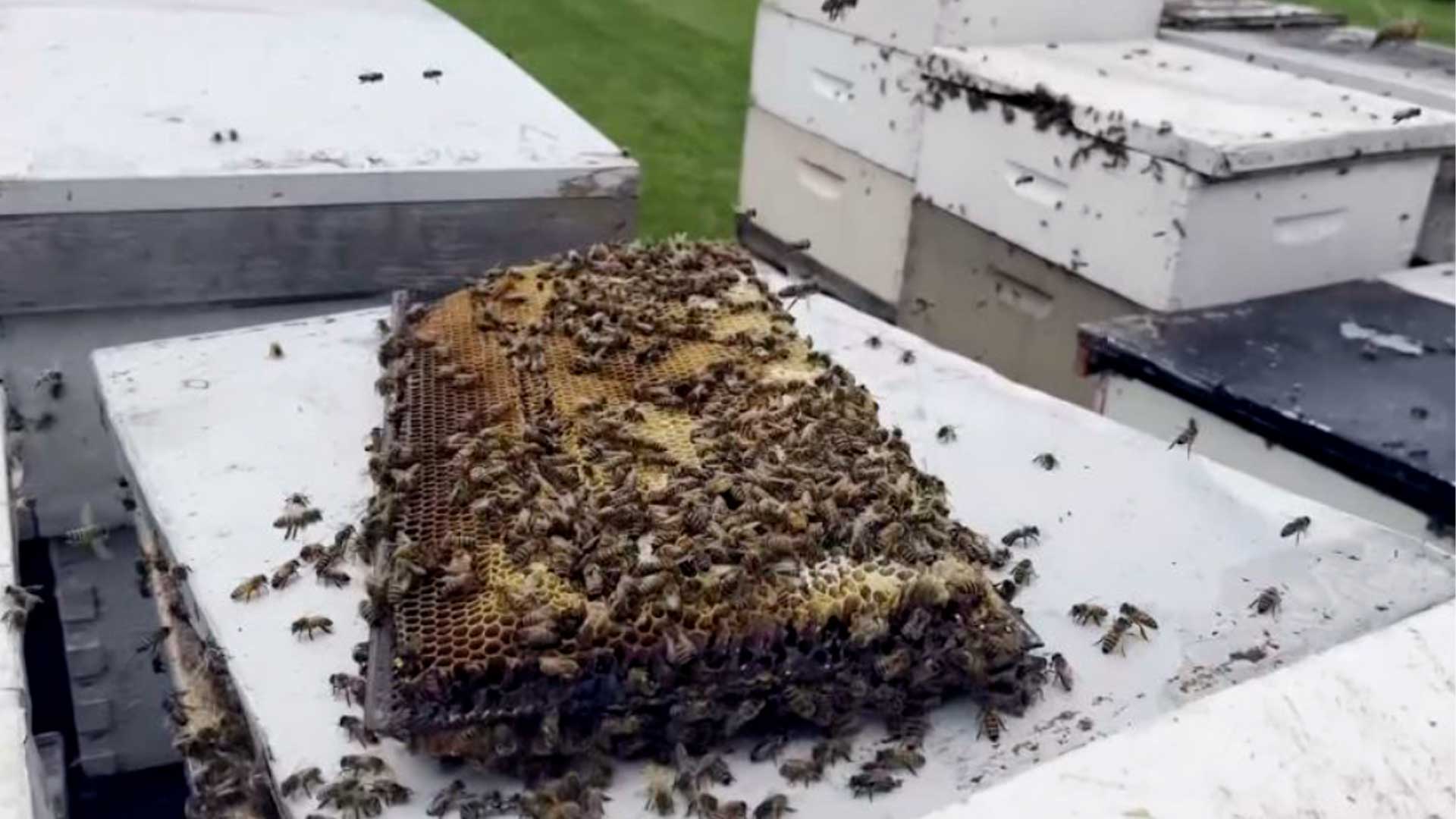
A Solitary Bee From Europe Became Central to Alfalfa Pollination in Canadian Prairies and Opened Its Own Market for Rearing, Rent, and Biosecurity. The Model Increased Seed Production in North America and Now Sets Logistics and Health Rules for Millions of Insects
The Canadian alfalfa seed industry relies not only on climate and irrigation. It also depends on a small, solitary, and highly managed pollinator, the Alfalfa Leafcutter Bee (Megachile rotundata), bred on a large scale and housed in “hotels” spread across the fields.
According to the Canadian Food Inspection Agency, pollination with this species supports alfalfa seed crops in Alberta, Saskatchewan, and Manitoba, in a sector that the agency describes as valued at US$ 40 million at the farm level.
What seems like a rural curiosity is, in practice, an industrial-standard chain. There are density rules per area, a schedule for nest removal, cold storage, incubation, and an entire chapter dedicated to diseases and pests, because concentrating millions of individuals in the same system has sanitary costs.
-
Church from 1888 becomes a mansion of over 330 m² in Canada after a renovation of R$ 3.4 million and is eventually sold for nearly R$ 4.3 million.

-
How an innovative city combines high technology, well-being, and sustainability to become the largest reference in clean energy on the planet.

-
Couple buys 1846 church in ruins for R$ 660,000, invests R$ 3.2 million in renovations, transforms it into a millionaire mansion, and even preserved a historic cemetery with over 300 graves.

-
He started running at 66 years old, broke records at 82, and is now a subject of study for having a metabolic age comparable to that of a 20-year-old, in a case that is intriguing scientists and inspiring the world.


And there’s a detail that helps explain why this bee became a protagonist. The alfalfa flower has a mechanism that “triggers” pollen and stigma when a visitor presses the structure, which makes pollination irregular when visitation is inefficient, as previous analyses on the topic and the production jump after the intensive management of this bee have pointed out.
Why Alfalfa Pollination Became a Bottleneck and Why This Bee Gained Its Own Market
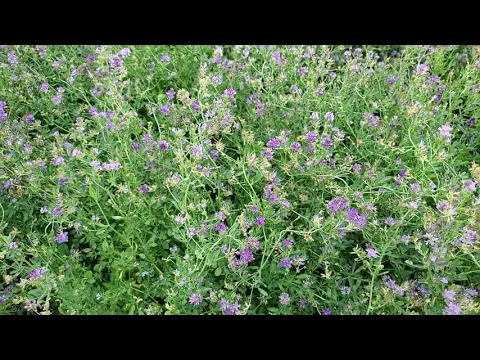

The Megachile rotundata spread as a solution because it adapts well to artificial nests and allows for mass management. A scientific review published in 2011 describes how nest management of this species transformed the alfalfa seed industry in North America, tripling seed production compared to the previous scenario.
The impact wasn’t limited to alfalfa. In Canada, the same biosecurity document from the CFIA states that these bees also provide about half of the pollination needed to produce hybrid canola seed, a segment that the text associates with US$ 325 million in annual farm receipts.
A sector overview report by the Canadian government also records this approximate division in hybrid canola, attributing half the work to honeybees and the other half to leafcutter bees.
How Bee Hotels Work and the Management That “Resets” the Season Every Year
The “hotel” is not a garden ornament. In practice, they are shelters with nesting blocks repeatedly positioned throughout the plot, creating breeding points for solitary females that work in parallel, each in their own cavity.

Manitoba, for example, describes the system with numbers. The province cites that there are specialized producers and that the placement rate can reach tens of thousands of bees per acre, with shelters distributed in the fields, and that the species is kept over winter and then undergoes controlled incubation to emerge in spring.
In simpler terms, the producer “rents time” from the insect. He places the nests when alfalfa enters the flowering period, collects the material before or around the seed harvest, and stores the cocoons for use in the following year, which transforms pollination into a planned input.
This annual flow explains why the sector speaks of bee logistics, almost as if they were seeds. A page from the government of New Brunswick, when discussing use in other crops and services, cites annual production at the scale of billions of individuals in the country, indicating the size of the managed stock.
Diseases in High Density and Why Biosecurity Became Part of the Cost of Pollination
When many bees are concentrated in a system of reusable nests, disease ceases to be a misfortune and becomes a production variable. The CFIA frames biosecurity as practices to reduce the entry and spread of pathogens and pests inside and outside the property, exactly because the model relies on movement and reuse of material.
One of the most cited diseases in the management of the species is chalkbrood, caused by a fungus that affects larvae. A technical guide describes the disease, identifies the agent, and warns about the spread by spores and contaminated equipment.
Research in entomology also describes the logic of risk and the sector’s response. An article details that the “loose cell” system was developed precisely to reduce the spread of chalkbrood by removing and handling cocoons outside the nesting plates, with cleaning and storage being more controlled.
The Economy Behind the Insect and the Controversy Growing Along with the Business
Canada not only uses this bee, but also organizes a market for rearing, replenishment, and service. Manitoba even reports the sale of surpluses to the United States and other markets, showing that bee production can become a revenue stream separate from seeds.
Saskatchewan, in turn, has a formal structure of producers and a development commission linked to the alfalfa seed sector and the management of leafcutter bees, with a history of consultation and applied research funded by levies from the sector itself.
The sensitive point is that the solution is an imported and intensively managed species, which requires governance to prevent sanitary losses and reduce the risk of transferring problems to other pollinators. An educational material from the Canadian agricultural sector lists concerns about diseases and highlights the debate about impacts on native bees and responsible management.
In the end, the “bee hotel” becomes a symbol of a modern dilemma. The field wants predictability to produce seeds, but predictability comes at the cost of management, transportation, storage, and health, which transforms an insect into an economic asset and also into a potential source of controversy.
What do you think of this model? Is it an intelligent solution or a dangerous dependency on an imported pollinator at an industrial scale? If you were a producer, would you trust more in bee hotels or would you bet on recovering native pollinators even at the risk of lower harvests? Leave your opinion in the comments and share where you think this market might go wrong.







Seja o primeiro a reagir!