





 Portuguese
  English
  Spanish
 3 min of reading
  0 comments


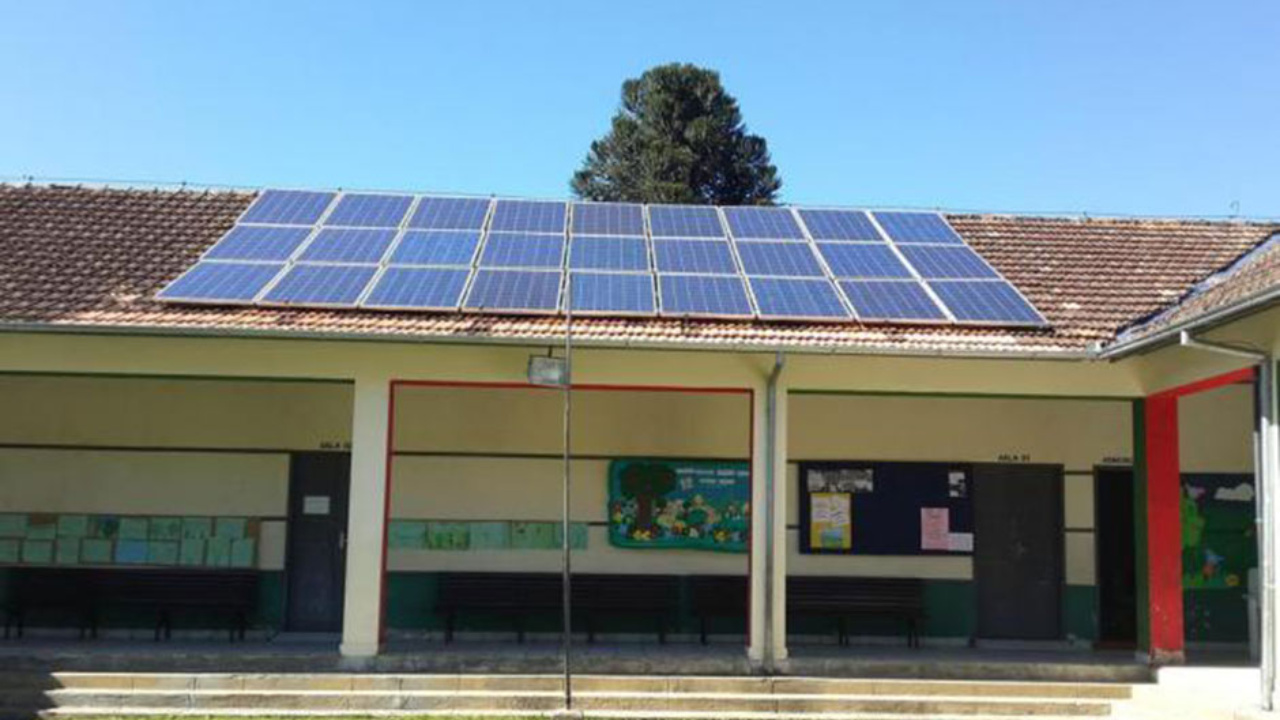
Project Approved in 1st Round by Belo Horizonte City Council Authorizes the Installation of Solar Energy in Municipal Schools, Prioritizing Units in Vulnerable Areas and Anticipating Environmental Education Actions.
The Belo Horizonte City Council has taken an important step towards expanding the use of solar energy in the education system.
With wide approval from the councilors, Bill 234/2025 authorizes the Executive to implement photovoltaic systems in municipal schools.
The proposal, which also includes environmental awareness actions, aims to reduce costs, encourage sustainable practices, and modernize the educational infrastructure of the capital of Minas Gerais.
-
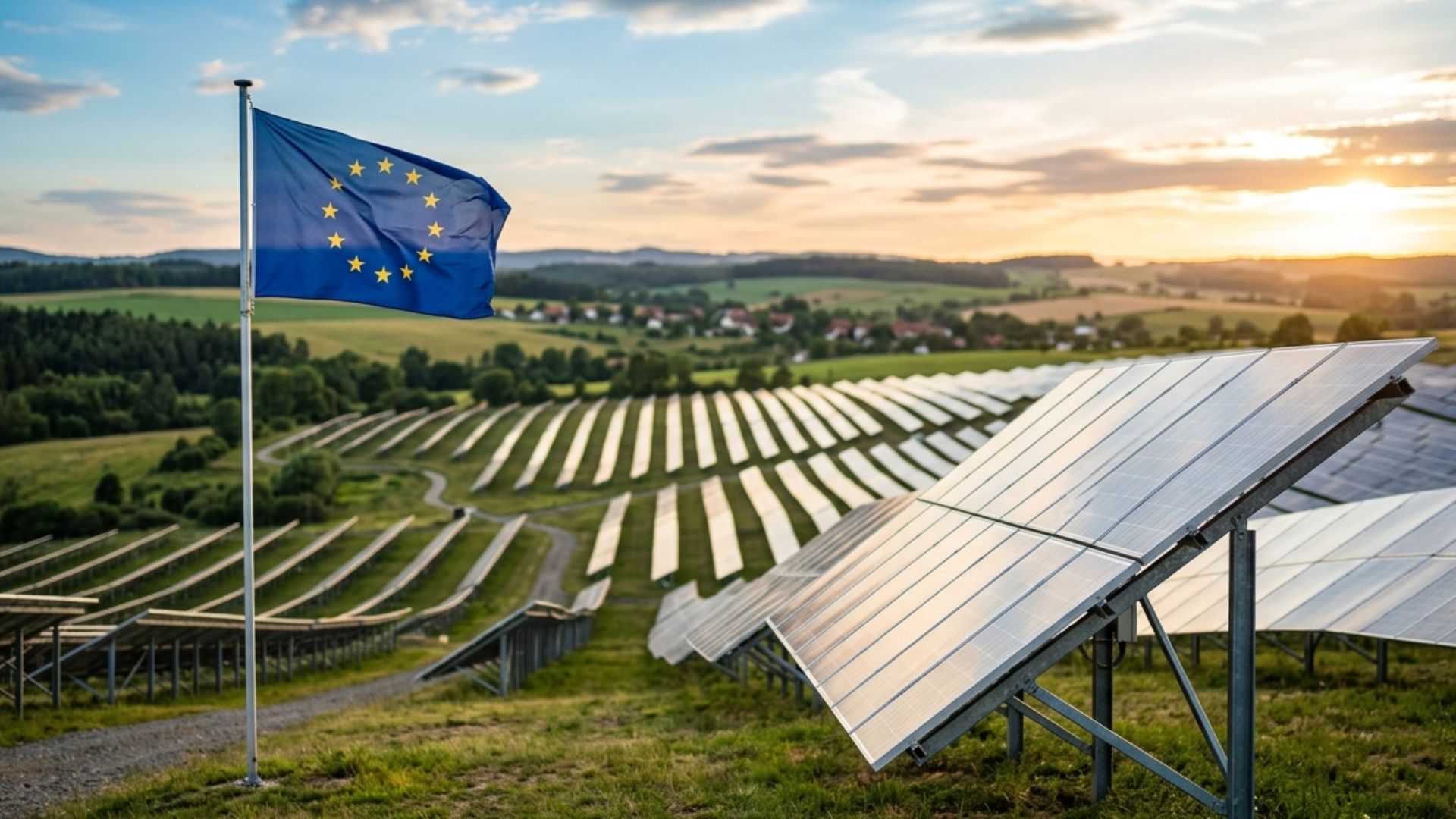
Europe records strong euro economy with solar energy in March and sparks curiosity about which country leads growth that redefines the energy market and reduces costs.
-
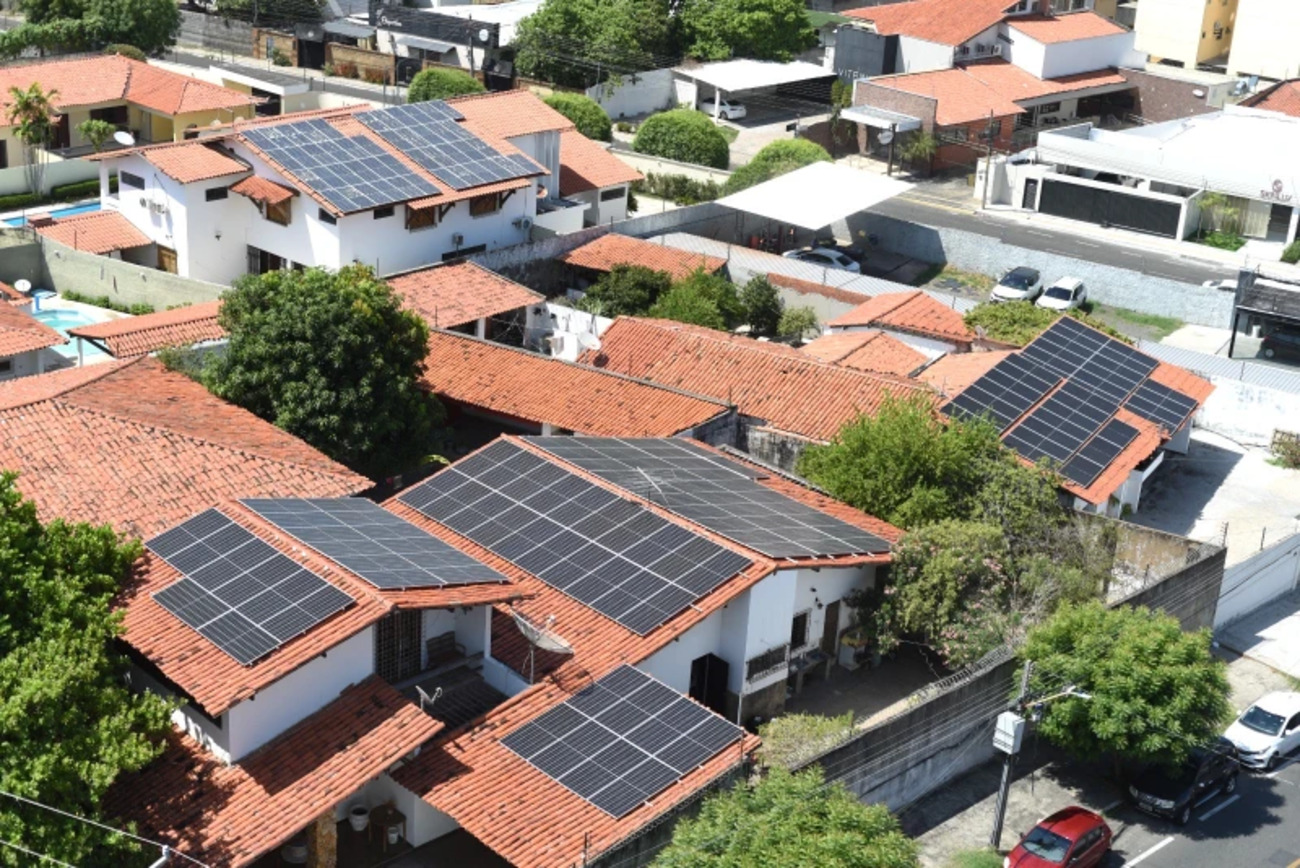
Piauí reaches a historic milestone in energy transition: State records nearly 160,000 households powered by solar energy and leads growth in the Northeast.
-
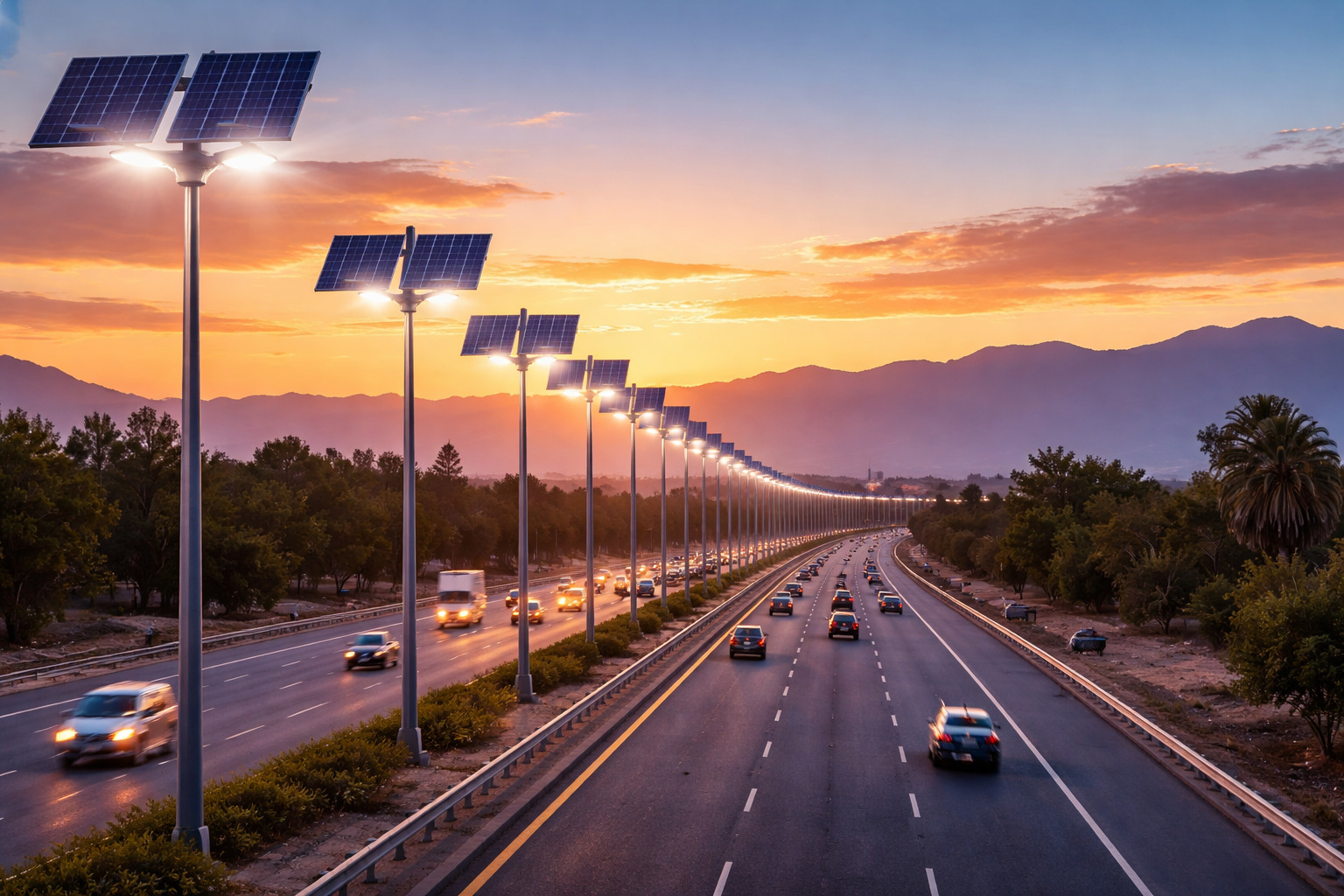
Argentina debuts its first 100% solar-powered highway and transforms an entire road into a showcase of clean energy.
-
Minas Gerais reaches a historic record and surpasses the power of Itaipu, but network costs generate debate: Understand why solar energy in MG impacts the electricity bill of those without panels.

Priority for More Vulnerable Regions
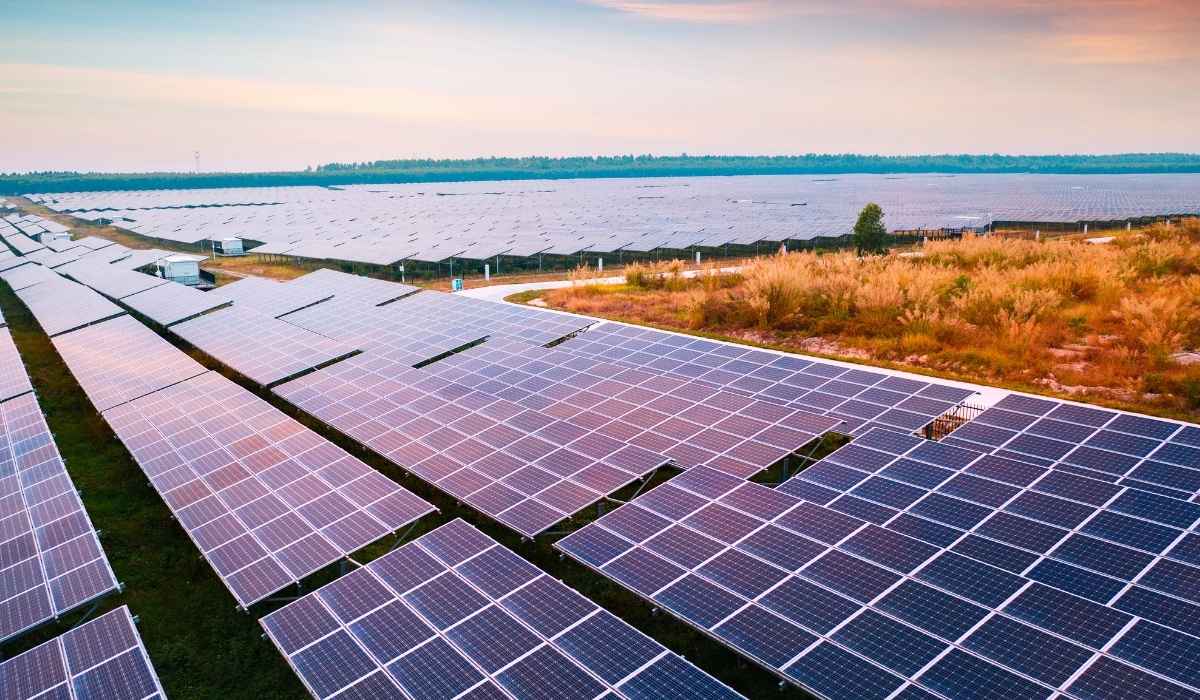
The text approved in the 1st round, with 38 votes in favor and none against, establishes that the implementation of solar energy must occur primarily in schools located in areas of greater social and economic vulnerability.
Additionally, units with higher electricity consumption will also be given preference, ensuring that the investment has a direct impact on public accounts and the daily lives of educational institutions.
Councilor Loíde Gonçalves (MDB), author of the proposal, explained in the Plenary that the initiative arose from visits to municipal schools. According to her, the topic of energy savings has been a recurring theme in conversations with directors and teachers.
“This project was born from visits to schools”, she stated, highlighting the need to expand sustainable solutions already discussed by the school community.
In addition to the installation of the systems, the text anticipates awareness and environmental education actions in the benefited schools. The proposal encourages the participation of students, teachers, and the community, reinforcing solar energy as a clean and renewable alternative.
By involving the entire education network, the project seeks to consolidate a sustainable culture and educate young people to be more aware of the responsible use of natural resources.
Monitoring and Evaluation of System Performance
Another central point is the continuous monitoring of the units that will receive the photovoltaic systems. The Executive must ensure technical oversight, measurement of the savings generated, and identification of maintenance needs.
This process, according to the project, ensures that each system operates efficiently and genuinely contributes to the reduction of electricity consumption.
This ongoing evaluation allows the municipal administration to have control over energy performance, increasing transparency and ensuring that the invested resources provide proven returns.
If there is surplus solar energy produced by the schools, the project anticipates reselling it to the electricity utility.
The amounts obtained should be directed, preferably, toward modernization and renovation of the education units, creating a virtuous cycle where energy savings generates future investments.
In this way, solar energy ceases to be merely a sustainability measure and becomes a financing mechanism for structural improvements, directly impacting students and staff.
Processing and Next Steps
Bill 234/2025 received favorable opinions from all the committees it went through in the 1st round: Legislation and Justice; Environment, Animal Defense and Urban Policy; Public Administration and Public Safety; and Budget and Public Finances. As the text received two amendments, it will return to the same committees in the 2nd round.
After this stage, the project will return to the Plenary for a final vote, where it must achieve at least 21 votes to be definitively approved.








Seja o primeiro a reagir!