





 Portuguese
  English
  Spanish
  2 min of reading
  0 comments


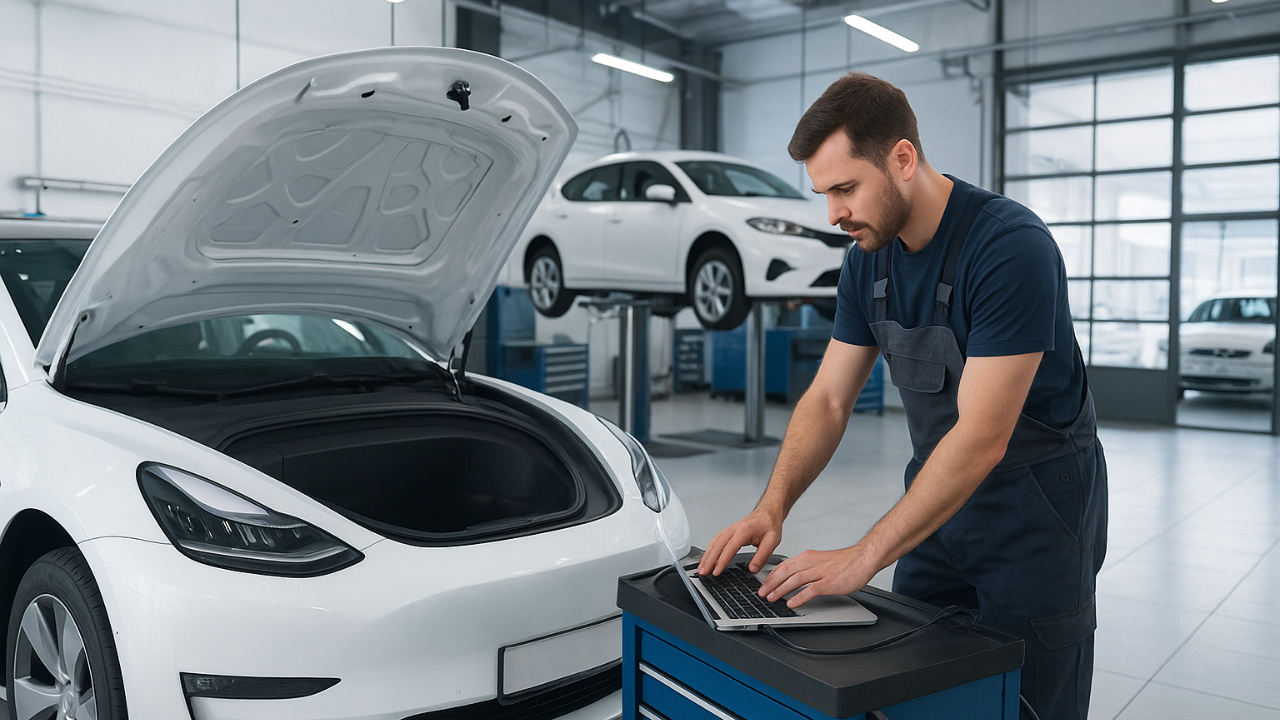
Study Shows That Electric Vehicle Workshops in Brazil Can Earn Up to R$ 5 Billion a Year by 2030, Driven by the Accelerated Growth of the Electrified Vehicle Fleet.
Workshops focused on maintenance of electric vehicles are on the radar of experts as one of the most promising sectors of the next decade. According to a study released this Monday (09/22), the segment could generate up to R$ 5 billion annually by 2030.
This significant growth reflects the advancement of automotive electrification in Brazil. Although the fleet is still small, the trend is for accelerated expansion, opening opportunities for independent companies that wish to operate outside of dealerships.
Independents Will Have a Significant Role in Maintenance
According to the survey, half of this billion-dollar market will belong to independent workshops. Within this group, about R$ 500 million is expected to be absorbed by medium-sized companies. The calculation considers that after the warranty period — between three to five years — electric vehicles will start seeking repairs outside the authorized network.
-
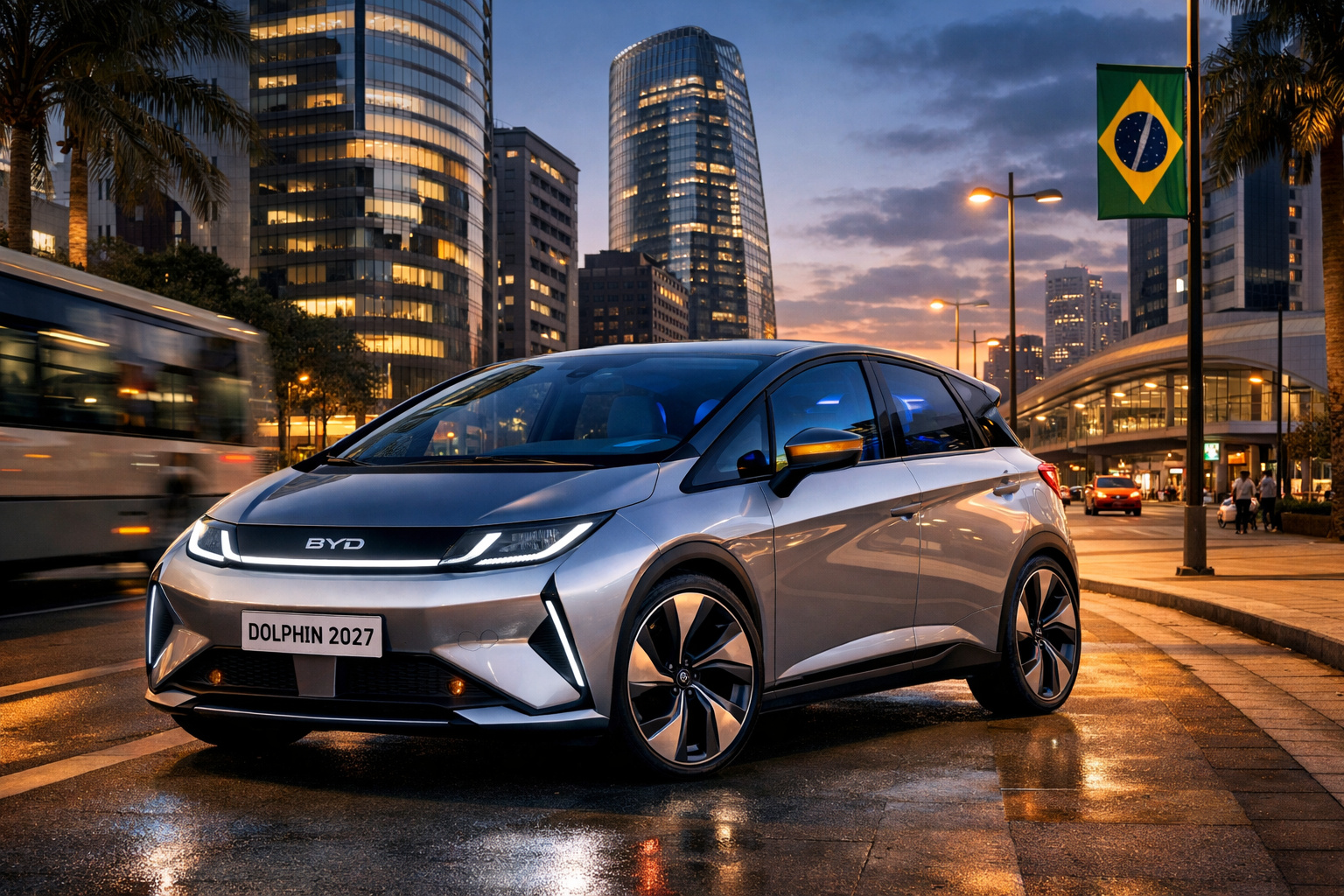
BYD Dolphin 2027 gains more power, increases in size, changes interior, and abandons controversial feature to face new competition in Brazil.
-
The German economist Wolf-Peter Schill has no doubts: “Electric cars are already far superior to cars with internal combustion engines.”

-
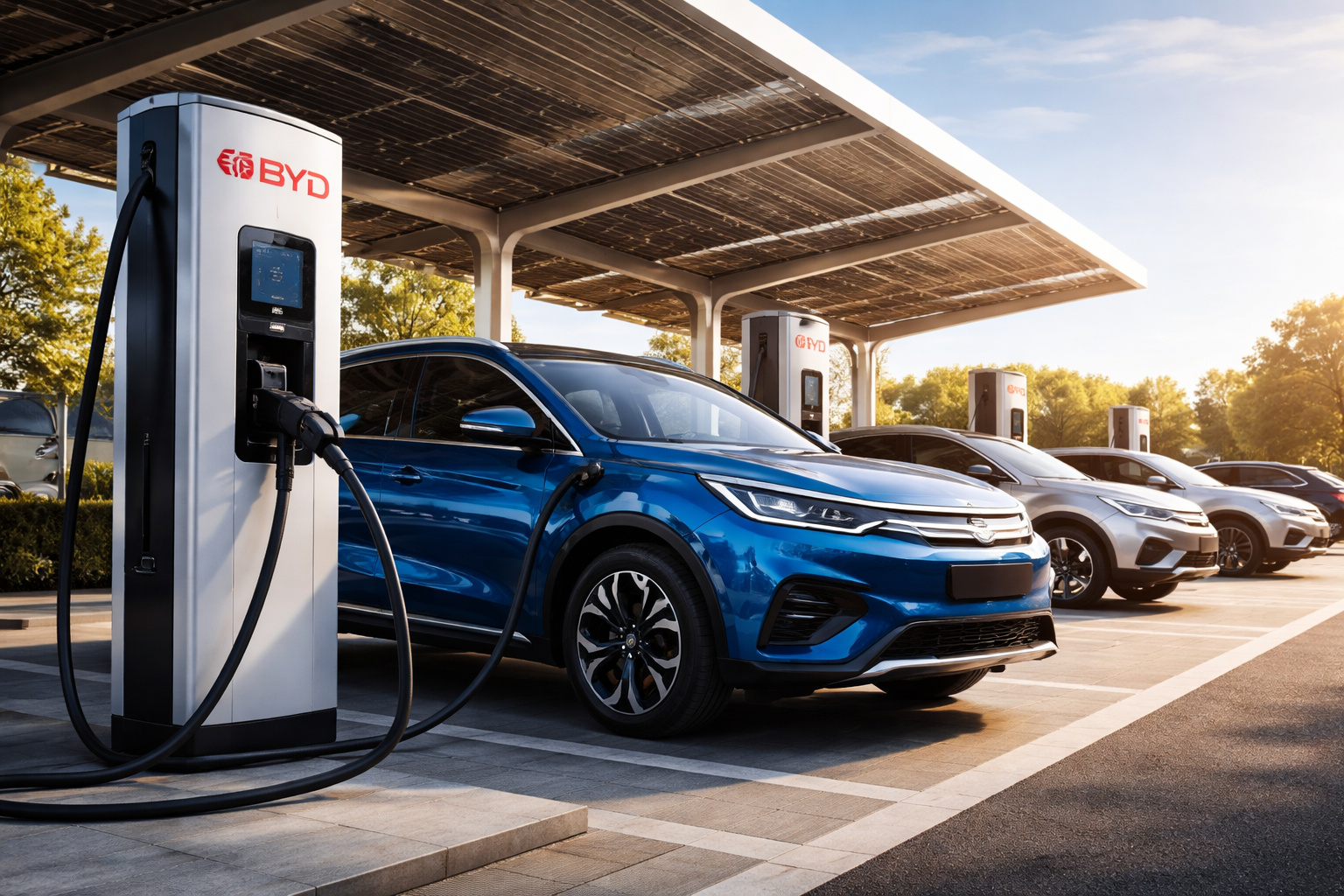
Largest public charging network in Brazil: BYD reaches 125 fast chargers and accelerates national expansion of electric mobility.
-
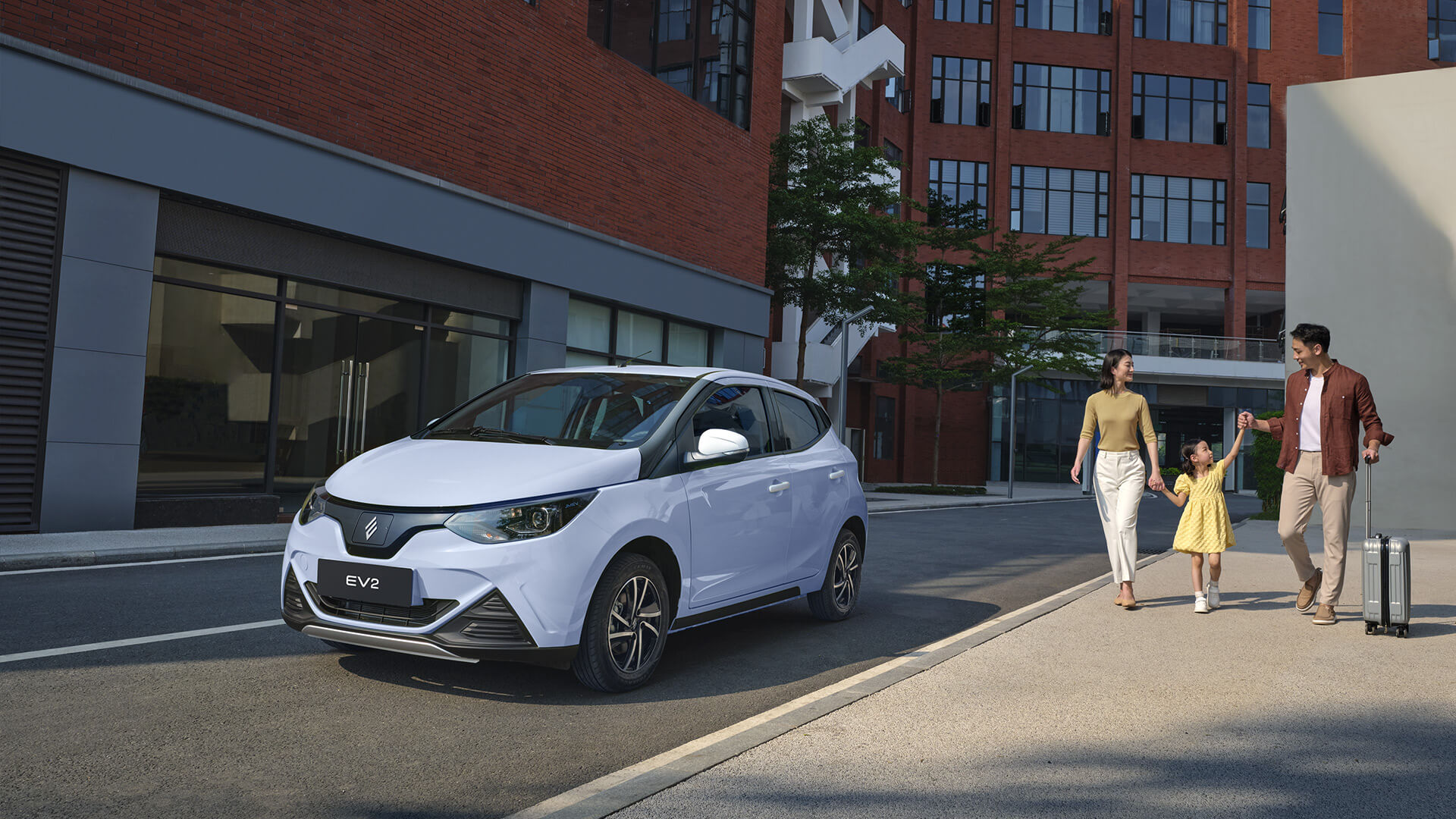
Goodbye expensive popular car: electric vehicle for less than R$ 70,000 starts being sold in Brazil with a range of 200 km and targets those looking to escape gasoline.

The estimates are based on a projected fleet of 2 million electrified vehicles by 2030, with an average annual spending of R$ 2,500 per car on maintenance. This amount includes specialized repairs, replacement of electronic parts, and updates of embedded software.
Despite still representing a small slice of the national fleet, the electric vehicle market is growing rapidly. In August 2025, Brazil recorded 25,297 registrations of electrified vehicles, with 7,603 fully electric ones. The growth was 48.8% compared to the same month in 2024.
From January to August, a total of 164,457 units were sold — a jump of 50.5% compared to the previous period. As a result, electrified vehicles now account for about 500 thousand units in circulation, equivalent to 1.1% of the national fleet.
Challenges for Electric Vehicle Workshops
Porto Digital warns that the biggest barrier may be the lack of qualified professionals. “Without qualified human capital, Brazil risks watching the electric revolution from the sidelines. We need to act now, with policies for retraining, promoting technical education, and supporting innovation. This includes infrastructure, certifications, diagnostic tools, and, above all, qualified human capital,” emphasized Luíz Maia, a professor at UFRPE and researcher at Porto Digital.
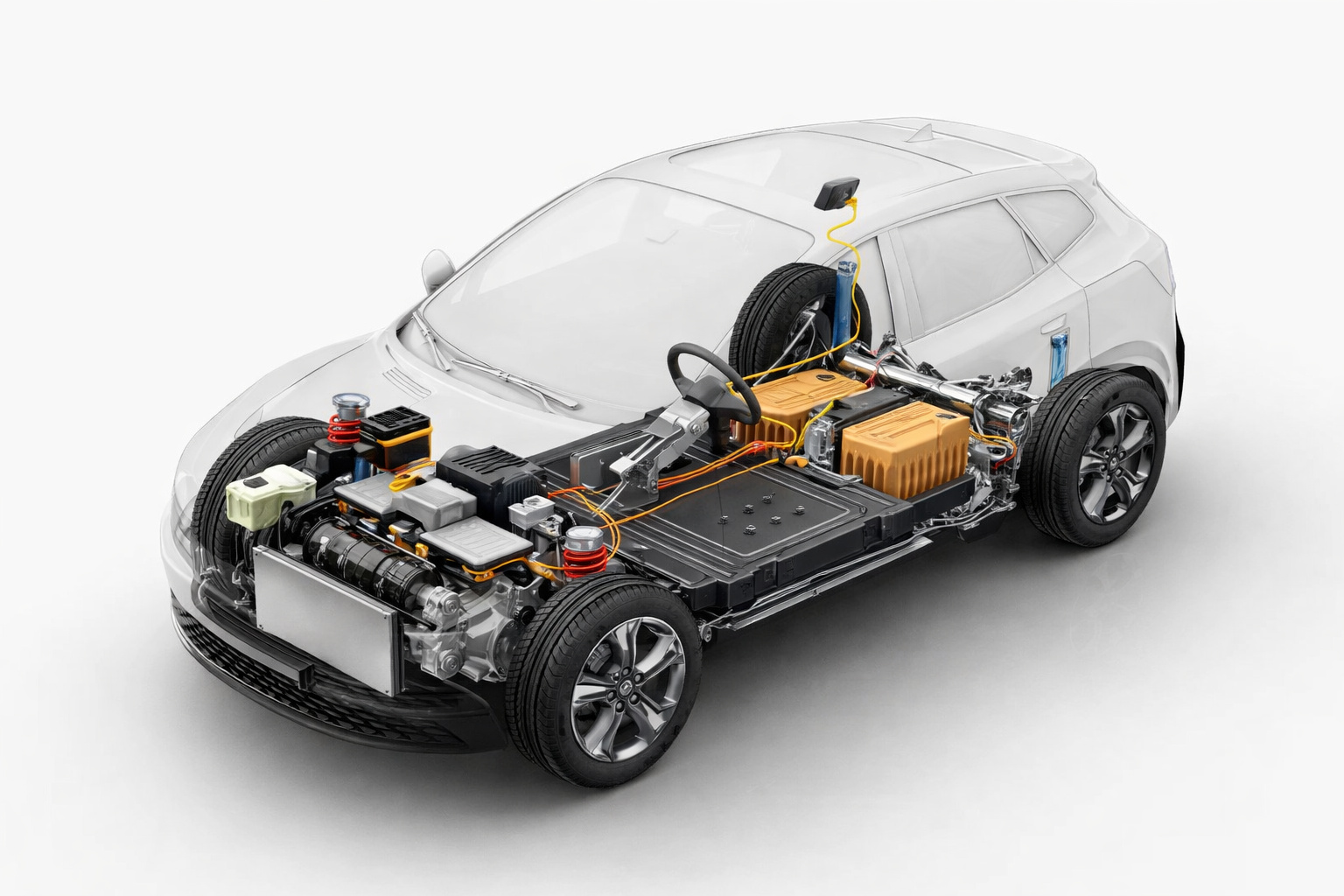
While combustion cars rely on oil changes and mechanical parts, electric vehicles require a different technical profile. Systems such as BMS (Battery Management System), ECUs (Electronic Control Units), and autonomous driving sensors demand specialists who can update firmware, diagnose digital failures, and safely replace modules.








Seja o primeiro a reagir!