Portuguese
  Spanish


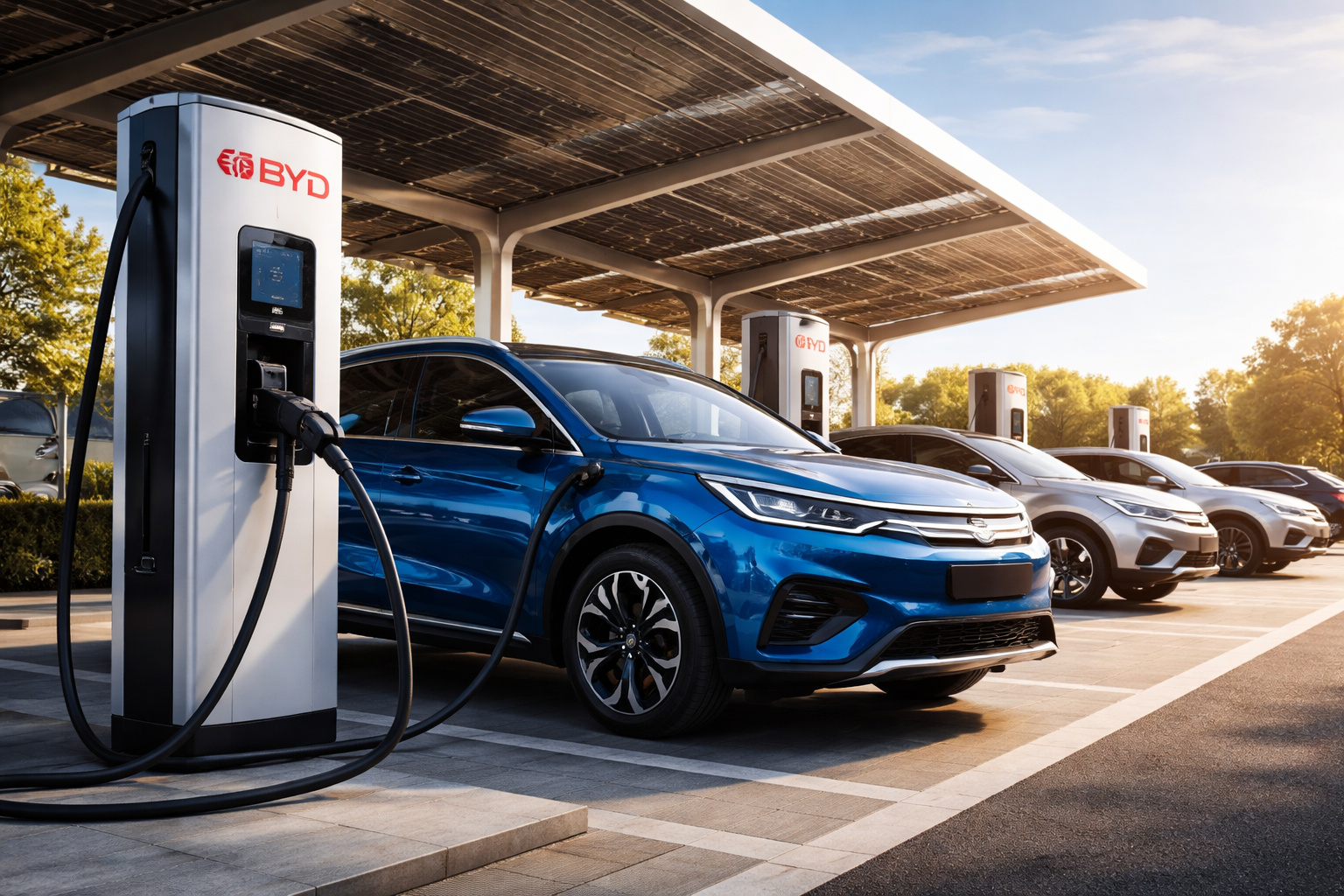

The expansion of the electric charging network accelerates the use of electrified vehicles, increases access, and prepares Brazil for a new technological phase in the automotive sector
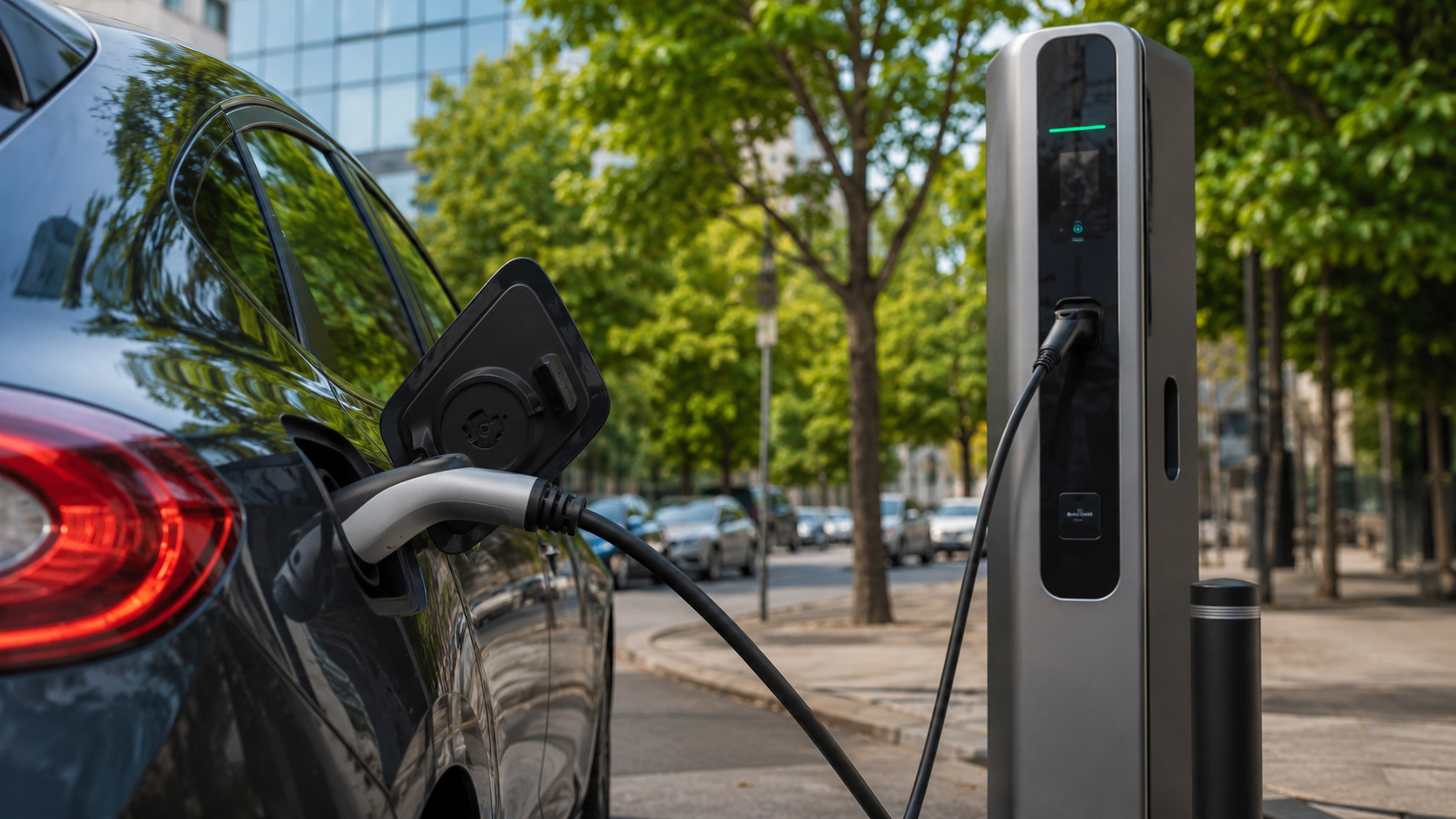
BYD recently reached, in March 2026, the mark of 125 fast chargers in public operation in Brazil, consolidating the largest network of its kind in the country.
The equipment is distributed across dealerships in all five regions, thereby expanding the reach of the national electric infrastructure.
The company plans to reach 225 charging points by the end of 2026, reinforcing its strategy for continuous expansion.
This advancement accompanies the growth of electric mobility and simultaneously reduces barriers for new users.
Thus, the expansion of the network strengthens the everyday use of electrified vehicles in different regions of the country.
Infrastructure expansion increases national presence
Currently, the network is concentrated in states such as São Paulo, Minas Gerais, Rio de Janeiro, Santa Catarina, and Bahia, as well as Brasília.
At the same time, new points have been installed in cities like Duque de Caxias, Altamira, Cacoal, and Pelotas.
-
BYD’s Dolphin Mini Becomes Electric Vehicle Sensation in Brazil, Surpassing 300,000 Sales with Major Factory and Retail Leadership

-
Brazil Faces Surge in Copper Wire Thefts at Electric Car Charging Stations, Leaving Drivers Stranded

-
Jetour S06 Launches in Brazil as a More Affordable Plug-In Hybrid SUV Than BYD Song Plus and Haval H6, But Tests Highlight Its Shortcomings
-
Electric and Hybrid Cars Set to Transform Brazilian Streets: A New Era Begins
Additionally, a municipality in the Triângulo Mineiro region has also joined the network.
Thus, the expansion occurs gradually and strategically, increasing national coverage.
In this way, the infrastructure becomes more accessible, facilitating the use of electric vehicles in different regions.
Fast charging technology improves efficiency and convenience
All installed chargers are of the DC type, with power ranging from 60 kW to 120 kW.
Additionally, the equipment is integrated with the BYD Recharge app, which allows users to locate points and track charges.
On average, each operation provides 20 kWh in about 30 minutes, according to data released by the company.
At the same time, the average cost is R$ 2.38 per kWh, with an average ticket of R$ 49.00.
Thus, the proposal offers practicality and efficiency, both for brand customers and for users of other manufacturers.
Market growth drives network usage
According to data released in March 2026, the use of the network follows the advancement of the electrified market.
In 2024, the system recorded about 21 thousand charges performed.
Throughout 2025, this volume grew consistently, following the expansion of the infrastructure.
Additionally, the number of users increased from 59.9 thousand in June 2025 to 166 thousand in March 2026.
This growth represents an increase of approximately 177% during the period.
On the other hand, between December 2025 and March 2026, the increase was about 57%.
Thus, the data highlights the acceleration of electric mobility in Brazil.

Ultrafast charging marks the next technological phase
While expanding the current network, the company is already developing the next technological stage.
Globally, BYD demonstrates ultrafast charging solutions capable of charging from 10% to 70% in about five minutes.
Additionally, the charge can reach up to 97% in less than ten minutes, according to tests presented by the company.
As part of this strategy, the company plans to install 20 thousand Flash stations in China by the end of 2026.
In Brazil, implementation will begin in 2026, with the first equipment expected in Brasília.
Additionally, the projection includes 1,000 ultrafast chargers by the end of 2027.
According to Alexandre Baldy, an executive at BYD Brazil, the technology will feature integrated energy storage systems.
Thus, it will be possible to optimize electric use without compromising the supply network.
Environmental impact reinforces sustainable advancement
Since March 2024, BYD’s public network has provided over 7 thousand MWh of energy.
As a result, more than 8.1 thousand tons of CO₂ have been avoided.
Thus, the expansion directly contributes to the reduction of emissions in the country.
Additionally, the company is increasing investments in innovation and energy efficiency.
BYD’s presence in Brazil consolidates its prominence
The company has been operating in Brazil for over ten years and maintains industrial operations in different states.
Currently, it has units in Campinas, Manaus, and Camaçari.
Additionally, it develops solutions in energy storage and rail transport.
It is also involved in the project for Line 17–Gold of the São Paulo Metro.
In 2025, the company surpassed 207 thousand vehicles in circulation in the country.
Thus, it consolidates its role in the energy transition and the advancement of electric mobility.
In light of this scenario of technological expansion and accelerated growth, will the charging infrastructure be able to keep pace with the electrification in Brazil?