





 Portuguese
  English
  Spanish
  5 min of reading
  0 comments


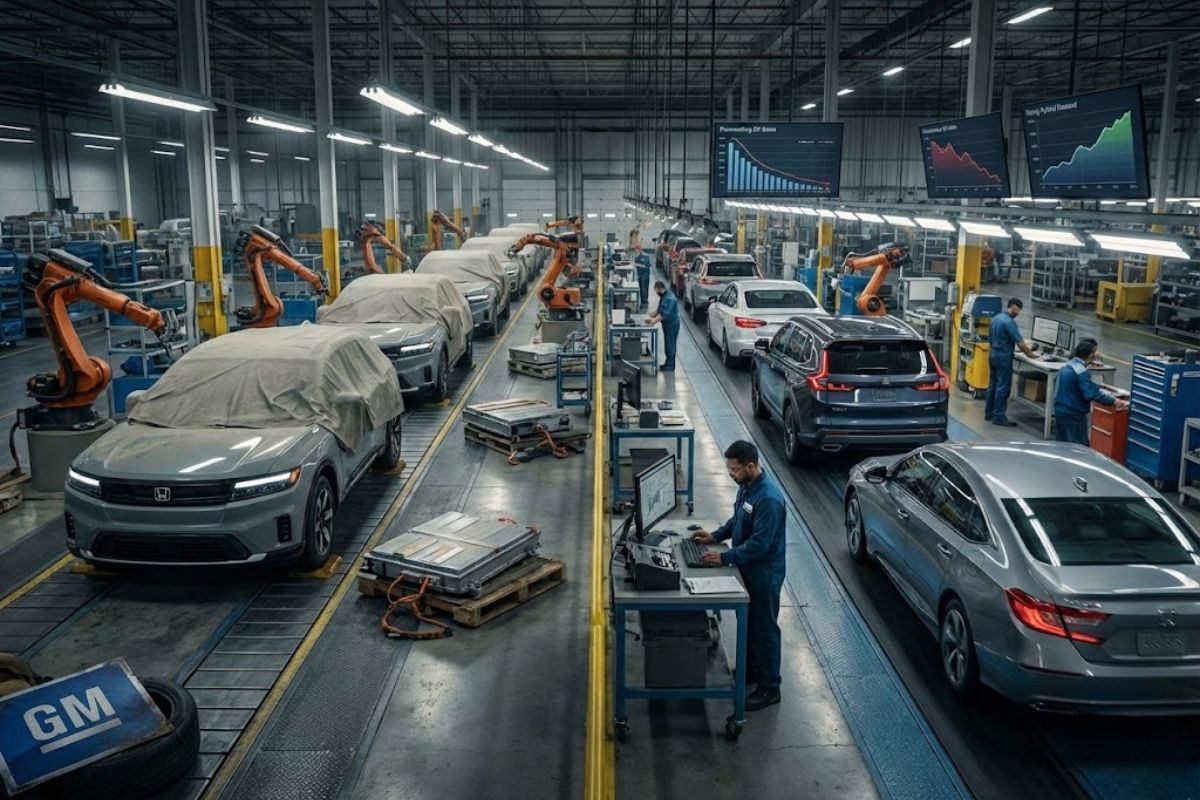
After Four Quarters of Losses, Honda Reduced Electric Goals, Revised SUV Projects, and Strengthened Hybrids to Contain Financial Damage, Especially in the United States, Where Lower Incentives, Weak Sales, and High Costs with GM Partnership Pressured Results, Margins, and International Competitiveness in the Short Global Term.
According to the Xataka portal, Honda Entered 2026 with a Change in Course That a Few Months Prior Seemed Unlikely: to Reduce Ambition for 100% Electric Vehicles and Reposition Hybrids at the Center of Its Industrial Plan. The inflection point came after four consecutive quarters of losses in the electric business and a cumulative loss approaching US$ 4.5 billion related to battery models.
On paper, the previous strategy was aggressive and clear: to eliminate combustion engines by 2040. In practice, cash pressure, declining electric vehicle sales, and weak performance in key markets forced a comprehensive revision. The Discussion Became Not Just Technological but, Above All, a Matter of Competitive Survival Until the End of the Decade.
The Financial Shock That Accelerated Honda’s Review
In the first nine months of the fiscal year ending in December 2025, Honda reported 267.1 billion yen in accounting write-downs and exceptional charges related to investments in electric vehicles, something around US$ 1.71 billion (about R$ 9.1 billion).
-
A French brand placed a car on four huge red balloons to prove that its suspension made the vehicle “float,” and the surreal scene became one of the most iconic and unusual images in automotive history.

-
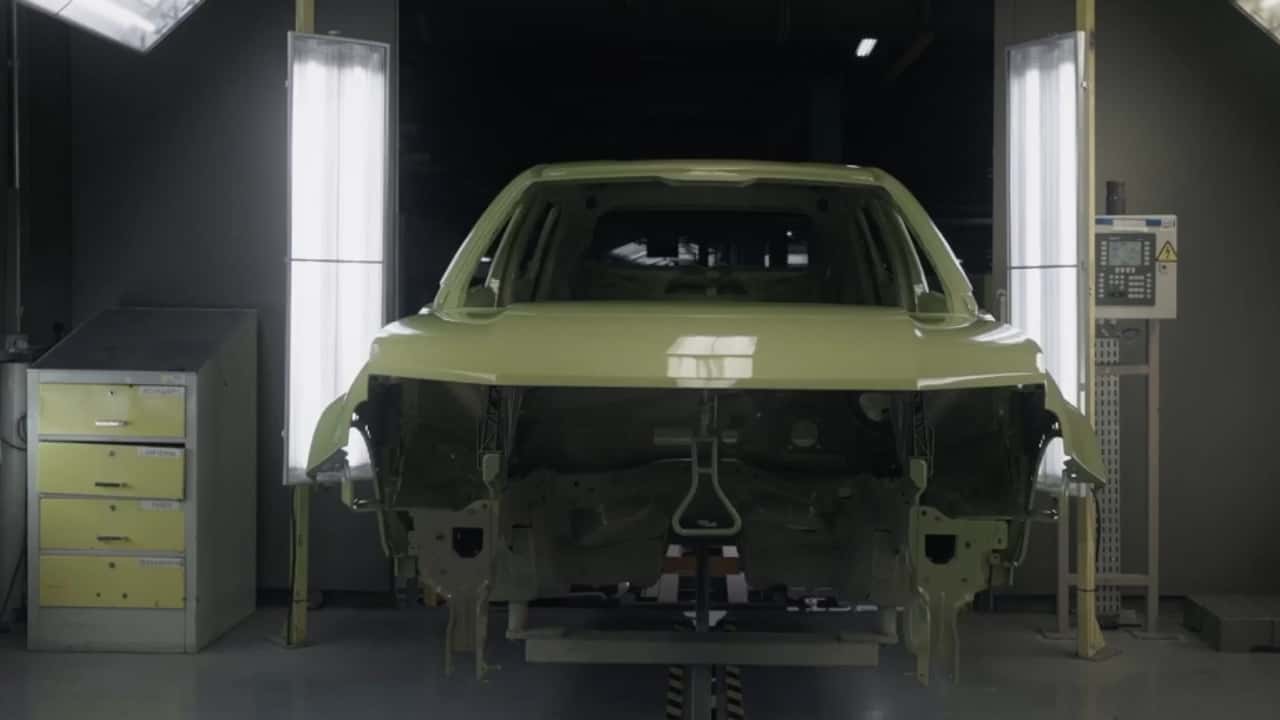
Jeep Avenger begins production in Brazil, debuting as the brand’s new entry-level SUV and inaugurating an unprecedented phase by becoming the first national Jeep manufactured outside of Goiana, as part of a R$ 3 billion plan.
-
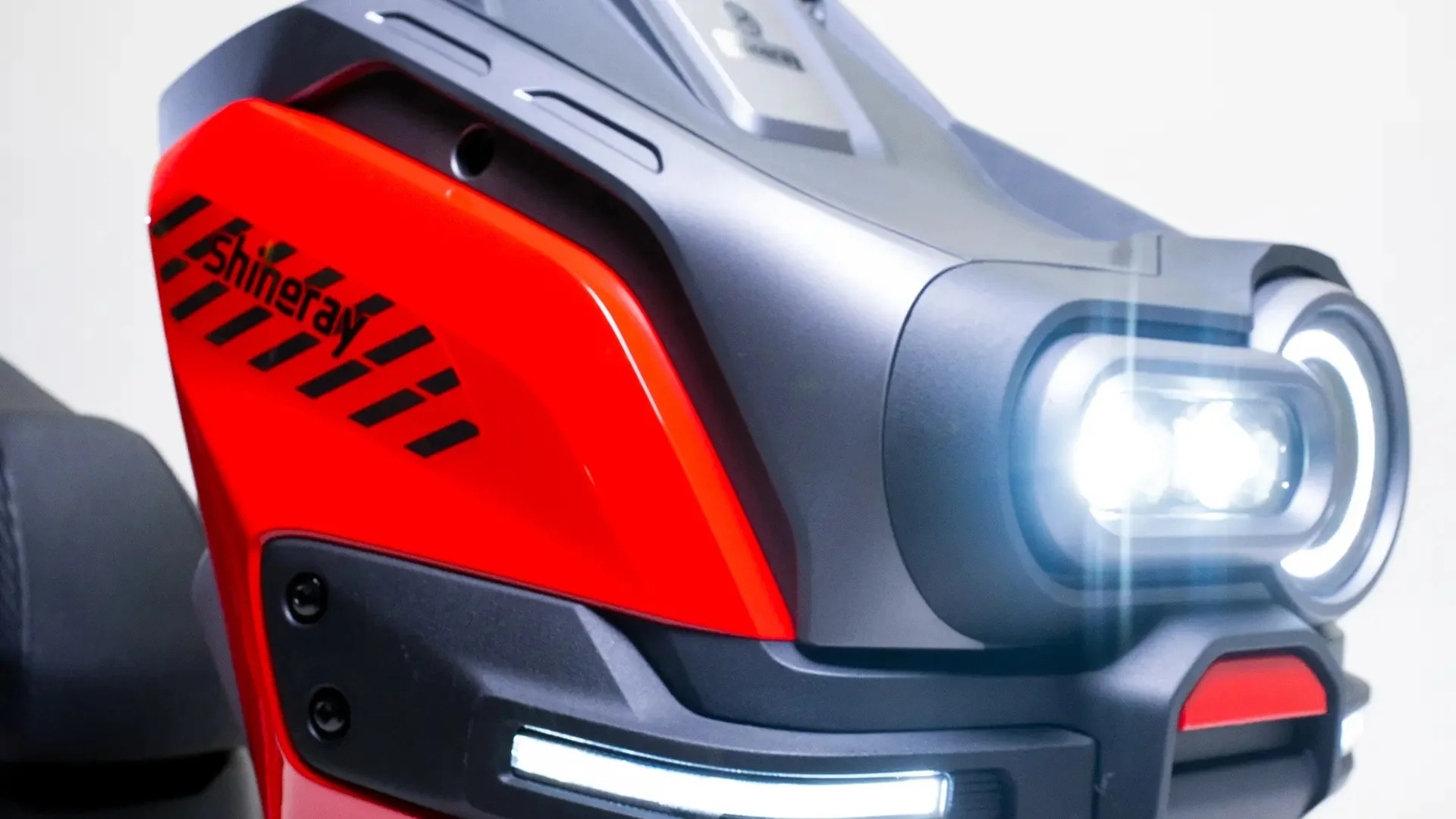
Costing R$ 12,490, the new Shineray Urban Lite 150 “cheap one” arrives in Brazil with a CVT transmission, digital dashboard, and LED lights, making it more affordable than the Biz and targeting those who want to abandon the bus.
-
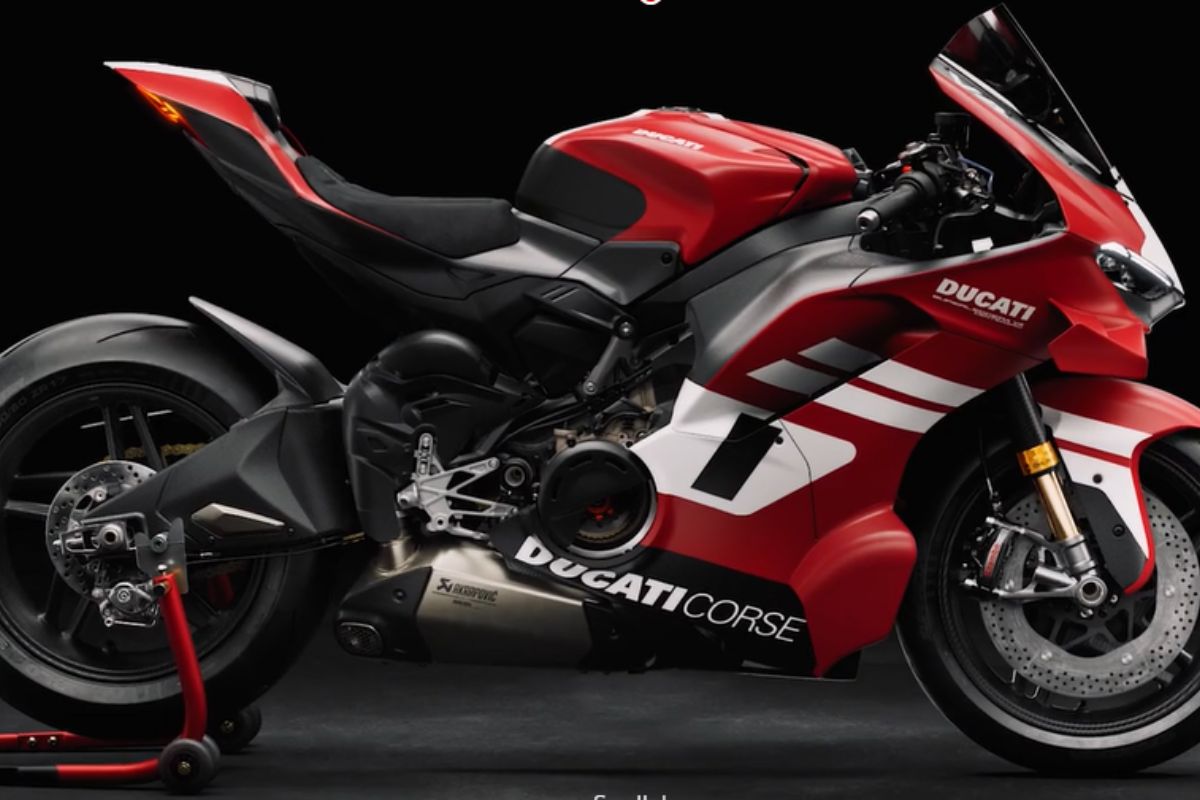
Ducati brings to Brazil the Superleggera V4 Centenario: 228 hp that become 247 with a track kit, carbon fiber and carbon-ceramic brakes, estimated price between R$ 1.5 and 2 million, deliveries only in 2027.

In the third quarter, there was an additional 43.4 billion yen, expanding the recent deficit and maintaining the trajectory of deterioration.
In addition to these write-downs, operational losses related to electric vehicles exceeded US$ 1 billion in the first three quarters. By the end of the fiscal year in March 2026, Honda itself projected nearly US$ 4.48 billion in losses in the segment, not counting nearly US$ 2 billion in American tariffs.
When this set of costs adds up, the impact is not isolated: it erodes investment capacity, margins, and predictability.
The consolidated result reflected this tightening: the operating profit for the third quarter fell 61%. The statement by Noriya Kaihara, executive vice president of the group, about a “fundamental review” reveals that it was not merely a cosmetic adjustment, but a reconfiguration of strategy on a global scale.
The Bet on the U.S., the Partnership with GM, and the Underperformance
An important part of the problem appeared in the United States, where Honda accelerated its entry with the Prologue and the Acura ZDX, electric SUVs developed on GM’s Ultium platform. The idea was to gain market timing and volume. What Was Supposed to Be an Expansion Shortcut Ended Up Becoming a Source of Commercial and Financial Pressure.
In the last quarter, the Prologue experienced an 86% drop in sales, with only 2,641 units sold. The Acura ZDX was discontinued after just one fiscal year, with a total of 19,411 units sold. Concurrently, Honda reduced orders to GM and began dealing with compensations for idle production capacity, an indirect cost that weighs heavily when demand does not meet expectations.
There was also an imbalance in the commercial effort: in January, the Prologue assembled in Mexico required more than US$ 17,000 in incentives per vehicle to drive sales. In the highly demanded CR-V hybrid, the incentive was close to US$ 2,500 per unit. This Difference Shows That the Problem Was Not Just “Lack of Product,” but the Combination of Price, Timing, Channel, and Actual Consumer Adherence.
Goals Shrink: From 2 Million to Up to 750,000 Electric Vehicles Per Year
In light of the scenario, Honda revised numbers that symbolized its long-term plan. The target of 2 million electric vehicles per year by 2030 has been reduced to a range between 700,000 and 750,000 units. Several electric SUV projects have been canceled or postponed, signaling a more selective portfolio prioritization.
The political and regulatory context in the U.S. directly influenced this equation. The withdrawal of federal tax credits, the relaxation of environmental standards, and the introduction of new tariffs altered demand and worsened the expected return on investments.
When the Regulatory Environment Changes Quickly, the Strategy That Seemed Viable on the Spreadsheet Can Become Too Costly in Reality.
Meanwhile, Honda’s global electric vehicle sales fell from 30,000 to 15,000 units in the last quarter. In the same timeframe, Toyota doubled its electric vehicle sales to 63,000.
The contrast reinforces that Honda’s difficulty is not limited to the overall market but also involves execution and competitive positioning.
Back to the Historic Core: Hybrids at the Center of Recovery
Honda’s response was to reposition hybrids as the main lever for scale and profitability. The new goal is to reach 2.2 million hybrids sold per year by 2030, with a new technological generation scheduled for 2027, including advanced driver assistance systems.
In the last quarter, the company sold 230,000 hybrids worldwide, a stable volume but within a broader weaker context: total automobile sales fell 15% to 881,000 units.
North America, the group’s largest market, declined by 18% to 355,000 vehicles; Japan fell by 4.4% to 152,000; and Europe, still smaller for the automaker, grew slightly to 18,000 units, 1,000 more than the previous year.
This Regional Picture Shows Why Honda Is “Racing” Towards a Transition Solution: Hybrids Offer a More Predictable Commercial Bridge, with Lower Inventory Risk and Less Dependence on Aggressive Subsidies to Close Deals.
Electric Vehicles Are Not Out of the Picture But Enter a More Pragmatic Pace
Despite the setback, Honda has not abandoned its electric vehicle program. The in-house Series 0 platform remains active, with a Honda electric SUV and a Series 0 sedan planned for 2026, in addition to the Acura RSX electric crossover at the end of 2025. The difference is that the schedule and volumes will be calibrated based on returns and not just ambition.
A new plan for electric vehicles is expected to be released after April 1, 2026, indicating that the company wants to reorganize priorities based on actual demand, industrial costs, and competitive pressure in each region. The Message of the Move Is Clear: Electrification Continues, but Without Ignoring Cash, Channel, and Margin.
The Honda case also relates to the broader industry crisis. Ford has already restructured its electric programs with billions at stake; Toyota is accelerating hybrids while maintaining a cautious stance on pure electrics.
In China, with Electric Vehicles Representing Over 40% of Sales, local competitors like BYD make it difficult for traditional foreign brands to advance.
In the U.S. and Europe, the combination of lower incentives, tariffs, and Chinese competition pressures profitability.
Honda’s about-face is not just a change of engine in the portfolio; it is a strategic repositioning in the face of a market that has changed faster than the industry’s investment cycle. Those Who Bet on Immediate Electric Scale Now Need to Prove Financial Sustainability Without Losing Technological Relevance.
Considering the Brazilian Consumer and What You Observe Daily, Which Path Seems More Realistic for the Coming Years: Strong Advancement of 100% Electric Vehicles, Dominance of Hybrids as a Transitional Solution, or a Long Coexistence Between the Two Routes? And What Factor Weighs Most in Your Purchasing Decision Today: Price, Range, Charging Infrastructure, or Resale Value?










Seja o primeiro a reagir!