





 Portuguese
  English
  Spanish
 5 min of reading
  0 comments


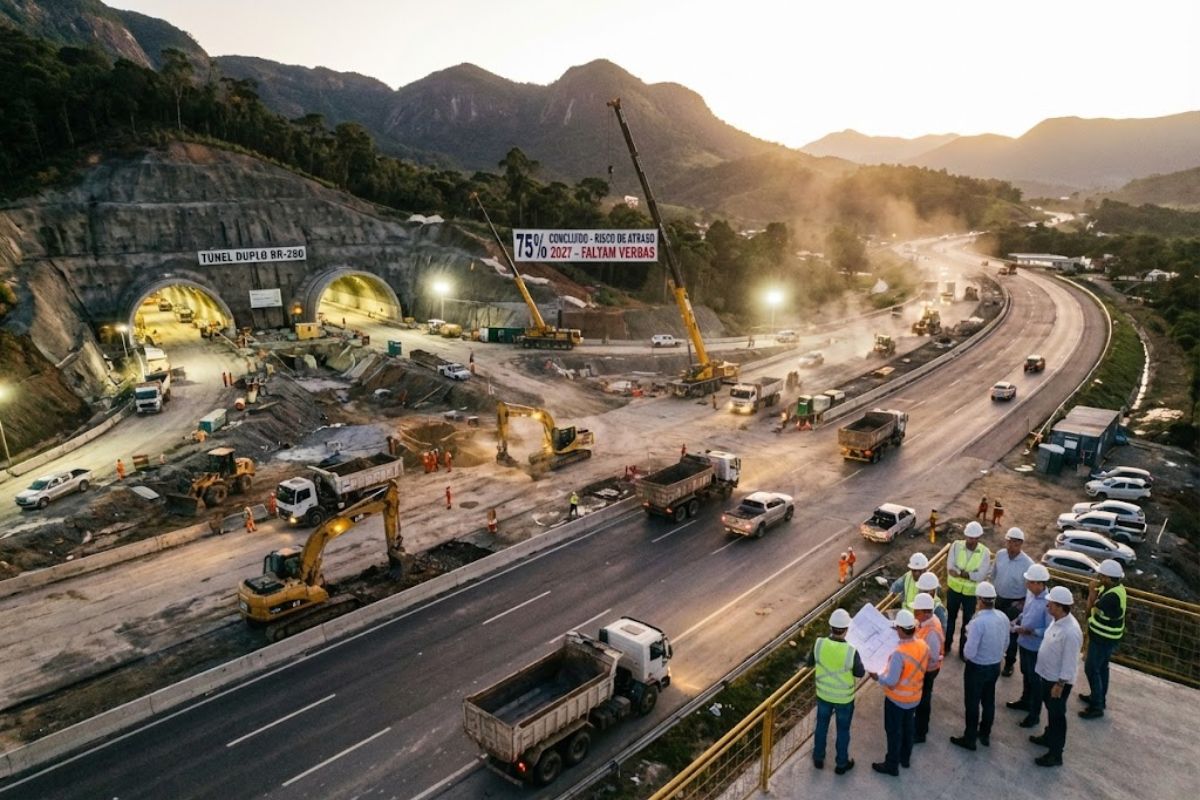
In 2025, The Billion-Dollar Works of BR-280 Advance Around Jaraguá do Sul with Double Tunnel in Santa Catarina, Promise to Relieve Heavy Traffic in Northern Santa Catarina, but Remain Vulnerable to Cuts in Federal Funding Foreseen Until 2027 to Truly Complete the Entire Stretch, Without New Delay Officially Declared
The National Department of Transport Infrastructure announced that the Jaraguá do Sul bypass, a 24-kilometer stretch that concentrates the billion-dollar works of BR-280 in Santa Catarina, has reached 75.25 percent of physical execution, after more than a decade of contracts, amendments, and schedule revisions. The project was designed to remove heavy traffic from the urban perimeter and create a high-performance corridor between the industrial interior and the ports of northern Santa Catarina.
Despite this progress, agency technicians admit that the billion-dollar works of BR-280 remain sensitive to the regularity of federal disbursements. The current contract ends in April 2026 and needs to be extended to align the physical-financial schedule with the target completion date of 2027. Without budget predictability, the risk of new delays remains on the horizon for the highway.
Bypass Concentrates the Bulk of the Billion-Dollar Works of BR-280
The Jaraguá do Sul bypass, known as lot 2.2, is now the financial core of the billion-dollar works of BR-280.
-
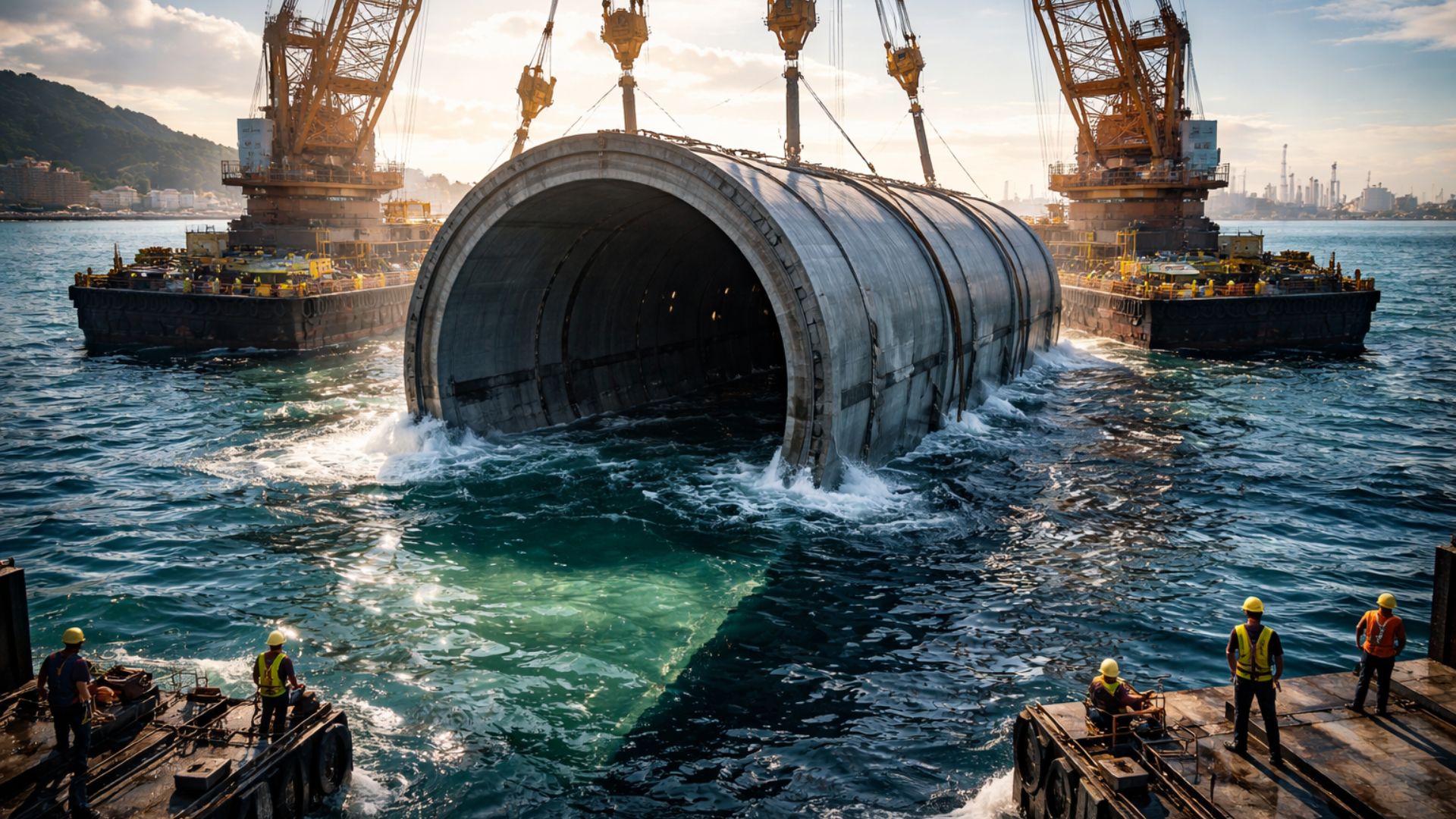
The government opens the vault and deposits R$ 2.6 billion for the construction of Brazil’s first underwater tunnel, with a length of 1.5 km, 870 m under the sea, a total project cost of R$ 6.8 billion, and a 30-year concession.
-
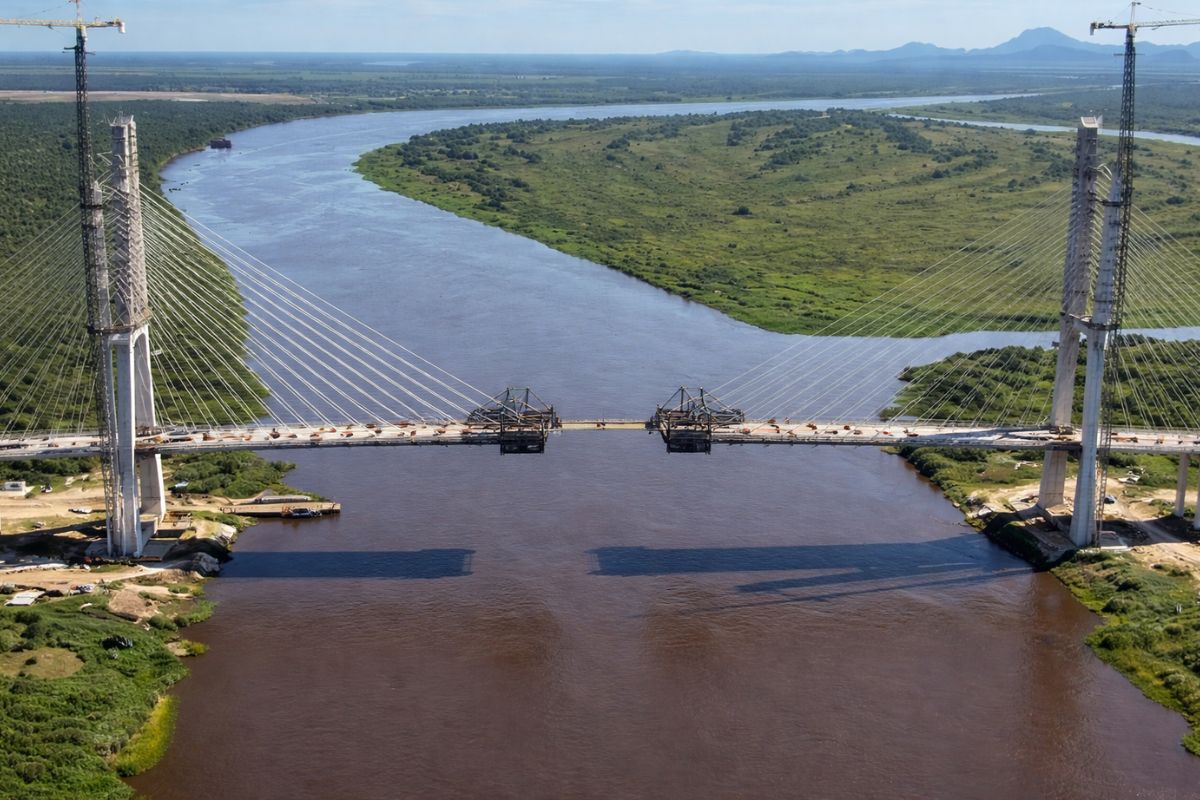
Only 46 meters remain for Brazil and Paraguay to connect via the Bioceanic Route bridge, the project that will link the Atlantic to the Pacific by land and change the logistical map of four countries in South America.
-
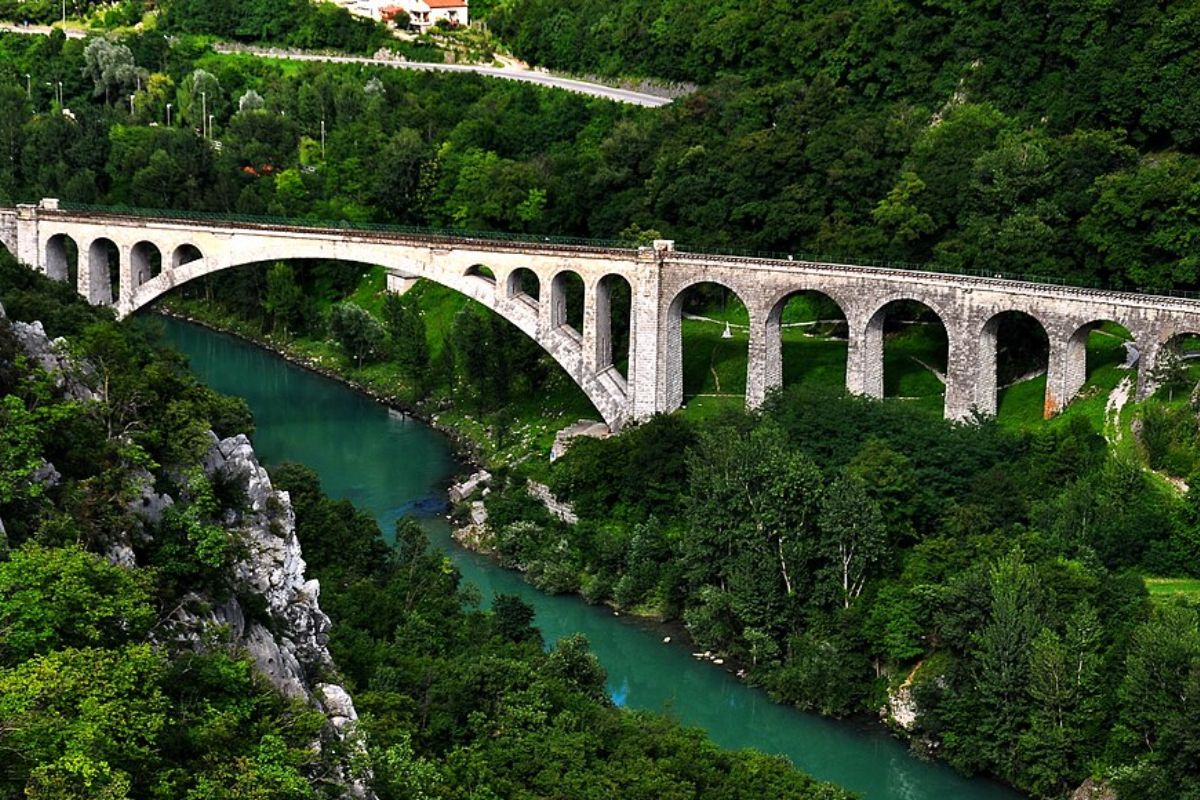
The bridge that holds the largest stone railway arch in the world: built over 100 years ago, destroyed in the war, and rebuilt to continue operating to this day, it still carries trains over the Soča River in Slovenia.
-
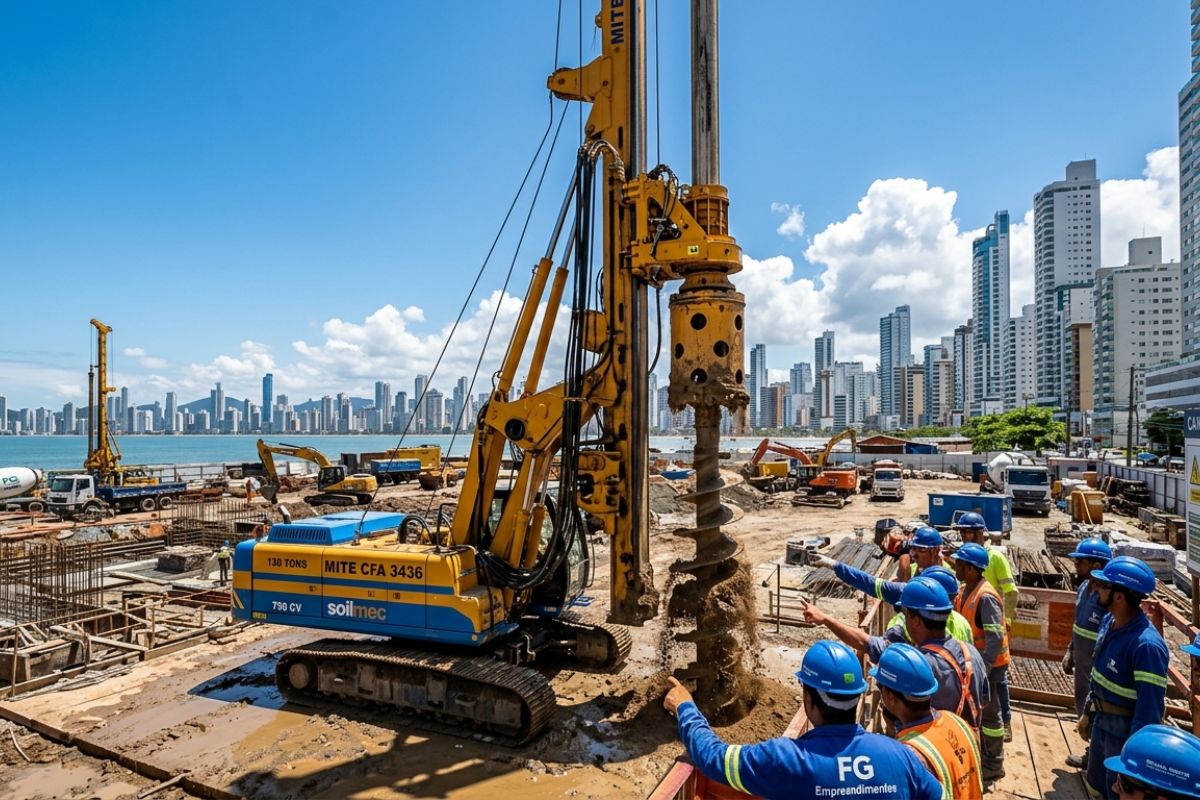
Italian giant of 130 tons arrives at the Senna Tower construction site and accelerates foundations: Mite CFA 3436 drills up to 50 m, 750 hp engine, investment of R$ 20 million, unique in Latin America.

The updated contract approaches 1 billion reais, combining the initial amount and the amendments made over the years.
Of this amount, about three-quarters have already been disbursed, while the remainder depends on new releases to cover final stages of paving, drainage, signaling, and safety devices.
The priority of DNIT is to complete this segment to divert trucks and trailers from the urban center, reduce conflicts between local traffic and freight transportation, and decrease travel time on the axis linking Northern Santa Catarina to strategic ports.
The billion-dollar works of BR-280 are considered a key piece to alleviate bottlenecks that have formed with the growth of industry, agribusiness, and port movement in the region.
Unique Double Tunnel Makes the Stretch the Most Complex of the Highway
One of the main differentiators of the billion-dollar works of BR-280 in Jaraguá do Sul is the construction of a unique double tunnel on the highway.
The project envisions two tubes, each just over 1 kilometer long, requiring excavation in rock, specific coatings, ventilation systems, lighting, drainage, and emergency galleries.
The tunnel can only be released when the entire lot 2.2 is completed, including overpasses, accesses, and safety devices.
This means that any delay in complementary structures stalls the delivery of the set, prolonging dependency on the old roadway.
In practice, the billion-dollar works of BR-280 need to progress in an integrated manner so that the engineering solution does not become just another isolated stretch amid an still incomplete highway.
Advancement Percentages and Impact of Contract Amendments
The index of 75.25 percent of physical execution of the billion-dollar works of BR-280 is not fixed.
Each new amendment or update of the contract amount alters the calculation base, which can generate temporary fluctuations in the completion percentage, even when there are active work fronts in the field.
Therefore, technicians warn that the number should be read as a trend thermometer, not as a deadline guarantee.
The formal goal is to finish by the end of 2027 with the bypass fully delivered, but the realization of this scenario depends on a delicate fitting between budget, work schedule, licensing, expropriations, and the capacity of companies to maintain teams and equipment mobilized at a constant pace.
Expected Logistical Benefits for Northern Santa Catarina
When completed, the billion-dollar works of BR-280 are expected to reshape the circulation map of freight and passenger vehicles in Santa Catarina.
Currently, stretches of single lane, congested urban crossings, and competition for space between trucks and light vehicles increase travel time, raise logistics costs, and heighten exposure to accidents.
With the 24-kilometer bypass and the double tunnel in operation, the expectation is for a clear separation between long-distance traffic and urban flow, reducing forced overtakes, improving shoulders, and lowering the need for emergency interventions on the old roadway.
The duplication and new structures are expected to favor the flow of products from the regional industry towards ports like São Francisco do Sul and Itapoá, with a direct gain in competitiveness.
Situation of the Other Lots of BR-280 in Santa Catarina
While lot 2.2 concentrates the billion-dollar works of BR-280 in Jaraguá do Sul, the other segments present distinct rhythms.
In lot 2.1, between Guaramirim and the connection with the bypass, the fronts are progressing with a delivery forecast for 2026, forming a more continuous corridor of duplicated lane.
Meanwhile, lot 1, between Araquari and São Francisco do Sul, faces greater difficulties.
Construction has been halted for part of the recent period, and its full resumption depends on contractual and budget adjustments.
This mismatch creates, in the short term, a mosaic of new stretches interspersed with old lanes, limiting the total logistical gain of the highway until all lots are integrated continuously.
Dependence on Federal Funds Keeps Risk of Delay Open
The most sensitive point of the billion-dollar works of BR-280 is the almost complete dependence on federal resources to maintain the execution pace.
In scenarios of budget cuts or disputes for investments among different regions, BR-280 must compete with other structured works across the country.
If cash flow experiences interruptions or significant reductions, the practical consequence is immediate: companies slow service fronts, redistribute teams, extend deadlines, and leave critical sections in operation longer.
This keeps drivers, carriers, and production chains exposed to a circulation pattern that the duplication was precisely designed to overcome.
Given this scenario, in which the billion-dollar works of BR-280 have already surpassed 75 percent, but still depend on guaranteed funds until 2027, do you think the government should concentrate resources to finish this highway before starting new major projects or divide the budget among various fronts at the same time?









-

-

3 pessoas reagiram a isso.