





 Portuguese
  English
  Spanish
 6 min of reading
  0 comments


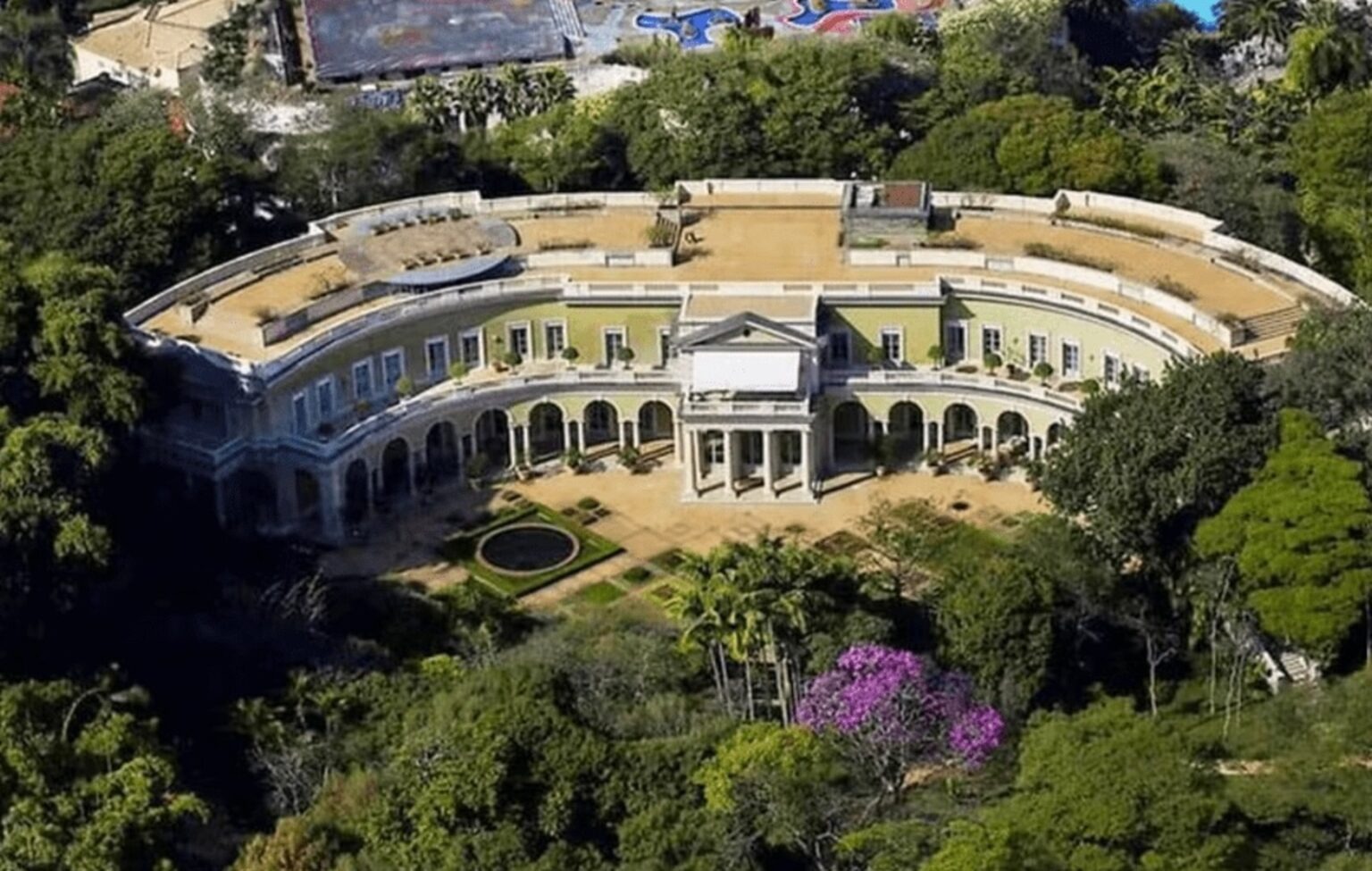
With More Than 11,000 m², Vicky Safra’s Mansion in the Morumbi Surpasses Even the White House and Ranks Among the Largest Residences in the World, According to Architectural Digest, Which Highlighted Its Luxury and Grandeur
The Safra mansion, located in the Morumbi neighborhood in South São Paulo, was classified by Architectural Digest as the 11th largest residence in the world in a survey published last year. The research, which includes luxury properties and historic palaces, highlighted the size and grandeur of the property owned by the Safra family.
The Safra Mansion Surpasses Even the White House
With more than 11,000 square meters of built area, the residence surpasses the White House, the seat of the US government, which ranks 12th.
The property only falls behind iconic constructions such as Buckingham Palace in London and the Palace of Versailles near Paris, which occupy the seventh and eighth positions in the ranking.
-
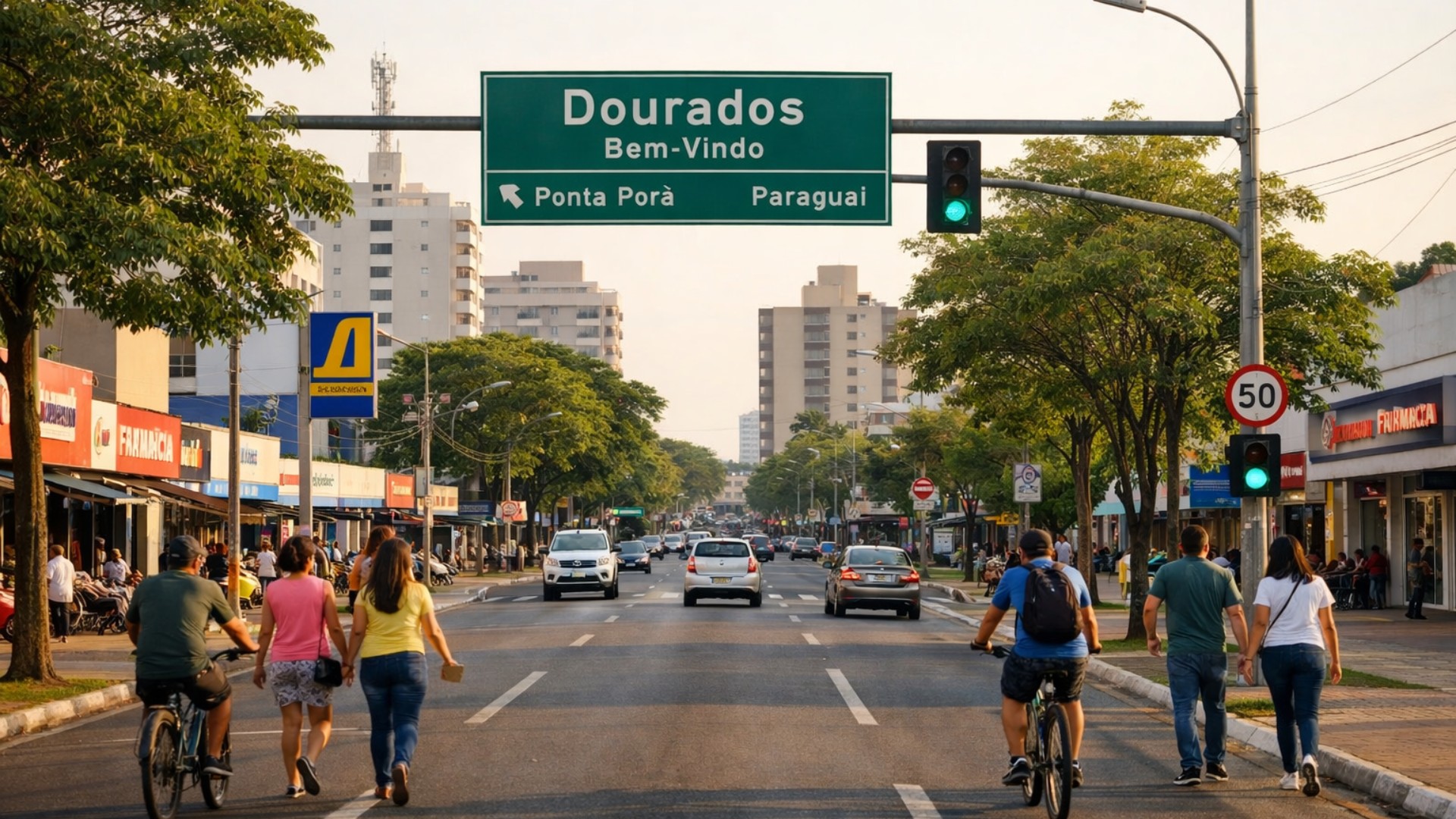
Brazilian city neighboring Paraguay becomes a ‘magnet’ for people seeking quality of life and high standards with exceptional growth and commutes of up to 15 minutes.
-
A rare storm transformed part of the Gulf into an unlikely scene of hail, extreme rain, and tornado risk in the middle of the desert, with volumes that exceeded the annual average in a single day.

-
Brazil catches the world’s attention with ships powered by ethanol and biodiesel that have lower emissions, an unprecedented certification with advantages in chartering, and a revolution in cabotage.

-
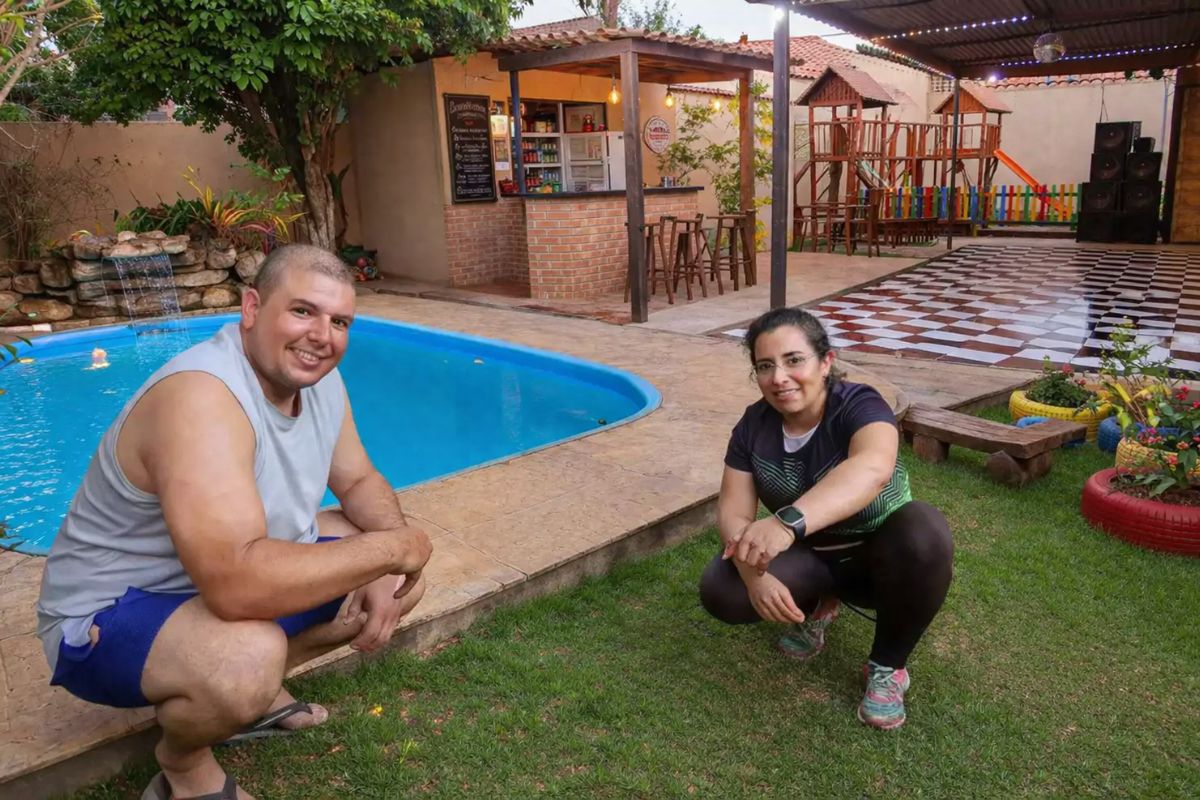
A couple who only has Sundays free has built a hand-dug pool, a hamburger joint, a dance hall, and a playground in their own home without hiring a mason, and even with breaks due to accidents and the pandemic, the work has never truly stopped.

The mansion belongs to Vicky Safra, widow of banker Joseph Safra, founder of Banco Safra and one of the most influential names in the global financial sector.


The Amazing Safra Mansion: Palace in the Morumbi
Built in 1995, the residence was inspired by the Palace of Versailles and ancient Roman palaces. The project was designed by French architect Alain Raynaud, with landscaping by Burle Marx. There are more than 130 rooms spread over five floors, in addition to a private helipad and 9 elevators.
Little is known about the house’s interior, as the family has always maintained discretion regarding their private life.
Still, the property is often mentioned for its luxury and the extent of the land, which stands out among the properties in Morumbi.
Inheritance and Family Dispute
Joseph Safra passed away in December 2020 at the age of 82, with a fortune estimated at R$ 119.08 billion, according to Forbes.
A Lebanese naturalized Brazilian, he arrived in the country in the 1960s to continue the business started by his father, Jacob Safra.
Together with his brother, Moise, he was responsible for consolidating the financial group that bears the family’s name.
After his death, a legal dispute divided the heirs. Son Alberto Safra sued his mother and siblings, claiming that his stake in Safra National Bank had been intentionally diluted.
The impasse ended only in September last year. In a statement, the family announced an agreement that ended all ongoing legal and arbitration proceedings, without disclosing values or financial conditions.
Legacy
The Safra name remains among the most powerful in the global banking sector. The mansion, the ultimate symbol of the family’s journey, stands as one of the most imposing architectural icons in Brazil.
With information from G1.
You May Also Like: From 460 in the 1980s to Just 47 in the 2020s — Why Are Mega Mansions in SP Disappearing and What Is the New Status Symbol of the Rich?
The Safra family built in 1996 the largest mansion in the city of São Paulo. Inspired by the Palace of Versailles, the structure has 130 rooms, five floors, and almost 11,000 square meters. Located in Morumbi, the residence is considered the 11th largest in the world.
That same year, another 28 mansions were completed in the capital. This movement was part of a phase of significant investments by millionaires and celebrities in the city, who invested in urban palaces as the ultimate status symbol.
Survey by the City Hall
A survey conducted by Metrópoles using the property tax records from the City Hall shows how this reality has changed.
The database classifies luxury residences as standard F, the highest category. These constructions have an average of 1,000 m² of built area.
The study reveals that the 1970s was the peak period, with 447 mansions built. In the 1980s, there were 463, followed by 334 in the 1990s.
From the 2000s onwards, the pace slowed: 375 constructions, dropping to 281 in the 2010s. In the 2020s, the decline is drastic: only 47.
The most recently built mansion in São Paulo is located in Jardim Paulistano. The property has four suites, eight parking spaces, and a swimming pool. With over 1,500 m² of area, it was appraised at R$ 57 million.
In total, the city has 2,040 horizontal residences considered high luxury. More than 95% of them have more than 710 m², reinforcing the grand profile of these constructions.
Flight of the Rich
Despite São Paulo being the largest metropolis in the country, the construction of mansions has lost ground to gated communities in other cities.
Alphaville, in Barueri and Santana de Parnaíba, has become a hotspot, home to artists and influencers.
Porto Feliz has also emerged as a preferred destination, with Fazenda Boa Vista attracting businesspeople and celebrities.
The Tamboré residential area, known as “Paulista Beverly Hills,” is home to celebrities such as Simone Mendes, Deolane Bezerra, Carlinhos Maia, and Fiuk.
The space even includes an Arabic castle with 13 towers, symbolizing the ostentation of new wealthy outside the capital.
Urbanism and Verticalization
Urbanist Lucila Lacreta explains that the pressure from the real estate market and the high cost of land stimulate verticalization.
In neighborhoods without restrictions, construction companies prefer to build 50-story buildings instead of mansions.
For Lucila, exclusively residential areas, such as the Jardins, help contain the impacts of unchecked verticalization.
Other urbanists, however, advocate for densification of these areas, arguing that many plots are underutilized in regions with complete infrastructure.
Abandoned Mansions
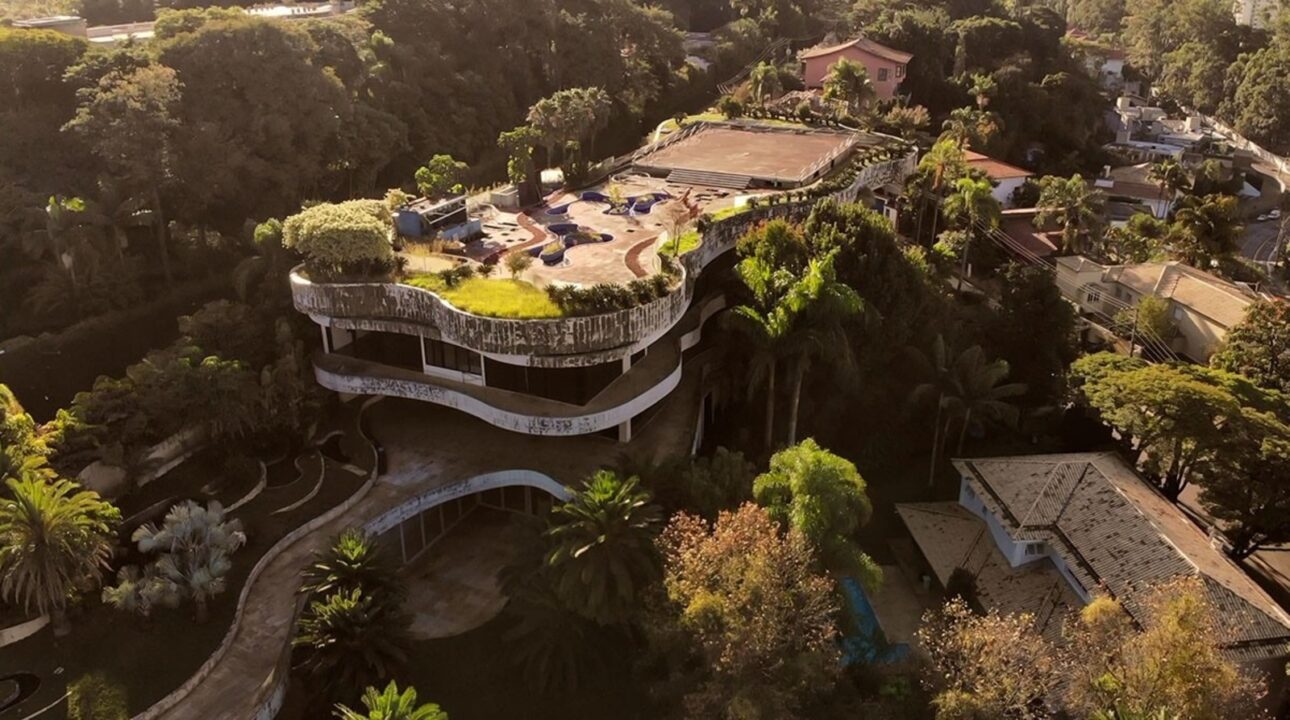
Not all luxurious constructions have withstood the test of time. The most emblematic case is the mansion of former banker Edemar Cid Ferreira in Morumbi. The second largest in the city, the residence deteriorated and was auctioned off after years of neglect.
This type of situation reinforces how the model of living in urban palaces has lost strength due to social and security changes.
Mansion Exits, Among Luxury Apartments
While mansions have become rare, luxury apartments have gained ground. Data from the city hall shows that, only in 2023, 460 standard F apartments were built, the highest number since 2011.
Well-known figures have also moved up. Presenter Fausto Silva sold his mansion in Jardim Guedala, measuring 3,716 m², in 2019 to live in a penthouse worth R$ 120 million.
Former governor João Doria, on the other hand, remains in his mansion in Jardim Europa, complete with a football field and over 3,000 m² of built area.
Historical Roots
The first mansions in São Paulo date back to the coffee elite. Many were located in the Campos Elíseos, a central neighborhood that is now degraded.
Some survived, such as the Casa da Don’Anna, designed by Ramos de Azevedo and built between 1912 and 1914.
On Avenida Paulista, mansions of the industrial elite also met similar fates. The mansion of the Matarazzo family, for example, was turned into a parking lot before being demolished.
The property tax registry also indicates that luxury constructions, previously concentrated in the Jardins América and Europa, began to spread out starting in the 1970s.
Today, Morumbi, Cidade Jardim, and other neighborhoods contain the largest properties.
In addition to verticalization, other factors explain the decline of mansions. Smaller families, greater concern for safety, and the pursuit of gated communities have led the wealthy to rethink where to live.
Thus, mansions in São Paulo have become more of an exception than the rule.
Mansion in São Paulo: A Closing Cycle
The contrast is evident: while in 1980 more than 460 mansions were built, in the current decade they barely reach 50.
This shift shows how the city has reinvented itself. If the wealthy once built urban palaces, they now prefer gated communities or luxury penthouses.
In the end, São Paulo remains a stage for luxury. But the form of that luxury has changed in location, size, and even concept.
With information from Metrópoles.





-

-

-

-

-

-

1146 pessoas reagiram a isso.