





 Portuguese
  English
  Spanish
 4 min of reading
  0 comments



Uncommon Weather Event Can Cause Severe Damage to Agriculture, Affect Strategic Crops and Cause Losses Even Without Visible Ice Formation
In recent days, farmers, climate experts, and agricultural authorities have been closely monitoring the possibility of the so-called black frost occurring in Paraná. Unlike traditional frost, this climatic phenomenon is characterized by causing severe damage to plants without necessarily forming visible ice crystals on crops, making its effects even more dangerous.
The information was released by Exame.com, according to a report published in the Science section, which warned of the risks of this type of weather event affecting the state. According to the portal, sensitive crops such as coffee, sugarcane, vegetables, and fruits are among the most vulnerable to the impacts of black frost.
What Is Black Frost and Why Is It So Concerning
Black frost occurs when there is a combination of extremely cold, dry air and strong winds, usually associated with the arrival of a very strong polar air mass. Unlike white frost, there is no visible ice formation on leaves and stems. Nonetheless, the intense cold causes rapid dehydration of plant tissues, leading to plant death.
-
The sugar-energy sector advances with agricultural technology, but agricultural productivity still raises concerns.

-
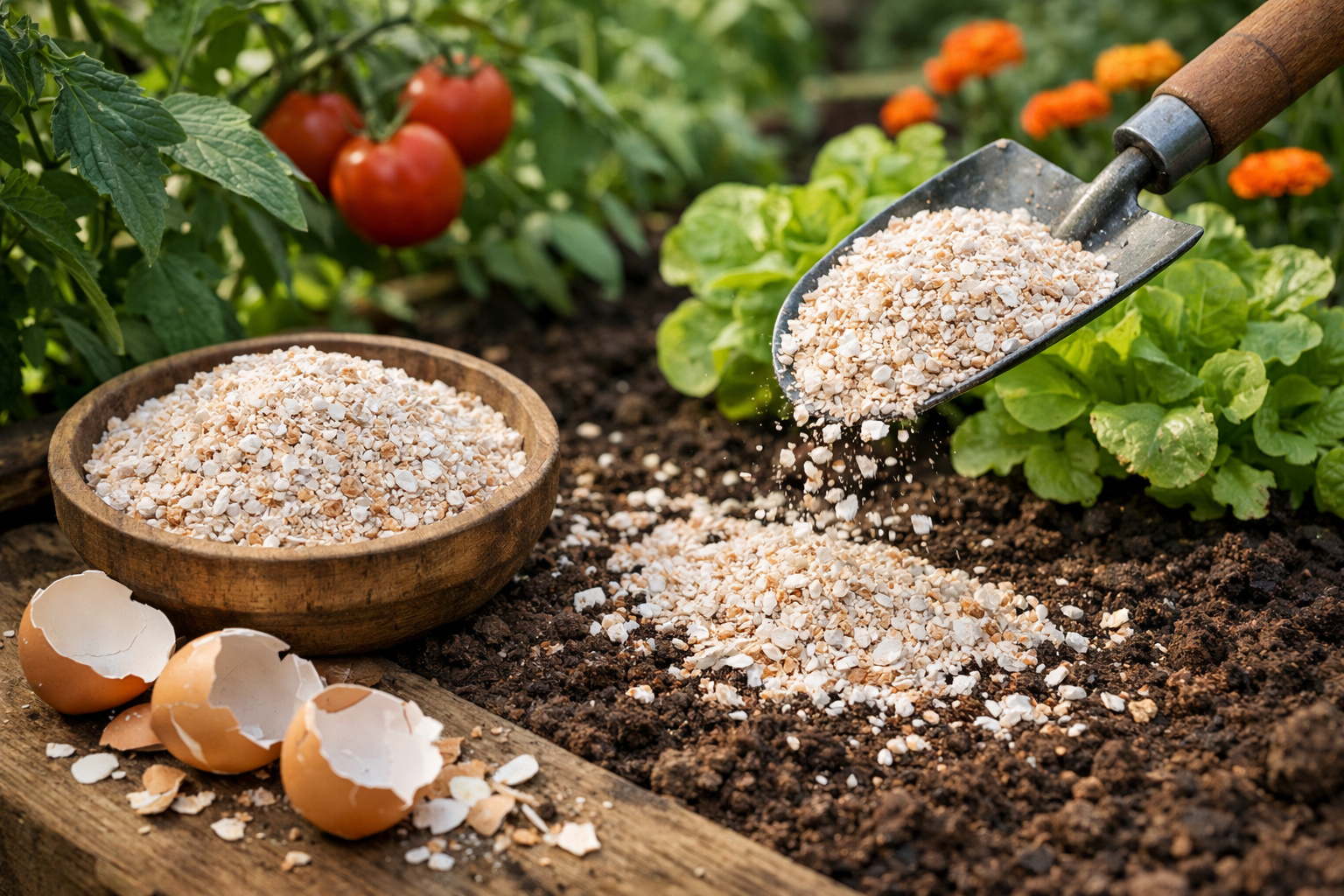
The eggshell that almost everyone throws away is made up of about 95% calcium carbonate and can help enrich the soil when crushed, slowly releasing nutrients and being reused in home gardens and vegetable patches.
-
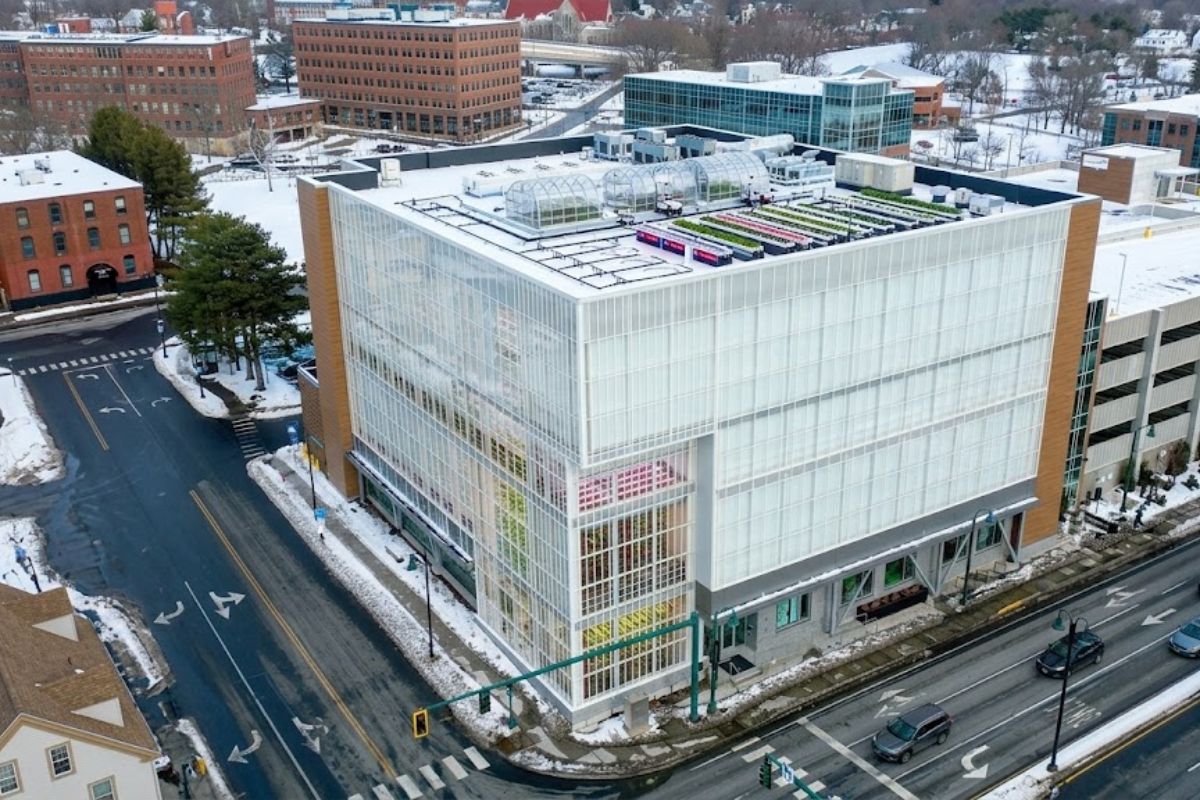
This farm in the United States does not use sunlight, does not use soil, and produces 500 times more food per square meter than traditional agriculture: the secret lies in 42,000 LEDs, hydroponics, and a system that recycles even the heat from the lamps.
-
The water that almost everyone throws away after cooking potatoes carries nutrients released during the preparation and can be reused to help in the development of plants when used correctly at the base of gardens and pots, at no additional cost and without changing the routine.


For this reason, the phenomenon is referred to as “black.” After exposure to the cold, plants acquire a dark coloration, as if they have been burned. This process occurs because the cold disrupts plant cells, interrupting sap circulation.
In addition, precisely because it does not present immediate signs like ice or whiteness on leaves, black frost often surprises producers. Often, the damage only becomes visible hours or days later, when the plant can no longer recover.
Crops Most Vulnerable to the Effects of the Phenomenon

Among the crops most affected by black frost are those that have less resistance to extreme temperatures. Coffee, for example, is one of the most sensitive crops, especially in areas where cultivation occurs in more open and wind-exposed regions.
Similarly, sugarcane suffers significant impacts, as intense cold compromises growth and can drastically reduce productivity. Additionally, vegetables and fruits, due to their more delicate tissues, tend to experience almost total losses when exposed to this type of weather event.
Therefore, experts warn that if black frost is confirmed, the losses could be substantial, particularly for small and medium producers who rely on these crops for their income.
Why Paraná Is on Alert for Black Frost
Paraná has a history of extreme weather events, including severe frosts that have marked the state’s agriculture in past decades. The combination of altitude, terrain, and frequent inflow of cold air masses makes some regions especially susceptible to this type of phenomenon.
According to experts cited in the report, the possibility of black frost increases when there are nights with clear skies, moderate to strong winds, and sudden drops in temperature, a scenario that can occur during the passage of intense cold fronts through southern Brazil.
Moreover, changes in global climate patterns have been contributing to more extreme and unpredictable events. Thus, episodes like black frost tend to become more frequent or more intense, requiring greater preparedness on the part of the agricultural sector.
Difference Between White Frost and Black Frost
While both are associated with intense cold, white frost occurs when moisture in the air condenses and freezes on plants, forming visible ice crystals. In contrast, black frost is prevented by dry air, but extreme cold acts directly on the plant tissues.
While white frost can, in some cases, cause superficial damage, black frost tends to be more devastating because it deeply affects the structure of the plant. For this reason, it is considered one of the most destructive forms of frost for agriculture.
Possible Economic Impacts and the Need for Prevention
If the phenomenon materializes, the impacts can extend beyond the fields. Losses in agricultural production tend to affect prices, supply, and the regional economy. For this reason, industry entities recommend that producers monitor weather alerts and adopt preventive measures whenever possible.
Among the strategies employed are constant monitoring of weather forecasts, the use of thermal protection techniques in small areas, and agricultural planning aimed at reducing climate risks.
Phenomenon Reinforces the Importance of Climate Monitoring
The possible occurrence of black frost in Paraná reinforces the importance of climate monitoring and the dissemination of clear information about little-known phenomena. By understanding how this type of event occurs, producers can better prepare and reduce losses.
More than an isolated episode, the alert serves as a reminder that agriculture is increasingly exposed to extreme climate variations, requiring adaptation, planning, and access to quality information.
Have you ever witnessed any extreme weather phenomenon that caused unexpected losses in agriculture in your region?









-

Uma pessoa reagiu a isso.