





 Portuguese
  English
  Spanish
  3 min of reading
  0 comments


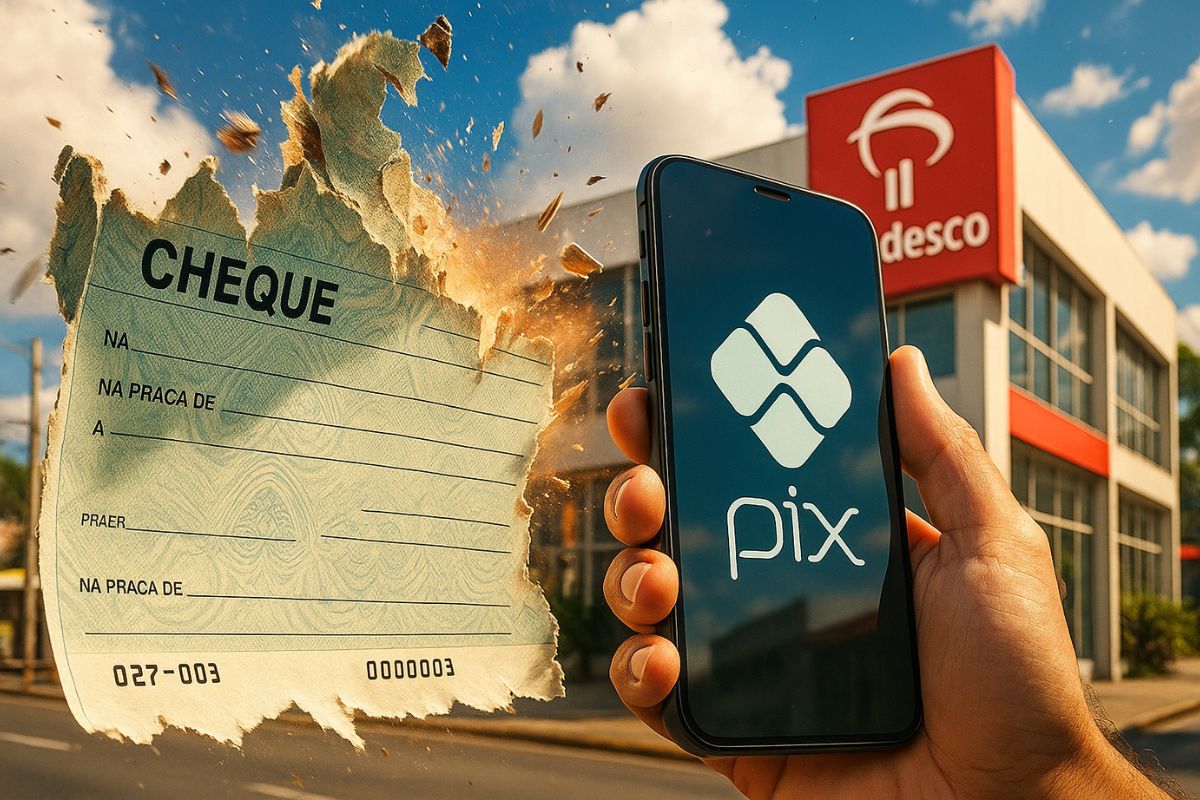
Decision Marks the End of an Era: Bradesco Ends Check Issuance After 96% Drop in Usage Since 1995 and Solidifies Pix as the Main Payment Method Among Customers.
Bradesco will end check issuance for individuals and microentrepreneurs (MEIs) starting in December. The measure symbolizes the complete transformation of the payment system in Brazil, which is now dominated by Pix and digital transactions. Only corporate accounts will continue to have access to the traditional product.
According to the UOL portal, the bank’s decision reflects a structural shift in consumer behavior, as checks are left in the past. According to Febraban, check usage has dropped by 96% since 1995, falling from 3.3 billion annual compensations to just 137 million in 2024. Bradesco states that “the initiative aligns with customers’ preference for digital solutions, faster and more accessible.”
End of Checkbooks and Consolidation of Pix
The bank has sent notifications to customers informing them of the discontinuation of the service and recommending the use of electronic means such as Pix, TED, and digital transfers.
-
The government requests the Federal Revenue Service for a new system to automate the income tax declaration, reducing errors, time, and bureaucracy for millions of Brazilians.

-
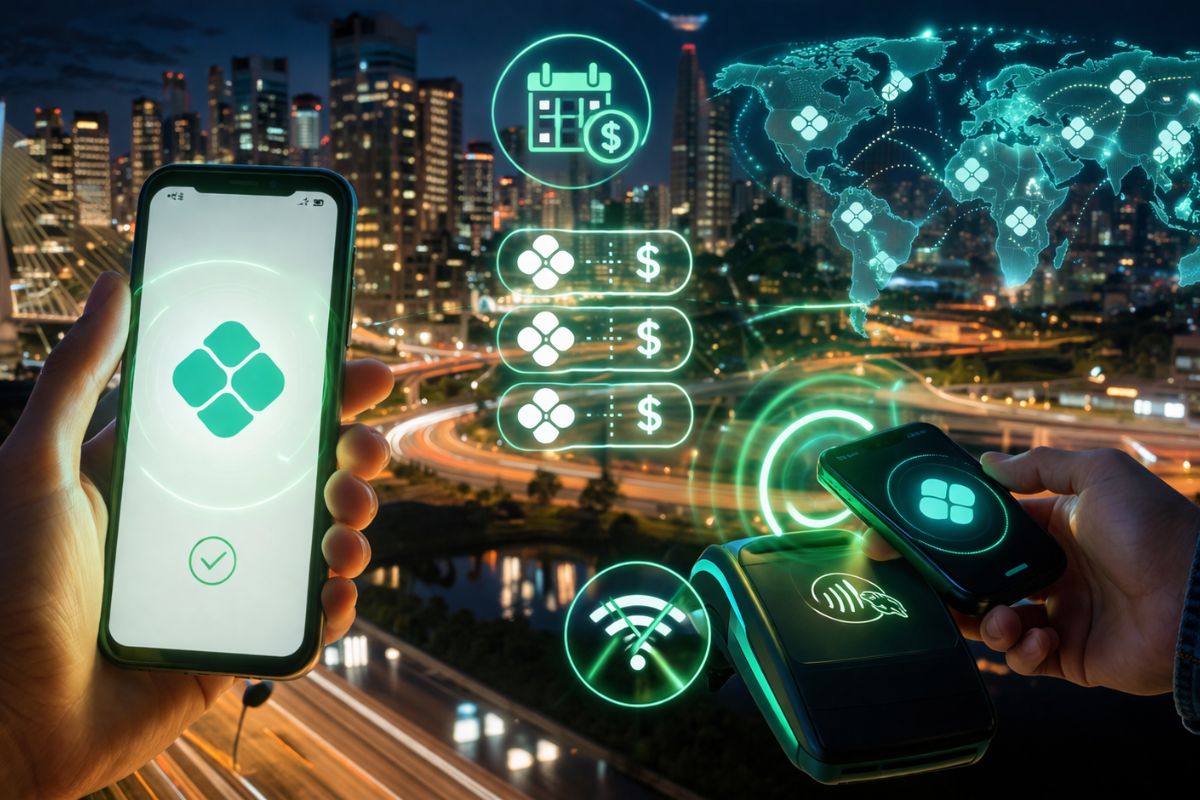
Pix in installments, international Pix, and contactless payment without internet: the Central Bank revealed the new features coming to the tool that is already used by almost every adult in Brazil.
-
Mercado Livre has just started selling medications with delivery in up to three hours to your door, and this move could completely change the way Brazilians buy medicines on a daily basis.

-
In Dubai, rising tensions from the war in the Middle East are causing super-rich individuals to leave the Gulf and direct their fortunes to a new financial refuge in Asia.

This move reinforces Bradesco’s position as one of the biggest promoters of banking digitalization, in line with the technological advancement of the financial sector.
Created in 2020 by the Central Bank, Pix has become the main payment instrument in the country, offering instant, free transactions available 24 hours a day.
The institution itself acknowledges that the method provides “more convenience and security” compared to the use of physical checks, which involve printing, clearing, and the risk of loss.
Historic Drop in Check Usage in Brazil
The numbers confirm what Bradesco’s decision represents: checks have practically vanished from the Brazilian financial routine.
According to Febraban, in 1995 the country compensated around 3.3 billion checks annually. Thirty years later, this volume plummeted to 137 million.
The data from the Central Bank shows that, in the second quarter of 2025 alone, 35.8 million checks were compensated, while Pix registered 19.4 billion operations in the same period.
Credit, debit, and prepaid cards accounted for 12.7 billion payments, consolidating the dominance of digital means.
In value terms, the contrast is even more striking: checks accounted for R$ 173.3 million in the second quarter of 2025, compared to R$ 84 billion via Pix.
The last time checks surpassed Pix in financial volume was in the fourth quarter of 2020, the year the instant payment system was launched.
What Changes for Bradesco Customers
Starting in December, individual customers and MEIs will no longer be able to request new checkbooks. Those who still have check leaves in use may utilize them until exhausted, adhering to normal clearing times.
Corporate accounts, however, will continue to have access to the product, given its use in specific contracts and operations.
To compensate for the change, the bank is intensifying its encouragement for the use of the app and digital channels, where it is possible to carry out transfers, payments, and even split transactions via Pix.
Bradesco also emphasizes that branch services remain available to assist customers in adapting.
Pix and the Future of Payment Methods
The advancement of Pix has transformed not only consumption habits but also the operational structure of traditional banks. With over 150 million active users in Brazil, the system has established itself as a universal tool for transfers and payments, reducing costs and eliminating time and border barriers.
The end of checks for individuals and MEIs reflects an irreversible trend: the total digitalization of financial transactions.
The instrument that once symbolized status and trust in the 1980s and 1990s now gives way to the convenience and speed of the online environment.
With Bradesco ending check issuance, Brazil takes another step toward the definitive consolidation of digital means.
The checkbook, which for decades was synonymous with credibility and purchasing power, now becomes a museum piece in the national banking history.
And you, do you still use checks or have you fully migrated to Pix? Do you think this type of payment still has a place in the future or is it living its final chapters? Let us know in the comments.









-

-

4 pessoas reagiram a isso.