





 Portuguese
  English
  Spanish
 5 min of reading
  0 comments


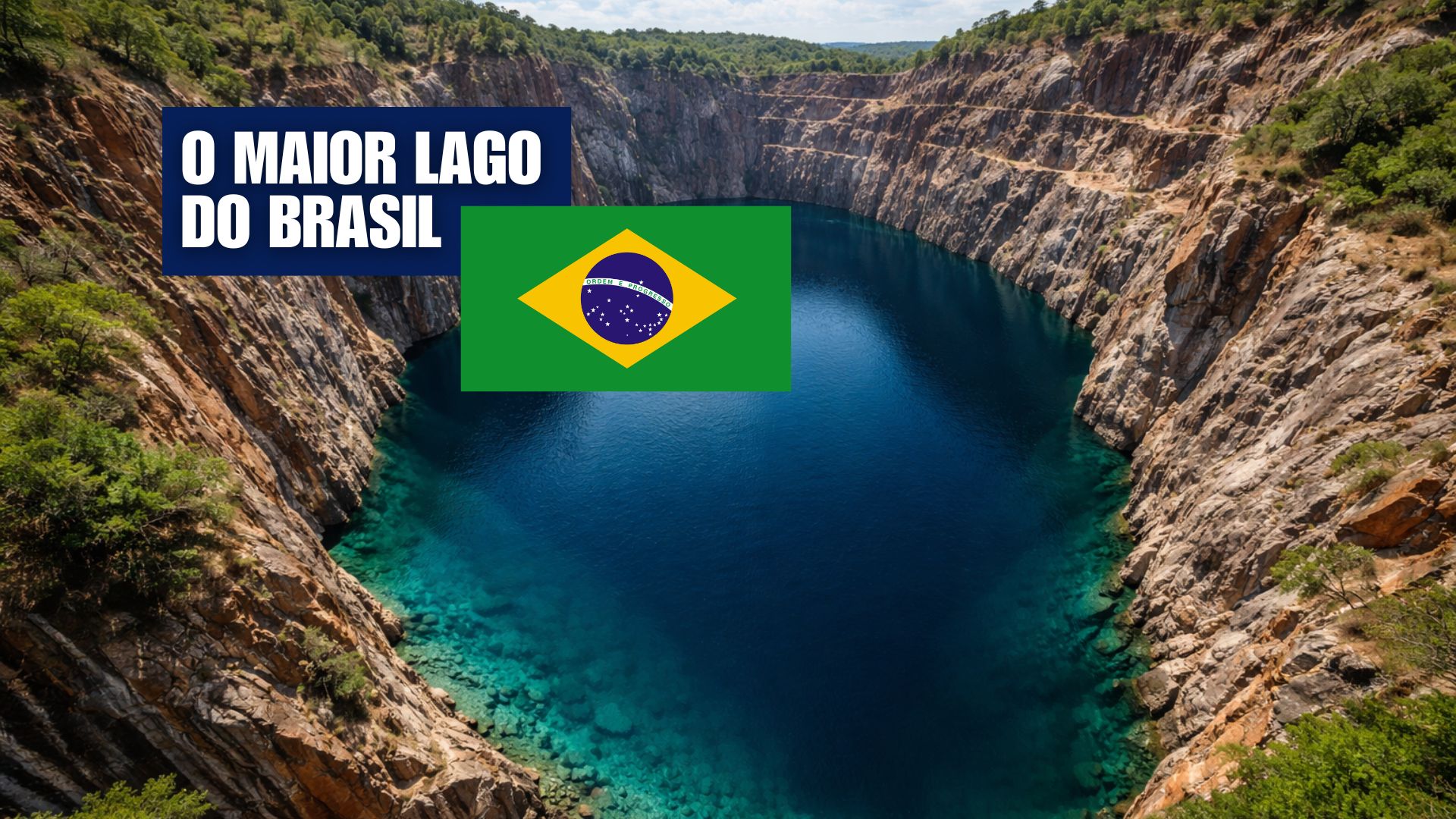
Artificial Lake Formed in an Abandoned Mining Pit Has Record Depth in the Country, Unusual Dynamics of the Waters and Increasing Environmental Relevance, Attracting the Attention of Researchers and Public Managers.
An artificial lake formed inside an old mining pit in Minas Gerais now boasts the greatest recorded depth of a water body of this type in Brazil, reaching 234 meters.
Known as Lago de Águas Claras, the reservoir emerged after the cessation of iron ore extraction activities and began to attract interest due to an unusual combination of factors, such as its large size, industrial origin, and a physical behavior that prevents complete mixing of its waters.
This characteristic causes the lake to have well-defined layers along its water column, forming internal strata that remain relatively stable over time.
-
Church from 1888 becomes a mansion of over 330 m² in Canada after a renovation of R$ 3.4 million and is eventually sold for nearly R$ 4.3 million.

-
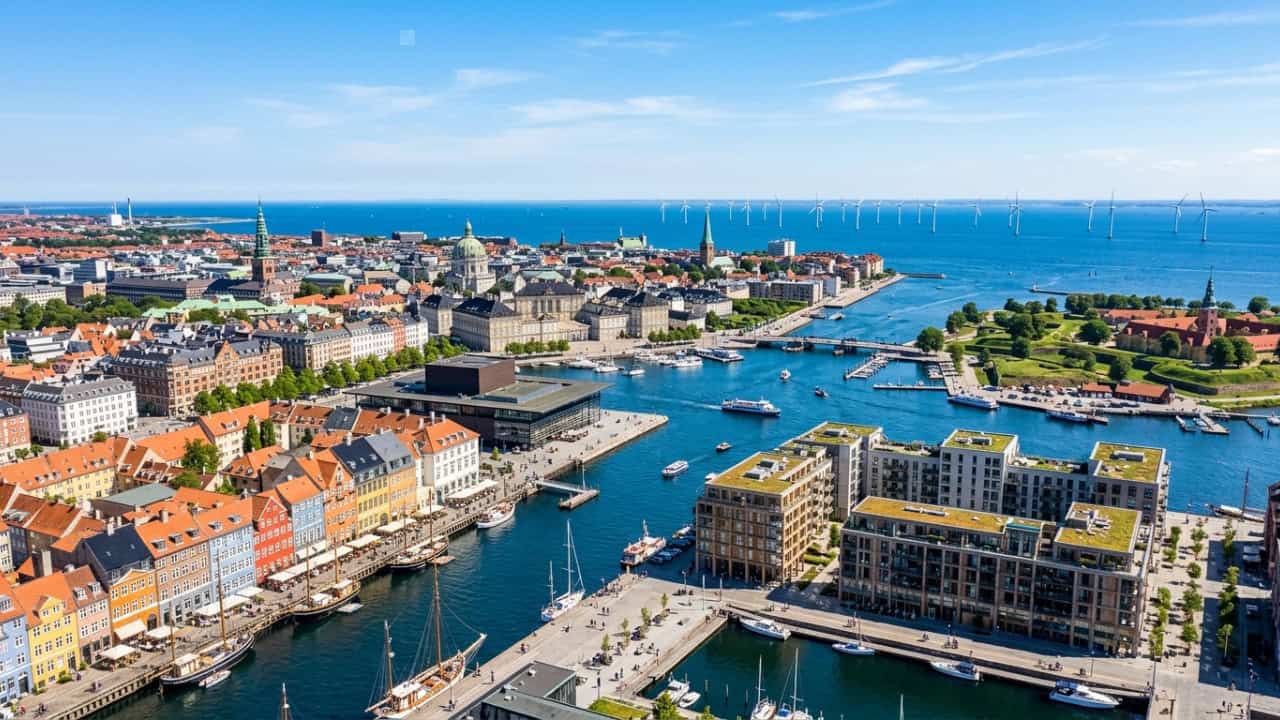
How an innovative city combines high technology, well-being, and sustainability to become the largest reference in clean energy on the planet.
-
Couple buys 1846 church in ruins for R$ 660,000, invests R$ 3.2 million in renovations, transforms it into a millionaire mansion, and even preserved a historic cemetery with over 300 graves.

-
He started running at 66 years old, broke records at 82, and is now a subject of study for having a metabolic age comparable to that of a 20-year-old, in a case that is intriguing scientists and inspiring the world.


To help gauge its depth, comparisons to the Statue of Liberty are often used.
The monument located in New York measures 93 meters from the ground to the tip of the torch, including the pedestal and foundation.
This way, the depth of the Minas Gerais lake corresponds to about two and a half times that height, comfortably surpassing the total dimensions of the statue.
Origin of the Lake and Mining in Minas Gerais
Lago de Águas Claras did not originate from a classic natural process, such as the damming of a watercourse or the formation of a depression due to geological action over thousands of years.

It was established in a pit opened by iron mining in the Serra do Curral, within an area belonging to the municipality of Nova Lima, in the Metropolitan Region of Belo Horizonte.
Technical records indicate that mineral exploration began in 1973 and continued until 2000, during which time pumping systems kept the area dry to enable the activity.
With the cessation of operations, pumping was halted, and the cavity began to gradually fill up.
The replenishment of water occurs through different mechanisms, including contributions from underground aquifers and the accumulation of rainwater in the large depression left by mining.
Before long, the old pit began to behave like a deep lake, characterized by steep rocky walls and abrupt banks, typical of mined areas.
Extreme Depth and Dynamics of the Water Column
The shape of Lago de Águas Claras differentiates it from conventional reservoirs and shallower natural ponds.
In this case, there is a very high water column concentrated in a relatively restricted area, which directly influences the internal circulation of the reservoir.
This configuration helps explain why the lake does not exhibit complete mixing of its waters throughout the year, even during periods of greater climatic variation.
Academic research describes the reservoir as a system with meromictic behavior, a classification used for lakes that exhibit only partial vertical circulation.
In practice, this means that the surface layers may mix at certain times, while the deeper portions remain isolated, maintaining their own characteristics.


Layers of Water That Do Not Mix
The internal stratification of Lago de Águas Claras results in the formation of distinct zones of temperature, oxygenation, and chemical composition throughout its depth.
Technical analyses identified significant variations between surface and bottom in parameters such as dissolved oxygen, pH, total iron concentration, and water temperature.
This pattern confirms the existence of well-defined strata, little influenced by winds or seasonal changes more common in shallow aquatic environments.
The meromictic behavior, however, only describes the physical dynamics of the lake.
The water quality depends on additional factors, such as pollutant influx, bank stability, the presence of organic matter, and the environmental conditions of the surroundings.
Water Quality Surprises Researchers
One of the points that most caught the attention of researchers was the quality of the water in a lake formed inside an old mining pit.
Case studies that monitored the initial formation process of Lago de Águas Claras recorded good water quality, with high levels of dissolved oxygen and absence of relevant organic contamination in the parameters analyzed.
Other academic research indicated compliance with the criteria of Conama Resolution 357/2005, class 2, considering the set of variables evaluated over the monitoring period.

This federal standard establishes guidelines for the classification of surface water bodies and guides the compatible uses for each environmental classification.
Still, the studies themselves emphasize that the lake exhibits complex dynamics and is subject to variations.
Differences between dry and rainy periods can cause fluctuations in indicators such as turbidity and temperature, which reinforces the importance of continuous monitoring.
Future Use of Lago de Águas Claras
The possibility of using Lago de Águas Claras for recreational activities or even for water supply frequently appears in technical debates and environmental analyses.
Any utilization, however, depends on strict engineering criteria, environmental licensing, and long-term public management.
In the case of human water supply, it is not enough to register good indicators in isolated analysis campaigns.
It is necessary to ensure adequate systems for water capture, treatment, protection of the contribution area, and stability of water quality over the years.
Deep and stratified environments like this require additional care in planning.
The definition of the capture layer can interfere with the internal stability of the lake, as the surface and bottom exhibit distinct physical behaviors.
Decisions of this nature often involve environmental impact studies, detailed technical modeling, and the implementation of permanent monitoring plans.
Between the curiosity sparked by its record depth and the interest in future uses, Lago de Águas Claras solidifies as an example of how areas intensely modified by mining can acquire new environmental meanings.
The central question that remains is how to transform this industrial legacy into collective benefit without compromising the physical balance of the lake and the water quality observed so far.





-

-

-

-

20 pessoas reagiram a isso.