





 Portuguese
  English
  Spanish
  5 min of reading
  0 comments


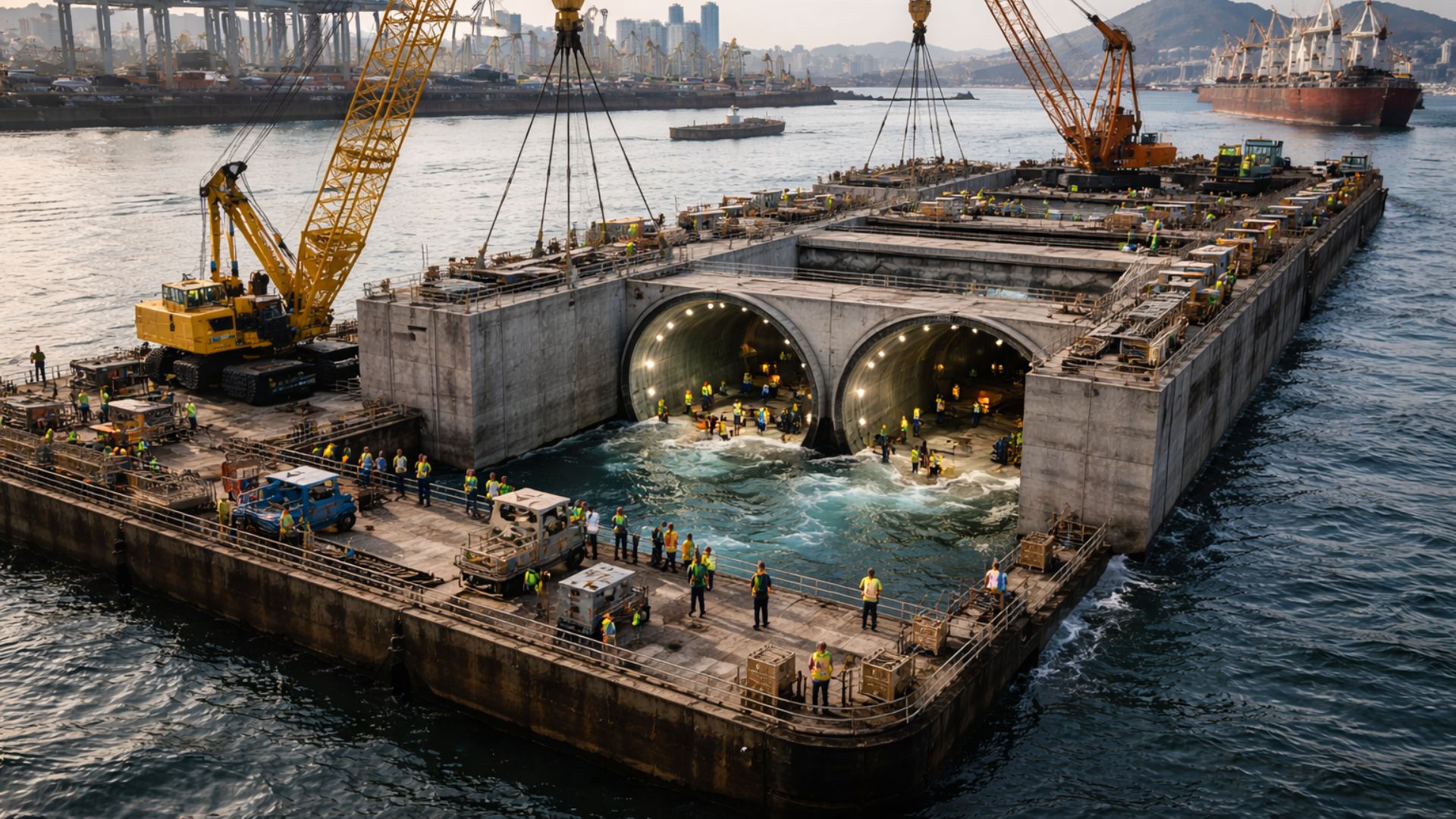
Billion-Dollar Project Promises to Change Mobility Between Santos and Guarujá with an Unprecedented Submerged Tunnel in the Country. Rapid Crossing of Vehicles Should Reduce Historical Congestion in the Baixada Santista, but the Traditional Ferry System Will Remain Active to Absorb High Daily Demand Between the Two Cities.
The future tunnel between Santos and Guarujá was planned to operate alongside the ferries, and not to replace the waterway system that currently connects the two cities.
The proposal from the São Paulo government is to combine the two modalities to reduce travel time, increase crossing capacity, and maintain an alternative in daily operation for residents, workers, and occasional users of the connection via the Santos Port canal.
According to the São Paulo government, the dry crossing through the tunnel should take about five minutes, with more predictability for the user.
-
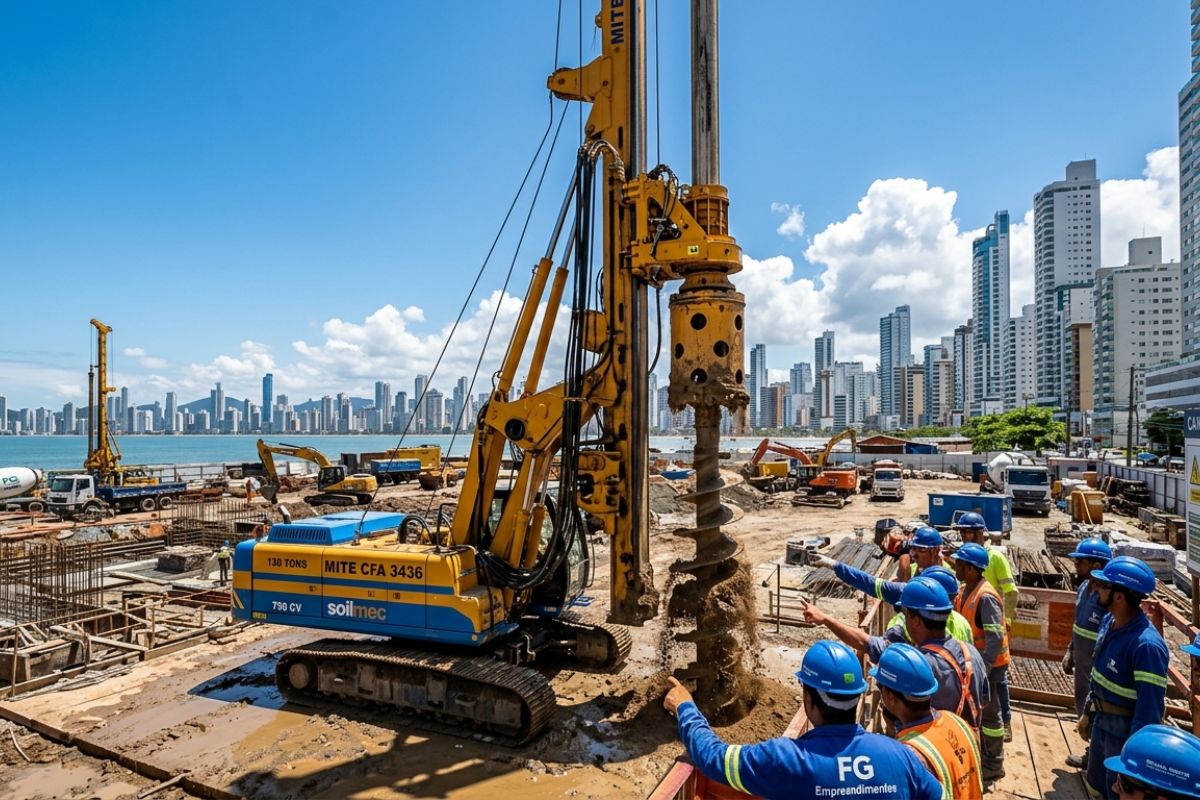
Italian giant of 130 tons arrives at the Senna Tower construction site and accelerates foundations: Mite CFA 3436 drills up to 50 m, 750 hp engine, investment of R$ 20 million, unique in Latin America.
-
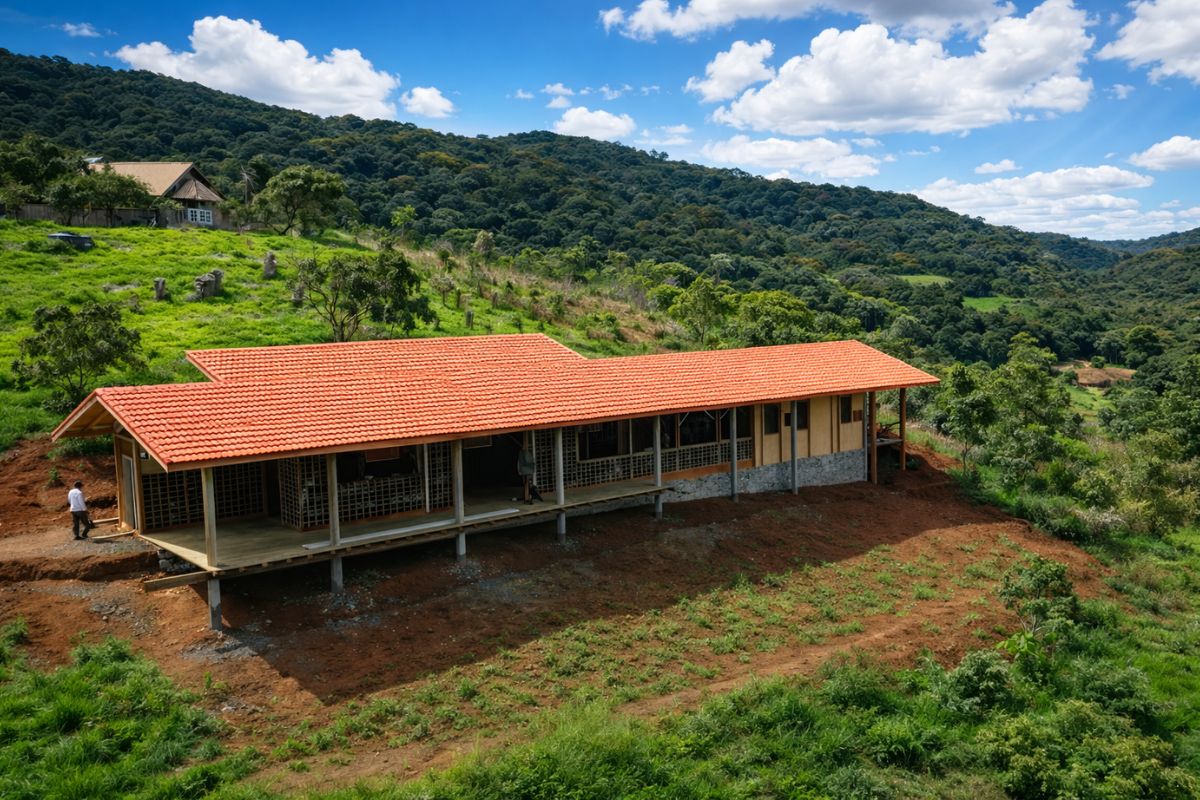
The adobe house in Monteiro Lobato takes shape with bamboo and clay from the land, a stone foundation, and a roof for the wind; cracks are normal, and finishing with lime turns it into a “common house.”
-
Four friends with over 30 years of friendship built a “mini village” by the banks of a river in Texas to grow old together, with houses of just 32 m² and a shared common space. The Bestie Row project has become a model of alternative living that is starting to spread around the world.

-
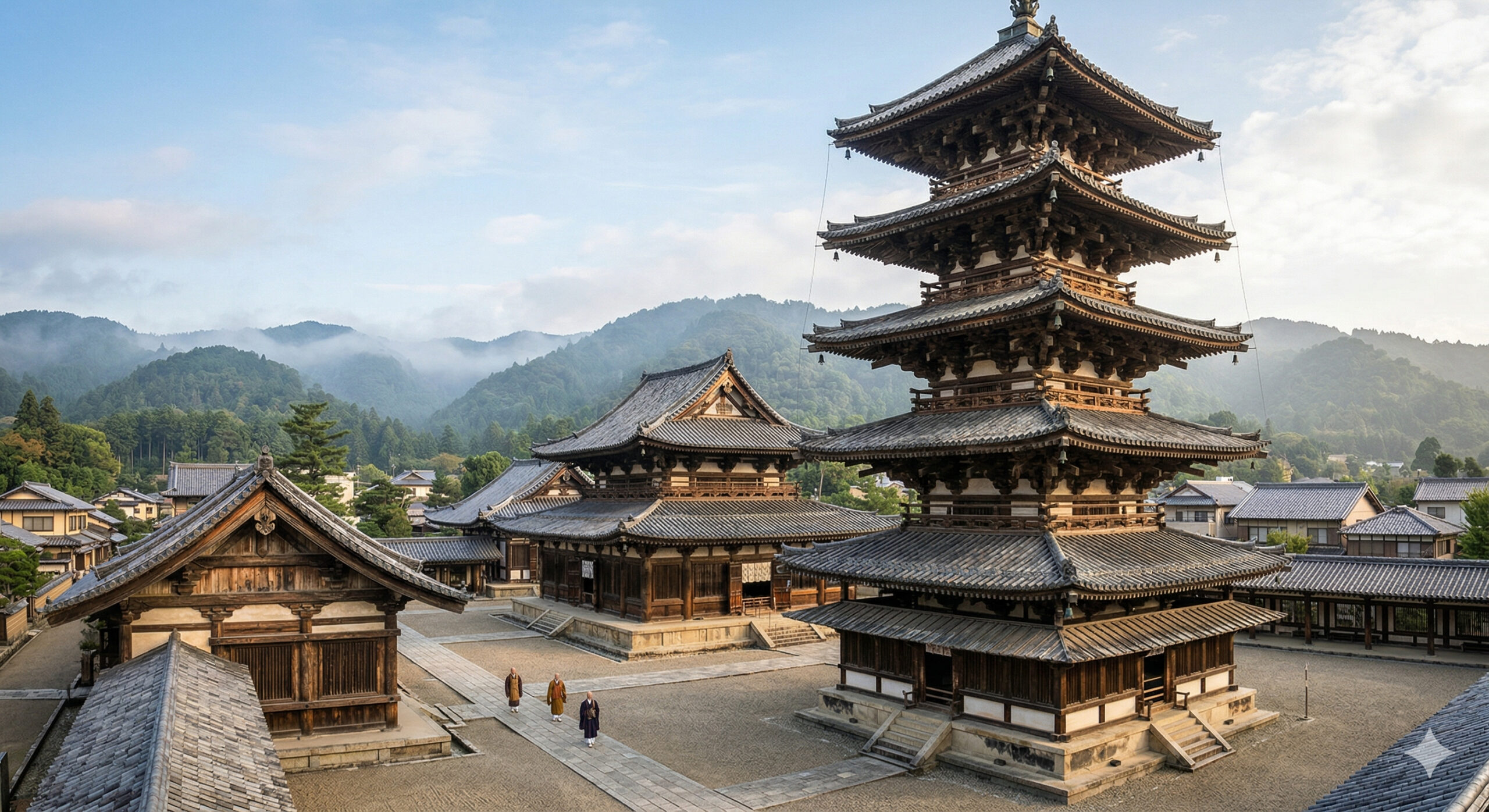
The ancient Japanese capital, planned over 1,200 years ago, still withstands earthquakes with colossal wooden temples and palaces, built without concrete or modern steel, by masters who created engineering capable of enduring centuries.

Still, the ferry system will continue to meet daily demand, on a corridor that currently moves over 21,000 vehicles, 7,700 cyclists, and 7,600 pedestrians each day between the two banks.
Integration Between Tunnel and Ferries in the Santos-Guarujá Crossing
The maintenance of the ferries is part of the model adopted by the state for mobility in the Baixada Santista.
In a statement reproduced by the government, the São Paulo administration claims that the tunnel should offer speed and predictability, while the waterway system will continue “in operation as a complementary alternative, maintaining daily service for users,” with no indication of ending the waterway crossing.
Today, the ferry crossing already operates 24 hours a day, but is impacted by factors such as weather conditions and the passage of ships in the port canal.
In this scenario, the tunnel appears as a new option to absorb part of the flow, especially of vehicles, while the vessels preserve operational flexibility during peak demand times or in specific situations of local routines.
How the First Immersed Tunnel in Brazil Will Be
The contract for the Public-Private Partnership of the tunnel was signed on January 28, 2026, with the Portuguese group Mota-Engil, the winner of the auction held in September 2025.
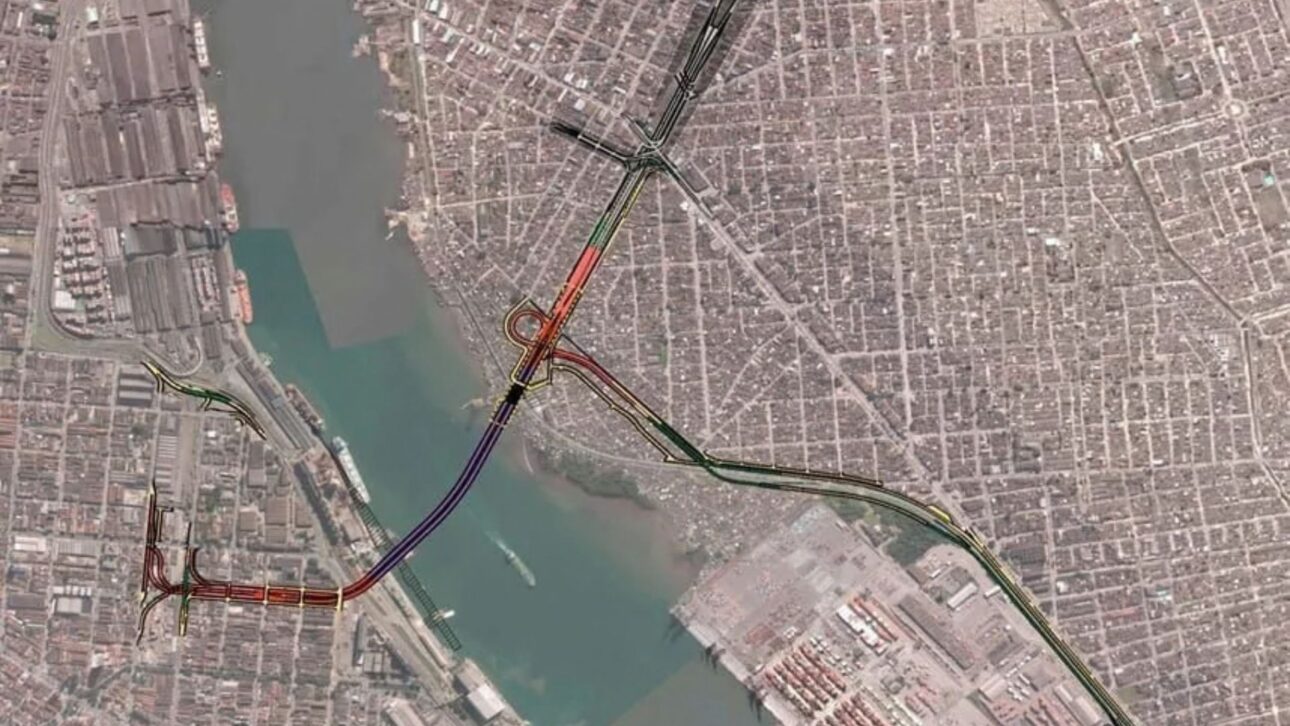
The venture foresees total estimated investment of R$ 6.8 billion, a concession period of 30 years, and the construction of the first immersed tunnel in Brazil, with modules manufactured outside the canal and then positioned underwater.
According to the project presented by the state, the structure will have 870 meters under the port canal and will integrate a system with three lanes in each direction, pedestrian and cyclist crossings, and a utility gallery.
The official estimate is that the new link reduces travel time to as little as five minutes, a journey that, via the current roadway between the two cities, can take nearly an hour.
The schedule published on the official project website states that 2026 will be dedicated to the development of functional and executive projects and additional studies.
The government expects to begin mobilization and initial works in 2027, manufacture the tunnel elements in 2028, and advance to immersion of the structures in the subsequent phase, within a timeline that indicates delivery by the beginning of the next decade.
Modernization of Watercrossings in São Paulo
In parallel with the tunnel, the system of watercrossings in the state has already been auctioned for concession.
In November 2025, the Acqua Vias SP consortium won the bid for the PPP of the sector, in a 20-year contract that foresees R$ 2.5 billion in investments to modernize 14 lines in different regions of São Paulo, including operations along the coast.
The package of improvements announced by the government includes the purchase of more than 40 new vessels, predominantly 100% electric models.
It also foresees rehabilitation and expansion of 20 terminals, workshops, operational control centers, and automation and safety systems.
The proposal also preserves the existing tariff structure and benefits, according to the official project presentation.
In the Santos-Guarujá crossing, the exemption for cyclists is still provided in the official information from the state system.
The published rates for cars and pickups are R$ 12.30, while motorcycles and similar vehicles have a fare of R$ 6.20, according to the table available on the portal for crossings managed by the state.
The tariff definition remains under state regulation and the text submitted did not bring any new official act altering these prices.
Logistical Importance of the Baixada Santista
The integration between tunnel, ferries, and other logistical fronts also appears in the recent discourse of the government for the Baixada Santista.
On February 26, 2026, the state presented in Santos the studies of the PLI-SP 2050, a long-term plan aimed at guiding public and private investments focused on the connection between highways, railways, waterways, ports, and airports.
In this planning, the Baixada Santista is treated as a strategic area as it accounts for R$ 79 billion of the São Paulo GDP.
The region concentrates activities linked to the port and gathers historical demands for mobility and logistics.
The Santos-Guarujá tunnel enters this context as a significant intervention within a larger set of infrastructure projects.
By keeping the ferries in operation even with the future submerged link, the government aims to avoid a transition based on a single modality and preserve a broader network of transportation between the two cities.
The logic adopted so far is to add transportation capacity, reduce bottlenecks, and better distribute demand in one of the most sensitive areas of urban and port circulation on the São Paulo coast.



-

-

-

-

-

-

96 pessoas reagiram a isso.