





 Portuguese
  English
  Spanish
 4 min of reading
  0 comments


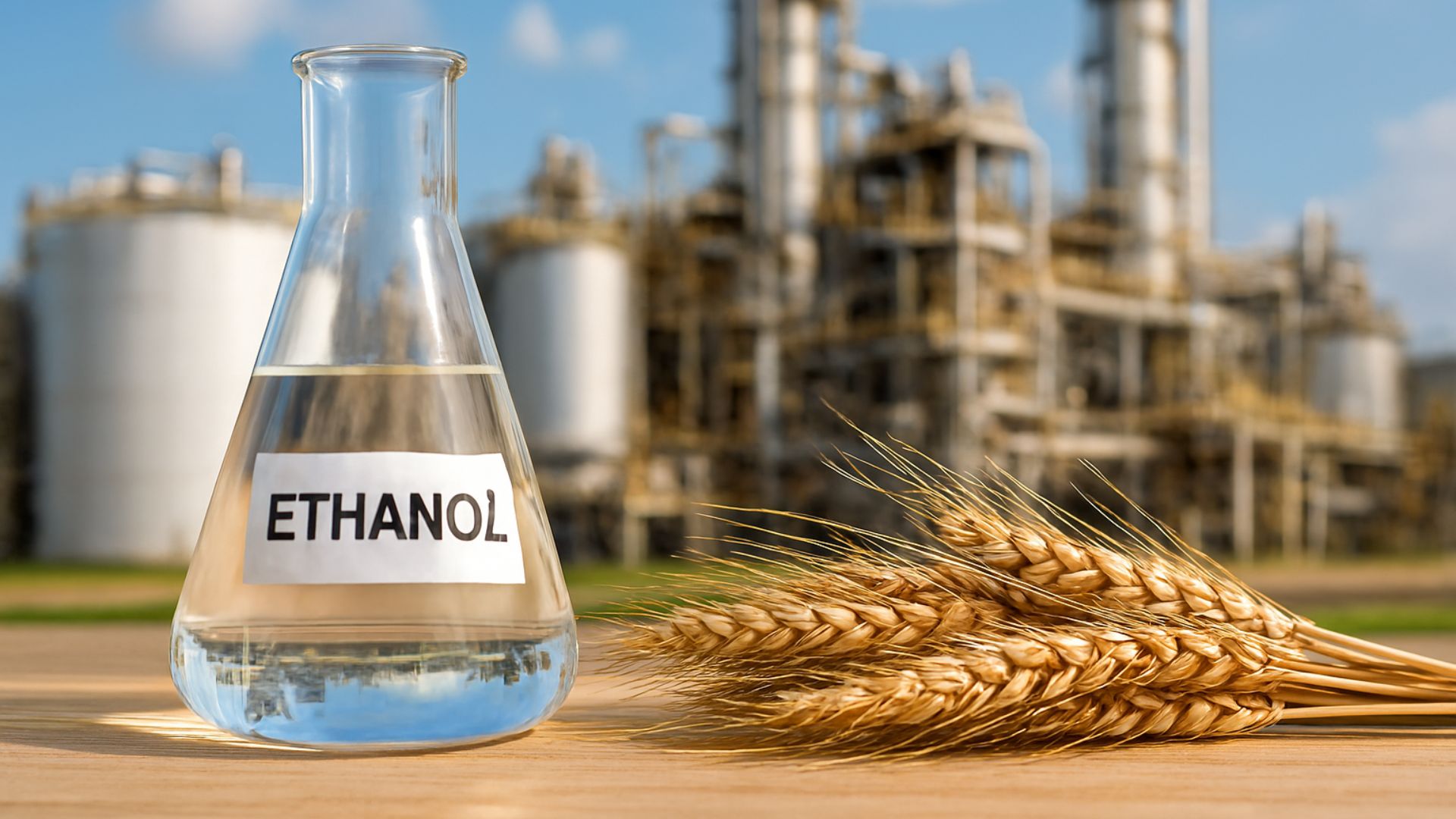
The First Wheat Ethanol Plant Receives Operation Authorization in Brazil and Marks a Strategic Advance in Rio Grande do Sul, Increasing Sustainable Biofuel Production and Strengthening the National Energy Transition
The state government has officially authorized the start of operations of C.B Bioenergia, located in Santiago, in the interior of Rio Grande do Sul, initiating the functioning of the first wheat ethanol plant in Brazil. The operation license was granted by the Secretary of the Environment and Infrastructure (Sema) and the State Foundation for Environmental Protection (Fepam) on this Monday (24), allowing for immediate industrial production to begin. According to official information, the project was approved after demonstrating environmental and technical compliance.
A Milestone for the Sustainable Energy Sector
The operation of the facility represents a new chapter for the production of biofuels in Rio Grande do Sul and in the country. This happens because:
- It is the first wheat ethanol plant in operation in Brazil, and it is located in Santiago (RS).
- The project was licensed after meeting all environmental requirements established by Fepam.
- The plant will allow for the production of ethanol as well as high-value-added byproducts for agricultural use, such as DDGS and WDGS.
Furthermore, the initiative contributes to the diversification of the state’s energy matrix and the reduction of dependence on fossil fuels. It is a strategic advance that strengthens the national effort for energy transition and the development of clean technologies.
-
Revolution in public transport: Goiânia puts into circulation the first articulated buses powered by biomethane in Brazil and promises to drastically reduce pollution on the Anhanguera Corridor.

-
From the field to the pipelines: Mato Grosso do Sul accelerates the energy transition and consolidates a new axis in renewable energy with the arrival of a giant biogas plant.
-
The Economist states that Brazil has a “secret weapon” against expensive oil and highlights how the country can reduce economic impacts even in international scenarios of high volatility.
-
Brazil accelerates decarbonization in the South: International forum in Foz do Iguaçu gathers leaders to discuss the advancement of biomethane in the energy matrix and the potential of “caipira pre-salt.”

Productive Capacity and Technical Characteristics of the Wheat Ethanol Plant
The industrial plant is installed on an area of approximately 150,000 square meters, with a projected capacity to produce 1,300 m³ per month of hydrated alcohol and 1,140 m³ of neutral alcohol, according to official data.
In addition to ethanol, the plant will manufacture:
- 810 tons of DDGS (dried grains)
- 2,160 tons of WDGS (wet grains)
These co-products have high potential use in the livestock chain, mainly for animal feed, adding value and promoting the so-called circular economy.
The project is expected to generate 28 direct jobs initially, positively impacting the local economy and increasing the supply of skilled labor in the region.
Raw Material and Ethanol Production Process
The plant will use different grains as raw material, with a focus on wheat. Additionally, it may also use triticale, barley, rye, and corn in the ethanol production. This model ensures flexibility and greater operational security.
The industrial process includes the classic production stages:
- Reception and weighing of grains
- Grinding and preparation
- Saccharification and fermentation
- Distillation and purification
- Storage of ethanol
The system follows recognized technical and environmental standards, ensuring efficiency, safety, and final product quality.
New Impetus for the Regional Agriculture
The installation of the plant represents a concrete opportunity to strengthen agriculture in Southern Brazil. This is because it increases the use of winter crops as energy input, creating new market possibilities for farmers.
Expansion of Agricultural Production
The demand for wheat for energy production can stimulate:
- the increase in planted area,
- the appreciation of regional crops,
- the diversification of the producer’s income.
For many farmers, this expansion may bring access to a more stable market with high growth potential.
High-Value-Added Co-Products
The co-products from the grain processing have high application in the livestock sector, being used in the feeding of cattle, pigs, and other animals. Thus, the plant not only generates biofuel but also creates a productive cycle that strengthens different production chains of the regional agribusiness.
Clean Energy and Sustainability in Rio Grande do Sul
According to the secretary of Sema, Marjorie Kauffmann, expanding biofuel production in Rio Grande do Sul is crucial to driving a cleaner energy matrix.
Producing ethanol from grains is a viable and sustainable alternative compared to fossil fuels. This mode of production contributes to:
- the reduction of greenhouse gas emissions,
- the achievement of environmental goals,
- the decarbonization of the economy.
This same technology allows regions that do not have adequate conditions for sugar cane cultivation to advance in their own sustainable biofuel production.
Challenges and Prospects for Ethanol Production
Even with all the advances, the sector still faces significant challenges. Among them:
- Ensuring continuous supply of agricultural raw materials.
- Expanding logistical and industrial capacity.
- Strengthening incentive policies and infrastructure.
Moreover, it is necessary to monitor agricultural production to avoid impacts on food production areas. However, the economic, social, and environmental benefits demonstrate that the model is viable and strategic for the future.


Initiative of Rio Grande do Sul: Strategic Advance for the Country
The start of operations of the first wheat ethanol plant in Brazil consolidates an innovative project and places Rio Grande do Sul in a prominent position in the production of sustainable biofuels. The state is already distinguished by initiatives aimed at ethanol derived from grains, especially due to new investments announced in the sector.
This inauguration marks an important step for the Brazilian energy transition as it contributes to increasing the supply of renewable fuels, diversifying agricultural production, and strengthening the local economy.
In addition, the project demonstrates that the sector can grow with environmental responsibility and generate jobs, income, and regional development. For producers, consumers, and the government, the enterprise represents a concrete opportunity to expand clean energy production and advance towards a more sustainable and competitive economy.








-

Uma pessoa reagiu a isso.