





 Portuguese
  English
  Spanish
 5 min of reading
  0 comments


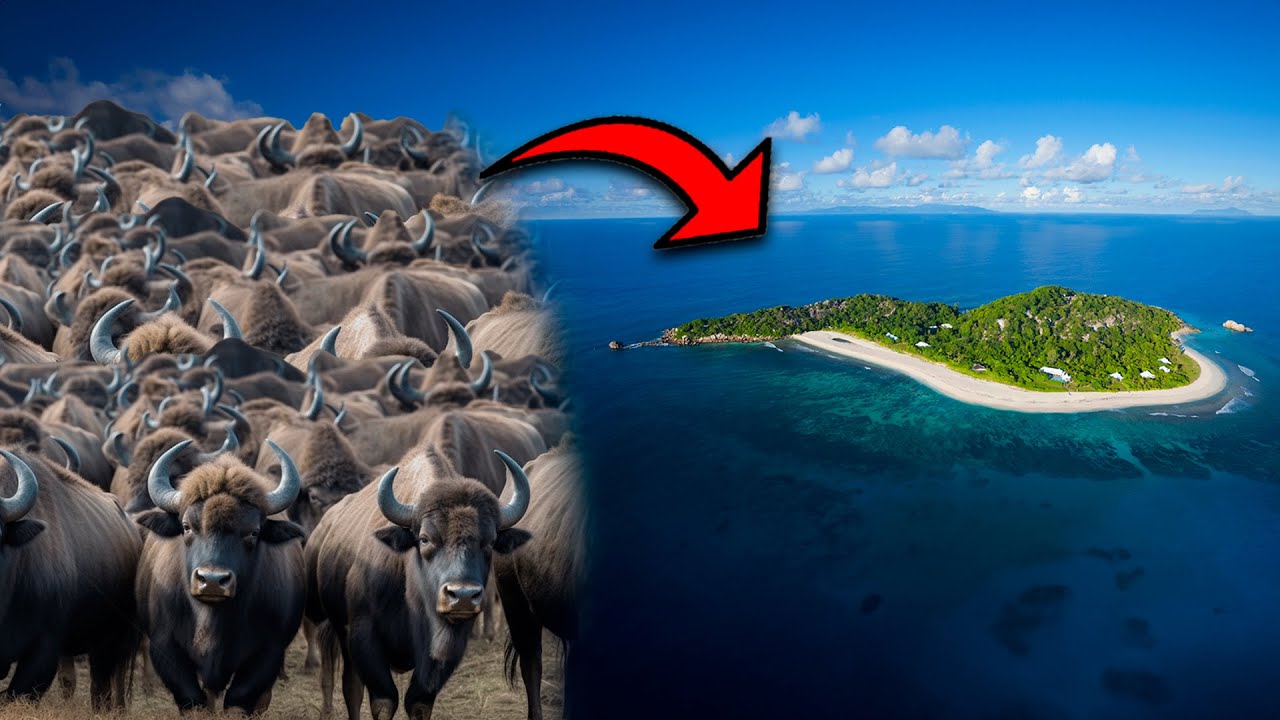
On Marajó Island, The Largest Herd of Buffalo in Brazil Thrives in Flooded Fields, Sustaining Thousands of Families and Creating a Unique Livestock System in the World.
At the mouth of the Amazon River, where water dictates the rhythm of life and solid land is temporary, there exists a model of livestock farming that challenges everything taught in traditional manuals. Marajó Island in Pará is home to the largest concentration of buffalo in Brazil, with a herd estimated in the hundreds of thousands of animals spread across natural fields that remain submerged for much of the year. In some municipalities, the number of buffalo exceeds the human population, a fact that helps to understand the scale of this unique system.
What makes Marajó a unique case is not just the size of the herd, but the fact that this model simply could not be replicated elsewhere in the country. Where cattle face losses, diseases, and low productivity, buffalo thrive. Mud, intense heat, flooded areas, and rough pastures, typically seen as obstacles, are exactly the elements that sustain this livestock farming.
The Origin of Buffalo Farming in Marajó and Adaptation to the Amazon Environment
The history of buffalo farming in Marajó began in the 19th century when the first animals, brought from Asia, were introduced to the region. The adaptation was rapid and surprising. The buffalo found an environment extremely similar to its native habitats, characterized by swampy lands, abundant vegetation, and high temperatures.
-
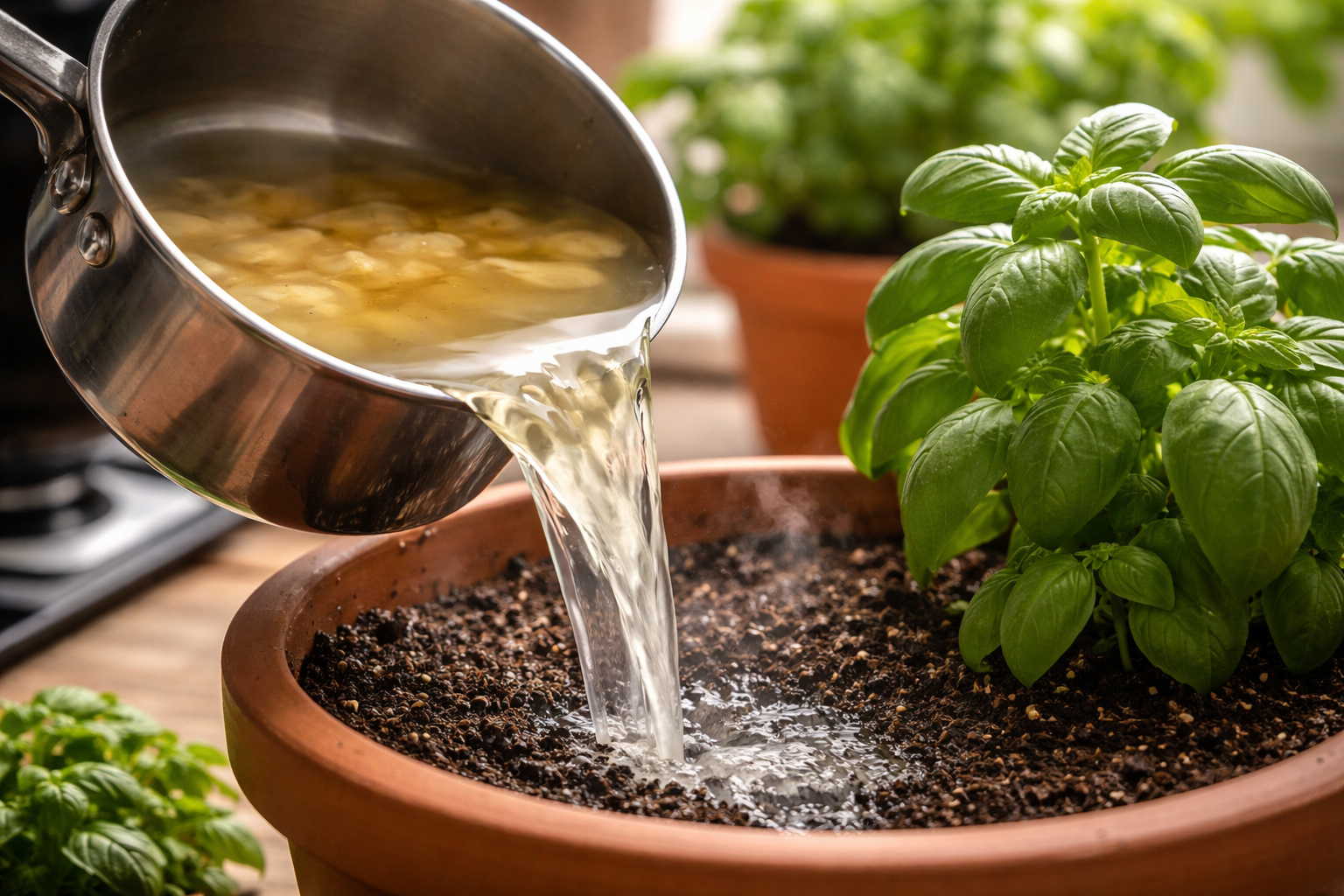
The water that almost everyone throws away after cooking potatoes carries nutrients released during the preparation and can be reused to help in the development of plants when used correctly at the base of gardens and pots, at no additional cost and without changing the routine.
-
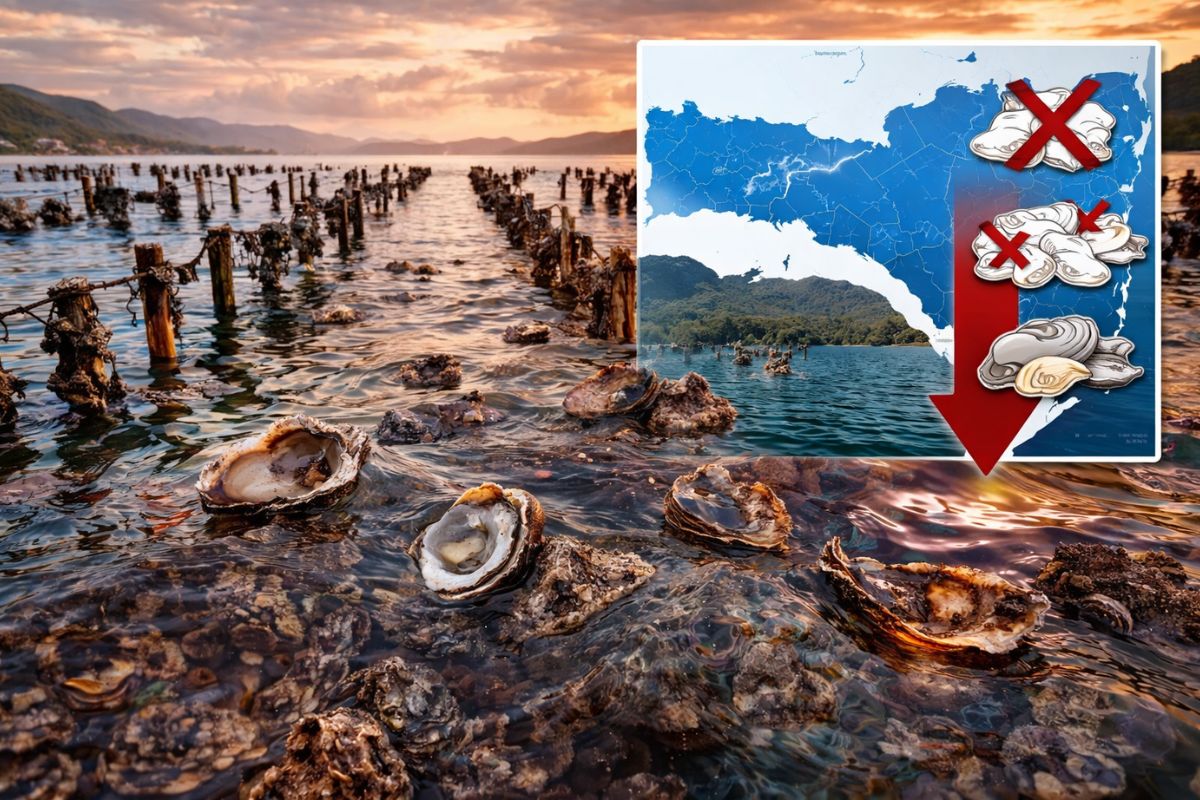
The sea water temperature rose from 28 to 34 degrees in Santa Catarina and killed up to 90% of the oysters: producers who planted over 1 million seeds lost practically everything and say that if it happens again, production is doomed to end.
-
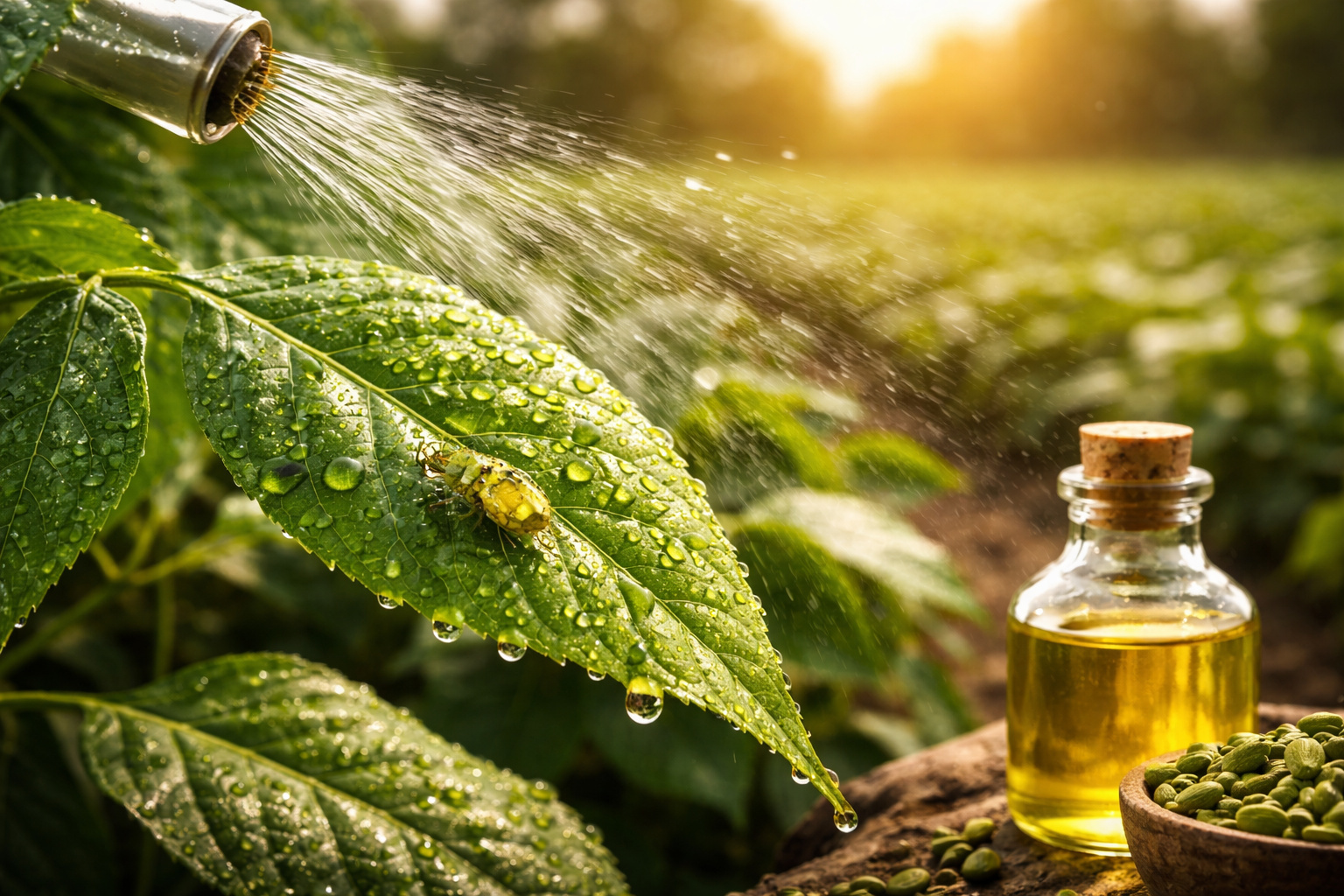
An Indian tree that grows in the Brazilian Northeast produces an oil capable of acting against more than 200 species of pests and interrupting the insect cycle, gaining ground as a natural alternative in soybean, cotton, and vegetable crops.
-
The rise in oil prices in the Middle East is already affecting Brazilian sugar: mills in the Central-South are seeing their margins shrink just as ethanol gains strength.




Over the decades, buffalo farming transitioned from an experimental endeavor to a cornerstone of the local economy. Buffalo farming became a central activity, shaping land occupation, production cycles, and even the customs of the population. Unlike other regions in Brazil, where livestock farming was imposed on the environment, in Marajó it emerged from it.
Flooded Fields, Seasonal Flooding, and a System That Works Underwater
During the rainy season, large areas of the island become completely flooded for months. Roads disappear, transportation changes, and the landscape transforms into a vast mosaic of flooded fields. For the buffalo, this is not an issue. On the contrary.
The animal moves easily in the water, maintains its diet, and uses the flooded environment as an ally to regulate its body temperature and reduce parasite prevalence.

Meanwhile, conventional cattle farming systems would be unviable under these conditions. The buffalo, due to its physiology and behavior, turns an extreme scenario into a productive advantage.
When water levels drop, the fields reappear, and the livestock reorganizes almost automatically, without the need for significant human intervention.
An Extensive Livestock Farming Model Based on Knowledge of the Territory, Not Inputs
The Marajó model is essentially extensive. It relies much less on industrial feed, confinement, or heavy infrastructure than the intensive systems of the Central-South region of the country. The main input here is knowledge of the territory: knowing when the water rises, when it falls, which areas remain firm, which become flooded, and how to guide the herd through these cycles.
This type of livestock farming requires experience accumulated over generations. It is not a simple financial investment equation but a system built on observation, adaptation, and time. This is why, even with available technology, the model has not expanded to other regions in a similar way.
Production of Meat, Milk, and the Direct Impact on the Local Economy
The productive chain of buffalo farming in Marajó sustains thousands of families, both directly and indirectly. Buffalo meat, recognized for being leaner and with lower cholesterol compared to beef, has gained market share in regional and national markets.
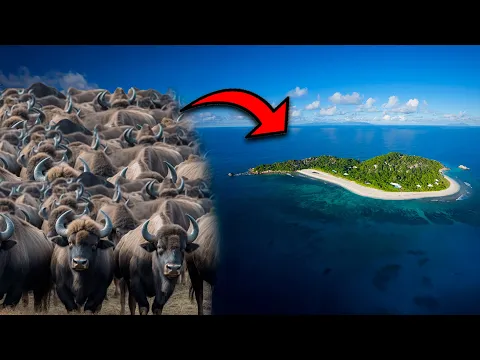
Buffalo milk is another economic pillar. Rich in fat and protein, it forms the basis of an artisanal dairy production that has become a symbol of the island. The cheese from Marajó, recognized as cultural heritage, is just the most famous product from a chain that adds value, identity, and tradition to food.
The Buffalo Beyond Production: Transportation, Work, and Culture
On Marajó, the buffalo is not just a productive unit. In flooded areas, it is also used as a means of transportation and support for rural work, pulling loads and facilitating movement where conventional vehicles cannot operate. This functional relationship reinforces the historical bond between the animal and the local population.
The buffalo is part of the landscape, the festivals, the cuisine, and the Marajó identity. Buffalo farming has shaped not only the economy but also the way of life.
Why This Model Cannot Be Replicated on a Large Scale in Brazil
Despite its success, buffalo farming in Marajó is not a ready-made formula to be copied. Without naturally floodable fields, equatorial climate, and adapted vegetation, the system loses efficiency. In other regions, the cost to artificially reproduce these conditions would be too high.
This unique character also imposes limits. The logistics are complex, access is difficult, and environmental pressure requires constant care. Any disorderly expansion could compromise the balance between water, soil, and herd — precisely what sustains the system.

A Rare Example of Livestock Farming Shaped by Nature, Not Against It
The largest buffalo herd in Brazil did not arise from large industrial projects, nor from imported technological packages. It was born from adaptation to an extreme territory. In a place where cattle cannot thrive, the buffalo found the space to dominate.
Thus, Marajó Island has become a national and international reference in extensive buffalo farming, showing that, in some cases, producing more does not mean controlling the environment, but learning to operate within it.
The inevitable question remains: can this model inspire a more adapted and less aggressive livestock farming in other regions of Brazil, or does it only work because it was born exactly where it should?









-

-

-

-

-

-

68 pessoas reagiram a isso.