





 Portuguese
  English
  Spanish
 5 min of reading
  14 comments


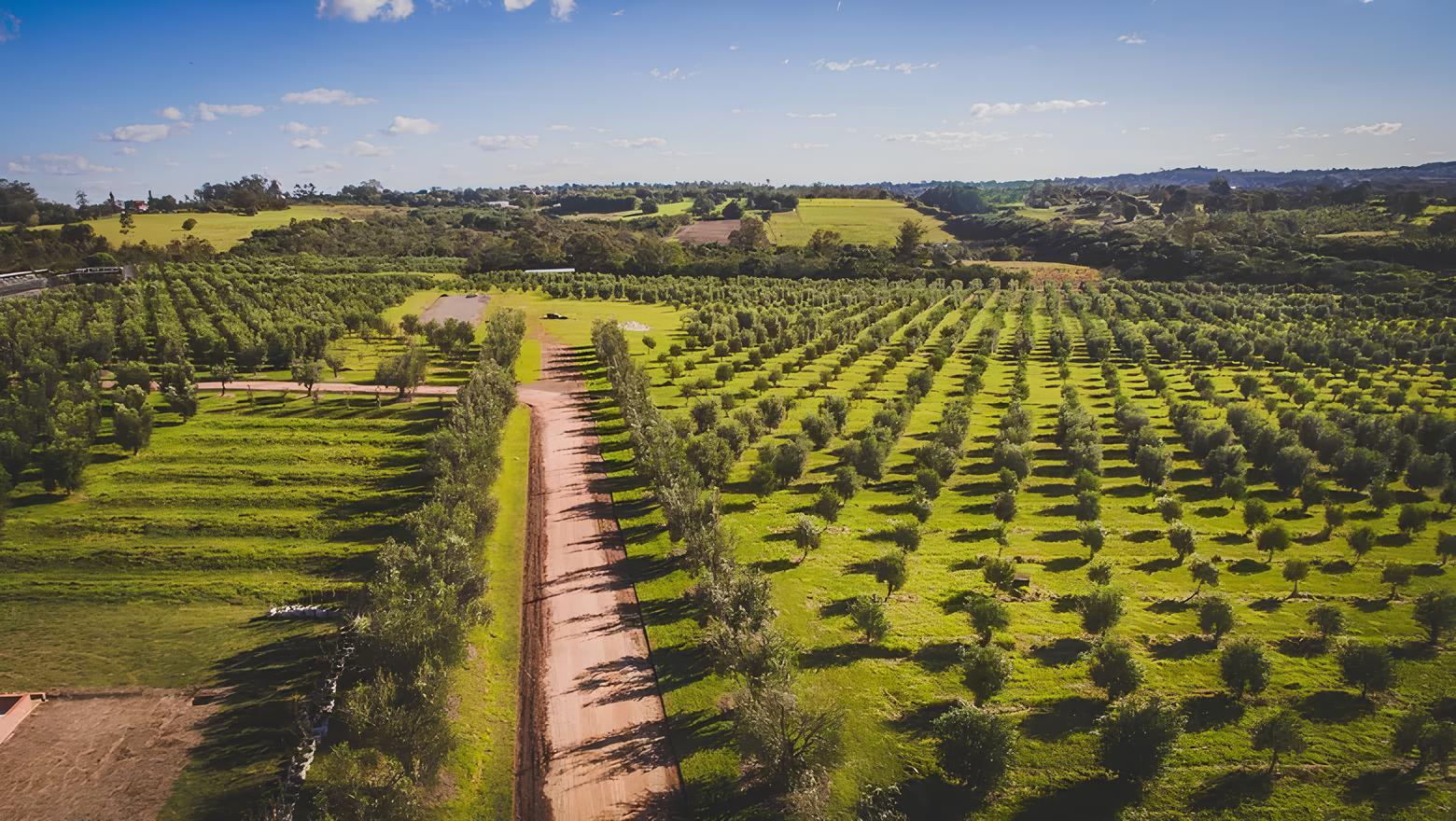


The Largest Olive Farm in Brazil Is Located in Rio Grande do Sul, with Millions of Trees, Award-Winning Olive Oils and an Agricultural Bet That Changed the National Agribusiness.
For decades, the idea of producing olive oil on a significant scale in Brazil was seen as almost a joke in the agricultural sector. The consensus was simple: good olive oil only came from the Mediterranean. Spain, Italy, Portugal, and Greece dominated the market, while Brazil limited itself to importing practically everything it consumed. This scenario began to change in Rio Grande do Sul, where a group of producers decided to invest in something that seemed unlikely and ended up creating the largest continuous area of olive trees in the country.
Today, the state concentrates the largest Brazilian olive groves, with millions of trees planted, a growing production of award-winning extra virgin oils, and a sector that has moved from being experimental to becoming a new frontier of national agribusiness.
The Origin of the Bet: Similar Climate, General Disbelief
The choice of Rio Grande do Sul was not random. Regions such as Campanha Gaúcha and Serra do Sudeste have cold winters, dry summers, and well-drained soils, characteristics similar to the traditional olive growing areas in southern Europe.
-
The Argentine government celebrates the lowest poverty rate in 7 years, but experts warn that the methodology has changed, real wages have fallen, unemployment has risen, and the number of people on the streets of Buenos Aires has increased by 57% since Milei took office.

-
7.8 magnitude earthquake in Indonesia frightens the population, triggers tsunami alert, and hits an island with over 200,000 inhabitants this Thursday.

-
Google will finally let you change that embarrassing Gmail address you created in your teenage years without losing any accounts, logins, or old emails: the feature is already available in the United States.

-
Heading to Brazil in a Bonanza F33 single-engine aircraft: a couple departs from Florida on a visual flight, makes technical stops in the Caribbean to refuel and organize paperwork, and begins the staged crossing until they reach the country.


Even so, when the first projects emerged, they faced strong skepticism. Experts doubted the adaptation of the seedlings, investors saw high risks, and many traditional farmers did not believe that Brazilian olive oil could compete in quality with imported oil.
It was precisely this discredit that opened the door for unlikely investors: urban entrepreneurs, rural producers from other crops, and even professionals without a history in agriculture, attracted by the combination of innovation, added value, and an expanding market.
Millions of Trees and Unprecedented Scale in the Country
Currently, Rio Grande do Sul hosts the largest olive plantation in Brazil, with areas totaling millions of cultivated feet spread across large properties. Some farms concentrate hundreds of thousands of trees in a single venture, something unthinkable in the country just over a decade ago.
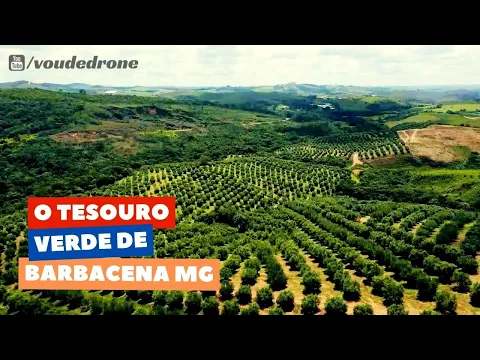

These olive groves use internationally renowned varieties, such as Arbequina, Koroneiki, Picual, and Arbosana, chosen after rigorous adaptation testing to the local climate. The planting follows modern standards, with technical spacing, controlled irrigation, and management designed for mechanized harvesting.
Brazilian Olive Oil That Became an International Award
The definitive turning point came when the first olive oils from Rio Grande do Sul began to be evaluated outside of Brazil. In international competitions, labels produced in the state started to win medals and recognitions, proving that quality was not exclusive to the Mediterranean.
- These oils stood out for characteristics such as:
- intense fruitiness
- low acidity levels
- extreme freshness, thanks to rapid extraction after harvest
- competitive sensory profile with imported products
The recognition changed the perception of the domestic market and made Brazilian consumers start to see national olive oil as a premium product, and not just as a curiosity.
Technology and Precision from Field to Industry
Unlike traditional European olive groves, many projects in Rio Grande do Sul were born with a modern industrial mindset. Harvesting is planned to occur at the exact point of ripeness, often mechanized, reducing losses and ensuring standardization.
The olives go directly to own mills, installed within or near the farms. This detail is crucial, as the time between harvesting and extraction directly influences the quality of the olive oil. In some cases, this interval is just a few hours — something rare even in traditional countries.
Rural Tourism and Olive Oil as an Experience
- In addition to production, the large olive groves of Rio Grande do Sul have begun to heavily invest in rural tourism. Farms have opened their gates to visitors, offering:
- guided tours of the olive groves
- technical tastings of olive oil
- restaurants with harmonized menus
- specialized shops
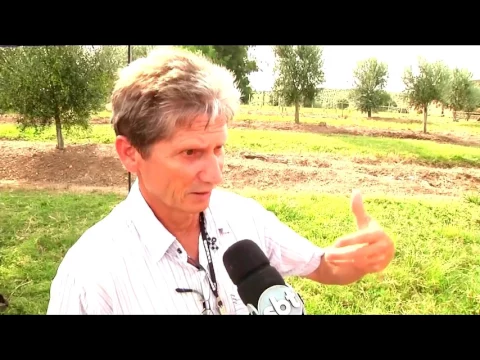
Olive oil has ceased to be just an agricultural product and has become a cultural experience, attracting tourists from all over the country and helping to consolidate the identity of the sector.
The Challenge That No One Has Completely Overcome Yet
Despite the success, Brazilian olive farming still faces a central challenge: sufficient scale to reduce dependence on imports. Brazil remains one of the largest importers of olive oil in the world, and national production, although growing, still represents a fraction of domestic consumption.
Additionally, the sector deals with climatic risks, such as excessive rainfall during critical periods, off-season frosts, and variations in productivity between harvests. It is a long-term game that requires continuous investment, agronomic research, and patience — virtues not always common in modern agribusiness.
A Structural Change in Brazilian Agribusiness
Even with these obstacles, the largest olive plantation in Brazil has already played a historical role: it has broken the dogma that the country could not produce high-quality olive oil. What began as a discredited bet has become an organized, technified, and recognized production chain.
Rio Grande do Sul has ceased to be just an indirect importer of olive oil and is beginning to write its own story in the sector, showing that Brazil can indeed compete in markets traditionally dominated by centuries of European tradition.
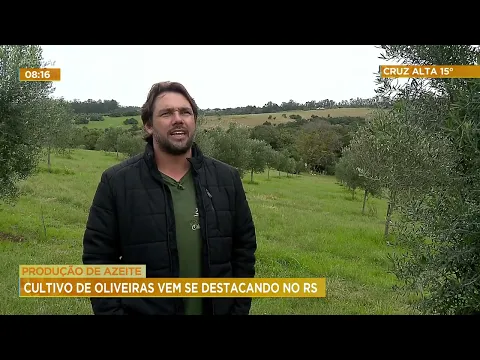
The olive farming in Rio Grande do Sul proves that major transformations in agriculture do not arise from consensus but from bets that many consider improbable. Between skepticism, investment, and persistence, Brazilian olive oil has ceased to be an exception and is starting to become an identity.
And you, reader: should Brazil invest even more in national premium olive oils or continue to mainly bet on imported products?










Qualidade é ótima, mas custo é mais que o dobro do importado…
Milhões???
Estimativa de área plantada: 6.200 hectares.
Não cabe nem um milhão de pés…
O problema é o preço elevado….