





 Portuguese
  English
  Spanish
  5 min of reading
  0 comments


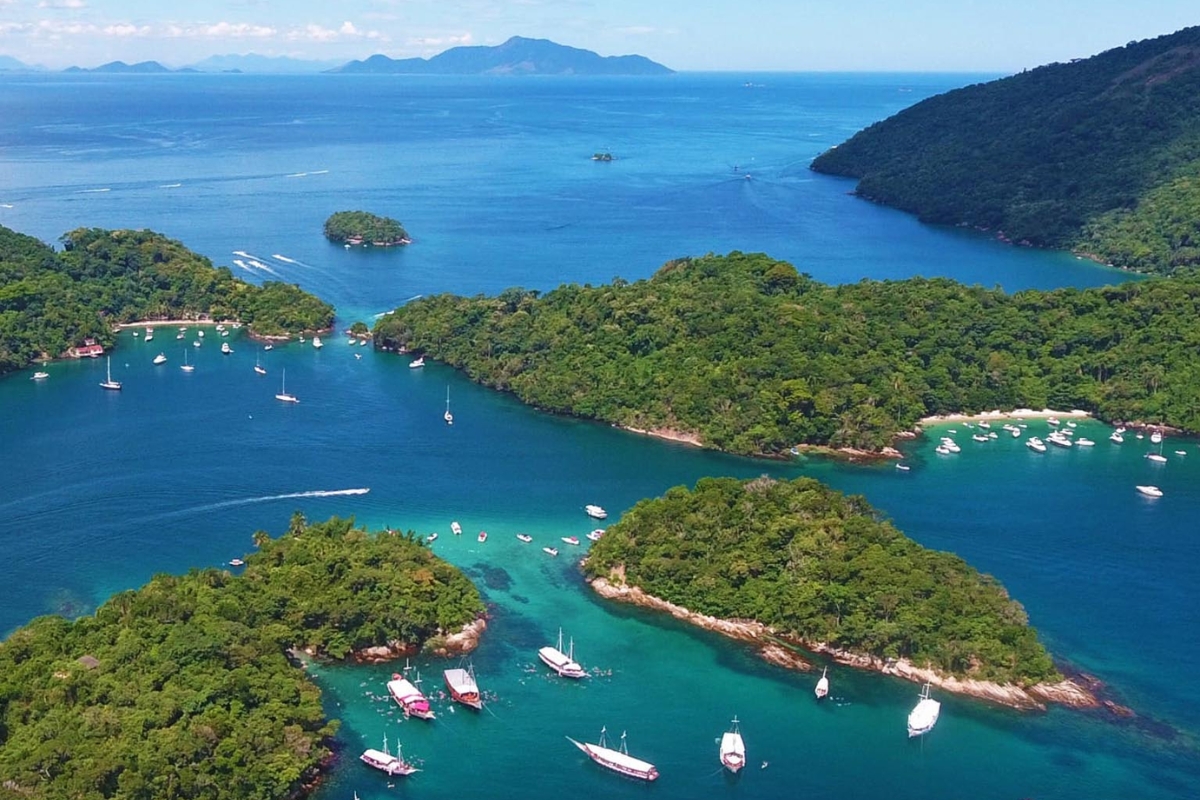
Angra dos Reis Backed Down After Controversy Over R$ 95 Fee to Enter Ilha Grande. The Charge Will Be Reduced, Scaled, and Discussed at Alerj, While the City Hall Expects to Collect R$ 150 Million a Year
The fee that promised to “organize” tourism in Angra dos Reis became one of the hottest topics in the state of Rio. Within a few weeks, what began as a silent proposal of R$ 95 per visitor gained national attention, became a topic at Alerj, mobilized associations, entrepreneurs, residents, and pressured the city hall to back down.
At the center of the discussion is the Ilha Grande, recognized by UNESCO as a World Heritage Site, which receives more than 1.2 million visitors a year — and has been dealing with structural sanitation and waste disposal problems for decades.
Today, the Sustainable Tourism Fee (TTS) is seen simultaneously as an environmental solution and an economic threat. While the city hall defends the charge as a source to finance goals such as “Zero Sewage” and “Zero Waste” by 2028, part of the tourism sector claims that the measure may push away precisely those who keep the island’s economy alive: the visitors.
-
Friends have been building a small “town” for 30 years to grow old together, with compact houses, a common area, nature surrounding it, and a collective life project designed for friendship, coexistence, and simplicity.

-
This small town in Germany created its own currency 24 years ago, today it circulates millions per year, is accepted in over 300 stores, and the German government allowed all of this to happen under one condition.

-
Curitiba is shrinking and is expected to lose 97,000 residents by 2050, while inland cities in Paraná such as Sarandi, Araucária, and Toledo are experiencing accelerated growth that is changing the entire state’s map.

-
Tourists were poisoned on Everest in a million-dollar fraud scheme involving helicopters that diverted over $19 million and shocked international authorities.

The R$ 95 Fee That Sparked the Crisis
The text approved in the City Council provided for a fixed charge of R$ 95 per person to enter Ilha Grande — in a municipality that attracts 1.8 million tourists a year. The repercussions were immediate: hotels, inns, guides, boatmen, and merchants claimed that the amount was “disproportionate” and did not match the economic reality of those visiting the area.
The criticism gained even more strength when an uncomfortable detail came to light: a study by the city hall itself recommended a fee of only R$ 2.70, exclusively aimed at environmental preservation. The approved version stipulated that the money would go directly into the city’s general fund, without specific allocation.
The Association of Lodging Establishments of Ilha Grande (AMHIG) called the charge “unfair and harmful.” In a calculation that quickly went viral on social media, the entity highlighted:
“A couple with two children will spend nearly R$ 1,180 just on the boat and fee. Is this an incentive for tourism?”
The statement resonated so much that it became fuel for both in-person and online protests.

Alerj Joins the Game: Public Hearing Called
With mounting pressure, the Environmental Defense Committee of Alerj called a public hearing at 10 a.m. to discuss the Sustainable Tourism Fee and hear representatives from the sector, residents, environmentalists, and the city hall itself.
The official agenda can be consulted on Alerj’s portal.
Deputies began to question primarily:
- the allocation of the funds, since the original version was not tied to preservation
- the social and economic impact on low-income families
- the lack of prior dialogue with those who live and work in Ilha Grande
The discussion paved the way for the retreat.
City Hall Backs Down and Announces Scaling of TTS
After weeks of criticism, the city hall presented a revised version of the charge. The change significantly reduces the initial amount and creates a progressive model:
Starting in 2026
- Visitors from the mainland: R$ 23.75 (5 UFIRs)
- Visitors staying on Ilha Grande: R$ 47.50 (10 UFIRs)
- Additional daily fee: R$ 2.37 (0.5 UFIR)
Scheduled Discounts
- 2026: 50% discount
- 2027: 25%
- 2028: full amount
The city hall also announced that the revenue will be used for sanitation, security, and tourist infrastructure, with a total focus on environmental goals — a clear attempt to respond to previous criticisms.
Who Is Exempt from the Fee
The list of exemptions includes:
- Residents of Angra dos Reis and families up to 2nd degree
- Service providers working on the island
- Children up to 12 years old
- Seniors over 60 years old
- Registered transportation in Cadastur
- Tourist packages sold until December 2025, with boarding until July 2026
In practice, the greatest financial impact falls on the ordinary tourist.
Why Does Angra Want to Raise R$ 150 Million a Year?
According to estimates released by the city hall on the official news portal, the TTS could yield around R$ 150 million annually. With this money, the plan is to:
- expand sewage treatment systems
- reduce the impacts of overcrowding during holidays
- cover cleaning, collection, and waste disposal costs
- enhance security
- invest in basic tourist infrastructure
Environmentalists argue that, without a permanent funding source, Ilha Grande faces the risk of progressive deterioration. The tourism trade acknowledges the problem but advocates for a “realistic and proportional” amount.
Ilha Grande: A Threatened and Disputed Gem
Ilha Grande is considered one of the best-preserved destinations along the Brazilian coast, with trails, waterfalls, secluded beaches, and internationally recognized biodiversity. However, it also faces chronic problems: according to surveys from Cedae and the State Government, part of the sewage produced on the island still does not undergo adequate treatment, and waste collection is insufficient during peak periods.
This scenario reinforces the city hall’s argument for an environmental fee. However, the chosen model — and the initial amount — caused the idea to be met with strong rejection.
The Dispute That Will Define the Future of Local Tourism
The coming months will be crucial for the TTS to take permanent shape. The hearing at Alerj could result in profound adjustments or even in the suspension of the fee depending on political, legal, and economic pressures.
On one side, entrepreneurs and residents argue that the fee needs to be reduced and transparent. On the other side, environmentalists and the municipal administration assert that, without permanent resources, Ilha Grande will not endure more decades of intense tourism.
Whatever the decision, one thing is for sure: the fee has become the main debate of the summer in Rio — and it is likely to remain at the center of discussions about sustainability and tourism development in Brazil.










Seja o primeiro a reagir!