





 Portuguese
  English
  Spanish
 5 min of reading
  0 comments


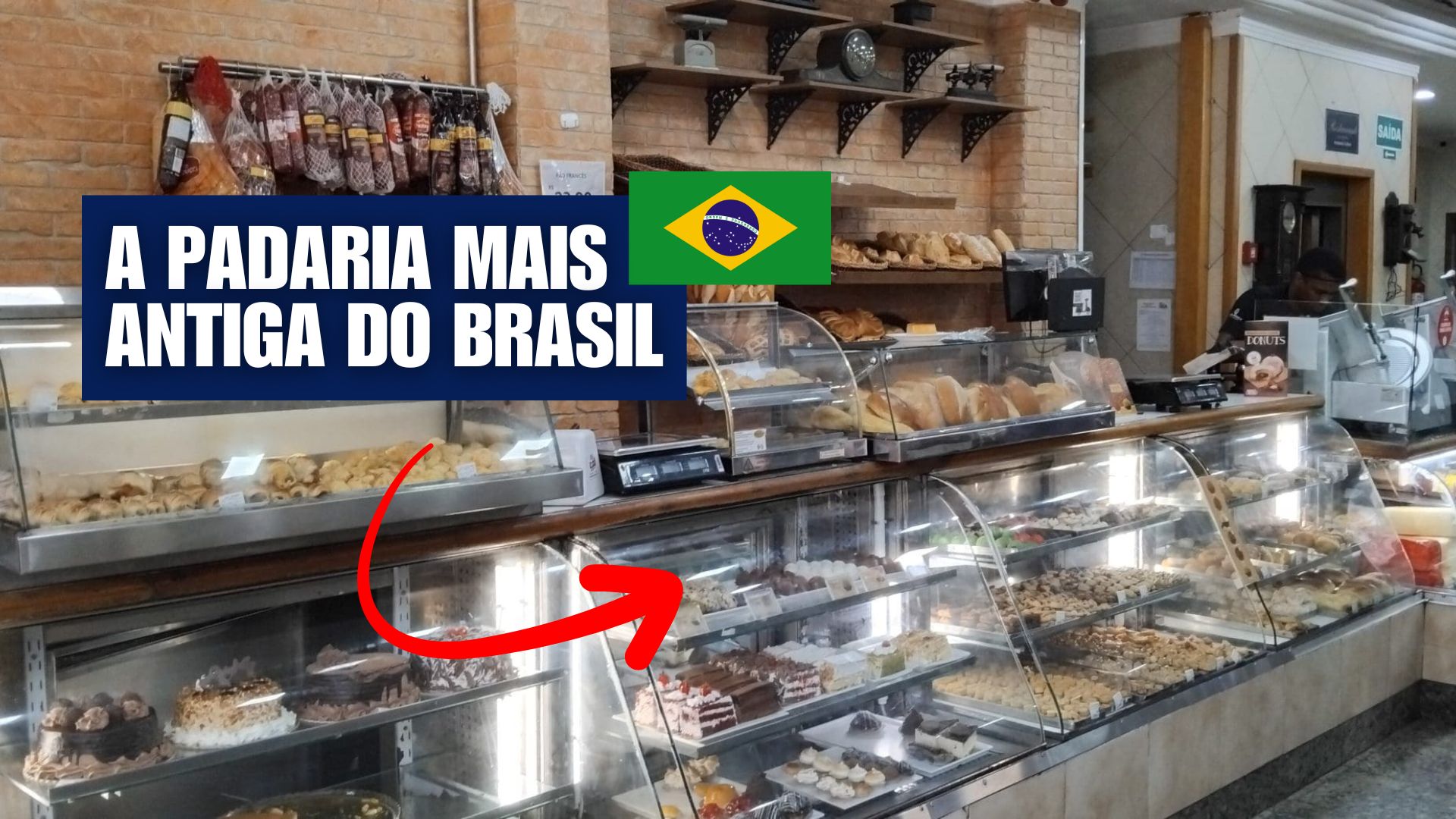
Bakery Founded in 1872 in the Center of São Paulo Preserves Recipes, Traditional Methods, and a Historical Environment That Has Withstood Great Urban Transformations, Maintaining Relevance for Residents, Tourists, and Researchers of Paulist Memory.
The Santa Tereza Bakery, considered by historians and urban memory organizations as the oldest bakery in operation in Brazil, has been functioning for over 150 years in the historical center of São Paulo, just a few steps from the Cathedral of Sé.
Founded in 1872, it maintains recipes from the 19th century and an environment associated with traditional establishments of the period, attracting residents, tourists, and workers who pass through the area daily.
History of the Oldest Bakery in Brazil
When it opened its doors in 1872, São Paulo had the characteristics of a medium-sized city, with streets bustling with carts and commerce concentrated in a few blocks.
-
The Argentine government celebrates the lowest poverty rate in 7 years, but experts warn that the methodology has changed, real wages have fallen, unemployment has risen, and the number of people on the streets of Buenos Aires has increased by 57% since Milei took office.

-
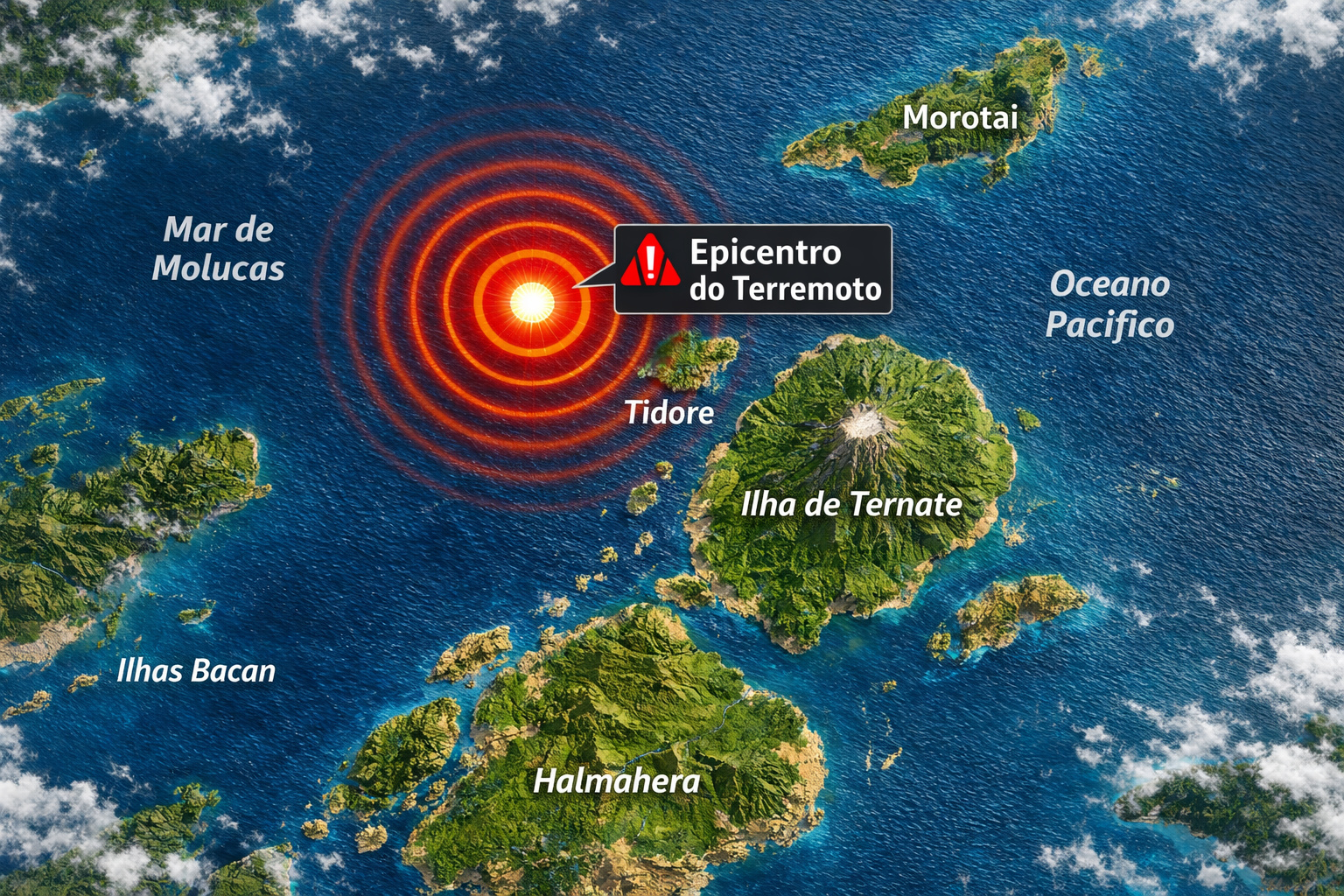
7.8 magnitude earthquake in Indonesia frightens the population, triggers tsunami alert, and hits an island with over 200,000 inhabitants this Thursday.
-
Google will finally let you change that embarrassing Gmail address you created in your teenage years without losing any accounts, logins, or old emails: the feature is already available in the United States.

-
Heading to Brazil in a Bonanza F33 single-engine aircraft: a couple departs from Florida on a visual flight, makes technical stops in the Caribbean to refuel and organize paperwork, and begins the staged crossing until they reach the country.


It was in this context that Santa Tereza began its activities, initially on the old Rua Santa Tereza, right in the center.
Historical records indicate that the bakery served early on those who worked or passed through the area in the early hours of the morning.
As the decades passed, the surroundings underwent significant changes.
The arrival of streetcars, urban renewal projects, the construction of the current Cathedral of Sé, and later, the implementation of the subway completely altered the urban landscape.

Santa Tereza accompanied these processes and remained a well-known commercial point in the central area.
The bakery, which has previously operated at another address nearby, is now located near Praça João Mendes, in a property that preserves characteristics of traditional commerce.
In the vicinity, the intense flow of pedestrians, buses, and subway lines contrasts with the internal pace of the dining area, where some customers opt for full meals instead of quick snacks.
According to longtime patrons, the place retains elements that hark back to the period before the verticalization of the region, such as wide display windows and classic decor inspired by bakeries and pastry shops in Europe that influenced the first establishments in São Paulo.
Traditional Recipes Kept for Over a Century
Although the surroundings have transformed, the menu remains a direct link to the 19th century.
Santa Tereza retains dishes that are not frequently found in contemporary bakeries, including chicken soup and cream croquettes, mentioned by the managers as some of the most sought-after items.
According to employees and customers, these dishes have crossed generations with few alterations in their preparation.
Many visitors seek these traditional recipes to experience flavors associated with the early decades of the bakery’s operation.
The bakery offers current items but retains the dishes that marked its journey on the menu.
The house-made breads remain a central part of production, with batches baked throughout the day.
The pastry section features cakes, pies, puddings, and sweets made using techniques considered classic by culinary experts, displayed in the showcases right at the entrance.

Desserts follow traditional recipe standards, reinforcing the historical identity of the place according to researchers studying old establishments in the city.
This set of preparations serves as a record of the urban culinary repertoire from earlier times.
Instead of transforming these items into exclusively memory pieces, the bakery keeps them in daily production, serving a clientele that includes residents, workers, students, and tourists seeking references from the historical center.
Preserved Environment and Routine of Central SP
The physical space is also noted by visitors as part of the experience.
The main hall features tables, showcases, and counters in a well-lit environment, allowing one to observe both the internal movement and the constant flow on the sidewalks and the square in front.
During peak hours, the traffic of orders and trays shows that the place remains integrated into the region’s routine.


On the mezzanine, there is a small restaurant with a view of the area near Praça João Mendes and the Cathedral of Sé.
At this level, service tends to occur at a steadier pace, with tables occupied by those who have more time for meals.
The upper view allows observation of street movements, which typically attracts some of the audience.
The interior preserves period elements, such as wooden details and traditional counter arrangements.
According to historians consulted by the São Paulo press over the years, the collection of accumulated adaptations demonstrates the longevity of the establishment, which has accompanied successive urban transformations.
Santa Tereza as a Tourist Attraction and Cultural Reference

The location in an area of historical interest means that the bakery is included in guided tours through the center.
Tourists visiting the Cathedral of Sé, Pátio do Colégio, and other buildings in the region often stop for meals or coffee.
Specialized guides highlight Santa Tereza as an example of preserved traditional commerce.
Reports published by media outlets and researchers indicate that public figures such as Adoniram Barbosa, Nelson Gonçalves, and Jânio Quadros frequented the location at various times.
These references help compose the history of the bakery as a meeting point for diverse profiles.
For residents, Santa Tereza is associated with the idea of continuity in the historical center, according to specialists studying urban memory.
For tourists, it offers the chance to observe a São Paulo prior to the major transformations of the 20th century.









Seja o primeiro a reagir!