





 Portuguese
  English
  Spanish
  4 min of reading
  0 comments


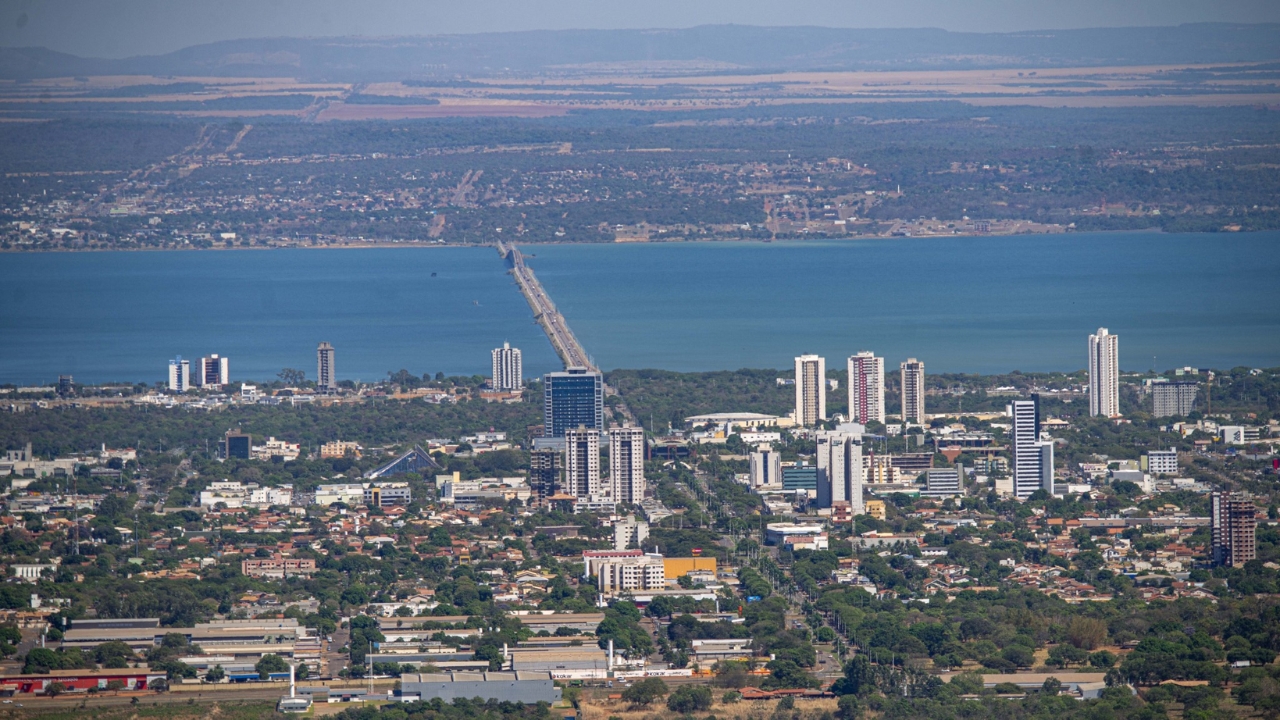
The Youngest Capital in the Country Invested in Wide Streets and Roundabouts to Keep Traffic Flowing, Directly Impacting the Routine of Those Who Circulate Through the City.
Palmas gained prominence for a rare detail among Brazilian capitals: the city was planned to operate without traffic lights for many years.
The choice influenced the way of driving, crossing avenues, and organizing daily flow, creating a more continuous traffic throughout much of the urban perimeter.
The capital of Tocantins also stands out for being one of the newest in Brazil, founded in 1989, with urban design conceived from the start to grow in an organized manner.
-
The Argentine government celebrates the lowest poverty rate in 7 years, but experts warn that the methodology has changed, real wages have fallen, unemployment has risen, and the number of people on the streets of Buenos Aires has increased by 57% since Milei took office.

-
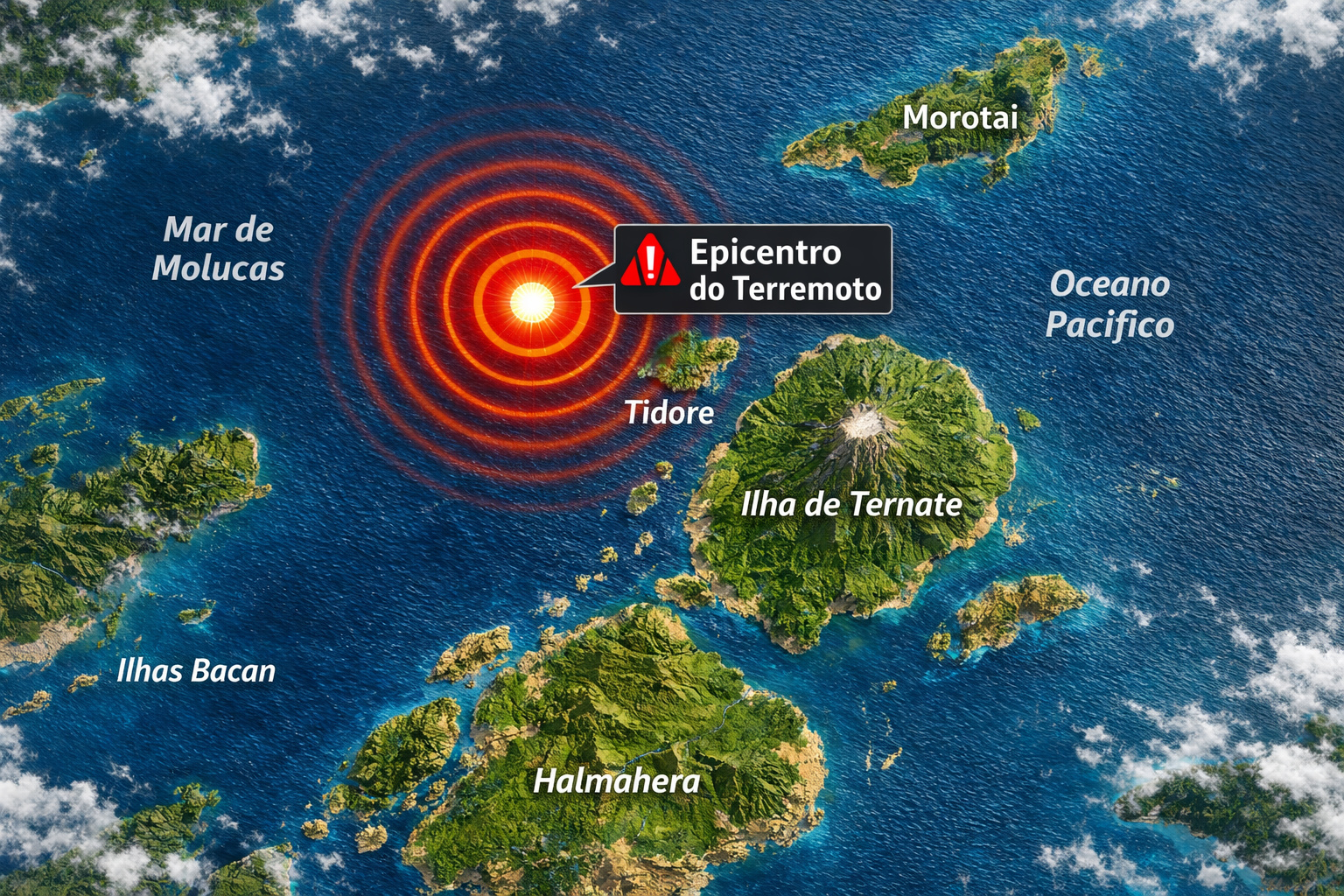
7.8 magnitude earthquake in Indonesia frightens the population, triggers tsunami alert, and hits an island with over 200,000 inhabitants this Thursday.
-
Google will finally let you change that embarrassing Gmail address you created in your teenage years without losing any accounts, logins, or old emails: the feature is already available in the United States.

-
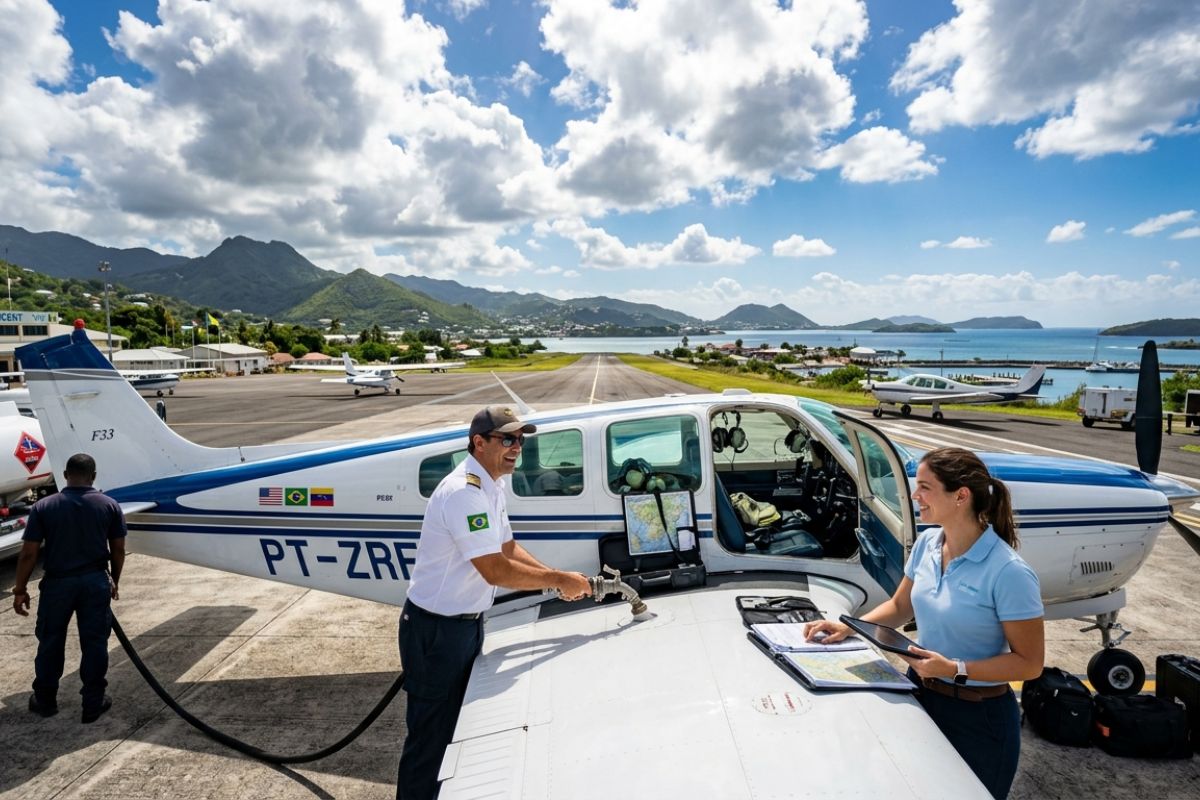
Heading to Brazil in a Bonanza F33 single-engine aircraft: a couple departs from Florida on a visual flight, makes technical stops in the Caribbean to refuel and organize paperwork, and begins the staged crossing until they reach the country.

What Happened and Why It Caught Attention
Palmas was created as a planned city, focused on simple circulation and wide roads. This point opened the door for a traffic model that eliminated traffic lights in its initial phase.
Instead of lights controlling each crossing, the design prioritized more direct paths and intersections with good visibility. The proposal aimed to reduce frequent stops and prevent vehicle accumulation.
The result was an uncommon dynamic for a capital, especially in the Brazilian scenario, where traffic lights are a central part of urban daily life.
How the City Tried to Keep Traffic Flowing

The foundation of the system was the use of roundabouts, wide returns, and intersections that favor traffic reading. The logic is to keep the movement continuous whenever possible.
The broad avenue structure helped distribute vehicles and reduce conflict points. This also reduces the need for constant sequential braking.
This type of solution tends to work better when the city can maintain controlled expansion and preserve the original layout.
Why Palmas Managed to Adopt This Model
Planning from scratch was decisive. Palmas did not need to adapt old streets or redesign established neighborhoods to fit a new mobility logic.
The city was designed to grow horizontally, with long and spaced roads. This format facilitates the use of open intersections and provides more predictability for drivers.
Another factor was the lower traffic volume in the beginning, which allowed the system to be sustained for a long time without the need for large-scale traffic signaling.
What Changes in Practice with the City’s Growth
With the increase in population and vehicle flow, some traffic lights began to appear at specific points. Installation tends to occur where there is a higher concentration of circulation.
Areas with commerce and more intense movement usually require more control to organize entrances, exits, and crosswalks. Even so, the model based on roundabouts still marks the local urban experience.
This change shows how mobility needs to adjust as the city develops and gains new demands.
Why the Case of Palmas Becomes a Reference in Urbanism
The city demonstrates how urban design decisions impact the routine of those who live and circulate through a capital. When the layout is planned in advance, traffic can operate with fewer interventions.
The example also fuels discussions about planning, road safety, and alternatives to reduce constant stops. It is not a simple model to replicate in dense and old centers.
Still, Palmas remains a case that helps to understand the weight of urban design on mobility.
Points of Attention and Common Questions
A system without traffic lights depends on adequate infrastructure and predictable behavior in traffic. Roundabouts and open intersections require constant attention and quick reading of the flow.
In larger and more densely populated cities, the volume of vehicles and the mix of uses make implementation more complex. Palmas stands out precisely for having been planned and with directed growth from the beginning.
The presence of traffic lights in some areas indicates a natural adaptation, without erasing the mark of an urban project that sought to simplify circulation.
Palmas became known for being designed to operate without traffic lights, betting on wide roads and solutions like roundabouts to maintain the flow.
The case reinforces how a well-defined urban project from the outset can influence mobility for decades, even as the city grows and demands specific adjustments.









-

-

-

-

8 pessoas reagiram a isso.