





 Portuguese
  English
  Spanish
  3 min of reading
  0 comments


Navy Leads Unique Project That Strengthens Sovereignty, Boosts Industry and Highlights Brazil in the Global Scenario
Brazil advances with the largest military project in Latin America. The first nuclear-powered submarine is being developed in an advanced phase, under the leadership of the Brazilian Navy.
The objective is to ensure sovereignty at sea, modernize the naval fleet, and place the country among nations with consolidated military nuclear technology.
In the municipality of Iperó, in the interior of São Paulo, the Aramar Industrial Center covers 8.5 square kilometers and focuses on the development of the nuclear reactor.
-
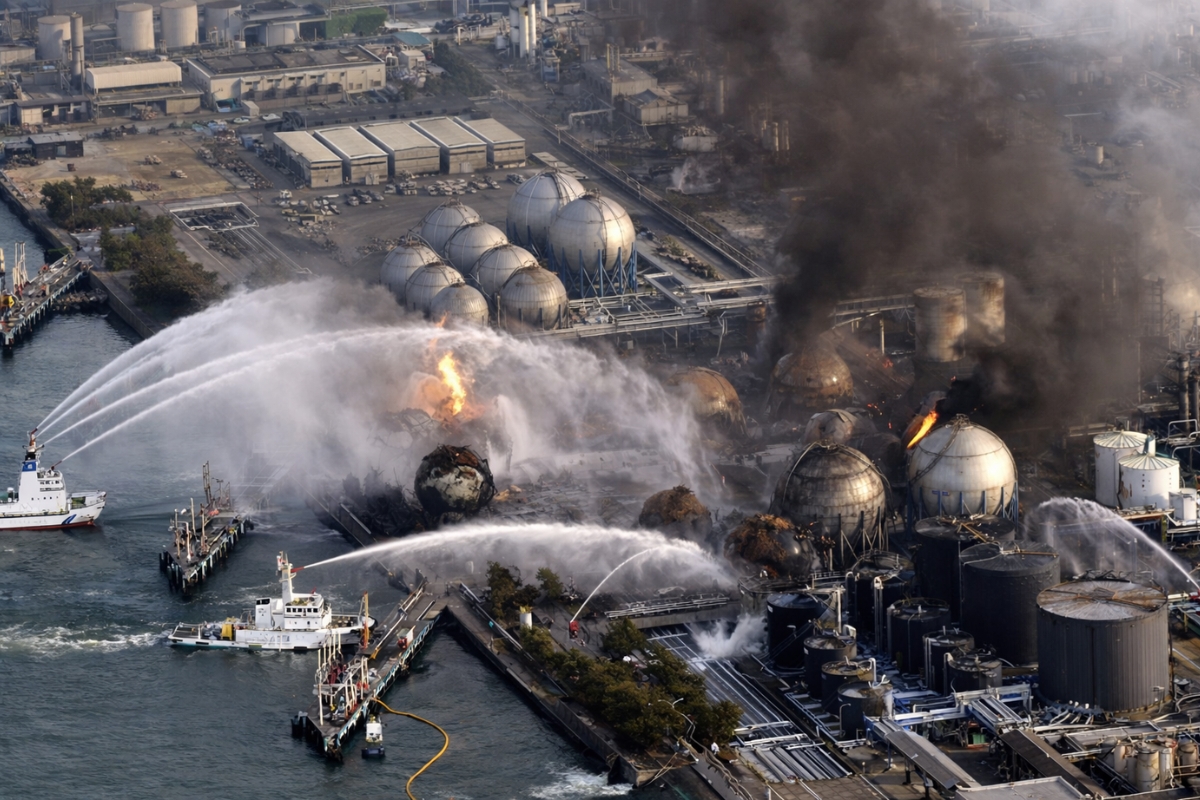
Fukushima Marks A Turning Point In Japan’s Energy Policy: After The Disaster, The Country Shut Down Its 54 Nuclear Reactors And, 15 Years Later, Only A Small Portion Have Returned To Operation
-
How Japan Overcame The Nuclear Bomb And Now Houses Millions In Hiroshima, While Ukraine Lost Chernobyl?

-
Bill Gates Receives Historic Approval to Build Giant 345 MW Nuclear Plant in the U.S. and Promises to Generate Up to 500 MW of Energy with Innovative Technology

-
India Opens Nuclear Energy to Private Capital to Accelerate Projects and Attract Billions, While Brazil Remains Stalled at Angra 3 and Discusses Who Will Foot the Bill for Completion
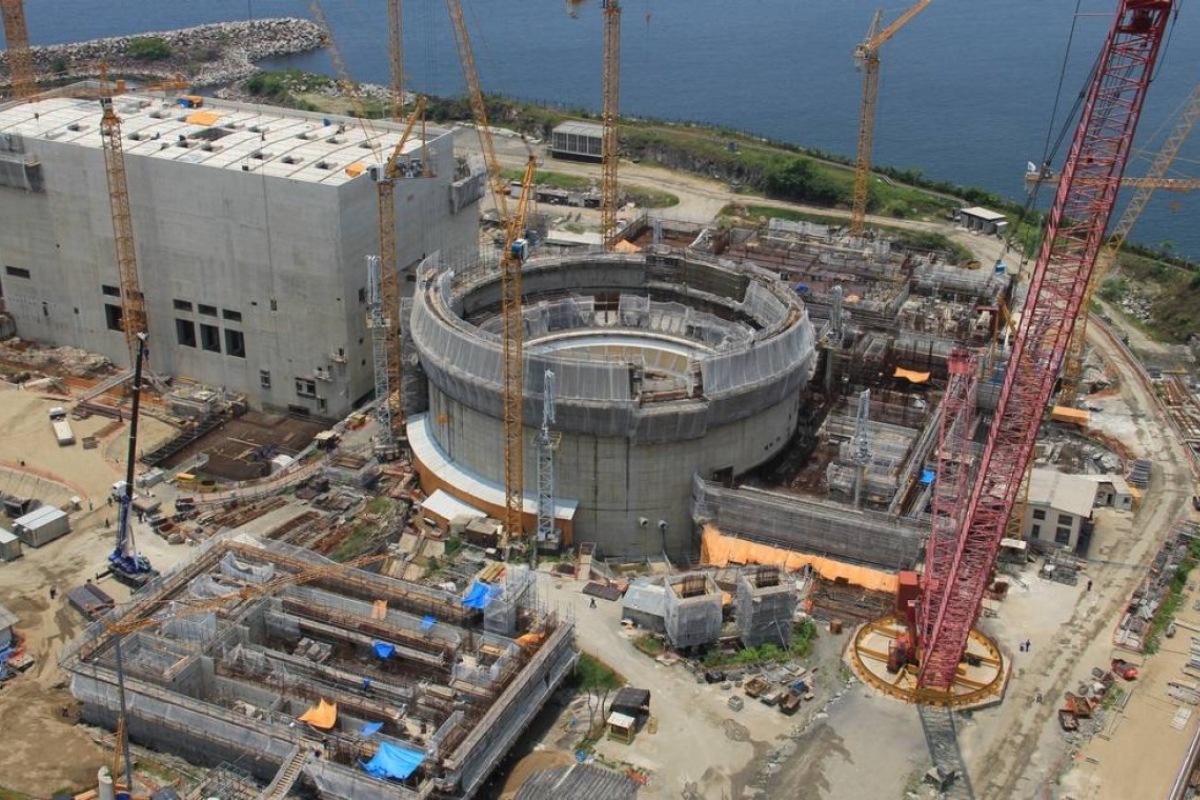

This reactor will be responsible for powering the submarine. The vessel will be built by the end of the next decade in Itaguaí, Rio de Janeiro.
The project is strategic for controlling the Blue Amazon, a maritime area of over 4.5 million km² under Brazilian jurisdiction.
According to Celso Mizutani, director of the Navy’s technological center, the extent of the coast requires constant surveillance and defense means with great autonomy.
Therefore, nuclear propulsion ensures more time of operation at sea, without the need for refueling during long mission periods.
National technology provides autonomy and makes Brazil less dependent on external partners, which enhances defense capacity and logistical protection.
Nuclear Submarine Expands Brazil’s International Influence and Strengthens Discourse at the UN
Brazilian military technology also serves as a diplomatic trump card. Political scientist Paulo Ramirez from ESPM states that the submarine bolsters Brazil’s candidacy for the UN Council.
The presence of such a large piece of equipment demonstrates that the country has real conditions to integrate international forces with the capacity for autonomous and sustainable action.
Brazil has been mastering uranium enrichment since 1982. The process begins with converting the ore into gas, followed by high-speed centrifugation.
This allows for increased energy efficiency of nuclear fuel. Only 13 countries in the world have full mastery of this advanced and strategic technology.
This mastery positions Brazil as a unique power in South America, with complete autonomy in its defense and atomic development policy.
Sérgio Luís Miranda, director of nuclear development at the Navy, states that accumulated knowledge is protected by international non-proliferation agreements.
The Brazilian Navy monitors the facilities rigorously. To date, it has not recorded any incidents of invasion, sabotage, or contamination in its operated units.
The Brazilian Navy conducts total control over the fuel cycle with safety, military discipline, and institutional transparency before international inspection bodies.


Military Technology Drives Research, Generates Innovation and Benefits Civil Society
The impact is not limited to the military sector, as the construction of the nuclear submarine boosts the national industry and also stimulates research at Brazilian universities.
Moreover, the technology of the nuclear reactor can be adapted and used in civilian areas, such as health, food safety, and clean energy generation.
Among other uses, the highlight is on radiopharmaceuticals used in medical diagnostics, as well as processes for sterilizing food exported to demanding international markets.
On the other hand, the generation of electric power arises from the knowledge developed by the Navy and adapted for civilian purposes.
These advances, therefore, derive from science applied to defense and simultaneously demonstrate concrete benefits for different sectors of civil society.
The construction of the submarine, which should intensify in the coming years, represents a leap in Brazilian scientific and technological development.
More than that, the submarine not only protects the coast but also positions Brazil at a new strategic, military, and international economic level.
Finally, maritime sovereignty, combined with the peaceful use of atomic energy, reveals that the country bets on the future based on national knowledge.









-

Uma pessoa reagiu a isso.