





 Portuguese
  English
  Spanish
  4 min of reading
  2 comments


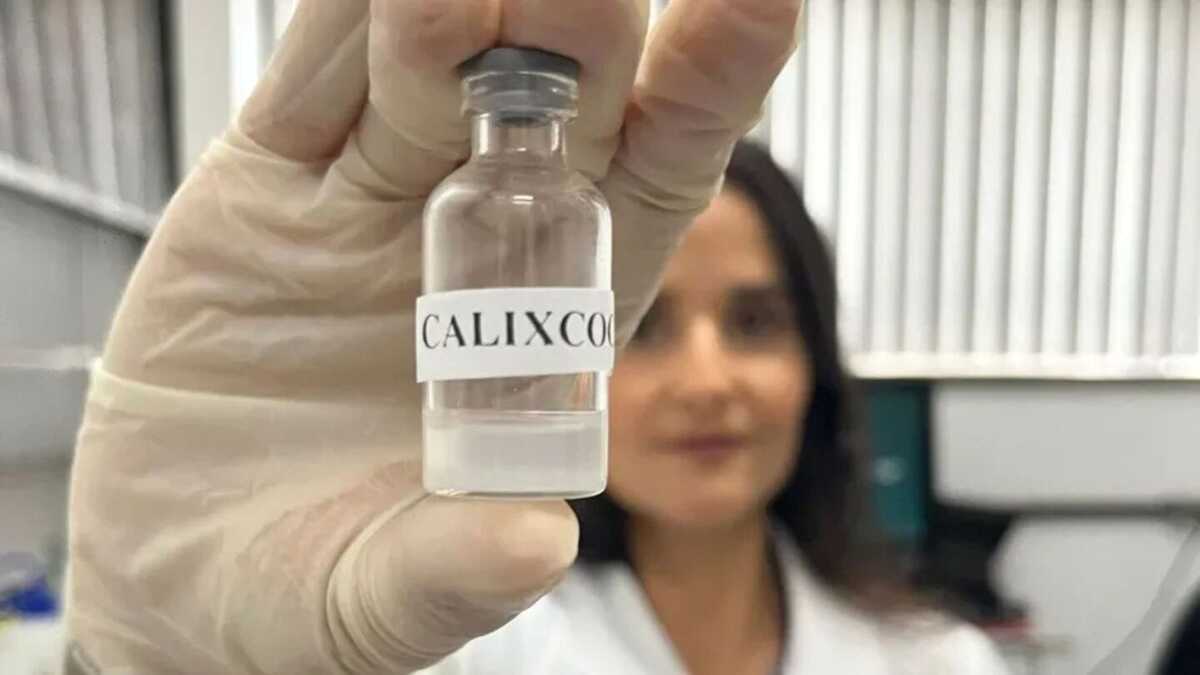


Brazilian Research Advances to Clinical Phase of Therapeutic Vaccine Against Cocaine and Crack Dependency After Preclinical Tests and International Recognition While Awaiting Regulatory Procedures to Begin Studies with Volunteers.
Brazil is preparing to start human trials of a therapeutic vaccine aimed at treating crack and cocaine dependency.
The information was disclosed by the Minister of Education, Camilo Santana, who stated that there are still documentation adjustments needed to authorize the start of clinical trials with volunteers.
According to the minister, the current stage involves completing the formal procedures required to release the studies on people.
-
Motorola launched the Signature with a gold seal from DxOMark, tying with the iPhone 17 Pro in camera performance, Snapdragon 8 Gen 5 that surpassed 3 million in benchmarks, and a zoom that impresses even at night.

-
Satellites reveal beneath the Sahara a giant river buried for thousands of kilometers: study shows that the largest hot desert on the planet was once traversed by a river system comparable to the largest on Earth.

-
Scientists have captured something never seen in space: newly born stars are creating gigantic rings of light a thousand times larger than the distance between the Earth and the Sun, and this changes everything we knew about stellar birth.

-
Geologists find traces of a continent that disappeared 155 million years ago after separating from Australia and reveal that it did not sink, but broke into fragments scattered across Southeast Asia.

The expectation mentioned by him is that, after this phase, the research will advance to experimental administration in selected participants.
Named Calixcoca, the technology was developed by researchers from Federal University of Minas Gerais.
The project has been conducted in an academic environment and has gone through prior phases of experimentation before reaching the clinical stage.
What Is Calixcoca and What Is the Therapeutic Proposal
Unlike traditional vaccines aimed at preventing infectious diseases, Calixcoca is described by researchers as a therapeutic vaccine.
The purpose is to assist in the treatment of people who already have cocaine or crack dependency, functioning as a complementary tool to clinical monitoring.

According to information released by the responsible team, the strategy does not replace other therapeutic approaches.
The proposal, according to the researchers, is to contribute to maintaining abstinence and reducing the risk of relapse in patients already in treatment.
How the Immunological Mechanism of the Vaccine Against Cocaine Works
The study coordinator, Frederico Duarte Garcia, explains that the vaccine stimulates the body to produce antibodies against the drug.
These antibodies would bind to cocaine molecules in the bloodstream, forming complexes that hinder the passage of the substance to the brain.
According to the description provided by the research group, by not reaching the central nervous system with the same intensity, the drug would have its psychoactive effects reduced.
The explanation about the mechanism was disclosed in institutional communications from the university throughout the development of the project.
Experts in the field of chemical dependency often point out that biological interventions, when combined with psychological and social support, can expand therapeutic possibilities.
In the case of Calixcoca, the researchers themselves indicate that the vaccine should act as support, and not as an isolated solution.
Preclinical Tests and Patent Registration in Brazil and Abroad
Before the announcement about the clinical phase, the vaccine underwent laboratory tests and preclinical studies on animals.
According to the UFMG team, the results obtained in this phase allowed progress to the preparation of human trials, a stage that requires ethical and regulatory approval.


The technology also had a patent application registered in Brazil and abroad, as reported by the university in previous releases.
The registration of intellectual property is a common procedure in this type of research and ensures protection over the developed innovation.
International Prize Recognizes Brazilian Research in 2023
In 2023, the project won the Euro Health Innovation Award in the Highlight category.
The award was granted by the pharmaceutical company Eurofarma, which operates in several countries in Latin America, and had a value of 500 thousand euros.
At the time of the announcement, the amount corresponded to approximately R$ 2.6 million, according to the exchange rate of the period.
The recognition gave international visibility to the research conducted in Brazil and reinforced funding for the continuity of the studies.
What the Clinical Trials Should Evaluate
The human testing phase, when started, should follow protocols defined by regulatory agencies and research ethics committees.
In general, the initial phases focus on evaluating safety, tolerability, and immune response in volunteers.
Only after the analysis of these data can broader studies be conducted to measure efficacy under controlled conditions.
The entire process depends on formal authorizations and technical oversight, according to the applicable regulations for clinical research in the country.
Cocaine and crack dependency is considered a public health problem in Brazil, according to data from national surveys on the use of psychoactive substances.
In this context, scientific development initiatives seek to expand the range of therapeutic strategies available.
The advancement of Calixcoca to the phase of human testing represents a new stage of the academic project.
The confirmation about the effective start, number of participants, and detailed schedule still depends on the formalization of the procedures mentioned by the authorities involved.







Soy de salta, Argentina y me postuló como voluntario
QUANTO TEMPO DEPENDENTE TEM QUE ESTAR LIMPO PARA TOMAR A VACINA