





 Portuguese
  English
  Spanish
  4 min of reading
  0 comments


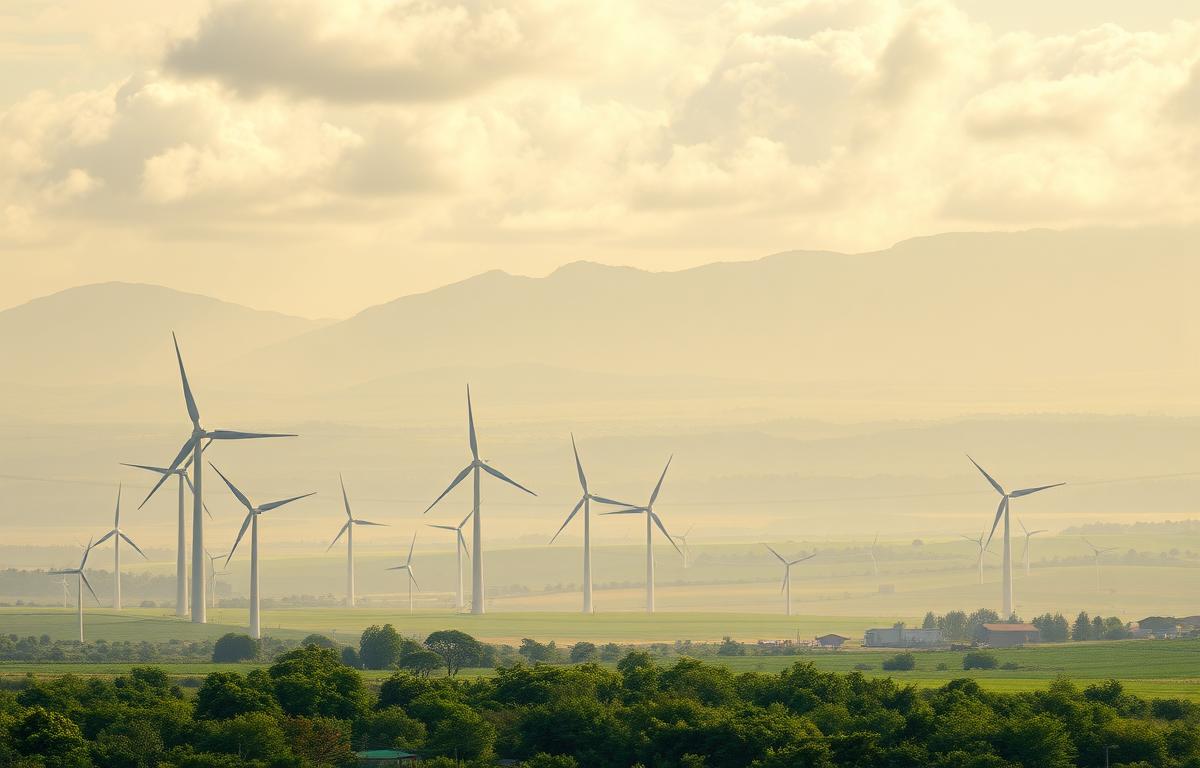
Brazil Surpasses 210 GW with Renewable Energy, but Stability Depends on Hydropower Due to Intermittency of Solar and Wind.
In 2023, Brazil surpasses the installed capacity mark of 210 GW in renewable energy, consolidating its position as a leader in this sector. With a strong integration of solar and wind energy, the country deepens its transition to more sustainable sources, promoting not only economic growth but also a significant reduction in carbon emissions. However, the challenge lies in the variability of these sources. The intermittency of natural resources remains an obstacle to the stability of the national power grid. For this reason, it is crucial to invest in storage technologies and in strategies that maximize system efficiency.
To support this vast capacity of renewable energy, hydropower plants play a vital role in ensuring a stable supply. Since 2020, there has been an increasing focus on strengthening existing infrastructures while new plants are designed to begin operation. Brazil understands that clean energy and sustainable sources must work in synergy with traditional infrastructure. The expansion of hydropower generation plants is one of the main strategies to mitigate the unpredictability of intermittent sources, such as solar and wind.
Critical Advances and Future of Renewable Energy
Further strengthening this journey, in 2022, significant investments were directed towards research and development of innovative solutions in renewable energy. Initiatives focused on creating better storage methods and integrating artificial intelligence in monitoring energy use have solidified such technologies as fundamental to the country’s green progress. Additionally, the private sector has shown increasing engagement, driving partnerships that accelerate energy efficiency and promote more significant gains in installed generation capacity.
-
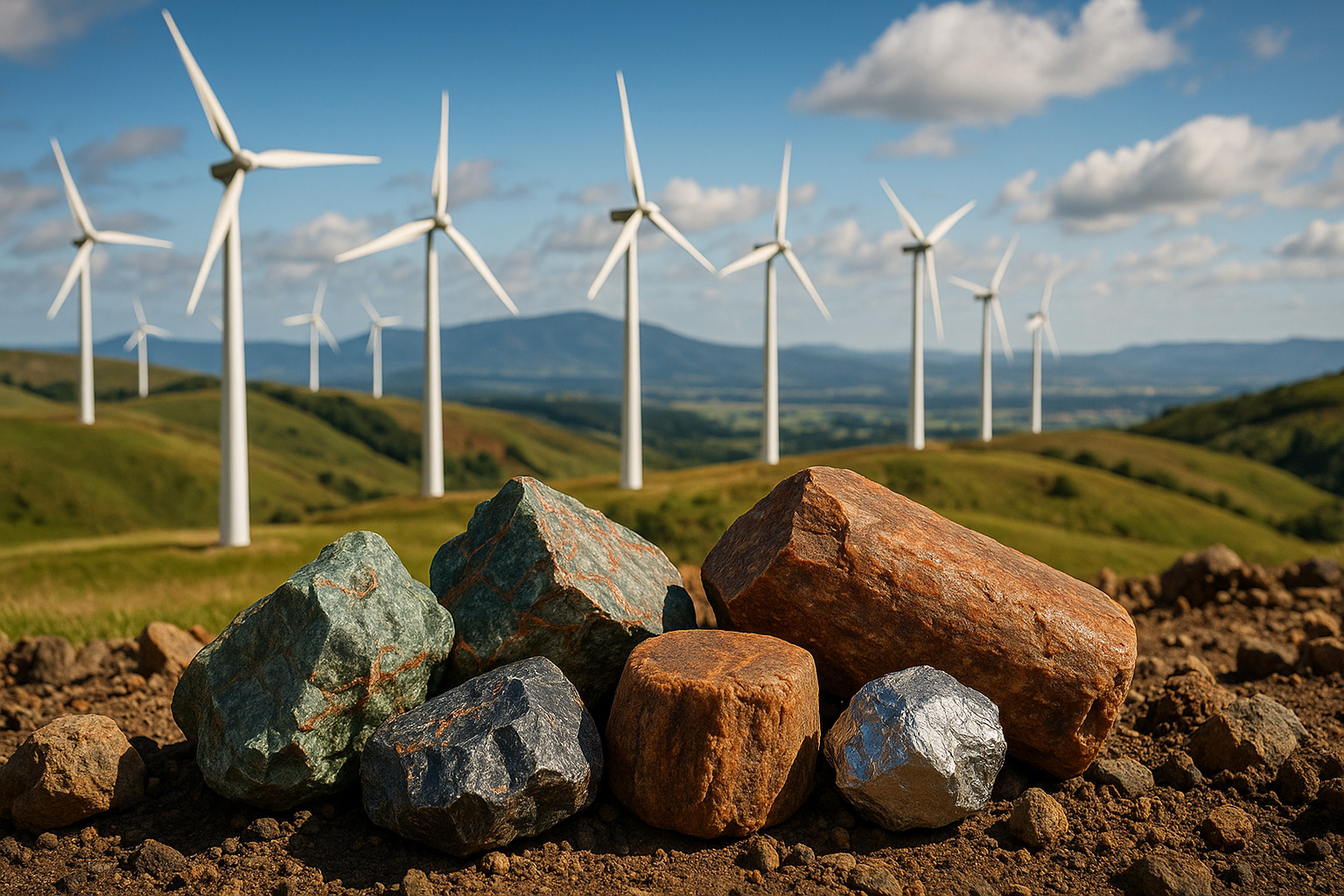
The Brazilian state accelerates industrial competitiveness with a focus on the extraction of strategic minerals to boost the energy transition in Goiás.
-
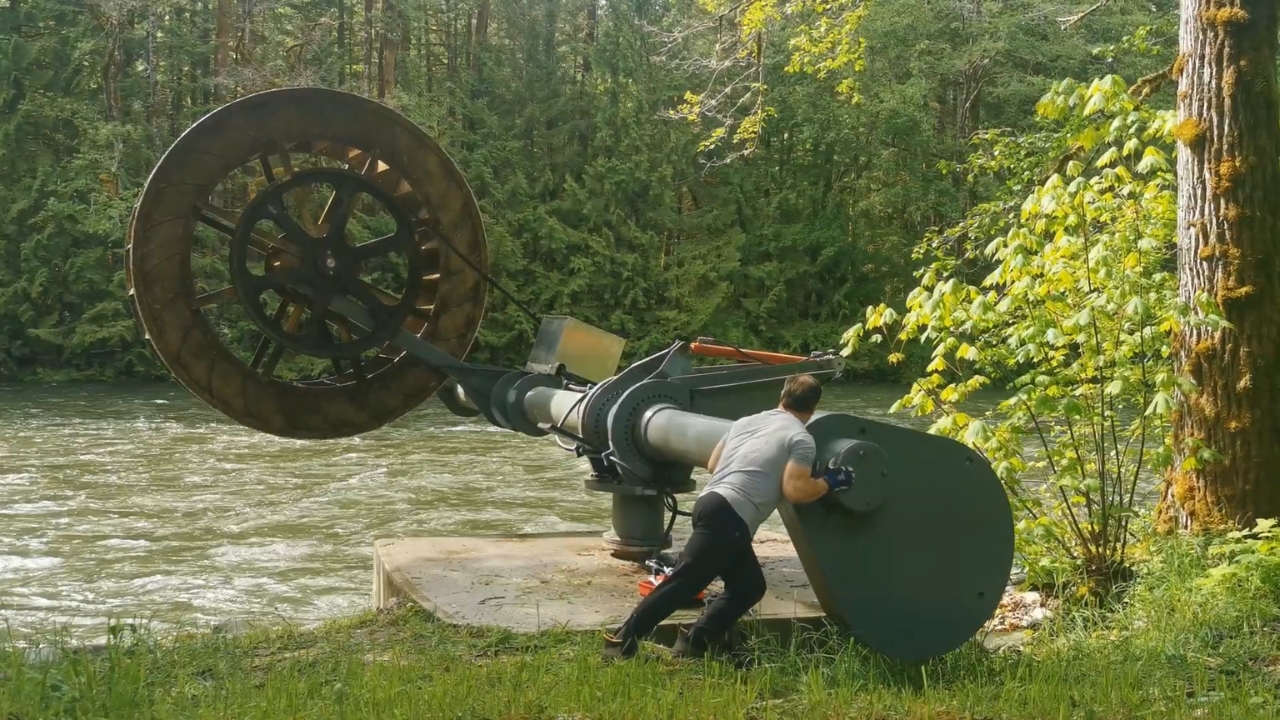
A Canadian retiree creates a hydroelectric system on a real river, generating energy continuously throughout the day and demonstrating how the power of water can supply a house with stability even in a simple structure.
-
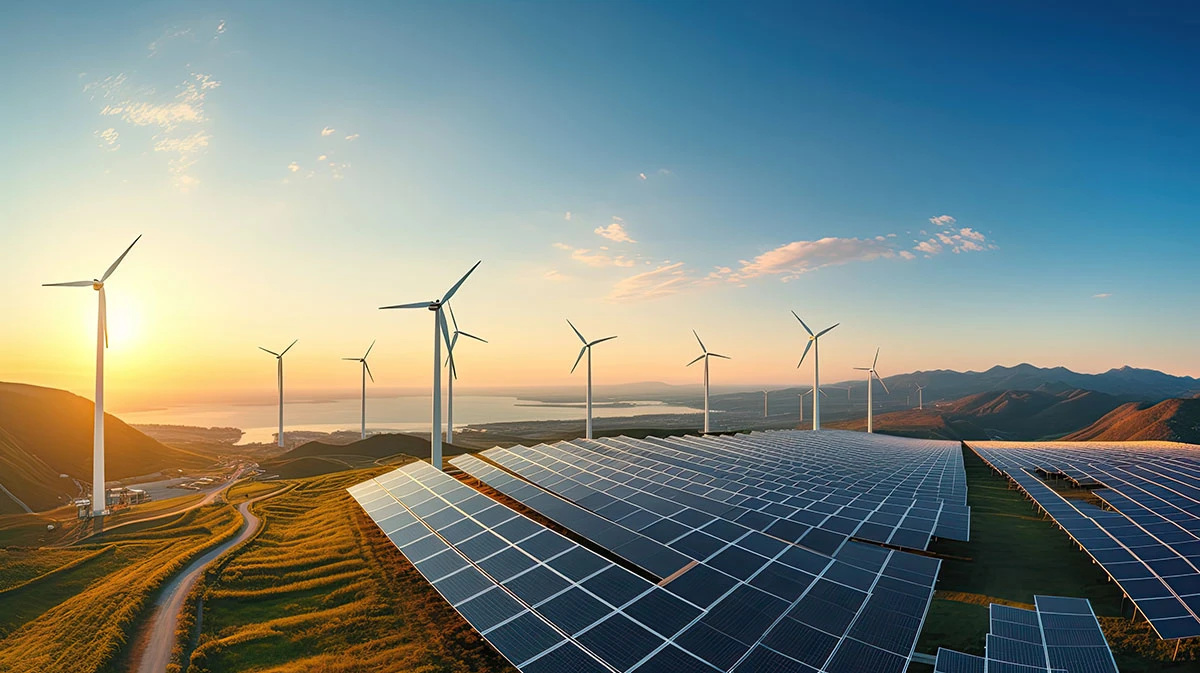
Petrobras reaffirms its commitment to the market and ensures that it will carry out the energy transition safely to maintain national sovereignty.
-
Researchers discover a possible hydrogen deposit of up to 46 million tons beneath an ancient coal basin, and the volume could exceed half of the entire global production.


The global market has turned its eyes to Brazil, admiring its ability to combine economic growth with sustainability. Wise decisions made in favor of clean energy have ensured that domestic consumption is widely supplied in a sustainable manner. The year 2023 is shaping up as a crucial milestone in the history of Brazil’s energy transition, where each stage of evolution contributes significantly to a greener and more energy-secure future.
Finally, the international recognition of these initiatives manifests in the growing demand for cooperation and the increase in exports of Brazilian green technology. As Brazil aims to creatively and efficiently overcome its internal challenges, the prospects for the coming decades remain optimistic. Thus, the search for effective and innovative solutions in the energy matrix not only aims to benefit the territory itself but also aspires to contribute to a global change towards a tomorrow with more sustainability.
The production of renewable energy is always a beneficial and desirable option, as long as it does not exceed the ideal balance, where greed does not allow its share to surpass a critical point. If this occurs, STABLE and perennial sources will no longer be able to compensate for the inevitable failures of INTERMITTENT sources.
Brazilian Energy Matrix and Dependency on Hydropower Plants
Although the advancement of the Brazilian energy matrix is noteworthy, with installed capacity exceeding 210 GW and a strong presence of renewable energy, the stability of the system still heavily relies on hydropower plants. Sources such as solar and wind, despite being forms of clean and renewable energy, are intrinsically intermittent and may suddenly interrupt their generation.
Hydropower plants, which are already responsible for about half of energy production, provide the reliability needed to keep the power grid stable in the face of these fluctuations. This fact was highlighted by Anchieta Dantas Jr. referencing Brazil having surpassed, in April, the symbolic mark of 210 gigawatts (GW) in installed power generation capacity.
Energy Generation Statistics in Brazil
This achievement, announced by the National Electric Energy Agency (Aneel), represents the effort to diversify the country’s energy matrix, which already boasts over 24,000 operating plants spread across the national territory. The significant contribution comes from rivers, with hydropower plants accounting for nearly half of generation, at 48.76% and a total of 103.2 GW installed.
Furthermore, small hydropower plants add 2.80%, while generating hydropower plants contribute 0.41%. Wind energy has a significant representation of 15.91%, while centralized solar photovoltaic generation reached 8.37%. Thermoelectric plants contribute 22.82%, and to complete, nuclear power plants represent 0.94% of installed capacity.
Expansion and Development of Renewable Energy
Constant and Diverse Expansion At the beginning of 2025, the country added 1.9 GW to its installed capacity thanks to 49 new plants starting operations in the states. In April, alone, eight of these plants began their activities, adding 141 megawatts (MW) to the system. Bahia led with six new wind power plants, contributing an additional 85.5 MW to the energy matrix.
Goiás stood out with the biomass plant UTE Codora, which added 50 MW. Santa Catarina contributed to its capacity with the Small Hydropower Plant Boa Vista, with 5.6 MW. Overall, Mato Grosso do Sul led in growth, incorporating 437 MW into the matrix, followed by Bahia, which increased its capacity by 428 MW.
Commitment to Sustainable Sources and Clean Energy
Increasingly Clean Matrix Progress in energy expansion is mainly focused on sustainable sources. According to Aneel data, currently, over 85% of electricity generation in the country comes from renewable energy, particularly hydropower, wind, and solar. The SIGA platform, managed by the regulatory agency, provides daily updates on plants in operation and under construction, offering a comprehensive and dynamic overview of the transition to clean energy in Brazil.
Additionally, the interactive panel RALIE, which presents a breakdown of electricity supply growth by type of source, region, and timeline, has been a valuable tool for closely monitoring the evolution of the Brazilian energy sector. It is constantly updated with field data and technical reports, becoming a crucial reference for sector observers.
Source: ENERCONS Press









Seja o primeiro a reagir!