





 Portuguese
  English
  Spanish
  4 min of reading
  0 comments


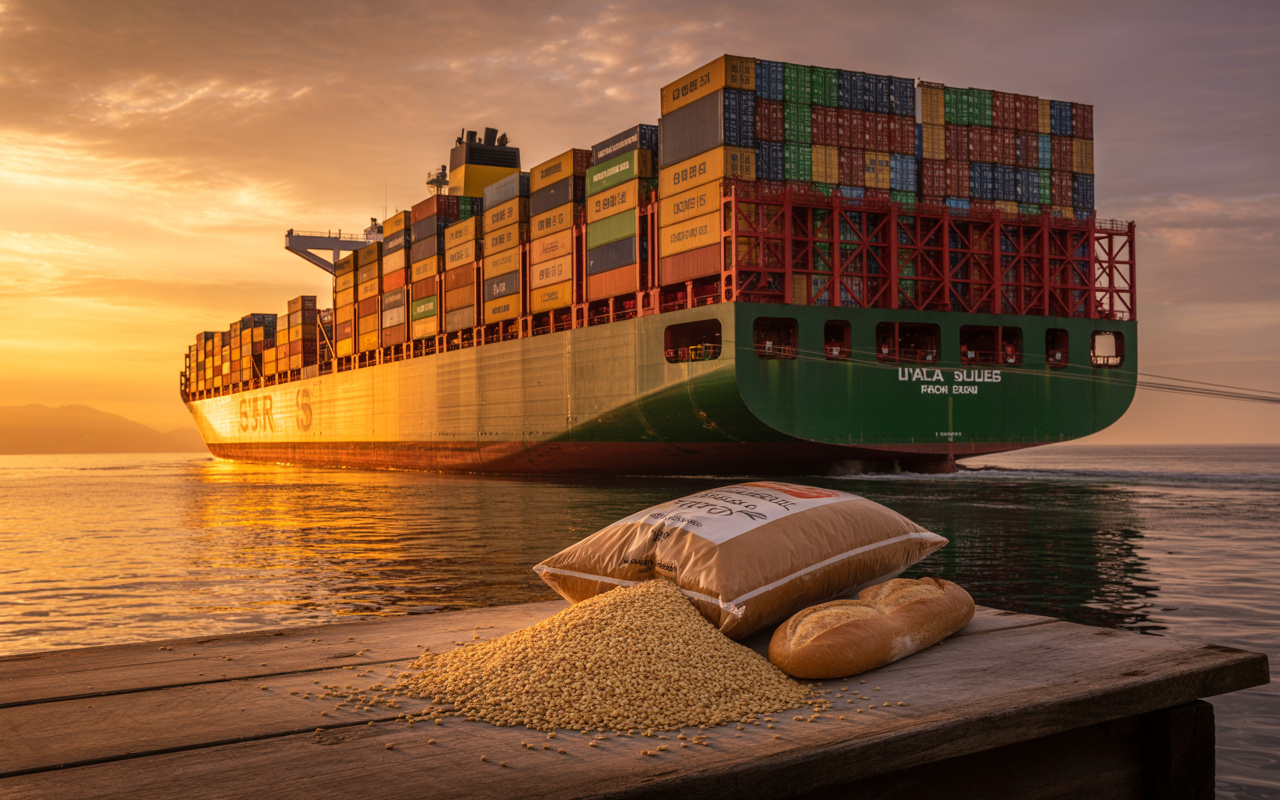
Brazil exports almost 200 million tons of soybeans and corn, but remains dependent on imports of wheat and rice to feed the table, according to Secex.
Brazil has established itself as one of the largest grain exporters on the planet. Together, soybeans and corn surpassed the mark of almost 200 million tons shipped in 2023, primarily supplying China, the European Union, and other major global consumers. This prominence has brought billions in foreign exchange and reinforced the country’s image as an agricultural powerhouse. However, behind this international success lies a little-known contradiction: the country still depends on imports to ensure domestic supplies of wheat and rice, two of the most common foods on Brazilian tables.
Soybeans and Corn: The Giants of Brazilian Agriculture
For years, soybeans have been the star of Brazil’s trade balance. In 2023, there were 127 million tons exported, according to Secex, consolidating the country as the largest global supplier of the oilseed. China absorbed about 70% of this volume, boosting the national agribusiness.
Corn follows closely behind, with exports exceeding 50 million tons in 2023, reaching markets such as Japan, Iran, and the European Union. The combination of these two grains has made Brazil a leader in agricultural exports, generating historic surpluses.
-
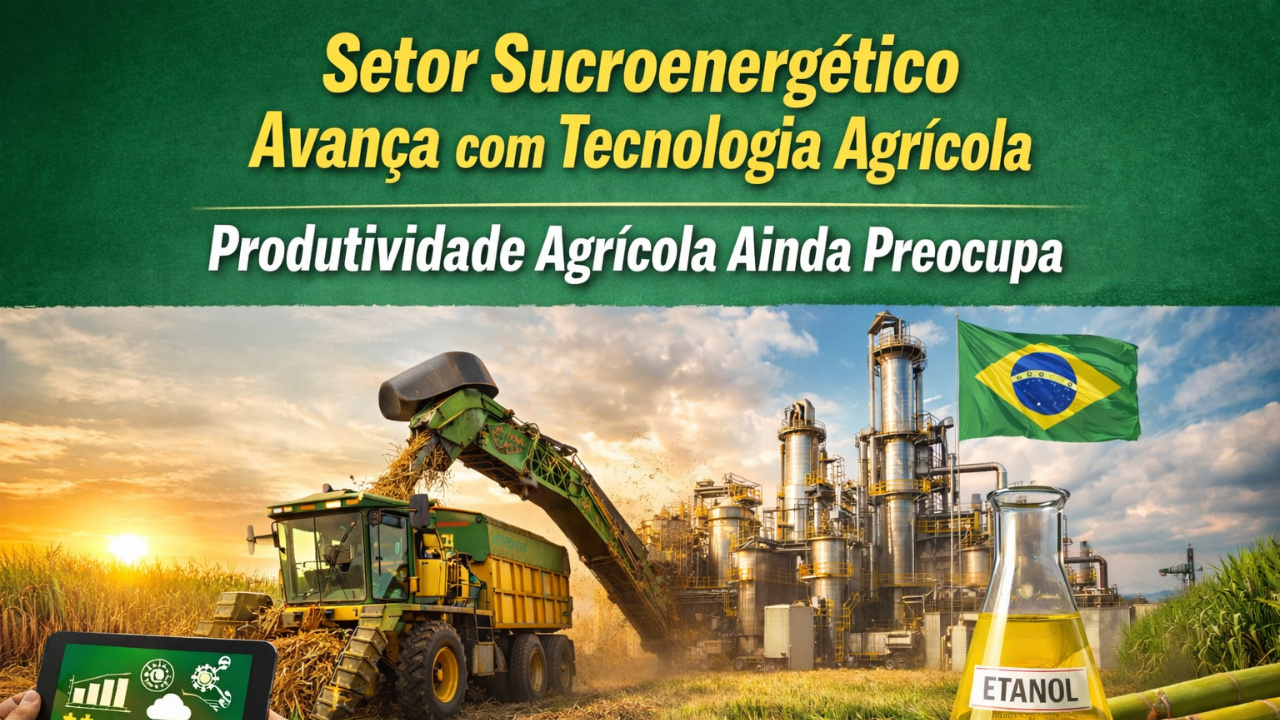
The sugar-energy sector advances with agricultural technology, but agricultural productivity still raises concerns.
-
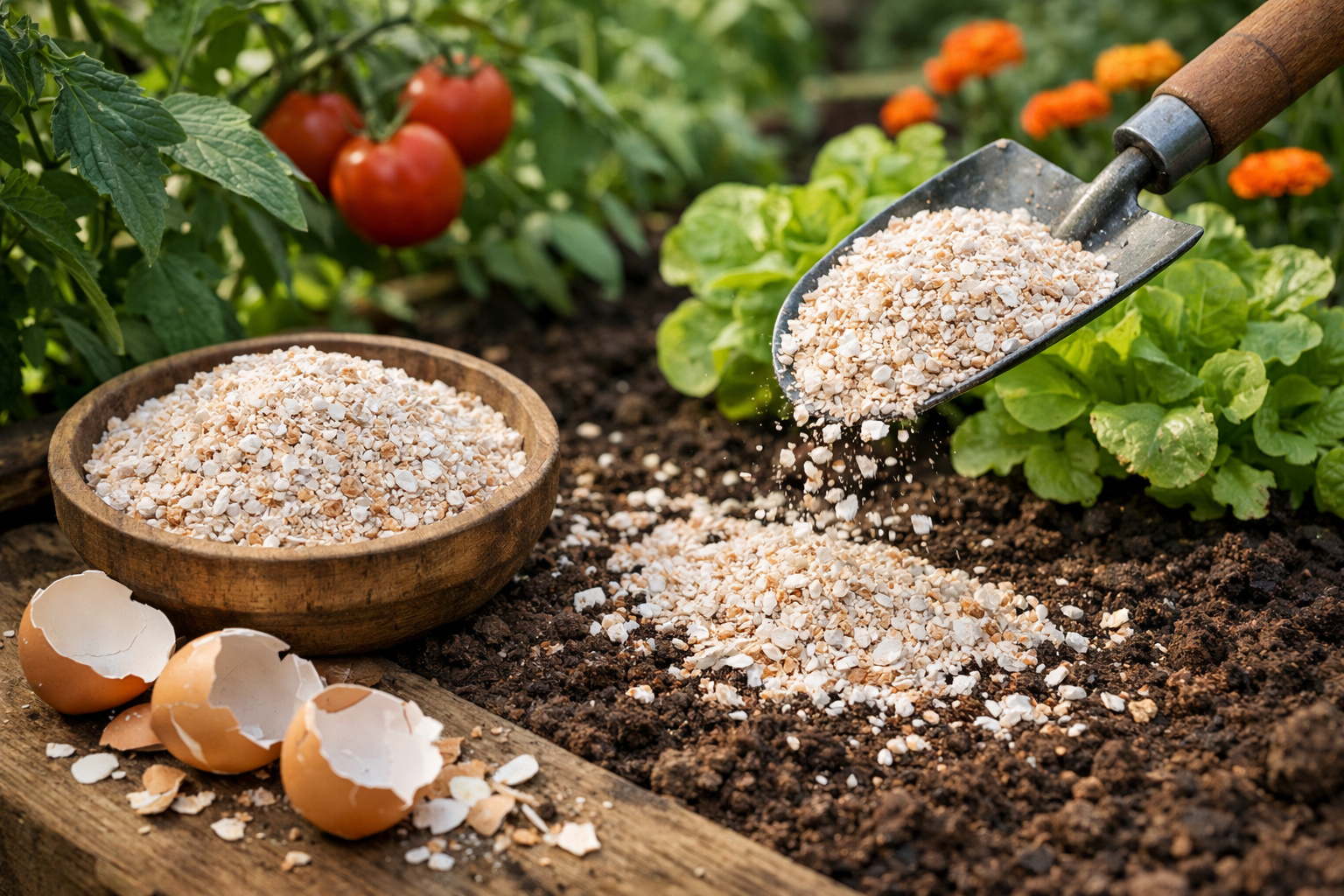
The eggshell that almost everyone throws away is made up of about 95% calcium carbonate and can help enrich the soil when crushed, slowly releasing nutrients and being reused in home gardens and vegetable patches.
-
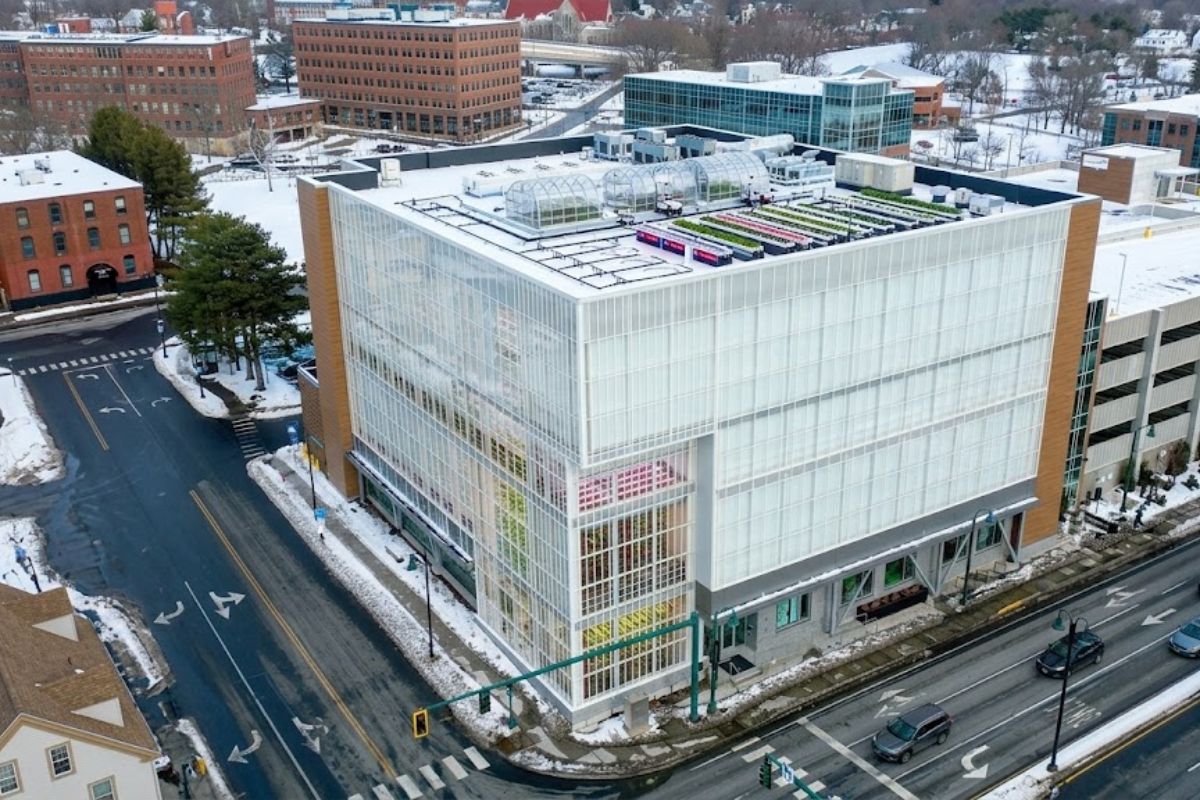
This farm in the United States does not use sunlight, does not use soil, and produces 500 times more food per square meter than traditional agriculture: the secret lies in 42,000 LEDs, hydroponics, and a system that recycles even the heat from the lamps.
-
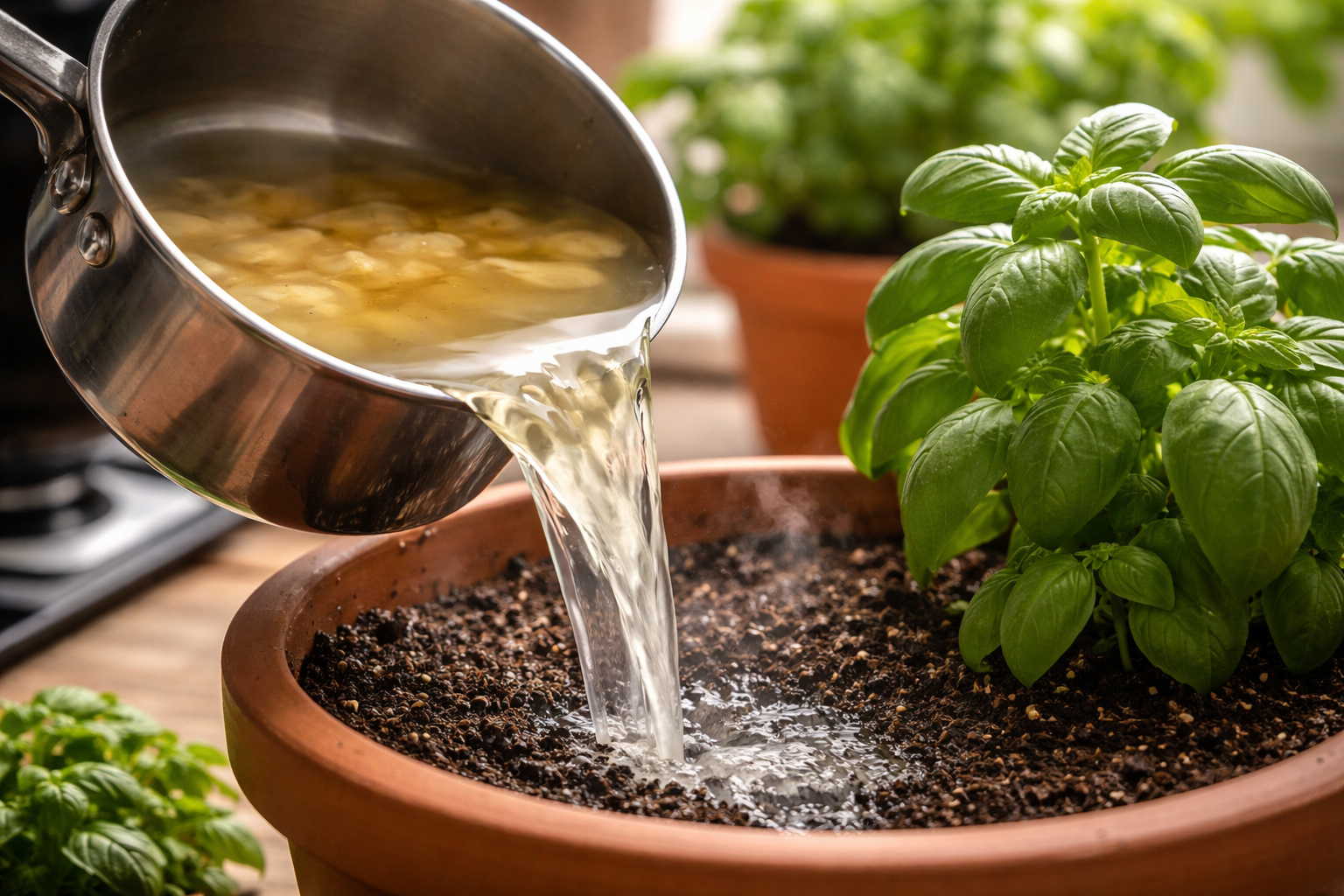
The water that almost everyone throws away after cooking potatoes carries nutrients released during the preparation and can be reused to help in the development of plants when used correctly at the base of gardens and pots, at no additional cost and without changing the routine.

These numbers give the impression of absolute self-sufficiency in the grain sector. But the internal reality is quite different when it comes to wheat and rice.
The Brazilian Food Paradox
Despite harvesting and exporting colossal volumes of soybeans and corn, Brazil is not self-sufficient in wheat and maintains a deficit in rice.
- Wheat: Brazil is one of the world’s largest importers of the cereal. Just between August 2024 and July 2025, 6.8 million tons were imported, primarily from Argentina, which accounts for more than 80% of the supply.
- Rice: while Brazil is a significant producer, particularly in Rio Grande do Sul, the country recorded a negative balance in 2025 — that is, it imported more than it exported. Paraguay and Uruguay are among the main suppliers.
In practice, this means that while shipping almost 200 million tons of soybeans and corn, Brazil needs to buy from abroad part of the wheat used for bread and part of the rice that accompanies beans on the daily plate of the population.
Why Brazil Is Not Self-Sufficient in Wheat and Rice
The answer lies in climate, production structure, and market logic:
Wheat – the cereal requires climatic conditions that only exist in part of southern Brazil. The country lacks the ideal climate to expand large-scale production in other regions, which forces imports.
Rice – although Brazil is one of the top 10 global producers, internal consumption is very high. In years of lower crop yields, such as in 2024/25, it is necessary to import to balance the supply.
Focus on Export Agriculture – producers prioritize soybeans and corn, which have more attractive prices and high external demand. This reduces the space for growing wheat and rice.
How This Impacts the Brazilian Table
This dependence on imports directly impacts the consumer’s wallet. As the country buys wheat and rice in the international market, the final price of these foods is subject to currency fluctuations and external crises.
- In Wheat, any rise in the dollar or crop failures in Argentina quickly translates to more expensive bread in Brazilian bakeries.
- In Rice, scarcity situations can lead to price spikes — as occurred in 2024, when floods in Rio Grande do Sul reduced production and forced the government to release extraordinary imports.
In summary, the basic Brazilian plate remains exposed to the volatility of the external market, even in a country that exports grains in sufficient volume to feed entire nations.
The Vulnerability in Food Security, According to Experts
According to experts, vulnerability lies not only in the economy but also in food security. In case of international crises, armed conflicts, or logistical problems, Brazil could face difficulties ensuring the supply of these basic products.
This risk was already felt in 2020, at the height of the pandemic, when global logistics was paralyzed and grain prices skyrocketed.
Paths to Reduce Dependence
Some solutions are under discussion:
- Expansion of wheat cultivation in the Cerrado, with adapted varieties and irrigation. Embrapa researchers are already developing seeds resistant to warmer climates.
- Incentive Policies for Rice in regions beyond Rio Grande do Sul, to diversify production.
- Stronger Regulatory Stock, ensuring stability during crisis periods.
- Innovation in Biofortification and Hybrid Varieties, to increase productivity.
However, experts warn that Brazil is unlikely to achieve full self-sufficiency in wheat due to natural conditions but can significantly reduce dependence.
The contrast between exporting almost 200 million tons of soybeans and corn and importing millions of tons of wheat and rice reveals a structural contradiction: Brazil is a global powerhouse in agricultural commodities but still vulnerable in basic foods for its population.
While agribusiness ensures billion-dollar surpluses in the trade balance, the Brazilian table remains partially supplied by foreign suppliers. A paradox that exposes the limits of the agricultural development model and raises the debate on the need for a balance between exportation and food security.









Seja o primeiro a reagir!