





 Portuguese
  English
  Spanish
  3 min of reading
  0 comments


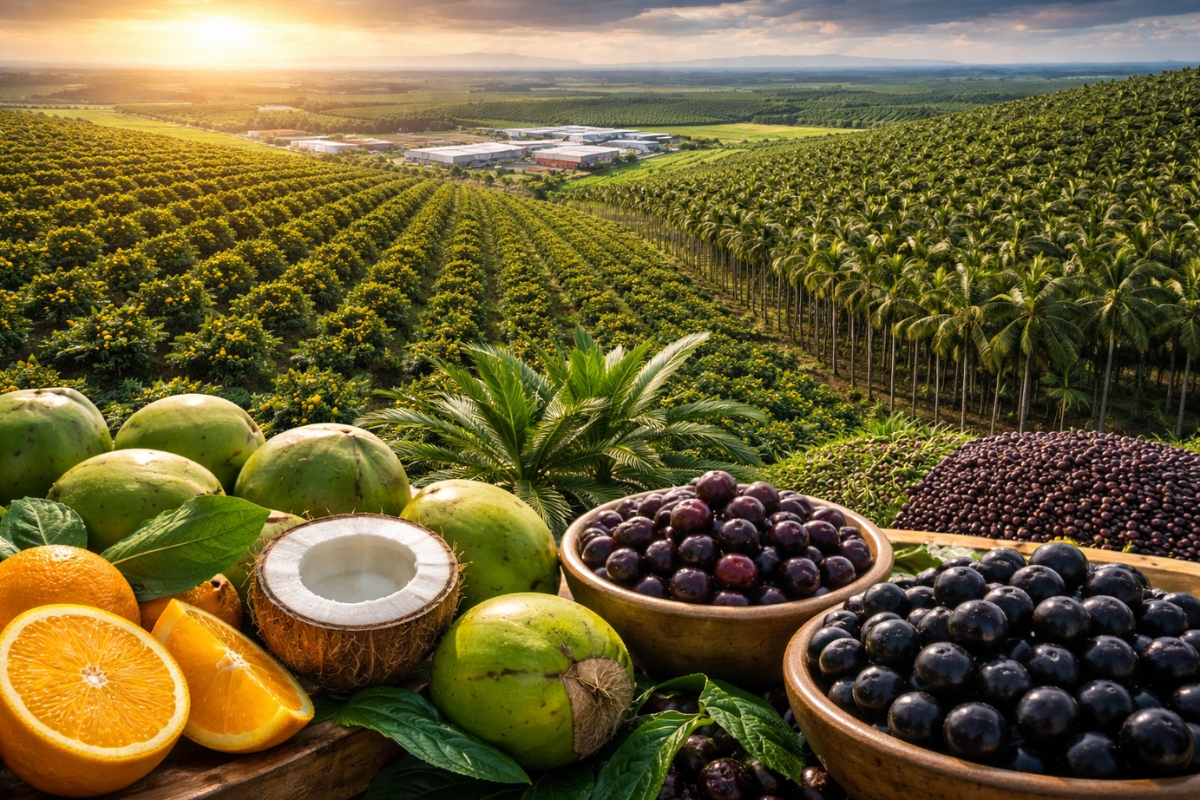
In Brazil, Large Agricultural Groups Operate Farms With More Than 80 Thousand Hectares Of Citrus, 20 Thousand Hectares Of Coconut, And Millions Of Açaí Palms To Supply Markets In Europe, Asia, And America, Consolidating The Country As A Global Power In Large-Scale Fruit Cultivation.
When it comes to Brazilian agribusiness, many people think of soy and livestock. However, the country also houses some of the largest fruit farms on the planet.
From orange to coconut, passing through açaí and jabuticaba, Brazilian fruit cultivation has gained industrial scale. Large planted areas, digital monitoring, mechanization, and integrated logistics have transformed the sector into a giant exporter.
What was once regional production now supplies consumers across multiple continents, with operations running all year round.
-
The sugar-energy sector advances with agricultural technology, but agricultural productivity still raises concerns.

-
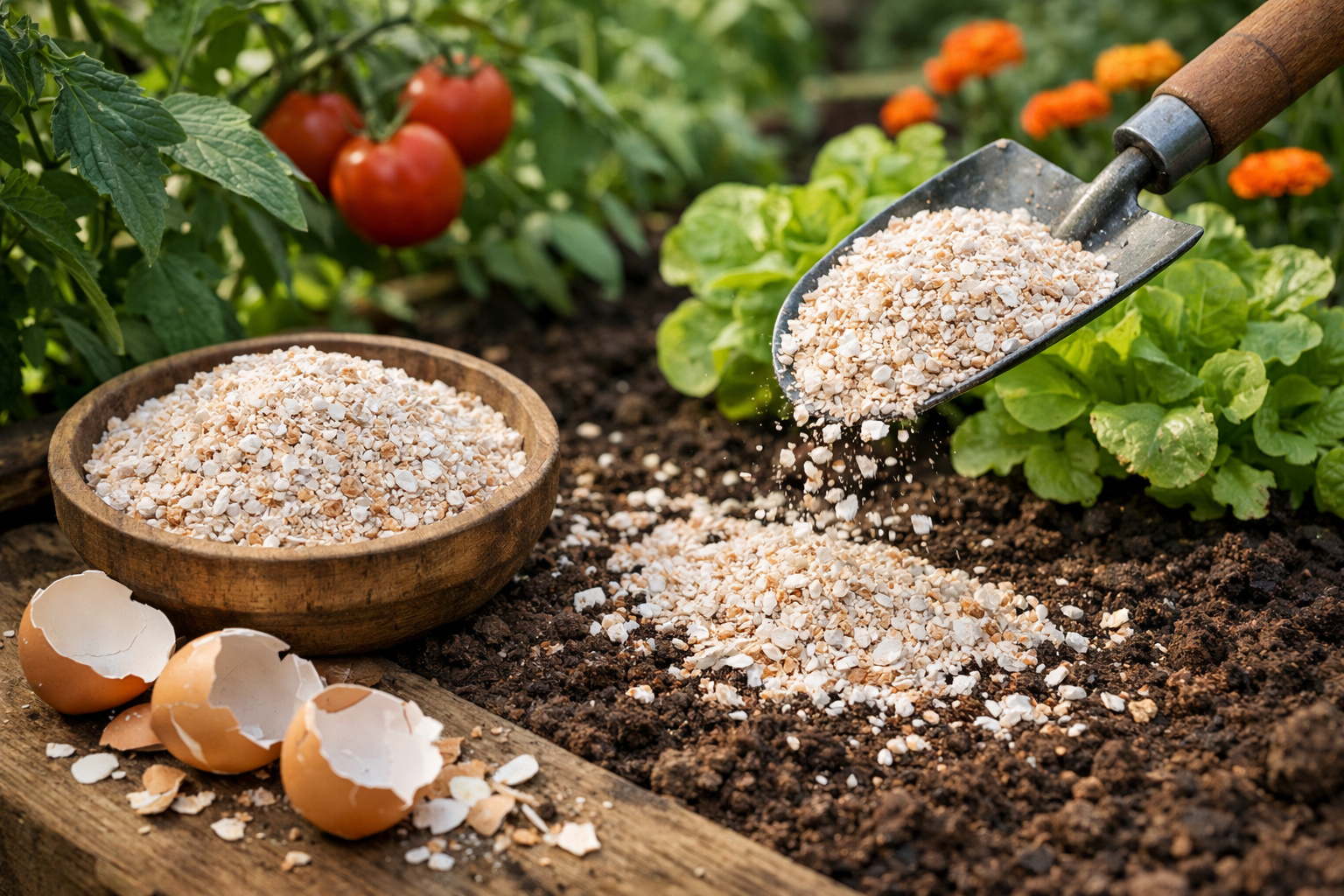
The eggshell that almost everyone throws away is made up of about 95% calcium carbonate and can help enrich the soil when crushed, slowly releasing nutrients and being reused in home gardens and vegetable patches.
-
This farm in the United States does not use sunlight, does not use soil, and produces 500 times more food per square meter than traditional agriculture: the secret lies in 42,000 LEDs, hydroponics, and a system that recycles even the heat from the lamps.

-
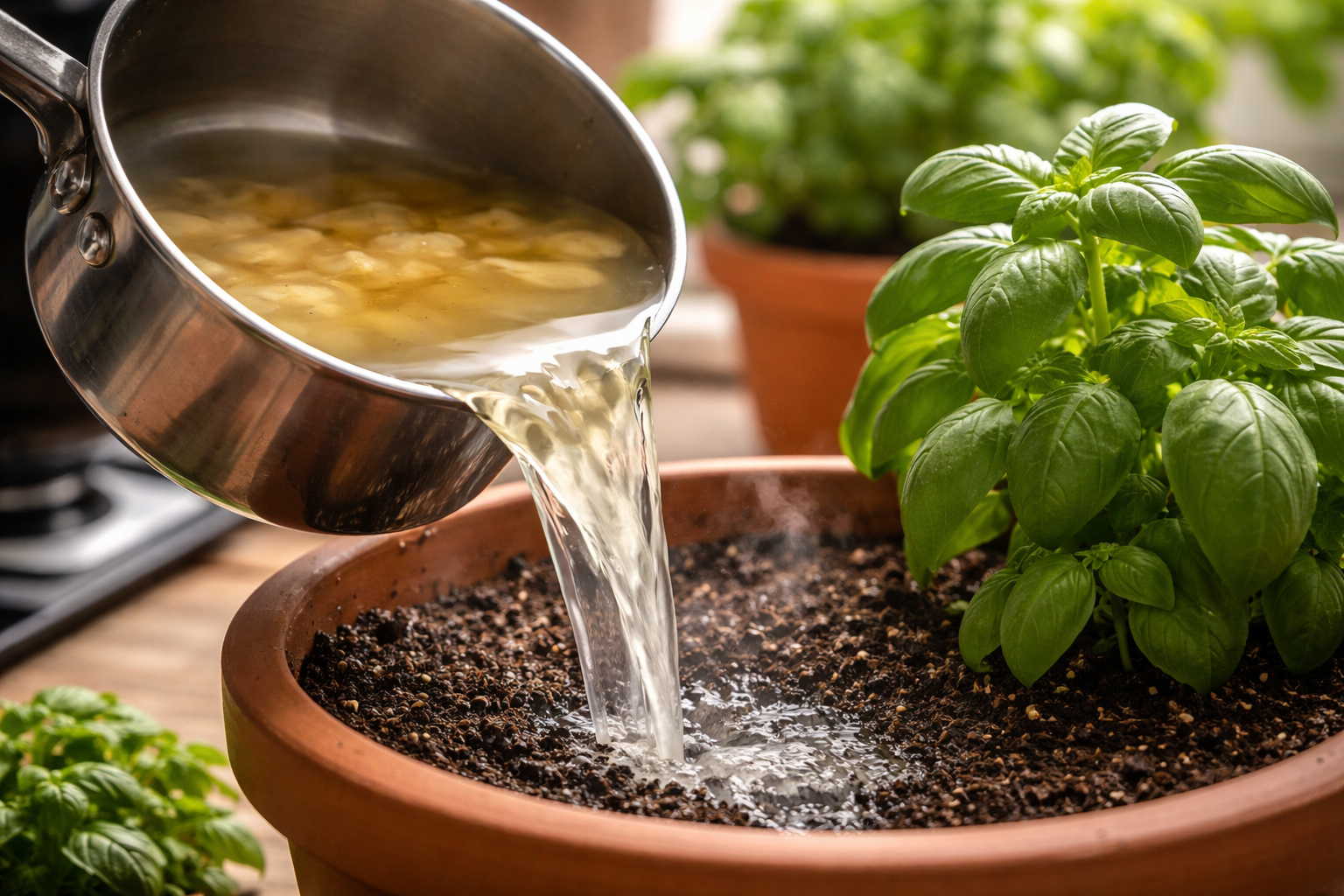
The water that almost everyone throws away after cooking potatoes carries nutrients released during the preparation and can be reused to help in the development of plants when used correctly at the base of gardens and pots, at no additional cost and without changing the routine.

Citrosuco Leads Global Orange Juice Production With 25 Farms And 80 Thousand Hectares
In the citrus sector, Brazil maintains its world leadership. The largest operation belongs to Citrosuco.
The company accounts for about 25 percent of global orange juice consumption and for nearly half of Brazilian production. There are 25 farms mainly in the states of São Paulo and Minas Gerais.
In total, over 80 thousand hectares of its own orchards, in addition to supplying partner producers.
The company operates three industrial plants and maintains dedicated port terminals in Brazil, the United States, Belgium, Japan, and Australia. The logistics include a fleet of its own bulk carriers for juice transport.
In the orchards, each tree can be digitally monitored through sensors, drones, and data systems. The technological detail is striking and shows how fruit cultivation has fully entered the digital age.
Only Coconut Cultivates More Than 15.5 Million Coconut Trees And Produces Up To 1 Million Coconuts Per Day
In Pará, the company Only Coconut leads large-scale coconut production.
The operation occupies about 20 thousand hectares in Moju, with 6 thousand hectares effectively planted with coconut. This represents more than 15.5 million coconut trees.
The remaining area is designated for environmental conservation.
During peak periods, production can exceed 1 million coconuts per day. The cultivation uses hybrid varieties that can produce up to 220 fruits per tree per year.
These hybrids already occupy approximately 70 percent of coconut area in Brazil, showing the rapid modernization of the sector.
Açaí Gains Industrial Scale With 2 Million Palm Trees Planted In Amapá
Açaí has ceased to be just a traditional food from the North region to become a global product.
Companies like Açaí Amazonas have implemented irrigated cultivations in previously degraded areas. Meanwhile, Shutz Agroambiental is developing a large-scale project in Amapá.
There are more than 2 million palm trees planted across about 2,730 hectares.
The high rainfall in the region allows for production without artificial irrigation, reducing costs and taking advantage of favorable natural conditions.
The growth of açaí in the international market has driven the expansion of these plantations.
Farm In Goiás Concentrates 42 Thousand Jabuticaba Trees And Diversifies Production
Jabuticaba has also gained commercial scale. In Goiás, Fazenda Jabuticabal occupies 130 hectares.
The property houses more than 42 thousand jabuticaba trees.
In addition to selling fresh, the excess production is transformed into jellies, sweets, ice creams, cachaça, and other derivative products.
This diversification increases the added value and reduces losses, strengthening the integration model between field and industry.
Brazilian Fruit Cultivation Combines Scale, Technology, And Exportation To Multiple Continents
The fruit sector in Brazil combines large planted areas, industrial processing, and integrated logistics.
The presence of dedicated port terminals, its own transport fleet, and digital monitoring reveals a highly structured model.
The production meets markets in America, Europe, Asia, and Oceania, with operations running throughout the year.
The result is a segment that, although less remembered than grains, occupies a strategic position in national agribusiness and in the global food trade.
Did you imagine that Brazil housed some of the largest fruit farms on the planet? Which of these productions surprised you the most? Leave your opinion in the comments.










-

-

-

-

-

-

11 pessoas reagiram a isso.