





 Portuguese
  English
  Spanish
  2 min of reading
  0 comments



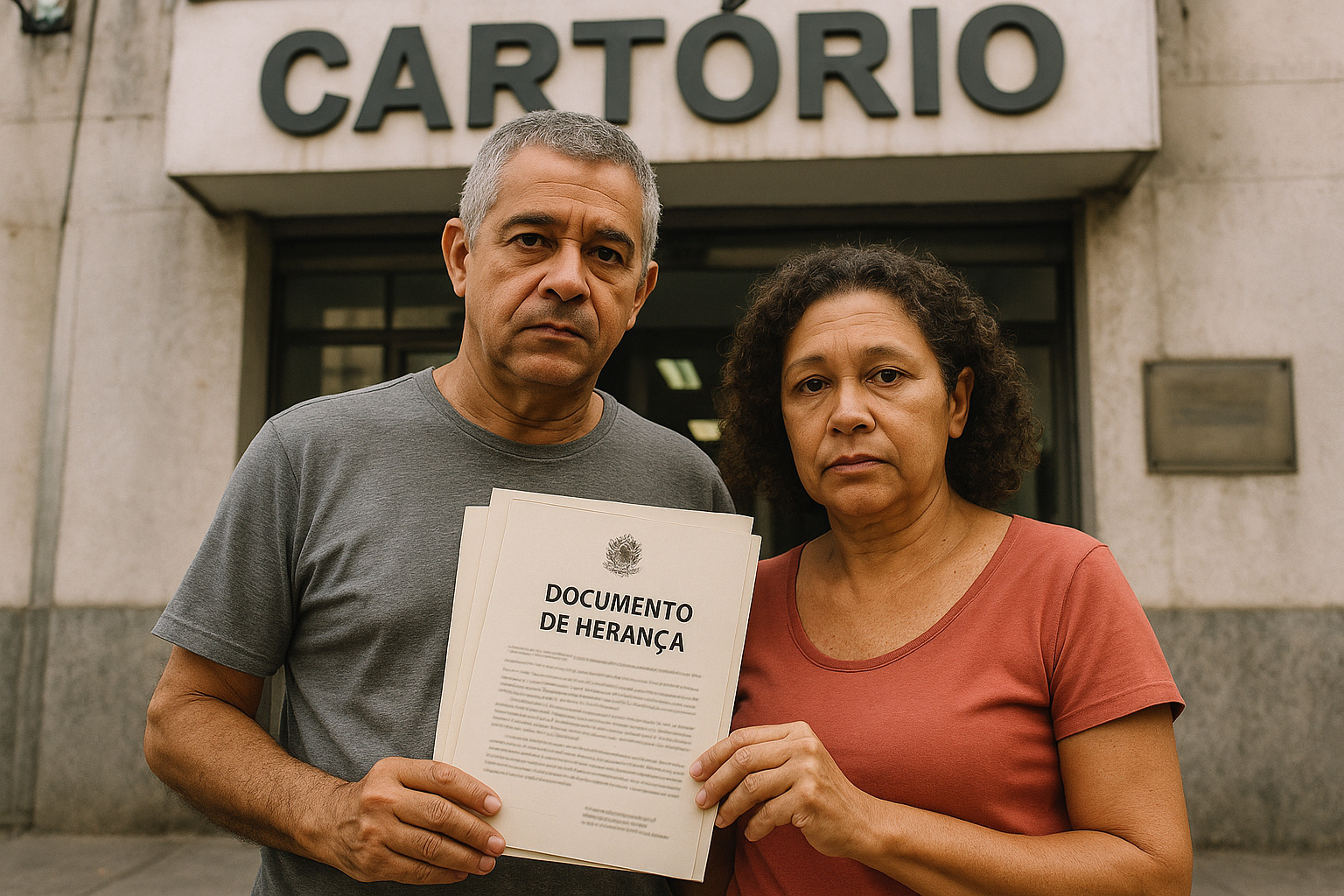
The Rule That Prohibits Cash in Real Estate Transactions Advances in Brasília and Raises National Debate on Security, Combating Crime and Changes That May Affect Any Buyer or Seller
The Committee on Constitution and Justice (CCJ) of the Senate approved this Wednesday (26) a project that may significantly change the real estate market in the country. The proposal prohibits the use of cash in real estate transactions and establishes limits on cash transactions conducted by banks and financial institutions.
The measure aims to reduce money laundering, combat tax evasion, and decrease crimes associated with the transportation and storage of large volumes of cash.
The text was approved unanimously in the first round within the CCJ and will still go through a second round of voting. If approved again, it will go directly to analysis by the Chamber of Deputies, unless there is a request for debate in the main Senate floor. To become law, it will also require the sanction of President Luiz Inácio Lula da Silva.
-
The Chamber opens a debate on driver’s licenses at 16 years old as part of a reform that includes around 270 proposals to change the Brazilian Traffic Code and may redesign rules for licensing, enforcement, and circulation in the country.

-
The new Civil Code could revolutionize marriages in Brazil with “express divorce” and changes that could exclude spouses from inheritance.
-
Banco do Brasil sues famous influencer for million-dollar debt and intensifies debate on delinquency, risks of seizure, and direct impact on Gkay’s credibility.

-
The Senate approves a bill that criminalizes misogyny, hatred, or aversion towards women, and includes the crime in the Racism Law with a penalty of up to 5 years.


According to the rapporteur, Senator Oriovisto Guimarães (PSDB-PR), the project closes a historical gap in Brazilian legislation. He states that the lack of clear rules regarding the use of cash facilitates crimes such as money laundering and tax evasion.
For the senator, the high circulation of cash also encourages criminal actions, such as assaults on businesses, bank robberies, and ATM bombings, practices that remain frequent in various regions of the country.
The text stipulates that the limits for cash transactions will be defined by the National Monetary Council (CMN), after dialogue with the Council for Financial Activities Control (COAF), an agency responsible for monitoring suspicious transactions and acting in the prevention and combat of money laundering.
According to the project, all customers of banks and financial institutions regulated by the Central Bank will be subject to these limits. The CMN will also define ceilings for payments without invoices or checks. If the amount exceeds the allowed limit, the transaction must be mandatory conducted electronically.
Oriovisto emphasizes that similar measures are already adopted in countries such as the United States, Canada, and Australia. In Brazil, the proposal has the support of the Public Ministry, the Federal Police, and the Federal Revenue, who see the project as an additional tool to combat financial crimes.










-

2 pessoas reagiram a isso.