





 Portuguese
  English
  Spanish
  5 min of reading
  0 comments


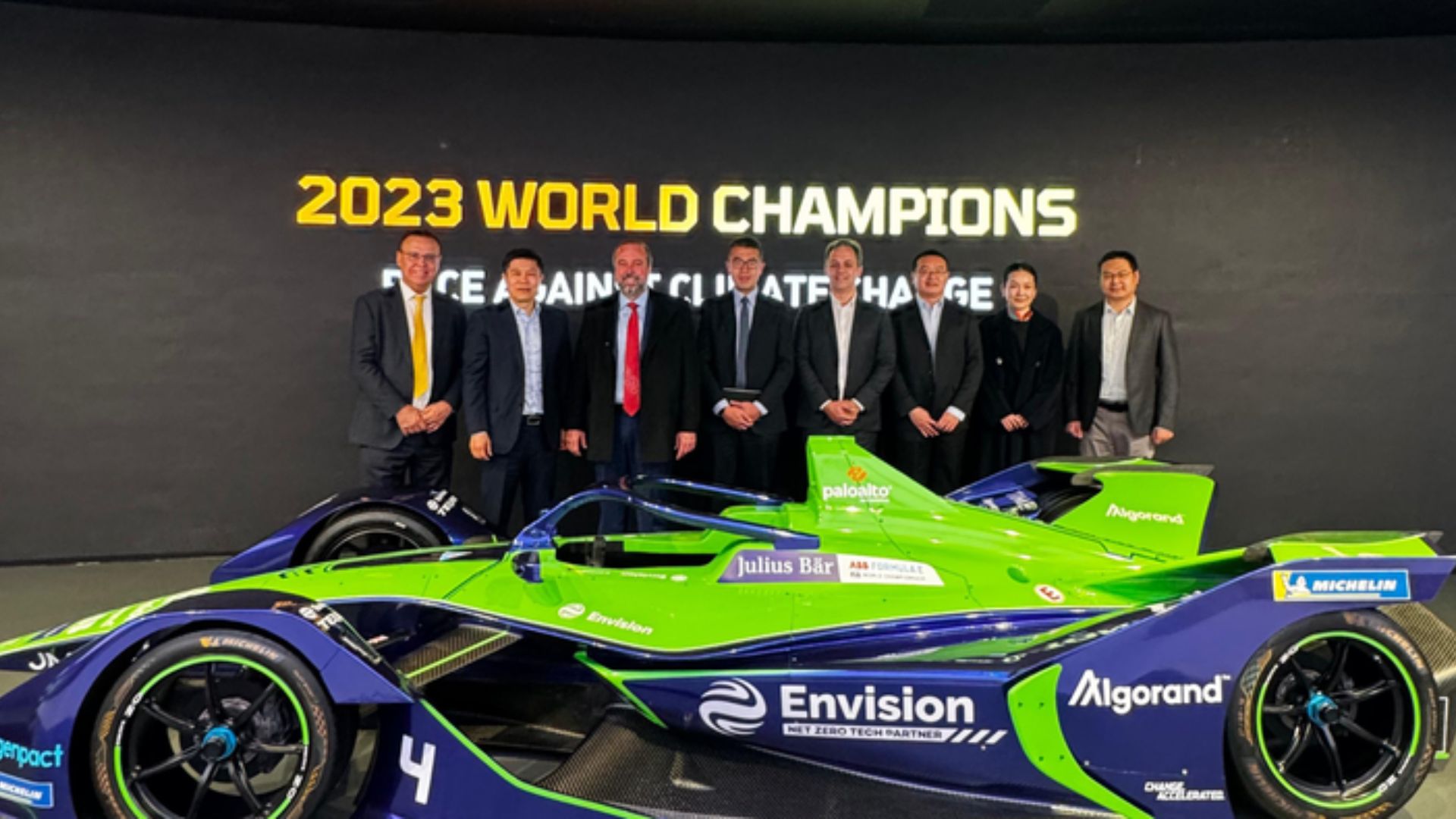
Brazil Presents Envision in China, Opportunity Portfolio in Energy Transition Focused on Renewable Energy, Green Hydrogen, Batteries and Clean Technology
Brazil and China are advancing in a strategic partnership with billion-dollar potential in the global energy transition. Cooperation between the two countries gained new momentum this Tuesday (20), in Shanghai, following a meeting between the Minister of Mines and Energy, Alexandre Silveira, and executives from Envision, a global leader in integrated solutions for clean energy, industrial decarbonization, and new low-carbon production chains.
Brazil and China at the Center of the Global Energy Transition
Brazil was presented as one of the most competitive platforms in the world for investments in renewable energy. The meeting is part of the Brazilian government’s strategy to attract long-term international capital, supported by a predominantly clean energy matrix, legal security, regulatory predictability, and large market scale. The message is clear: the country seeks a leading role in the energy transition and in the new global economic cycle.
The approach between Brazil and China occurs at a decisive moment for the global energy transition. With the advancement of climate goals, the pressure for industrial decarbonization, and the need for energy security, governments and companies are intensifying investments in clean sources, storage, and new fuels.
-
A Canadian retiree creates a hydroelectric system on a real river, generating energy continuously throughout the day and demonstrating how the power of water can supply a house with stability even in a simple structure.

-
Petrobras reaffirms its commitment to the market and ensures that it will carry out the energy transition safely to maintain national sovereignty.

-
Researchers discover a possible hydrogen deposit of up to 46 million tons beneath an ancient coal basin, and the volume could exceed half of the entire global production.

-
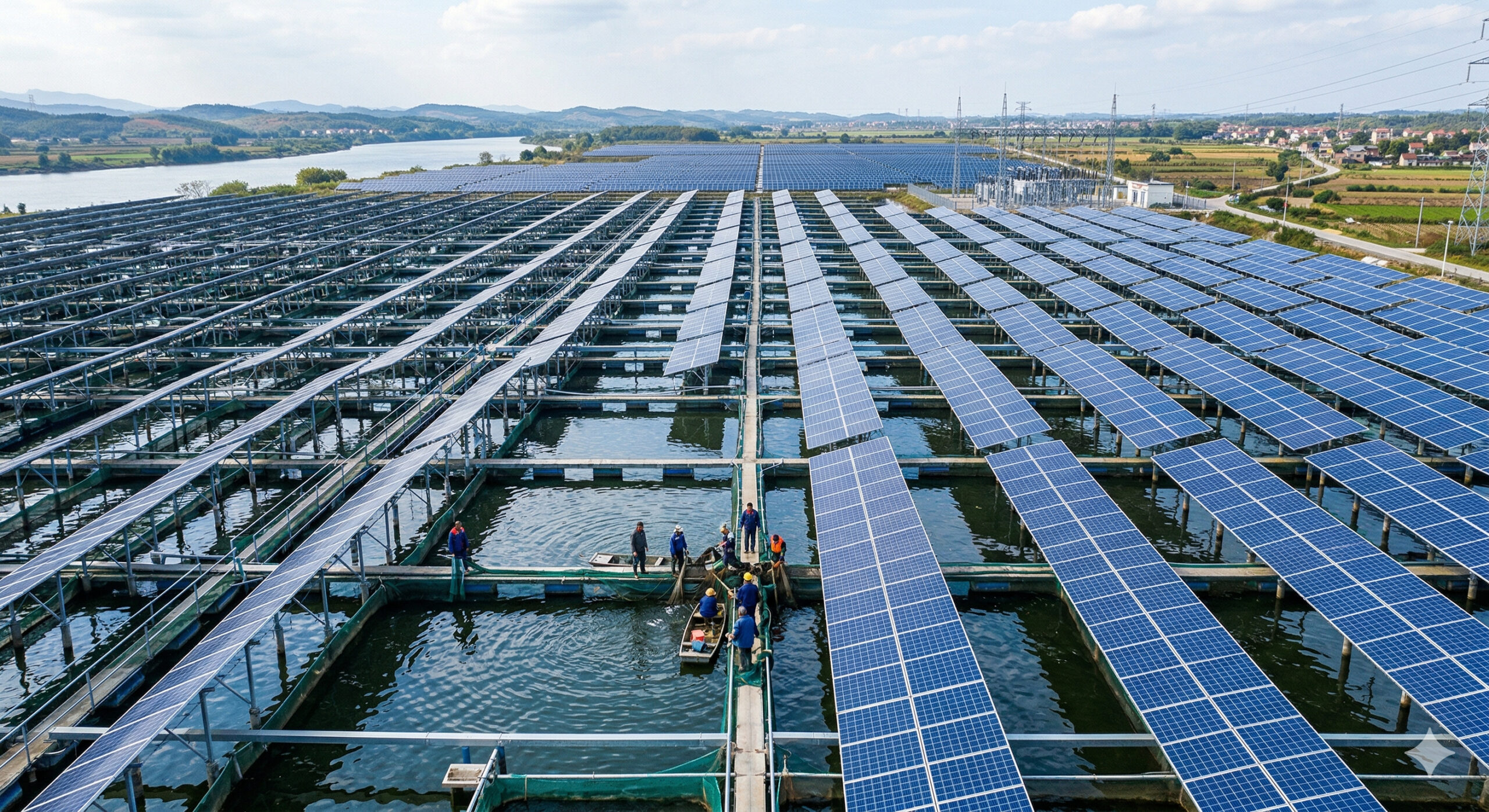
China bets on the Fishery-PV model and transforms fish farms into giant solar plants, covering ponds with panels that generate energy while utilizing the same space for large-scale aquaculture production.

Brazil and China occupy strategic positions in this scenario. Brazil stands out for its abundance of natural resources, high share of renewable energy in the energy matrix, and potential for expansion in wind, solar, and biomass. China, on the other hand, leads global technology, manufacturing, and innovation in energy equipment.
This complementarity creates a favorable environment for structuring partnerships. It’s not just about generating energy, but building complete production chains, integrating technology, industry, logistics, and the export of low-carbon solutions.
Envision and Leadership in Renewable Energy and Industrial Innovation
Envision is globally recognized for its integrated approach to renewable energy, with a strong presence in wind turbines, battery storage systems, green hydrogen, and digital energy management platforms. The company operates in dozens of countries and is considered one of the global leaders in the energy transition.
During the meeting in Shanghai, Envision was presented as a strategic partner for Brazil, especially in projects that combine renewable generation, operational efficiency, and industrial decarbonization. Envision’s differentiator is the integration of solutions, which allows for cost reductions, increased system reliability, and accelerated adoption of clean technologies.
For the Brazilian government, the presence of global companies like Envision strengthens the country’s attractiveness and enhances the competitiveness of the national energy sector.
Brazil as a Strategic Platform for Renewable Energy Investments
The Ministry of Mines and Energy emphasized that Brazil has unique conditions to attract large-scale international investments. More than 80% of Brazil’s energy matrix is composed of renewable energy, according to official data, placing the country among the global leaders in clean electricity.
Furthermore, the Brazilian market offers scale, diversity of sources, and potential for continuous growth. These factors reduce risks and increase predictability for international investors, especially in long-term projects related to the energy transition.
The meeting with China reinforces the perception that Brazil can act as a regional and global hub for clean energy, attracting factories, research centers, and new industrial ventures associated with a low-carbon economy.
Green Hydrogen and New Productive Chains of the Energy Transition
One of the central themes on the agenda between Brazil and China is green hydrogen. Produced from renewable energy, hydrogen is seen as a key piece in decarbonizing hard-to-electrify sectors such as steelmaking, fertilizers, heavy chemicals, and maritime transport.
Brazil has significant competitive advantages in this segment, such as the availability of renewable sources, access to ports, domestic market, and export potential. China, on the other hand, leads the development of electrolysis technologies and industrial equipment.
Envision already operates integrated green hydrogen projects in other countries, combining renewable generation, production, and storage. The implementation of these models in Brazil could accelerate the creation of new productive chains, generate skilled jobs, and increase the added value of the national industry.


Batteries, Wind Turbines and Electric System Security
The expansion of renewable energy requires solutions that ensure stability and security for the electric system. Sources like solar and wind are intermittent, making energy storage a strategic element of the energy transition.
In this context, batteries play a fundamental role. China leads global battery production, while Brazil offers ideal conditions for large-scale projects integrated with renewable generation. Envision operates precisely at this intersection, combining batteries, advanced wind turbines, and smart digital systems.
This technological integration increases efficiency and reduces operational risks, allowing Brazil to expand its renewable capacity without compromising the reliability of supply.
Legal Security and Regulatory Predictability in Brazil
Another point emphasized by the Brazilian government was the commitment to legal security and regulatory predictability. For international investors, these factors are as important as natural resources and technology. Brazil has been advancing in regulatory frameworks for the electricity sector, free electricity market, and new sustainable fuels.
This more stable institutional environment reinforces the confidence of global companies, such as Envision, and increases China’s interest in establishing long-term partnerships. Regulatory predictability also helps to reduce capital costs, making energy transition projects even more competitive.
Economic Impacts and Global Positioning of Brazil
The investments discussed between Brazil and China have the potential to generate significant economic impacts. Among them are attracting foreign direct capital, strengthening the national industry, fostering innovation, and creating skilled jobs.
More than immediate economic results, this is about strategic positioning. By consolidating itself as a highlight in renewable energy and energy transition, Brazil enhances its relevance on the international stage and aligns itself with the demands of markets increasingly attentive to sustainability. The partnership with Envision and Chinese companies reinforces this long-term strategy, connecting the country to the main global green value chains.
A New Cycle of Sustainable Cooperation Between Brazil and China
The meeting in Shanghai symbolizes more than an institutional gathering. It may represent the opening of a new cycle of cooperation between Brazil and China, based on innovation, sustainability, and a vision for the future.
With the support of Envision, Brazil is advancing to become a global hub for the energy transition, while China strengthens its international presence in low-carbon projects.
The convergence of interests creates concrete and lasting opportunities, capable of shaping the role of both countries in the green economy of the 21st century. The moment is strategic, the signals are positive, and the potential is billion-dollar.








Seja o primeiro a reagir!