





 Portuguese
  English
  Spanish
 6 min of reading
  0 comments


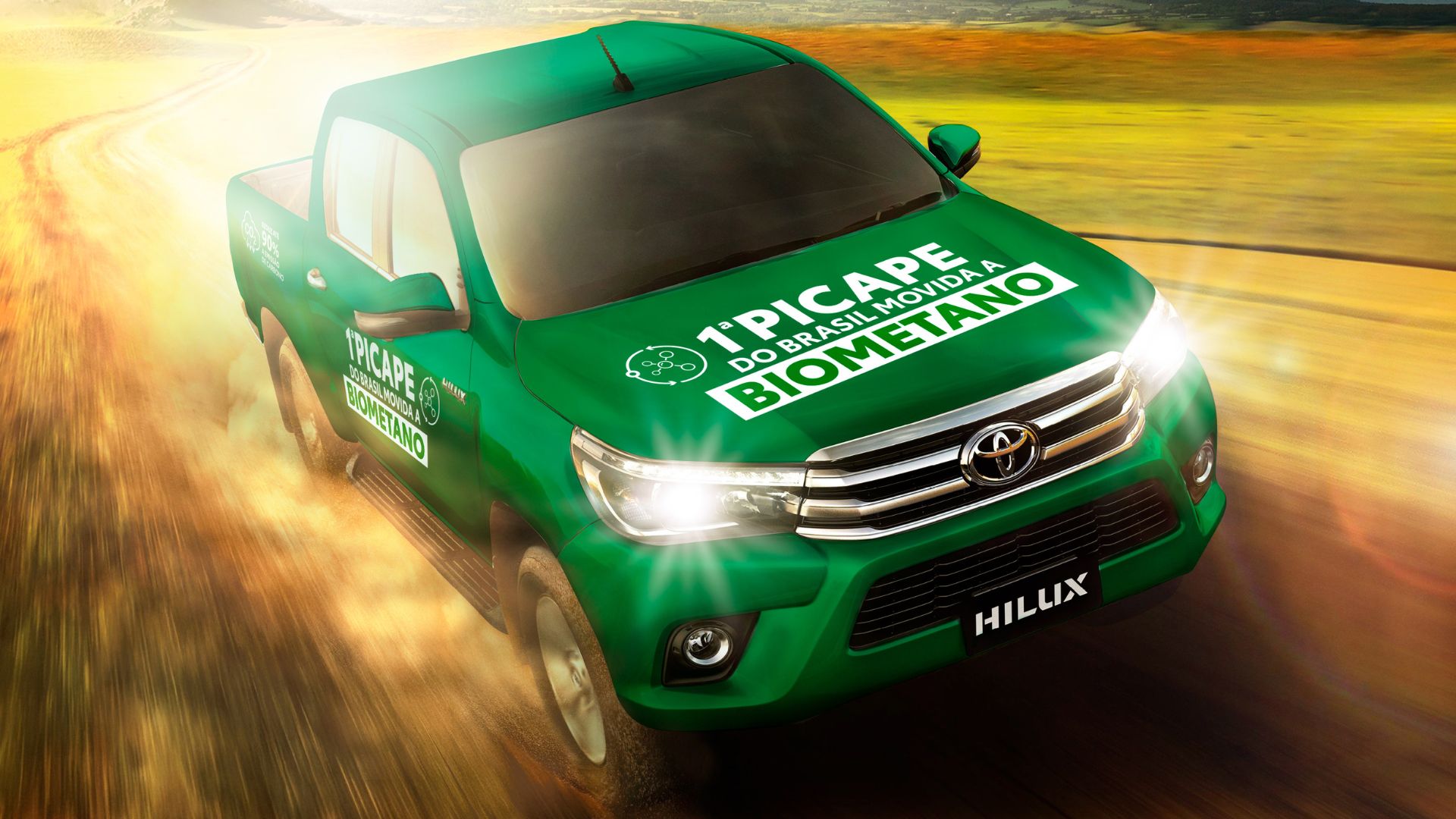
Toyota Announces Strategic Laboratory in São Paulo Interior to Develop Flex-Fuel, Ethanol and Biogas Technologies, Expanding Investments in Sustainable Automotive Engineering and Energy Innovation in Brazil
Toyota officially confirmed the creation of a laboratory focused on the development of flex-fuel and biofuel technologies in Brazil, with installation planned in Sorocaba, São Paulo interior. According to an article published by the Auto Indústria website on Tuesday (3), the announcement was made by the president of Toyota do Brasil, Evandro Maggio, during a meeting with automotive industry journalists. The initiative positions Brazil as a highlight in research on renewable fuels and automotive innovation.
Toyota’s Biofuels Center Integrates R$ 11.5 Billion Investment Package
Right from the first statements, it became clear that the project goes beyond a conventional industrial expansion. The new biofuels center emerges as a hub for applied engineering, sustainability, and technological innovation, integrating local knowledge with international collaboration.
Initially, the structure will feature 40 specialized engineers and integrates the R$ 11.5 billion investment package announced by Toyota for Brazil in 2024, aimed at industrial modernization and the development of new mobility technologies.
-
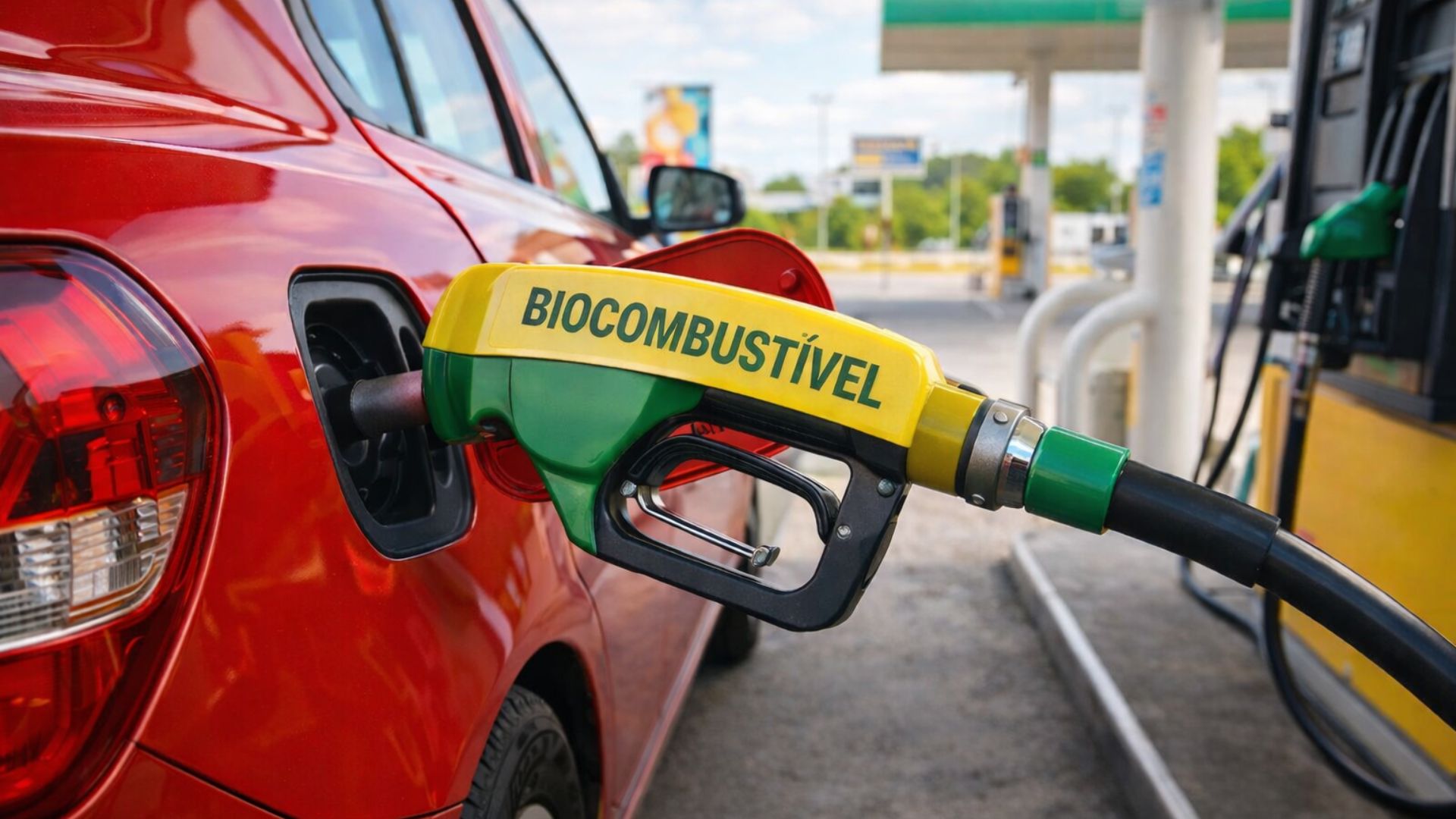
CNPE strengthens policy and prevents imported biodiesel from being mixed with diesel, aiming to strengthen the Brazilian industry and protect jobs by reducing external dependence amid tensions in the global market.
-
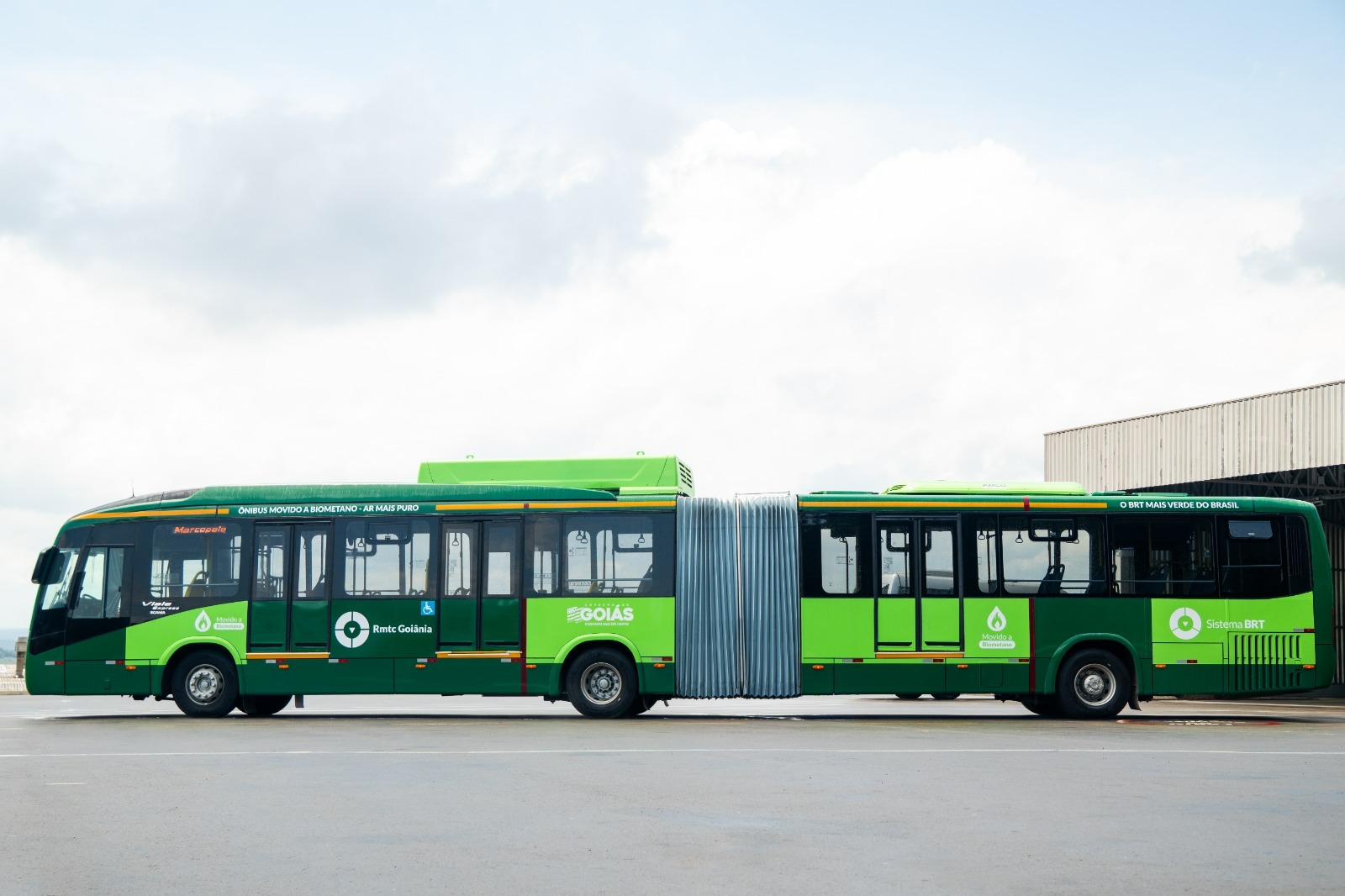
Revolution in public transport: Goiânia puts into circulation the first articulated buses powered by biomethane in Brazil and promises to drastically reduce pollution on the Anhanguera Corridor.
-
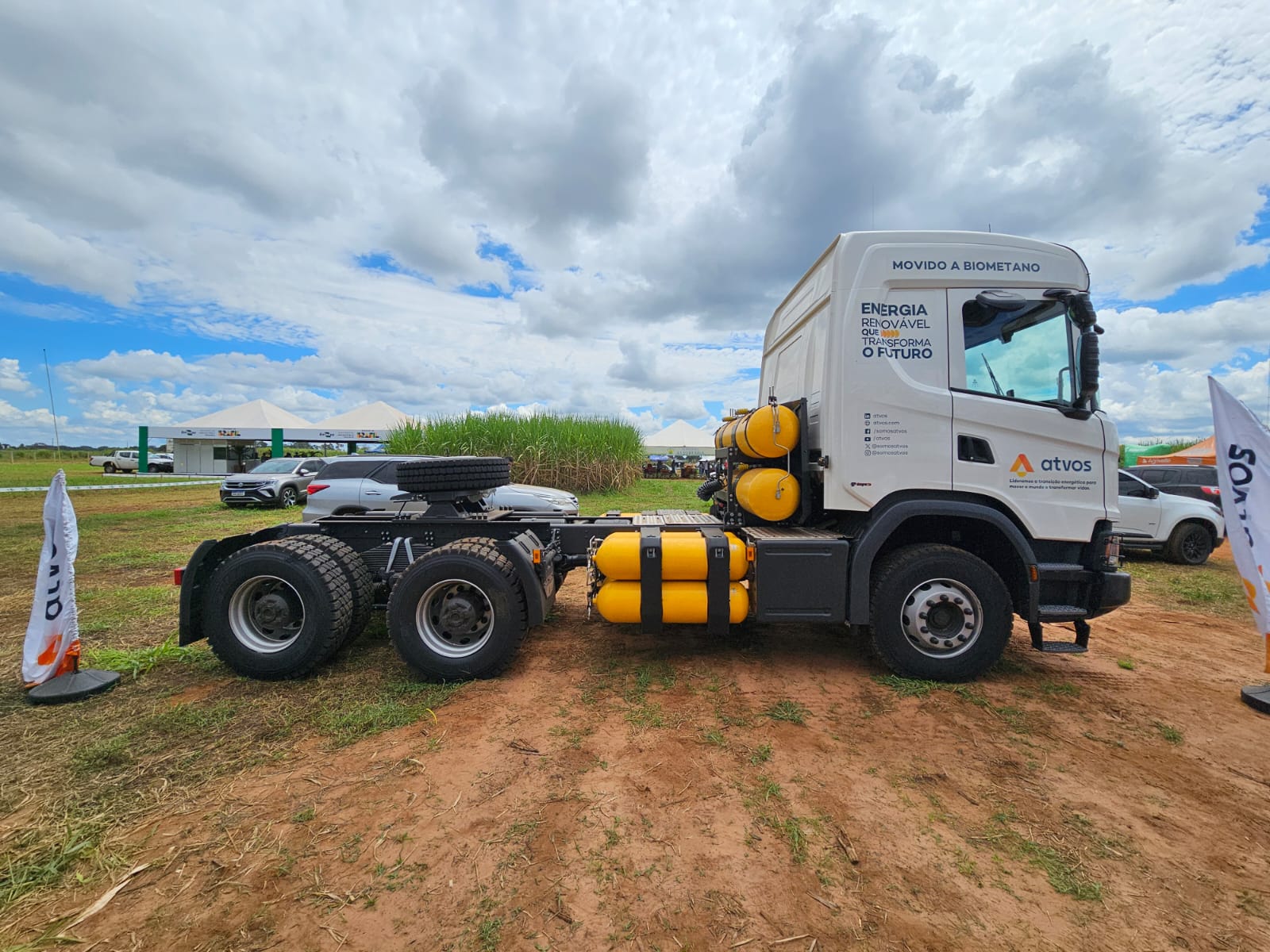
From the field to the pipelines: Mato Grosso do Sul accelerates the energy transition and consolidates a new axis in renewable energy with the arrival of a giant biogas plant.
-
The Economist states that Brazil has a “secret weapon” against expensive oil and highlights how the country can reduce economic impacts even in international scenarios of high volatility.
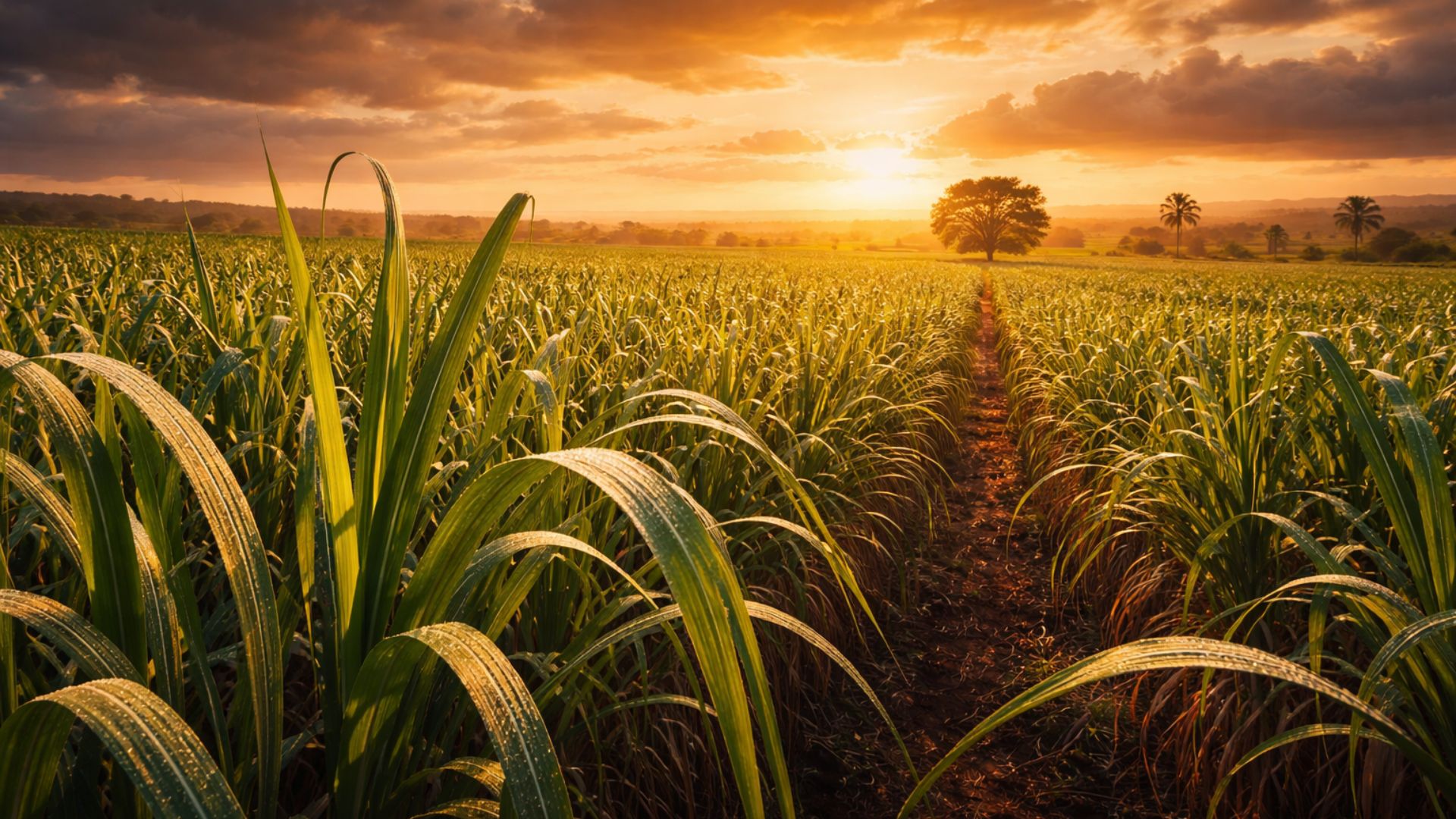

Additionally, the announcement reinforces a trend observed globally in the automotive sector: the pursuit of multiple energy solutions instead of exclusive dependence on electrification. Brazil gains relevance precisely due to its historical experience with ethanol and the growing production of biogas, factors that strengthen the nation’s prominence in the international arena.
Japanese Focus on R&D in Sorocaba
Toyota confirmed that Sorocaba will be the strategic headquarters of the new biofuels and R&D center, leveraging the already established industrial infrastructure in the city. The municipality currently houses a production line of the automaker and is also receiving investments for the construction of a second factory, planned to gradually replace the unit in Indaiatuba. This integration between production and research reduces development timelines and increases technological efficiency.
Sorocaba stands out for its privileged logistics, proximity to the São Paulo capital, and qualified workforce. The choice of the municipality reinforces the strategy of uniting engineering, production, and practical testing within a single industrial ecosystem, favoring continuous innovation. The new biofuels center also has an international vocation, as the project involves direct collaboration with Japanese engineering and other global Toyota subsidiaries.
This technological exchange expands the reach of research conducted in Brazil and strengthens the country’s role as a generator of technical knowledge. Brazilian engineering shifts from being merely an adapter of solutions to influencing the global development of sustainable automotive technologies.
Toyota Initiative Boosts Ethanol and Biogas
Brazil has one of the most renewable energy matrices in the world, and it is precisely this experience that Toyota intends to explore strategically. Brazilian ethanol is considered a competitive alternative to electric vehicles when the full emissions lifecycle is analyzed, primarily due to the lower carbon footprint associated with the cultivation of sugarcane and the production process of the fuel.
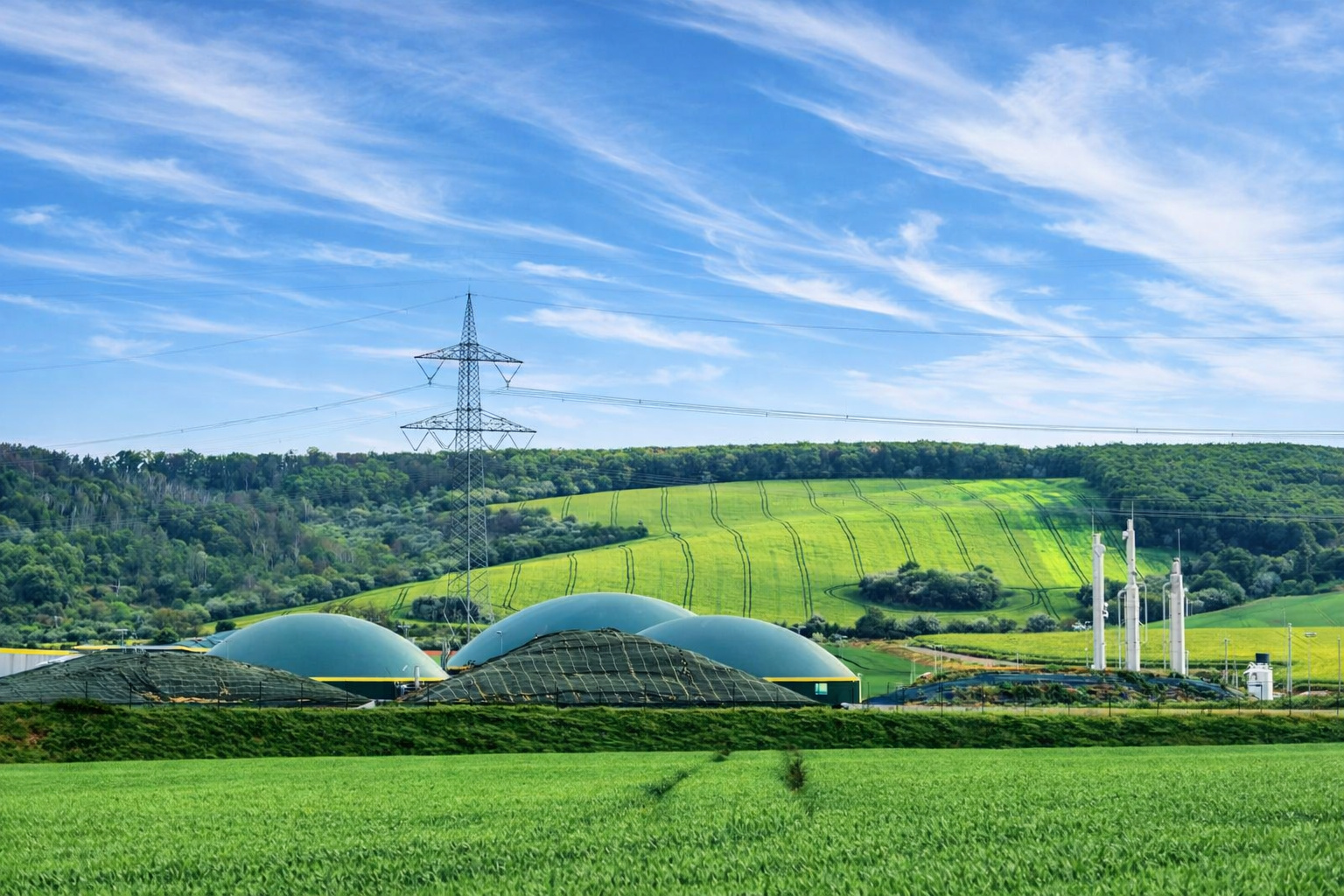
In addition to ethanol, the new biofuels center will also direct significant efforts towards biogas. The automaker has already conducted practical tests using a pickup truck adapted for this fuel, previously exhibited at Agrishow and currently being tested at some plants. Biogas emerges as a strategic solution for specific applications, especially in agricultural and industrial environments.
Despite this, logistical challenges still exist. The transportation and storage of this fuel require specialized infrastructure, which limits its immediate expansion. Nevertheless, the R&D conducted by Toyota seeks to overcome these technical barriers, developing more efficient solutions for compression, distribution, and refueling. The trend is that this research will broaden the use of biogas in strategic niches and, in the future, on a larger scale.
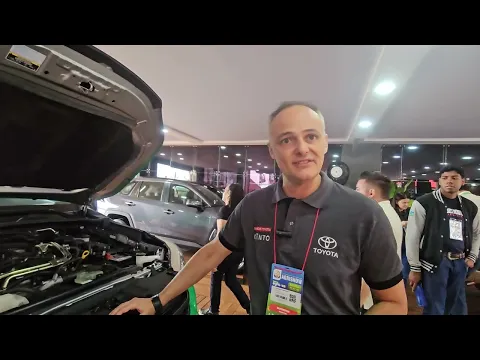

Sorocaba as a Hub for R&D and Sustainable Automotive Innovation
Sorocaba has already been consolidating as a relevant automotive hub in the state of São Paulo, but the announcement of the new biofuels center enhances this prominence. The city will house not only assembly lines but also advanced engineering and applied research structures, transforming the municipality into a reference in sustainable automotive innovation.
This integrated model allows for greater proximity between researchers, engineers, and industrial operators, reducing the interval between development and practical application. Toyota strengthens a technological ecosystem that encourages partnerships with universities, suppliers, and startups, creating an environment favorable to continuous innovation.
Even without immediate confirmation of new hires, the indirect impact is evident. The presence of a R&D center tends to attract qualified professionals, increase regional investments, and strengthen the local economy. The multiplier effect of technological innovation exceeds the automotive sector and influences entire production chains.
Billion-Dollar Investment by Toyota in Brazil Strengthens Biofuels and R&D
The new biofuels center is part of the R$ 11.5 billion package announced by Toyota in 2024 for Brazil. This amount encompasses factory expansion, modernization of production lines, and strengthening of sustainable projects. The investment demonstrates confidence in the Brazilian market and the technical capacity of national engineering.
Even in the face of recent operational challenges, such as climate impacts that affected operations in Porto Feliz, the company maintained its project schedule. The continuity of investments reinforces the long-term vision and the strategic importance of Brazil on the global map of the automaker.
This movement follows a trend observed among various vehicle manufacturers worldwide. Instead of solely betting on electrification, many companies seek to diversify energy solutions. Flex-fuel and biofuels are gaining relevance as viable, adaptable, and compatible alternatives with existing infrastructure.
Toyota’s R&D in Sorocaba Accelerates Decarbonization of Mobility
Decarbonization of mobility is one of the main challenges of the global automotive industry. In this scenario, Brazil presents clear competitive advantages, primarily due to its extensive experience with ethanol since the 1970s. The new biofuels center of Toyota leverages this historical base to develop modern, efficient, and scalable solutions.
The R&D is not limited only to the fuel itself. The goal includes enhancing engines, injection systems, thermal efficiency, and integration with hybrid technologies. This approach amplifies the potential for emission reductions without requiring radical changes in refueling infrastructure, which favors gradual market adoption.
Moreover, collaboration with international engineering strengthens scientific exchange. Brazil now exports technical knowledge and influences Toyota’s global strategies, expanding its relevance in the global automotive landscape.
A New Chapter for Sustainable Mobility in Brazil
The announcement on February 3, 2026, consolidates Brazil as a protagonist in sustainable mobility. The creation of Toyota’s new biofuels center in Sorocaba represents a strategic advance that unites innovation, engineering, and sustainability. The initiative reinforces the country’s role as a global laboratory for renewable energy solutions.
The combination of ethanol, biogas, and R&D strengthens the path to decarbonization without requiring an immediate break with existing technologies. The strategy balances economic viability, environmental efficiency, and available infrastructure, making the energy transition more realistic and accessible.
Sorocaba transforms into a core of automotive innovation, while Toyota reaffirms its commitment to diversified energy solutions. The result is a promising landscape for the industry, the environment, and the national economy, indicating that the future of sustainable mobility may be born from the integration of technology, research, and renewable resources already established in Brazil.








Seja o primeiro a reagir!