





 Portuguese
  English
  Spanish
  2 min of reading
  0 comments


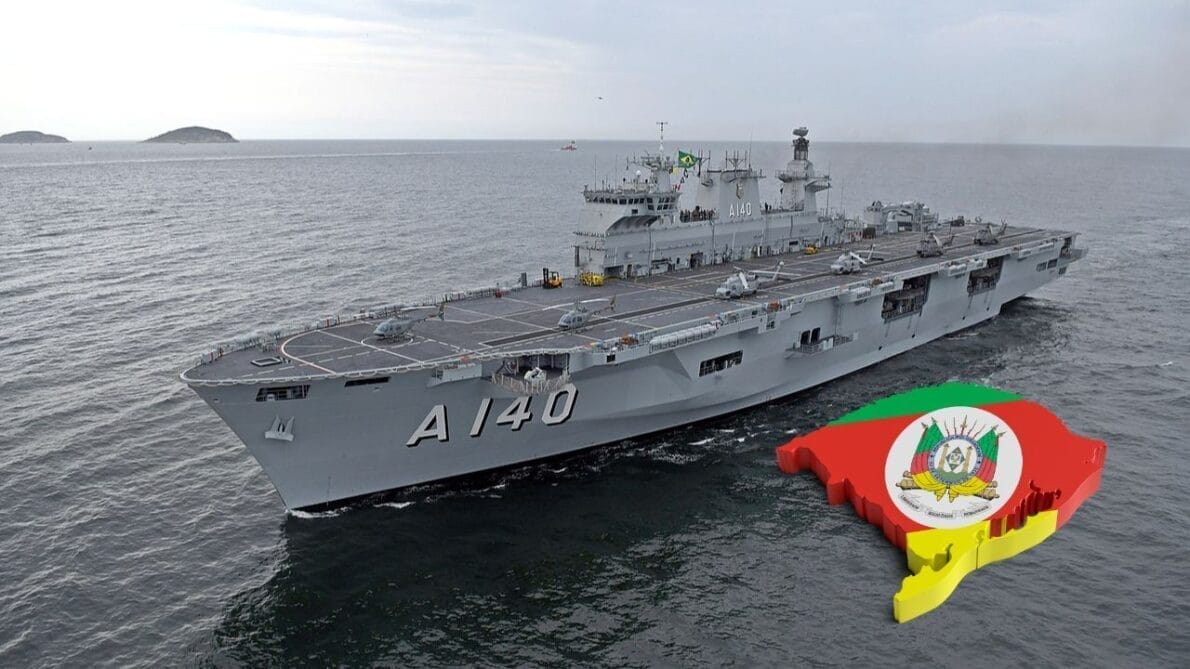
The Multipurpose Aircraft Carrier Atlântico, the Largest Warship in South America, Is Deployed by the Brazilian Navy to Reinforce Operation Taquari 2 in Rio Grande do Sul, Bringing Crucial Resources Such as Helicopters, Landing Crafts, a Field Hospital Equipped with ICU, and Specialized Medical Teams. This Action Aims to Intensify Rescue and Assistance Operations for More Than 141 Thousand People Displaced by the Historic Floods That Struck Almost All Municipalities in the State, Highlighting the Vital Role of the Armed Forces in Public Disaster Situations.
In a crucial response to the devastating floods in Rio Grande do Sul, the Brazilian Navy mobilizes the Multipurpose Aircraft Carrier Atlântico, the largest warship in South America, to participate in Operation Taquari 2. The rescue mission with the help of the local population and many civilian volunteers, who have already assisted thousands of people affected by the natural disaster, now receives significant reinforcement.
The state of Rio Grande do Sul is facing the worst natural tragedy in its history with almost all of its 500 municipalities affected. More than 141 thousand people have been displaced, and the critical situation necessitated the declaration of a state of public calamity. In response, the Atlântico Aircraft Carrier, equipped with Naval Aviation helicopters and landing crafts, as well as a complete field hospital, arrives to strengthen rescue and assistance efforts.
Medical Team On Board, Including Orthopedists, General Surgeons, Anesthetists, Among Others, Is Prepared to Provide Immediate Medical Care to the Victims
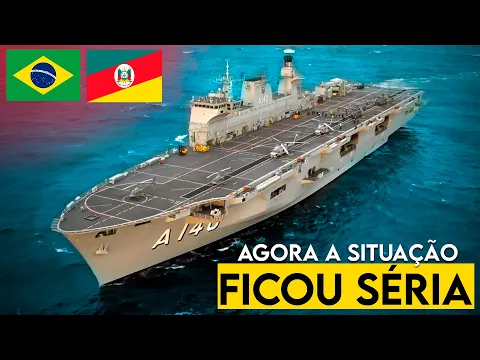

The ship’s carrying capacity is essential for this operation, allowing for the transportation of vehicles, heavy equipment, and vital supplies. The medical team on board, including orthopedists, general surgeons, anesthetists, among others, is prepared to provide immediate medical care to the victims. This mobilization recalls the activities of the Brazilian Navy in early 2023 on the North Coast of São Paulo, where it played a key role in the recovery of affected areas.
-
With 74% of companies facing difficulties in hiring, technicians and engineers in renewable energy are becoming scarce in Brazil and are essential to support the expansion of solar, wind, and green hydrogen projects.

-
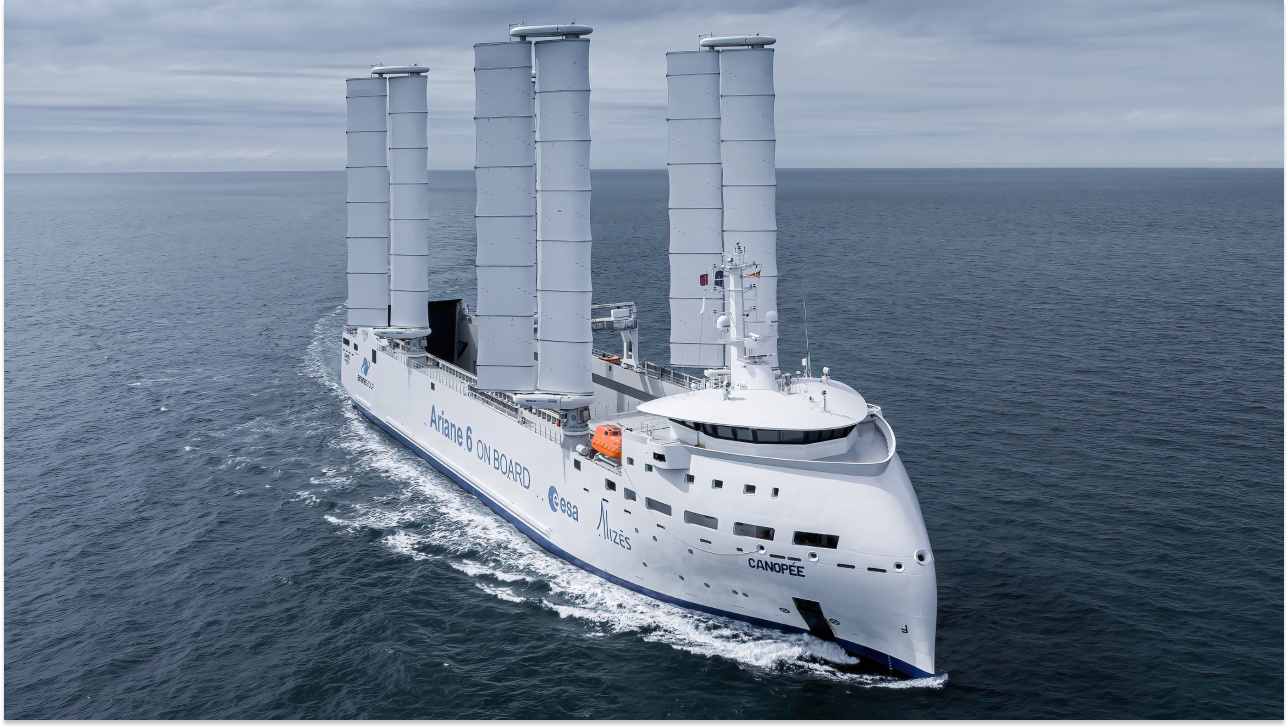
Europe is trying to create an ammonia-powered marine engine without auxiliary fuel, which could unlock the race for giant emission-free ships. The technology aims to eliminate one of the biggest obstacles to clean maritime propulsion.
-
A 4,500-ton frigate with just over 100 crew members, state-of-the-art radar, and cruise missiles is being touted as the new standard of naval warfare in the 21st century.
-
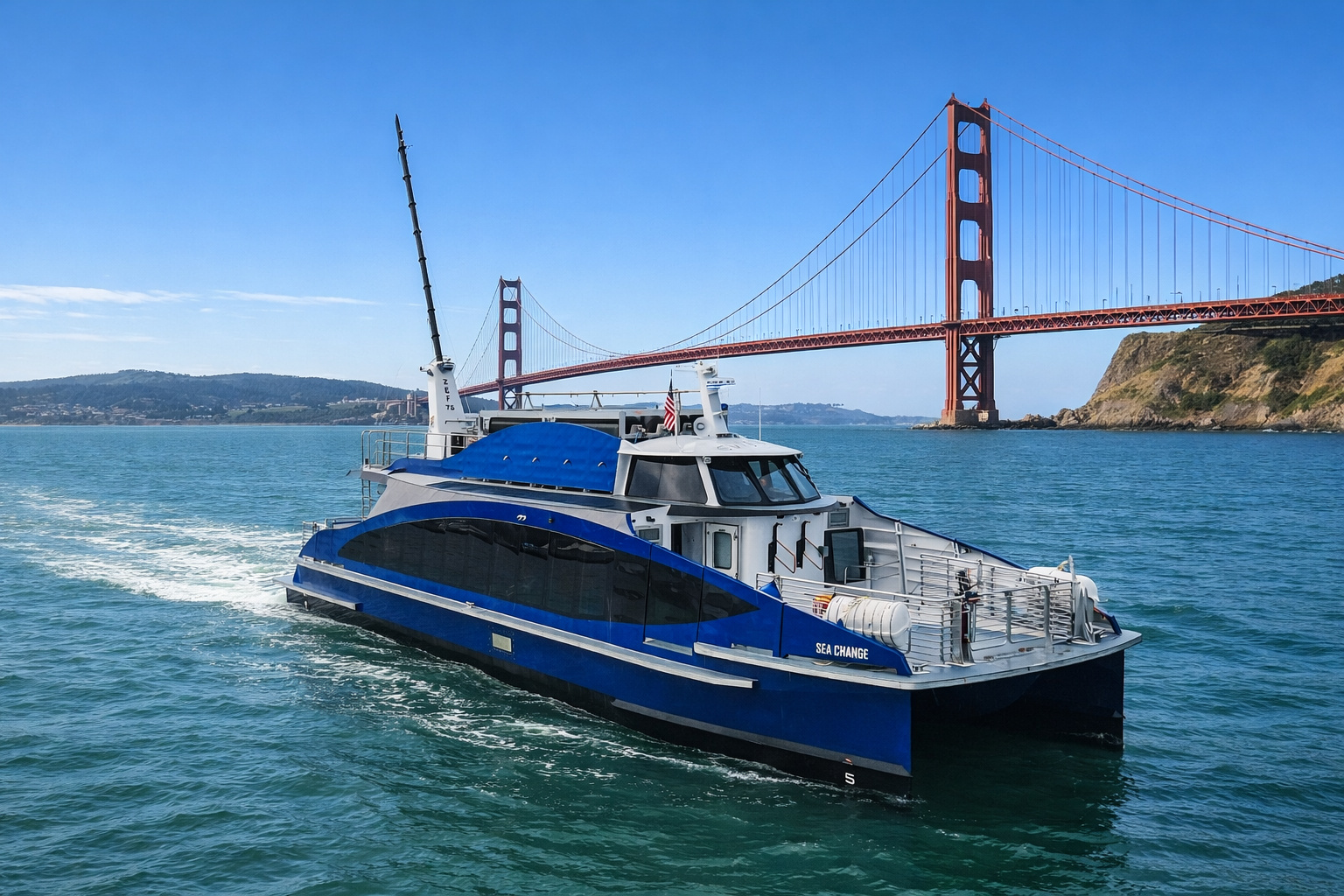
The first commercial hydrogen-powered ferry enters operation in the U.S., eliminates the use of diesel, uses fuel cells to generate clean energy on board, and transforms San Francisco Bay into a landmark of the new era of emission-free navigation.

The action of the Brazilian Navy comes amid criticism of the federal government for an initially slow response to the disaster. However, with the arrival of the Atlântico Aircraft Carrier, a significant improvement in the logistics of aid and the effectiveness of rescue operations is expected.
Operation Taquari 2 is a symbol of hope for many people from Rio Grande do Sul facing extremely difficult times, reaffirming the importance of the Brazilian Navy not only in national defense but also as a vital force in large-scale humanitarian actions. At this moment, all help is needed, regardless of any delay.








Seja o primeiro a reagir!