





 Portuguese
  English
  Spanish
  2 min of reading
  0 comments


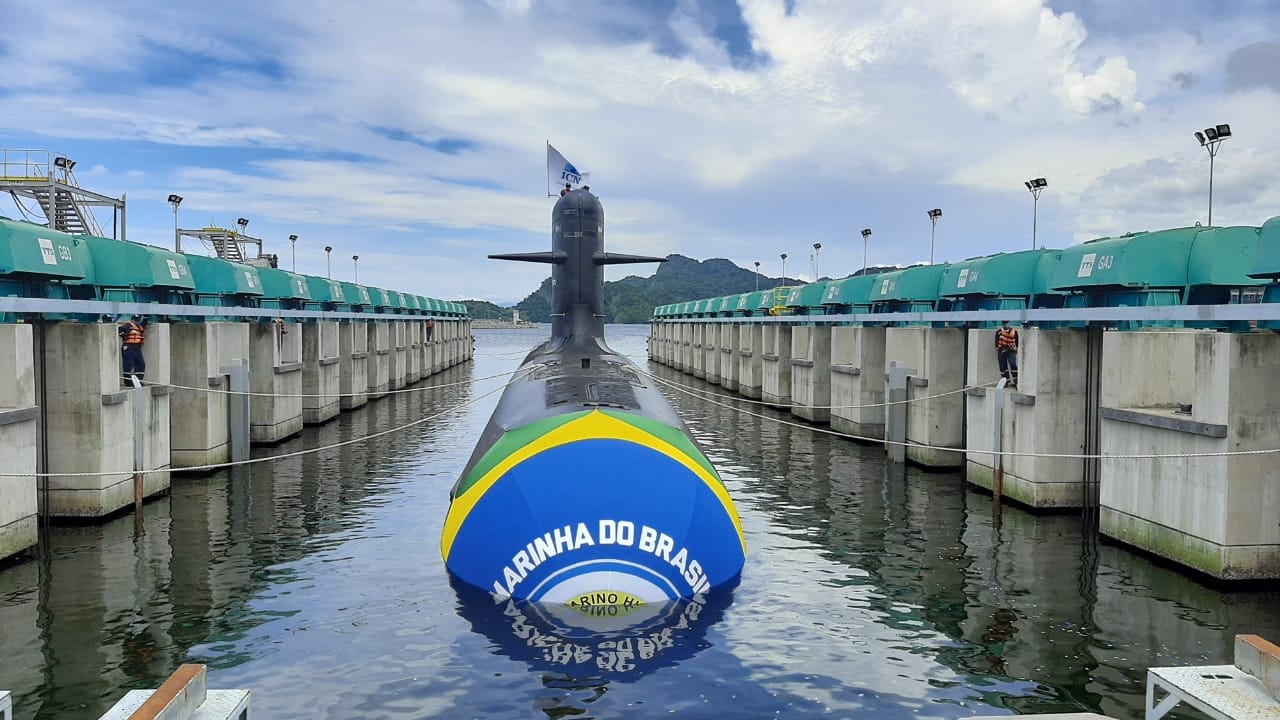
The Brazilian Navy celebrated a great achievement last Friday (12), as it received the second Scorpène-class submarine, part of the Submarine Development Program (Prosub). Launched in 2008 through an association between Brazil and France, Prosub aims not only to enhance submarine capacity but also to develop technological cooperation between the two countries.
Strategic Advancement in Prosub
The Development Program is a broad initiative that includes the construction of four conventional submarines of the Scorpène category from France. In addition, the manufacture of the first nuclear-powered submarine in Brazil is planned, with an estimated completion date of 2029 and launch in 2033. All these activities are being carried out at the Naval Complex of Itaguaí, located in the state of Rio de Janeiro.
Submarines as a Pillar of National Defense
The Humaitá, now officially incorporated into the Brazilian Navy, is the second of the four submarines that the French shipyard DCNS acquired, being subsidized by the BNP Paribas bank. This delivery is crucial to strengthen the country’s submarine defense capabilities, providing a strategic presence in territorial waters.
-
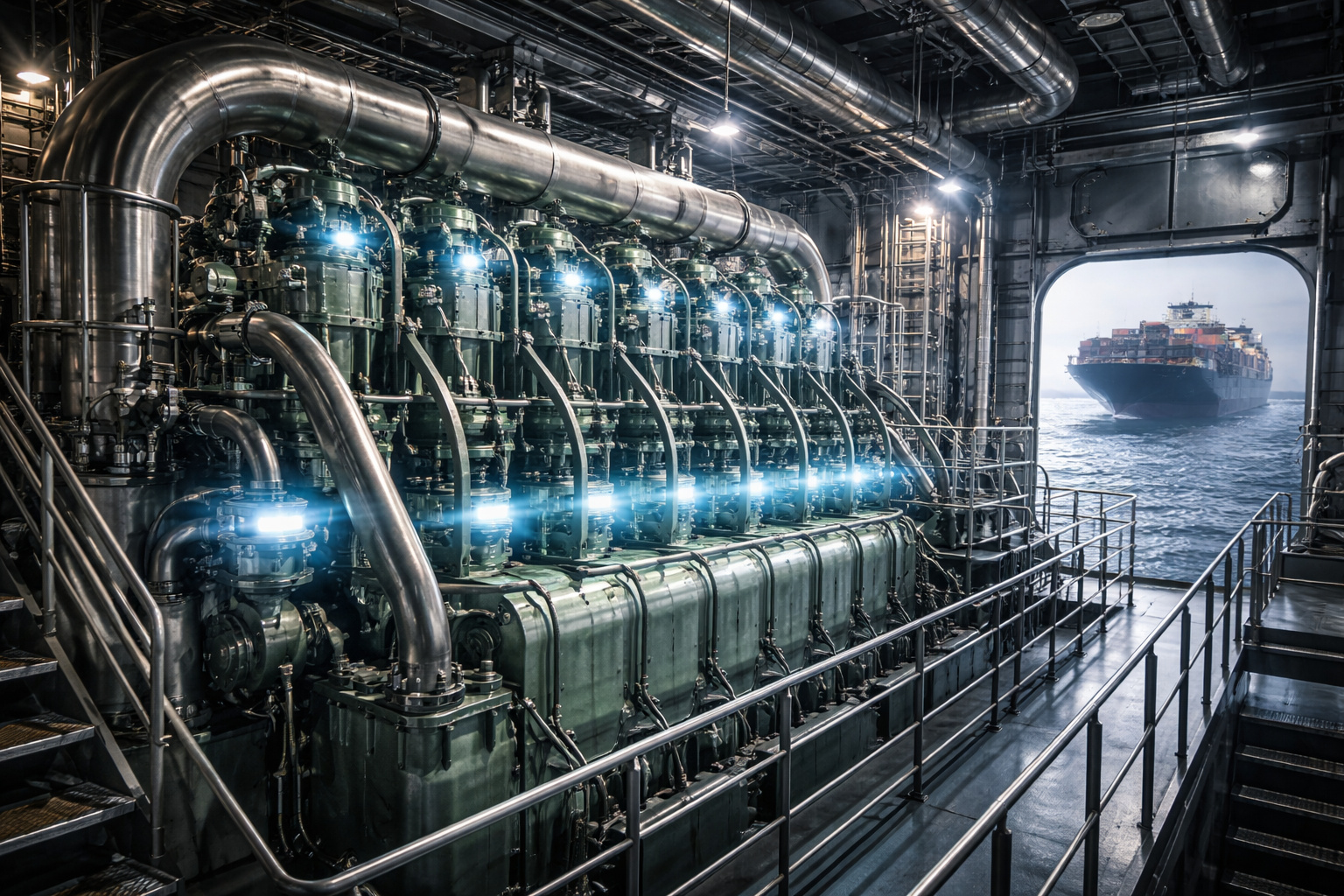
Europe is trying to create an ammonia-powered marine engine without auxiliary fuel, which could unlock the race for giant emission-free ships. The technology aims to eliminate one of the biggest obstacles to clean maritime propulsion.
-
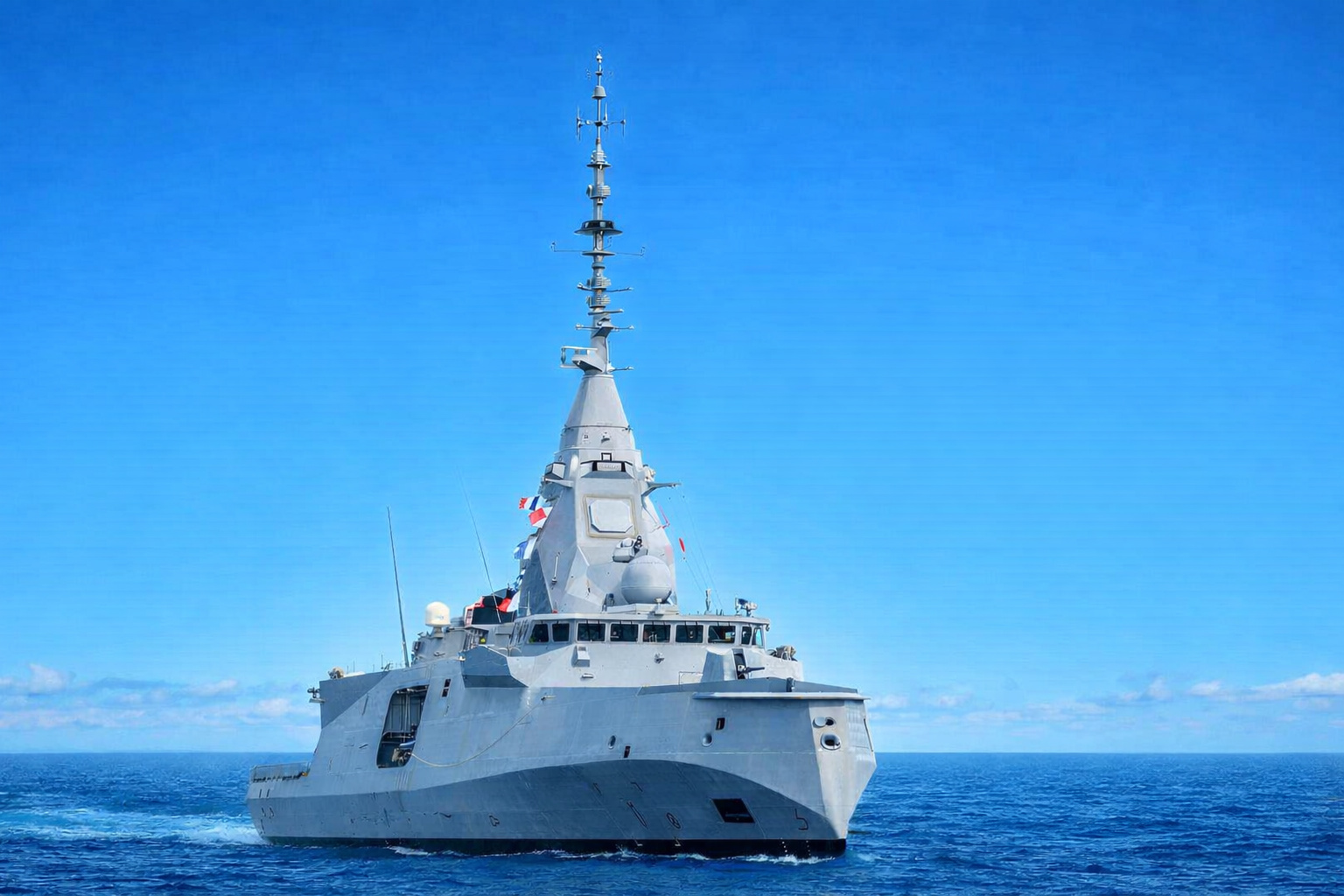
A 4,500-ton frigate with just over 100 crew members, state-of-the-art radar, and cruise missiles is being touted as the new standard of naval warfare in the 21st century.
-
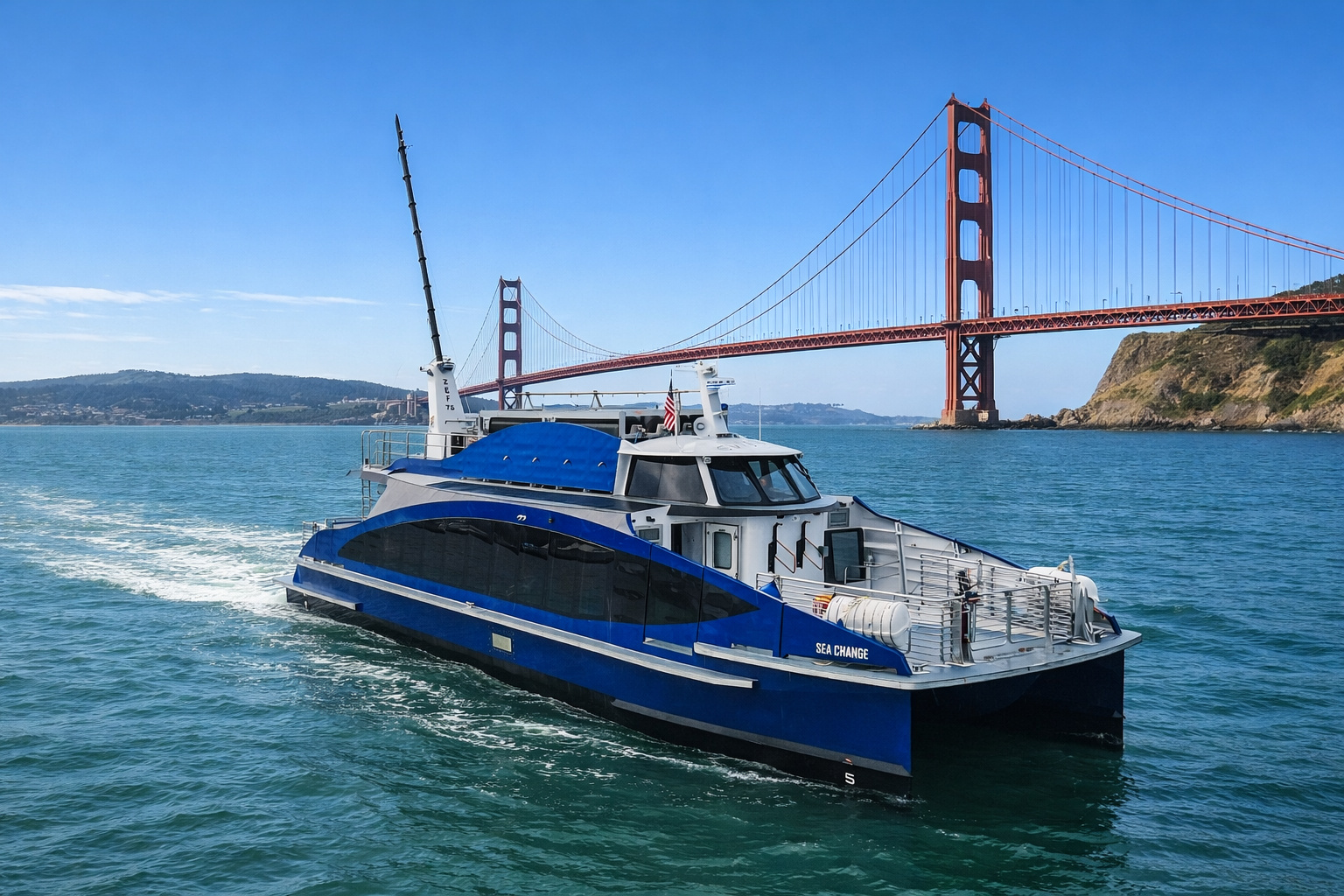
The first commercial hydrogen-powered ferry enters operation in the U.S., eliminates the use of diesel, uses fuel cells to generate clean energy on board, and transforms San Francisco Bay into a landmark of the new era of emission-free navigation.
-
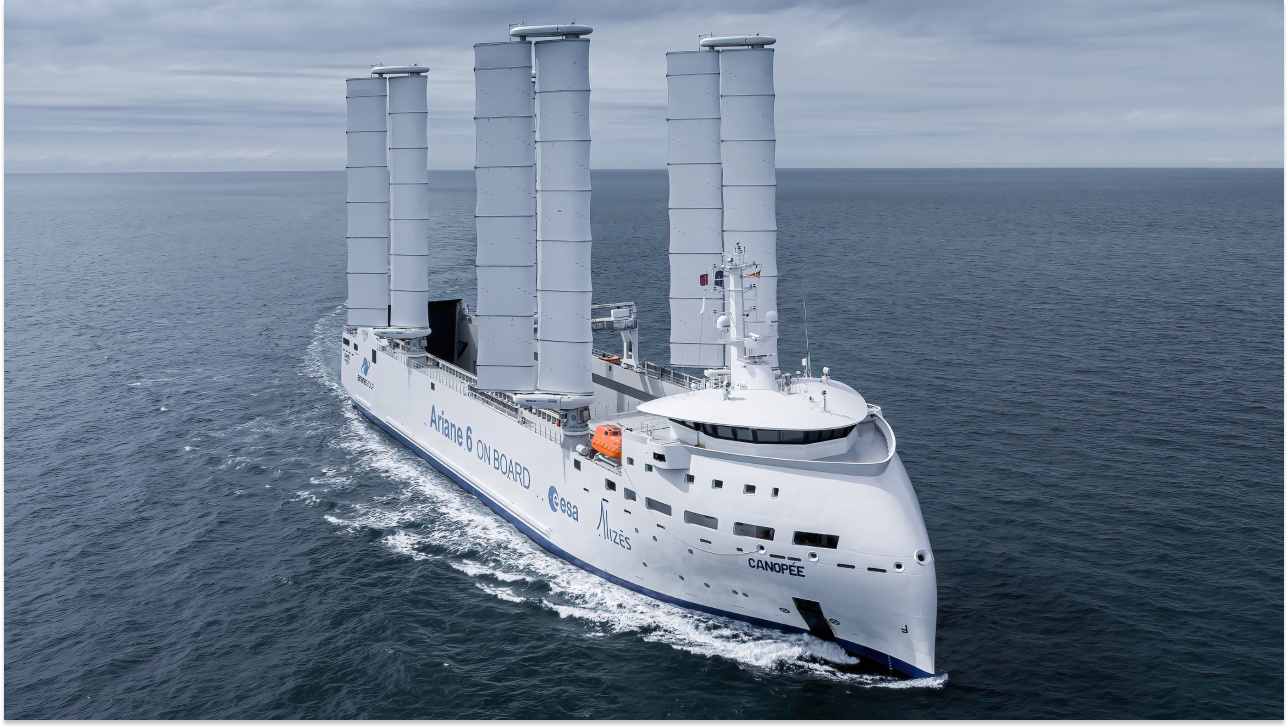
With a length of 121 meters and four rigid sails of 36 meters that automatically rotate to capture the wind, Canopée is the world’s first hybrid industrial cargo ship powered by wind, used to transport rockets and reduce fuel consumption by up to 30% on transoceanic routes.

The deal with the French nation for the creation of these submarines aims to protect national sovereignty and provide crucial support for maritime security and the defense of Brazilian territorial waters. The Humaitá joins the Riachuelo, delivered in 2022, as an essential component of this joint effort.
Towards the Future: Navy Aims for Nuclear Propulsion
The pinnacle of Prosub will be the completion of the first Brazilian nuclear-powered submarine, named Álvaro Alberto in honor of the Brazilian admiral who kicked off nuclear studies. This advancement represents not only a leap in the capabilities of the Brazilian Navy but also solidifies the country’s position in the international arena as an operator of nuclear submarines.
The Scorpène-class submarines, crucial for underwater operations, have undergone adaptations to enhance crew comfort and expand range capacity. They are, therefore, a key component of national defense, reinforcing Brazil’s ability to safeguard its territorial waters and maritime interests.









Seja o primeiro a reagir!