





 Portuguese
  English
  Spanish
  3 min of reading
  0 comments


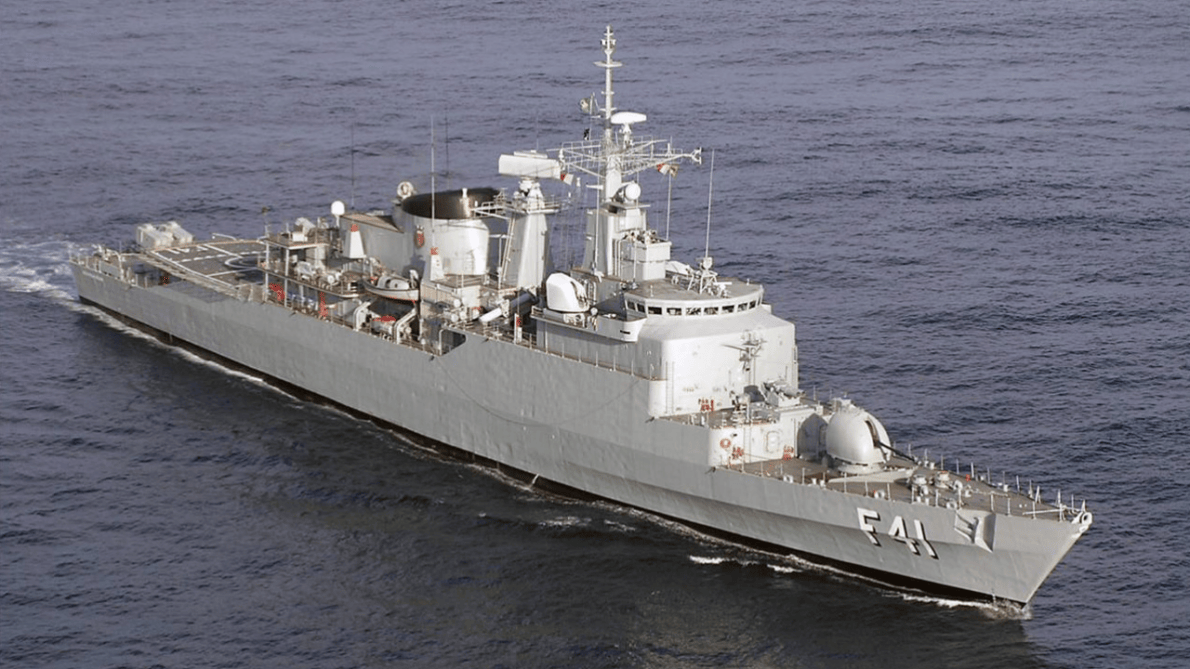
International Initiative of the Brazilian Navy Takes Place Between April 18 and July 14 and Involves Cooperation with African Countries for Maritime Security and Combating Transnational Crimes.
The Brazilian Navy began, this Friday (18), the “Obangame Express 2025/ GUINEX V” operation, an international mission of great strategic relevance in the Gulf of Guinea, on the west coast of Africa. The operation will have the active participation of the Frigate ‘Defensora’ (F-41), a ship that symbolizes Brazilian naval tradition, and aims to reinforce maritime security, promote interoperability, and strengthen partnerships with the navies and coast guards of friendly nations.
Brazilian Navy: Maritime Security and Combating Crime
During the period of more than two months, the Brazilian Navy will work together with countries such as Cape Verde, Cameroon, Ghana, Nigeria, São Tomé and Príncipe, Ivory Coast, and Senegal, promoting a series of trainings and tactical exercises at sea and in ports in the region.
The goal is to foster international cooperation in combating piracy, drug trafficking, arms trafficking, and human trafficking—illicit activities that threaten the stability of the region.
-
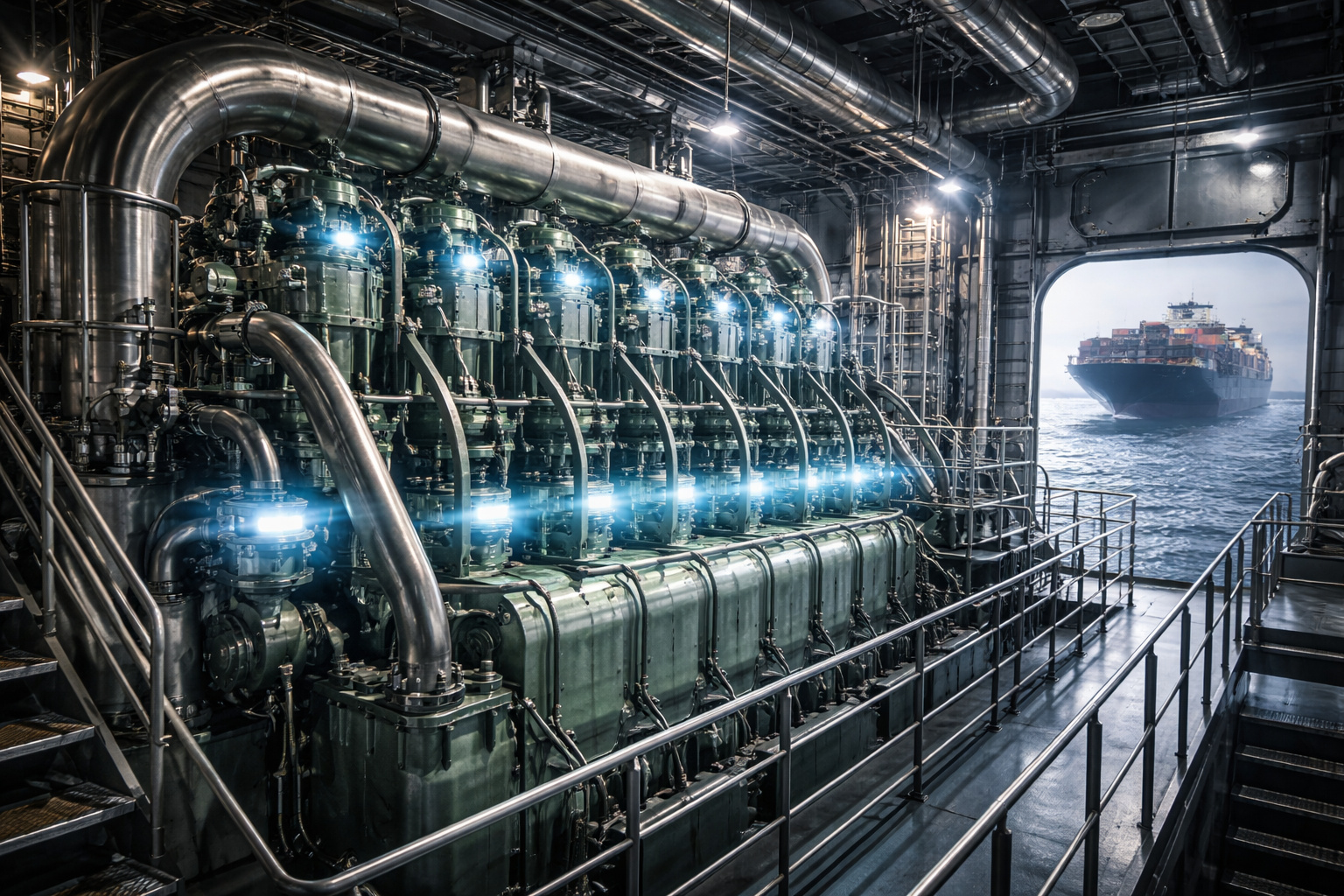
Europe is trying to create an ammonia-powered marine engine without auxiliary fuel, which could unlock the race for giant emission-free ships. The technology aims to eliminate one of the biggest obstacles to clean maritime propulsion.
-
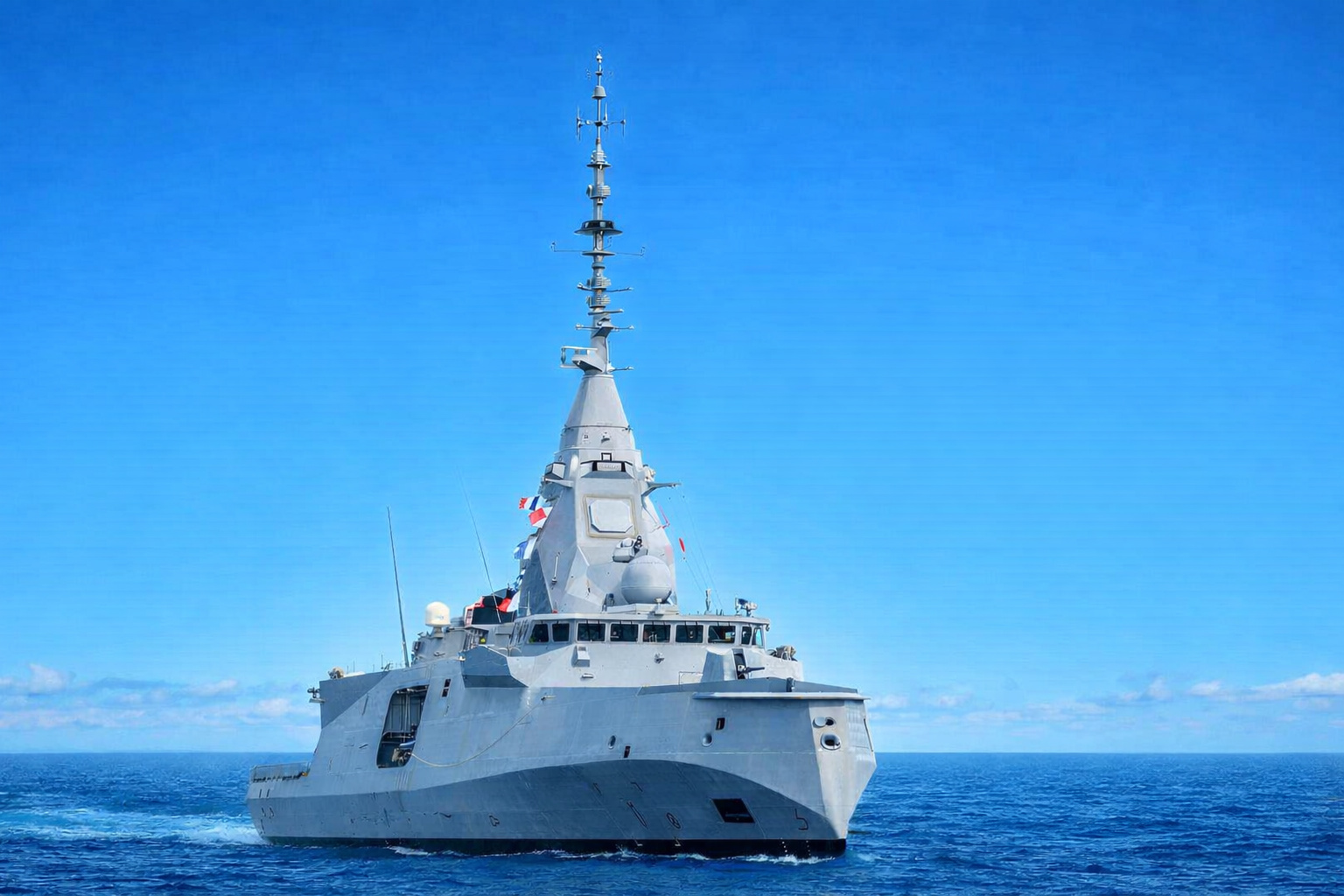
A 4,500-ton frigate with just over 100 crew members, state-of-the-art radar, and cruise missiles is being touted as the new standard of naval warfare in the 21st century.
-
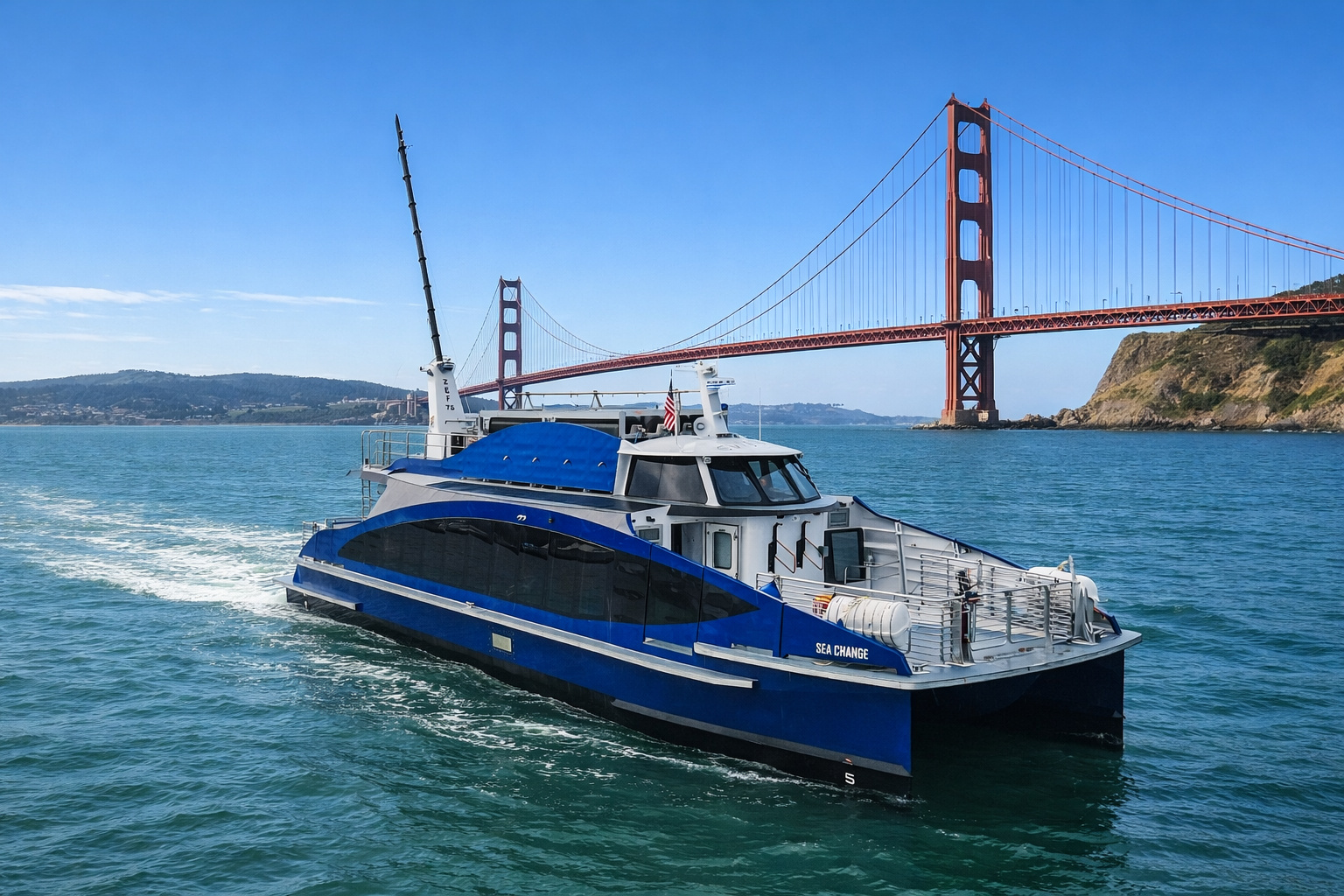
The first commercial hydrogen-powered ferry enters operation in the U.S., eliminates the use of diesel, uses fuel cells to generate clean energy on board, and transforms San Francisco Bay into a landmark of the new era of emission-free navigation.
-
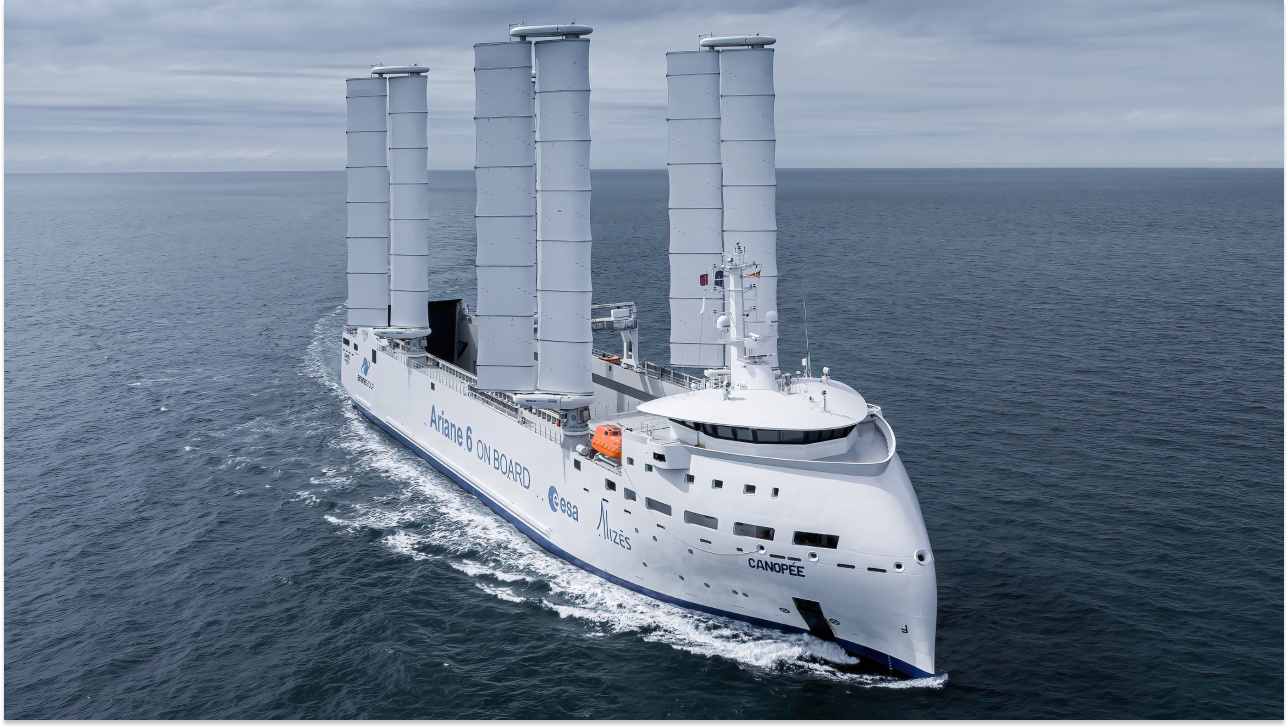
With a length of 121 meters and four rigid sails of 36 meters that automatically rotate to capture the wind, Canopée is the world’s first hybrid industrial cargo ship powered by wind, used to transport rockets and reduce fuel consumption by up to 30% on transoceanic routes.
The operation, now in its fifth edition, also seeks to consolidate Brazil’s presence as a strategic partner in the South Atlantic, as well as to protect national interests in the strategic surroundings of the African continent.
Tactical Training and International Cooperation
Among the planned actions are maneuvers of fast vessels, boarding and inspection techniques of ships, as well as simulations of special operations and defense against asymmetric threats.
These trainings, conducted in conjunction with local forces, promote the development of operational and command capabilities, fostering interoperability among participating countries.
With these measures, the Brazilian Navy reaffirms its commitment to promoting peace and regional stability through naval diplomacy and active presence in areas of strategic interest.
The History of the Frigate ‘Defensora’ (F-41)
The Frigate ‘Defensora’, vessel representing Brazil in the “Obangame Express 2025/ GUINEX V”, carries a long tradition.
It is the second ship of the Navy to bear this name—the first was a corvette built in 1828.
The current Defensora is part of the Niterói class and was built in the United Kingdom, with its keel laid in 1972 and launched in 1975.
After extensive testing, it was officially incorporated into the Brazilian Navy on March 5, 1977.
Since then, the ship has participated in various national and international missions, serving as a symbol of the operational capacity of the Brazilian fleet.
By joining this operation in the Gulf of Guinea, the ‘Defensora’ reaffirms its role as a tool of diplomacy and projection of Brazilian naval power.
Brazilian Navy’s Ongoing Commitment to Peace in the South Atlantic
The “Obangame Express 2025/ GUINEX V” operation reinforces Brazil’s presence in international waters and highlights the importance of the Brazilian Navy as an active agent in defending global maritime security.
Through cooperation, training, and diplomacy, Brazil continues to strengthen its strategic ties with the African continent and directly contributes to the protection of trade routes and common interests in the South Atlantic.









Seja o primeiro a reagir!