





 Portuguese
  English
  Spanish
  5 min of reading
  4 comments


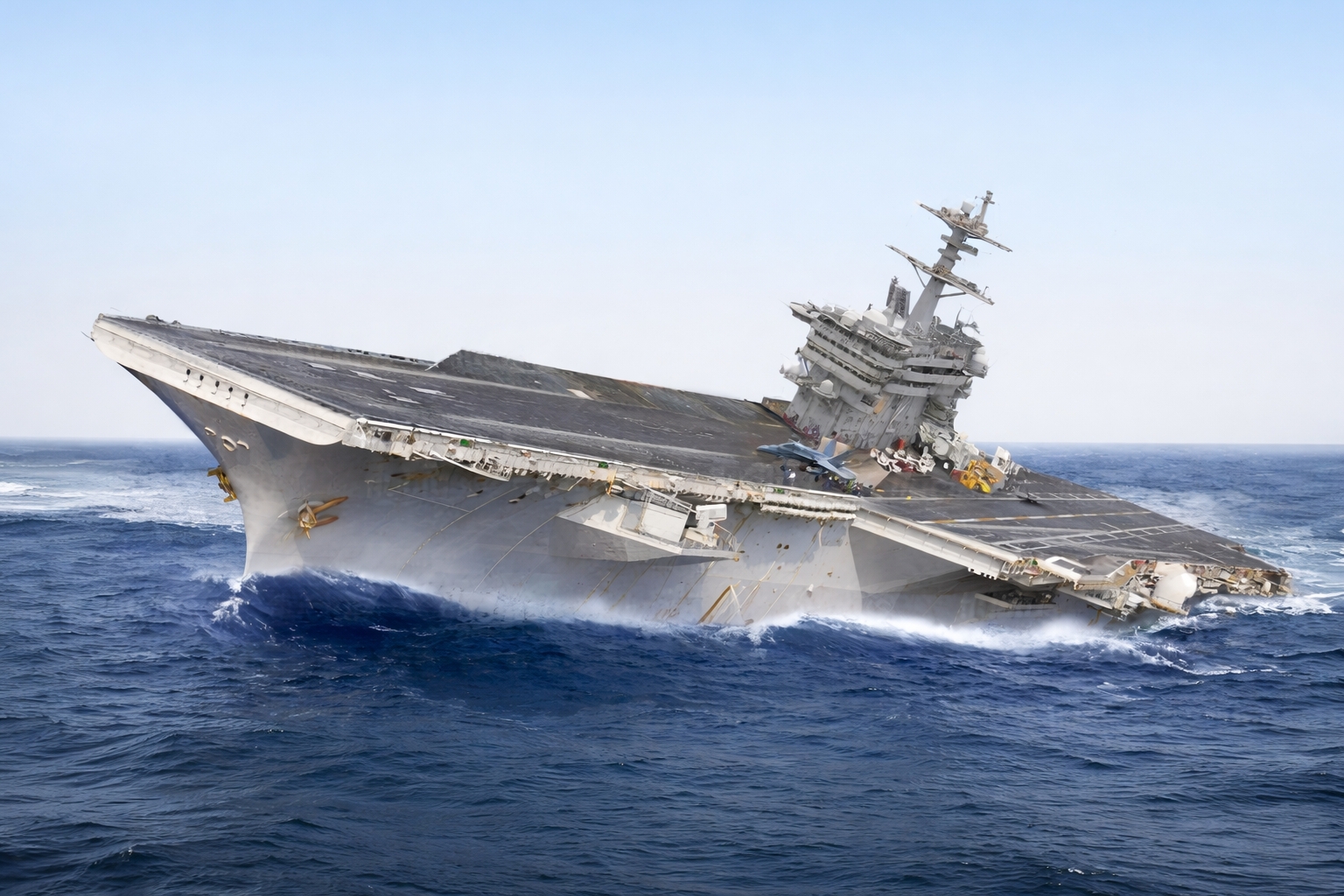


The Navy Conducted the Sinking Operation of the Aircraft Carrier São Paulo After the Ship Faced Environmental and Diplomatic Impasses. Sold for R$ 10 Million, São Paulo Ended Up Generating a Cost of R$ 37.2 Million to the Public Treasury.
According to the G1 portal, the decision Raised Questions About Planning, Military Asset Management, and Environmental Impact. After All, How Did a Ship That Had Already Been Sold Return to Brazil and Still Generate an Expense Greater Than the Amount Collected?
From French Naval Pride to Strategic Reinforcement of the Navy
Before Becoming a Problem, the Aircraft Carrier São Paulo Had a Distinguished Career. Built in France in the 1950s, It Was Launched as Foch and Served for Decades in the French Navy. It Participated in Operations in the Middle East and Africa and Was Involved in Actions Related to French Nuclear Tests in the Pacific.
-
Friends have been building a small “town” for 30 years to grow old together, with compact houses, a common area, nature surrounding it, and a collective life project designed for friendship, coexistence, and simplicity.

-
This small town in Germany created its own currency 24 years ago, today it circulates millions per year, is accepted in over 300 stores, and the German government allowed all of this to happen under one condition.

-
Curitiba is shrinking and is expected to lose 97,000 residents by 2050, while inland cities in Paraná such as Sarandi, Araucária, and Toledo are experiencing accelerated growth that is changing the entire state’s map.

-
Tourists were poisoned on Everest in a million-dollar fraud scheme involving helicopters that diverted over $19 million and shocked international authorities.


In 2000, Brazil Acquired the Ship for US$ 12 Million, According to Official Records from the Ministry of Defense. The Idea Was to Modernize It and Consolidate the Capacity of the Brazilian Navy to Operate Carrier-Based Aviation in the South Atlantic.
For Years, São Paulo Was the Largest Warship in Latin America.
Fire, Wear, and the Beginning of the Decline of the Ship
However, the Dream Started to Crumble in 2005 When a Fire Seriously Compromised the Structure of the Aircraft Carrier. From Then On, There Were Successive Attempts at Recovery, High Maintenance Costs, and Technical Difficulties.
In 2017, the Navy Announced the Official Decommissioning of the Ship. According to a Statement Released at the Time, the Costs of Modernization Were Considered Unviable Given the Available Budget.
Without an Operational Function, São Paulo Became an Expensive and Idle Asset.
The Sale of the Aircraft Carrier and the International Impasse
In 2021, the Hull Was Sold for R$ 10 Million to the Turkish Shipyard Sök Denizcilik, a Company Certified for Naval Recycling. The Proposal Was to Dismantle the Ship for Material Reuse.
When the Aircraft Carrier Left Rio de Janeiro Being Towed to Turkey, It Seemed That the Problem Had Been Resolved.
But That Was Not What Happened.
Turkish Authorities Blocked the Entry of São Paulo into the Mediterranean After Identifying a Significant Presence of Asbestos in Its Structure. The Material, Widely Used in Older Ships, Is Highly Carcinogenic.
The Decision Was Backed by International Environmental Regulations, Including Conventions Related to the Control of Hazardous Wastes, Such as the Basel Convention.
Without Authorization to Dock, the Ship Was Forced to Return to Brazil.
Six Months Adrift and the Legal Impasse
The Return Created a Complex Scenario.
Since the Hull Had Already Been Sold, the Contractual Responsibility Shifted to the Towing Company MSK Maritime. However, Given the Costs and the Lack of a Practical Solution, the Company Abandoned Ownership of the Ship.
With No Port Willing to Receive It, São Paulo Spent About Six Months Sailing Off the Coast of Pernambuco.
The Case Drew Attention from Environmentalists and Regulatory Bodies. Ibama Publicly Stated That It Was Monitoring the Situation and Would Investigate Any Environmental Responsibilities Related to the Case.
The Pressure Increased.
The Navy’s Final Decision: Controlled Sinking
Without a Commercial Solution, With Growing Environmental Risks and Accumulated Costs, the Navy Opted for the Controlled Sinking of the Aircraft Carrier.
The Operation Took Place in February 2023, Involving 298 Military Personnel. The Chosen Location Was Determined Based on Studies from the Navy’s Hydrographic Center, in Deep Waters, Approximately 5,000 Meters, Outside Brazilian Exclusive Economic Zone.
According to the Navy Itself, the Goal Was to Minimize Environmental Impacts.
Nonetheless, Experts Raised Concerns About Asbestos and the Possibility of Long-Term Marine Contamination.
The Total Cost of the Operation Was R$ 37.2 Million, More Than Three Times the Amount Obtained from the Sale of the Ship.
Criticism, Lessons, and Public Debate
The Case of the Aircraft Carrier São Paulo Became a Symbol of Debate About Public Management and Strategic Planning.
Critics Point to Failures in the Prior Risk Assessment of Environmental and Diplomatic Issues Before the Sale of the Ship. Others Argue That, Given the Lack of Viable Alternatives, Sinking Was the Only Possible Solution.
Experts in Environmental Law Highlighted That the Episode Showcases the Complexity of Disposing of Large Military Vessels, Especially Those Built in Decades When Asbestos Use Was Common.
The Future of the Navy After the End of the Aircraft Carrier São Paulo
With the Sinking of São Paulo, Brazil Stopped Operating a Conventional Aircraft Carrier. Currently, the Main Large Vessel Is the Helicopter Carrier Atlântico, Acquired from the British Royal Navy.
The A-4 Skyhawk Fighters, Previously Used on the Old Aircraft Carrier, Are Undergoing Modernization but Without a Platform for Carrier-Based Operations.
At the Same Time, the Brazilian Government Has Already Expressed Interest in Developing a Nuclear-Powered Aircraft Carrier Project by 2040. If It Advances, Brazil Would Join an Extremely Restricted Group of Countries with This Type of Capability.
If the Project Comes to Fruition, It Will Mark a New Phase for the Navy and for Brazilian Naval Strategy.
What Remains of the Operation of the Ship São Paulo?
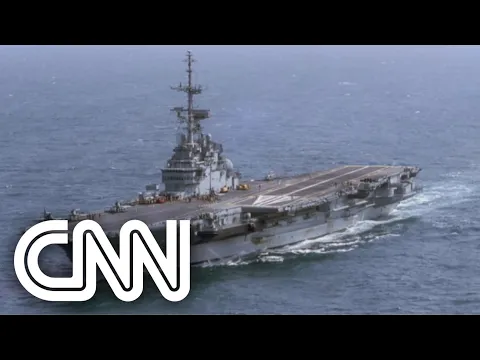

The Sinking of the Aircraft Carrier São Paulo Closed a Historical Chapter of the Brazilian Navy. From Symbol of Force Projection in the South Atlantic to Environmental and Diplomatic Impasse, the Ship Left a Trail of Questions and Lessons.
Between a Frustrated Sale, Six Months Adrift, and a Million-Dollar Operation, the Episode Exposed the Logistical and Environmental Challenges Involved in the Management of Large Military Vessels.
Now, the Debate Continues: Was It an Inevitable Decision or a Planning Mistake That Could Have Been Avoided? And What Do You Think of the Navy’s Decision to Sink the Aircraft Carrier São Paulo? Leave Your Comment Below and Share This Content with Those Who Follow Defense and Naval Politics.










Que vergonha! O governo Bolsonaro destruiu nossas forças armadas.
Estes navios tem.vida útil de 50 anos
Foi vendido com 50 anos de uso pela França no governo da Dilma jegue.
Quando os compradores levaram $$$?
Se falar mal …
“This is Brazil”