





 Portuguese
  English
  Spanish
  4 min of reading
  0 comments


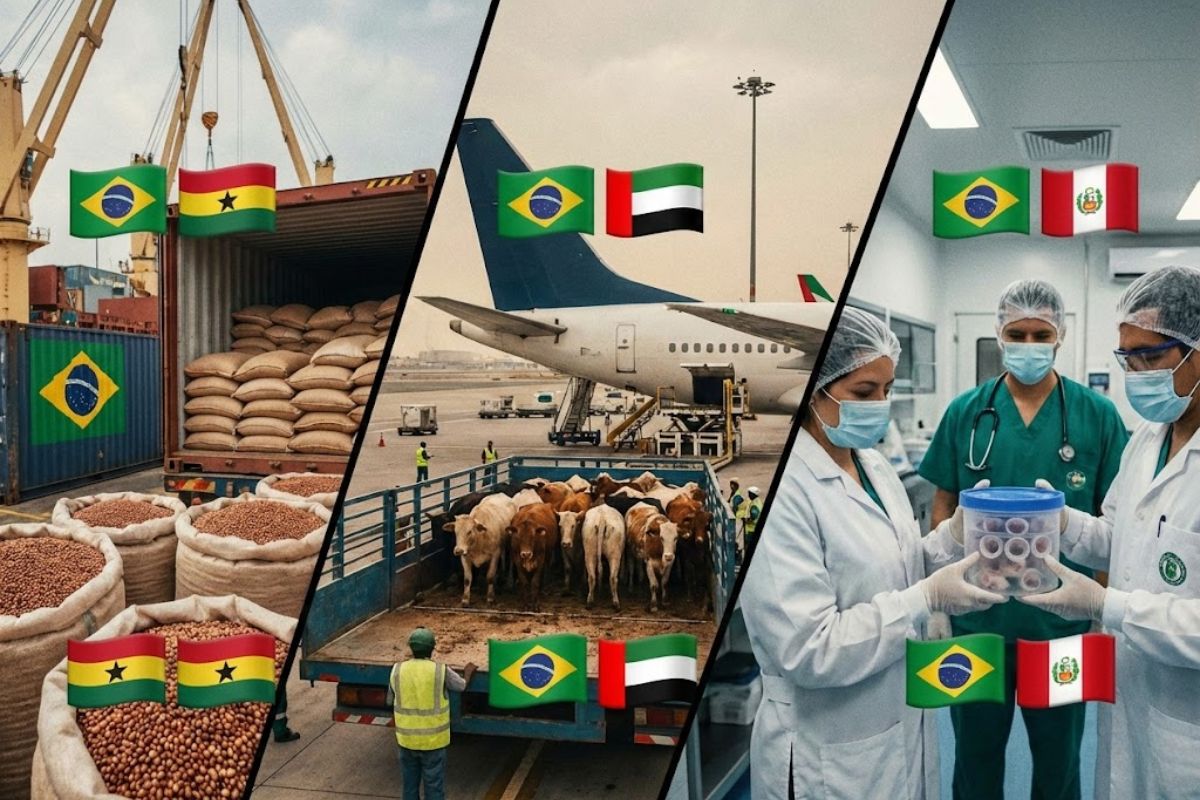
With New Market Openings in the United Arab Emirates, Ghana, and Peru, Brazilian Agribusiness Starts Exporting Bovine Embryos, Live Cattle, and Sorghum Seeds, Totaling 511 Opportunities Opened Since Early 2023 and Strengthening Its Strategic International Presence in Production Chains, Innovation, and Cutting-Edge Technology.
Between January and November 2025, Brazilian agribusiness had already generated more than US$ 2.3 billion in agricultural products solely for the United Arab Emirates, over US$ 315 million for Ghana, and more than US$ 675 million for Peru. In the same period, since the beginning of 2023, the country reached 511 market openings, consolidating one of the most intense commercial expansion agendas in its recent history.
These new sanitary and phytosanitary accesses in 2025, concluded through negotiations between the Ministry of Agriculture and Livestock and the Ministry of Foreign Affairs, elevate the integration of Brazilian agribusiness into global high-value-added chains, expanding sales of genetics, technology, and inputs that increase productivity and food security in strategic partners.
United Arab Emirates Approves Import of Brazilian Bovine Embryos
In the United Arab Emirates, health authorities approved the export of Brazilian bovine embryos, a direct recognition of the genetic quality of the national herd and the rigor of health controls.
-
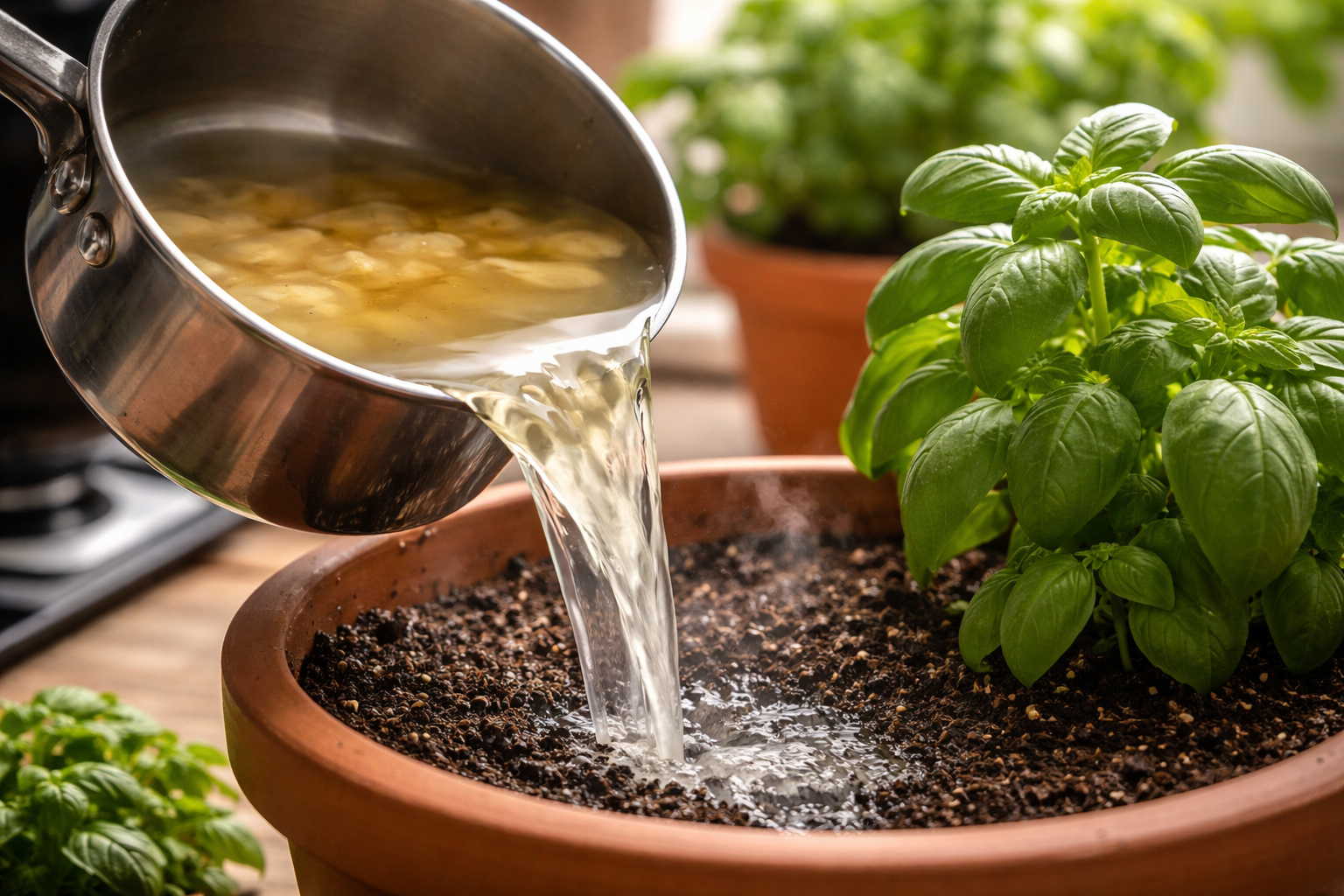
The water that almost everyone throws away after cooking potatoes carries nutrients released during the preparation and can be reused to help in the development of plants when used correctly at the base of gardens and pots, at no additional cost and without changing the routine.
-
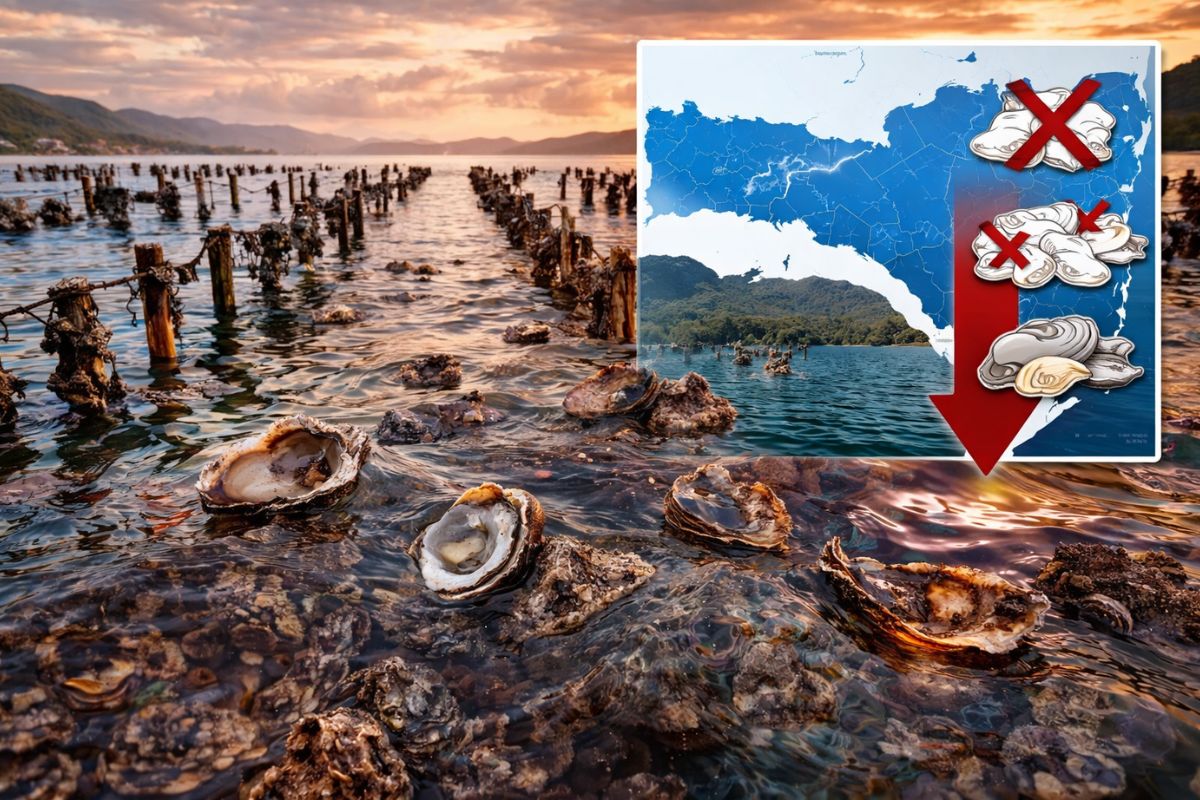
The sea water temperature rose from 28 to 34 degrees in Santa Catarina and killed up to 90% of the oysters: producers who planted over 1 million seeds lost practically everything and say that if it happens again, production is doomed to end.
-
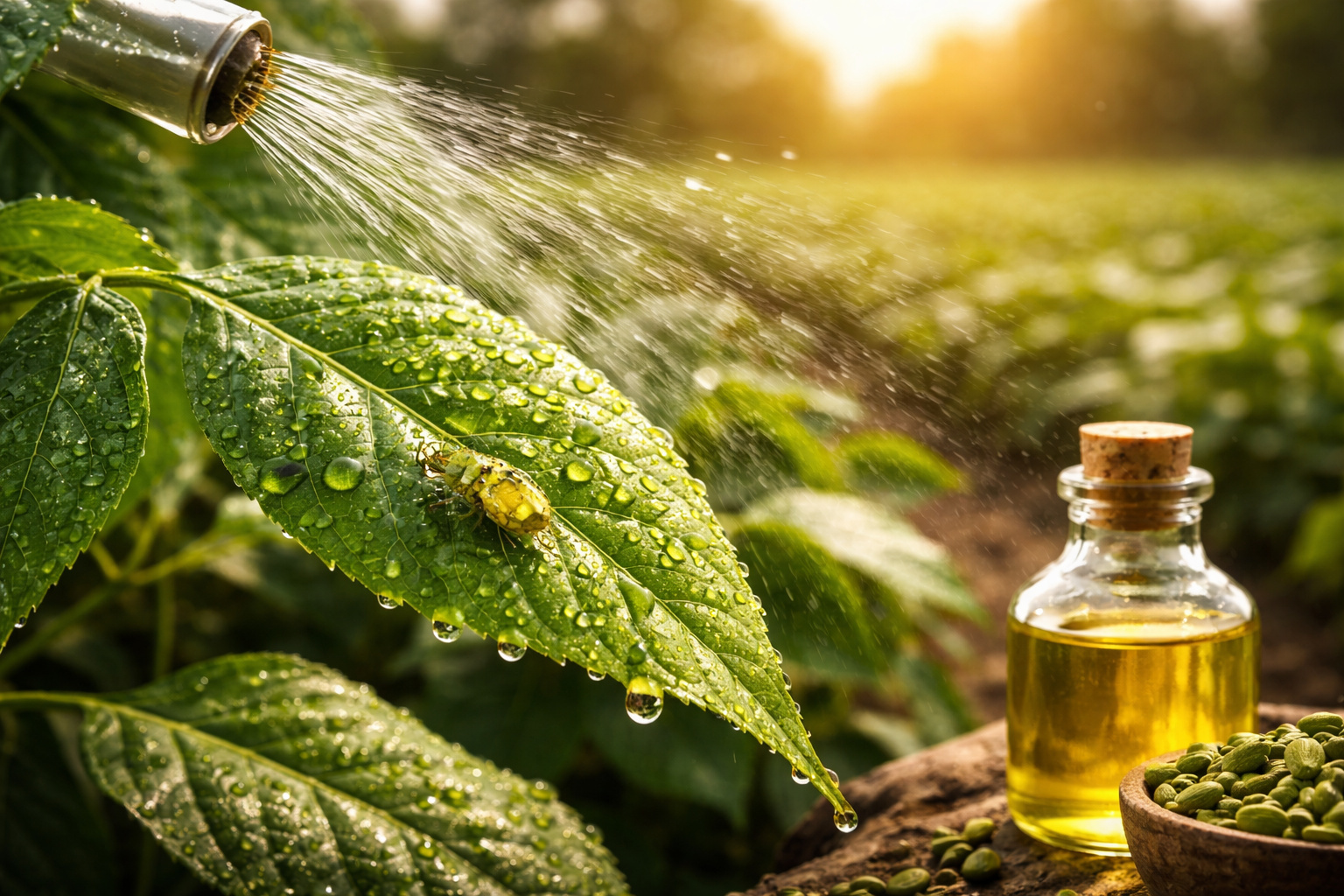
An Indian tree that grows in the Brazilian Northeast produces an oil capable of acting against more than 200 species of pests and interrupting the insect cycle, gaining ground as a natural alternative in soybean, cotton, and vegetable crops.
-
The rise in oil prices in the Middle East is already affecting Brazilian sugar: mills in the Central-South are seeing their margins shrink just as ethanol gains strength.


Between January and November 2025, the Arab country had already imported over US$ 2.3 billion in Brazilian agricultural products, making this market one of the most relevant for Brazil’s economic diplomacy in the region.
The sale of embryos places Brazilian agribusiness in a superior segment of the value chain. Instead of merely providing final products, Brazil now delivers cutting-edge genetic material, capable of transforming foreign herds and generating long-term contracts in consulting, management, reproduction, and technology transfer services.
This strengthens the country’s image as a reliable supplier not only of food but also of technological solutions.
Ghana Opens Market for Live Cattle and Brazilian Bovine Semen
In Ghana, the opening package included approval for the export of live cattle and Brazilian bovine semen.
With an estimated population of 34 million and a growing demand for food, the African country imported more than US$ 315 million in Brazilian agricultural products between January and November 2025, indicating room to expand business.
The entry of live cattle and semen positions Brazilian agribusiness as a strategic partner to increase the productivity of the Ghanaian herd, either through genetic improvement or the adoption of modern management techniques.
In addition to the direct sale of animals and semen, doors are opened for new opportunities in consulting, technical assistance, and training, amplifying the multiplier effect of this opening on the services industry linked to Brazilian livestock.
Peru Authorizes Brazilian Sorghum Seeds and Strengthens Food Security
In Peru, the achievement was the approval for the export of Brazilian sorghum seeds. Recognized for their genetic quality, high germination rate, and health, these seeds are the result of continuous investments in research and innovation made by Brazilian agribusiness companies and institutions.
Between January and November 2025, Brazil exported over US$ 675 million in agricultural products to Peru, and the entry of sorghum seeds is likely to expand this volume.
By offering high-performance seeds, Brazilian agribusiness directly contributes to increasing productivity and food security in the neighboring country, reinforcing the role of national agriculture as a provider of technology adapted to different soil and climate conditions.
511 New Markets Since 2023 and Coordination Between Mapa and Itamaraty
With the announcements from the United Arab Emirates, Ghana, and Peru, Brazilian agribusiness reaches 511 market openings since the beginning of 2023, a milestone that demonstrates a consistent strategy of diversifying destinations and products.
Each new sanitary or phytosanitary approval represents the elimination of technical barriers that previously hindered the access of Brazilian items to international consumers.
These results are the fruit of the joint action of the Ministry of Agriculture and Livestock (Mapa) and the Ministry of Foreign Affairs (MRE), which have been working together to align political, technical, and commercial diplomacy.
Coordination between the sanitary, regulatory, and export promotion areas allows Brazilian agribusiness to respond more quickly to international demands, placing embryos, live cattle, seeds, and other high-value-added products abroad.
Strategic Impact on the Image and Future of Brazilian Agribusiness
By increasing the sales of bovine embryos, live cattle, bovine semen, and sorghum seeds, Brazilian agribusiness strengthens its transition from a simple exporter of commodities to a supplier of genetics, technology, and technical knowledge.
This change enhances Brazil’s image as a reliable partner in food security and sustainable rural development for countries in Asia, Africa, and South America.
In addition to the significant figures generated between January and November 2025, the 511 market openings since 2023 indicate that Brazil is diversifying commercial risks, reducing dependence on a few buyers, and building a broader network of clients.
And you, do you believe that Brazilian agribusiness should focus even more on high-tech products, such as genetics and seeds, to strengthen its position in the coming years?









-

-

4 pessoas reagiram a isso.