





 Portuguese
  English
  Spanish
  3 min of reading
  1 comment


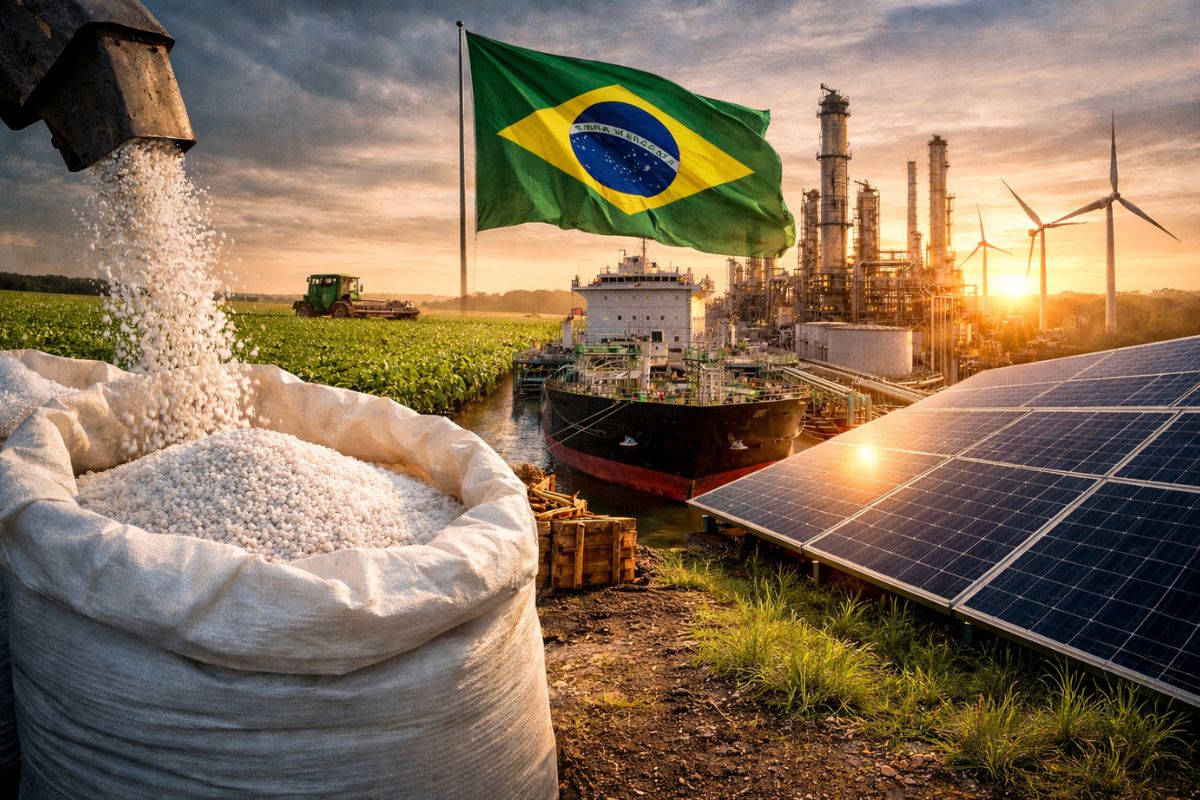


The Study By Instituto E+ Transição Energética With Rocky Mountain Institute Shows That Low-Carbon Fertilizer Is Competitive In Brazil Today, Allowing Brazilian Agriculture To Reduce 97 Percent Of Imports, Tackle The Deficit Of 4.3 Billion Dollars And Move Toward 2050 Safely.
In light of the 4.3 billion dollar deficit recorded in 2024 in the trade of nitrogen fertilizers, Brazilian agriculture gains a decisive alternative: the low-carbon fertilizer based on green ammonia, capable of approaching the cost of the traditional product made with natural gas.
The advancement appears in a study by Instituto E+ Transição Energética in partnership with Rocky Mountain Institute and fits into the goals of the National Fertilizer Plan 2050, which aims to increase domestic production and reduce sector emissions in the coming years.
Study Reveals Historic Chance For Brazilian Agriculture
The study shows that low-carbon fertilizer is already approaching the price of common fertilizer in Brazil, changing the cost equation for rural producers.
-
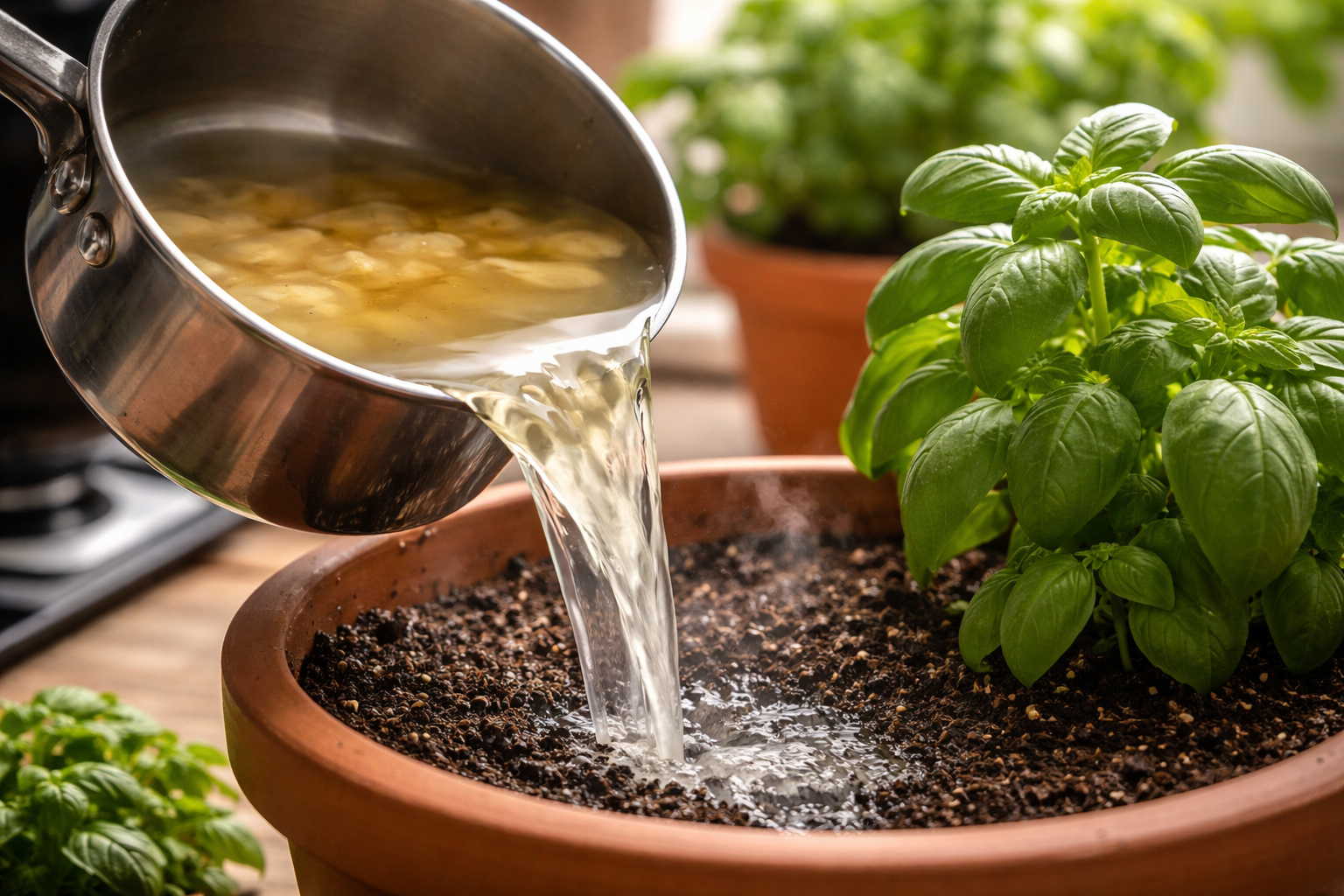
The water that almost everyone throws away after cooking potatoes carries nutrients released during the preparation and can be reused to help in the development of plants when used correctly at the base of gardens and pots, at no additional cost and without changing the routine.
-
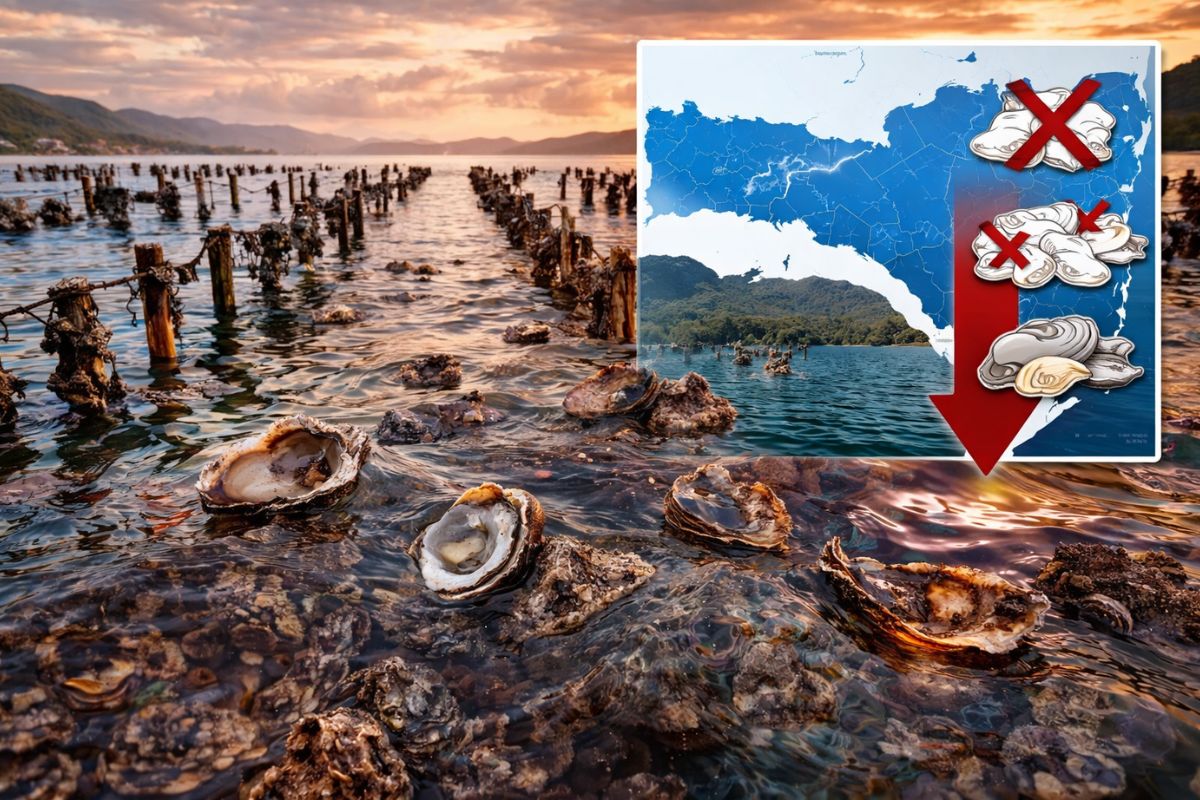
The sea water temperature rose from 28 to 34 degrees in Santa Catarina and killed up to 90% of the oysters: producers who planted over 1 million seeds lost practically everything and say that if it happens again, production is doomed to end.
-
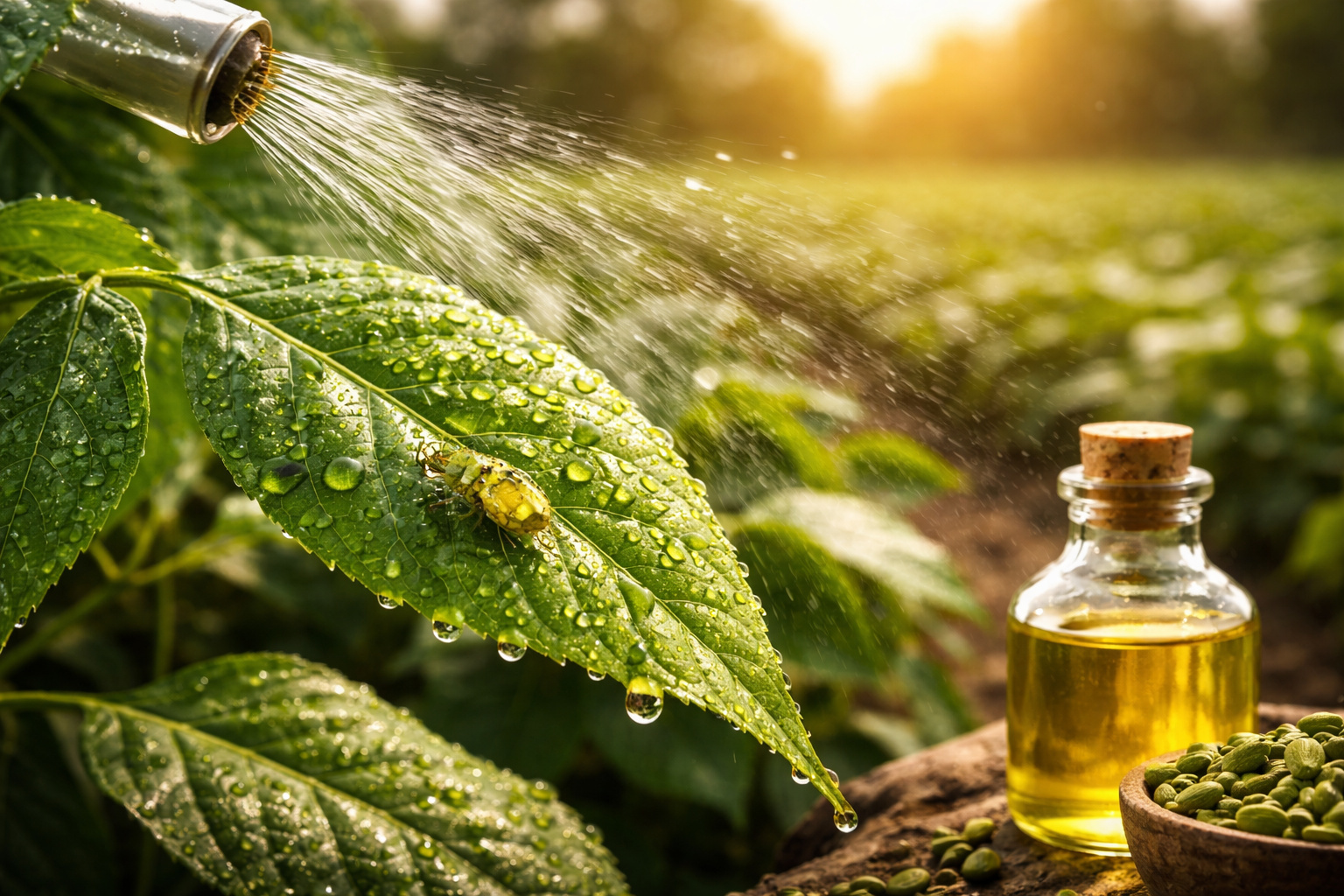
An Indian tree that grows in the Brazilian Northeast produces an oil capable of acting against more than 200 species of pests and interrupting the insect cycle, gaining ground as a natural alternative in soybean, cotton, and vegetable crops.
-
The rise in oil prices in the Middle East is already affecting Brazilian sugar: mills in the Central-South are seeing their margins shrink just as ethanol gains strength.

The central point is ammonia, which accounts for up to 90 percent of the final cost and can now be produced in a competitive green version.
Hybrid projects that combine dedicated renewable generation and grid connection, especially in hubs like Rio Grande and Pecém, appear to be the most promising for this new technological route.
For Brazilian agriculture, this means the possibility of reducing exposure to international price fluctuations and the volatility of natural gas.
The more competitive green ammonia is, the greater the capacity to offer low-carbon fertilizer at prices close to the traditional product, making the energy transition an economic decision, not just an environmental one.
External Dependence And Billion-Dollar Deficit In Fertilizers
Today, about 97 percent of nitrogen fertilizers used in Brazilian agriculture are imported, which leaves the country vulnerable to external shocks and variations in international prices.
In 2024, this scenario resulted in a trade deficit of 4.3 billion dollars, the largest in the world for this segment, pressuring margins and financial planning in the field.
By developing a robust low-carbon fertilizer chain, Brazilian agriculture has the chance to directly address this billion-dollar deficit, replace part of the imports, and build a more predictable cost base.
The combination of supply security and a lower carbon footprint strengthens the country’s image as a reliable food supplier in an increasingly demanding global market for sustainability.
National Fertilizer Plan 2050 As A Compass For Transition
The conclusions of the study align with the National Fertilizer Plan 2050, coordinated by the Ministry of Development, Industry, Commerce, and Services.
The official strategy foresees a gradual increase in national production, diversification of sources, and consistent reduction of emissions in the fertilizer sector by 2050, connecting agricultural inputs to the country’s climate agenda.
In this context, Brazilian agriculture ceases to be just a consumer of technology and becomes a protagonist in the energy transition.
By prioritizing low-carbon fertilizers, the sector aligns productivity, competitiveness, and environmental goals, creating conditions for new value chains around green ammonia and renewable energies.
Installed Capacity Paves The Way For Global Leadership
Considering the installed capacity and projects already in development, Brazil could produce up to 3.8 million tons of nitrogen per year, equivalent to 45 percent of the projected demand for 2050.
Of this total, 1.2 million tons would come from low-carbon sources, consolidating a relevant domestic supply base of the input.
If this potential becomes a reality, Brazilian agriculture could combine agricultural scale, abundant renewable energy, and a cleaner fertilizer industry to position itself as a global hub for the energy transition.
The possibility of exporting knowledge, technology, and even low-carbon inputs reinforces the country’s role in global discussions on climate, food security, and sustainable development.
In your opinion, will Brazilian agriculture and the national industry manage to turn this competitiveness of low-carbon fertilizer into real projects in the coming years, or does the country risk maintaining a heavy dependence on imports?










Enquanto a tribulação sobre a produção nacional estiver no nível atual e o fertilizantes importado com tarifa zero.
Enquanto a Petrobrás praticar os preços do gás nos atuais patamares, o setor privado ficará sem condições de investir em inovações e desenvolvimento.