





 Portuguese
  English
  Spanish
  6 min of reading
  19 comments





Amid A Scenario Of Increasing Tension Between Brazil And The United States, The Brazilian Defense Sector Sees Risks That Go Beyond Diplomacy
With the increase in diplomatic tensions between Brazil and the United States, Brazilian military personnel and authorities assess that excessive dependence of the Armed Forces on the Americans may jeopardize access to advanced weapons and strategic technologies.
The strategic partnership between Brazil and the United States has lasted for decades, and the Foreign Military Sales (FMS) program has further strengthened these ties. We will explain below how FMS works.
With the tensions, Brazil understands that it needs more diversification of trade partners. The new strategy does not mean abandoning cooperation with the U.S., which remains an important and practically irreplaceable.
-
The government requests the Federal Revenue Service for a new system to automate the income tax declaration, reducing errors, time, and bureaucracy for millions of Brazilians.

-
Pix in installments, international Pix, and contactless payment without internet: the Central Bank revealed the new features coming to the tool that is already used by almost every adult in Brazil.

-
Mercado Livre has just started selling medications with delivery in up to three hours to your door, and this move could completely change the way Brazilians buy medicines on a daily basis.

-
In Dubai, rising tensions from the war in the Middle East are causing super-rich individuals to leave the Gulf and direct their fortunes to a new financial refuge in Asia.


Role Of The United States And The FMS Program
The United States maintains one of the largest arms transfer programs in the world, known as Foreign Military Sales (FMS). Created to strengthen allied Armed Forces, the project has moved over US$ 80 billion just in 2023.
Brazil is among the countries that benefit the most because it has acquired everything from transport aircraft to missiles with state-of-the-art technology.
The system allows partner governments to purchase new or second-hand equipment at prices considered more affordable.
In addition, the program includes training, logistical support, and technical capacity building. For the Brazilian Armed Forces, which maintain historical ties with Washington, the mechanism is seen as crucial to maintaining high-level operations.
Guaranteed Equipment And Training
In recent years, Brazil has acquired through FMS armored vehicles, naval systems, components for F-5 fighters, and electronic warfare tools. Black Hawk helicopters were also obtained through this channel, along with automotive parts and communication technologies.
A large part of the Brazilian naval fleet uses engines and navigation systems based on U.S. technology. In the case of the Navy, programs such as PROSUB and PNM also depend on U.S. cooperation.
Reducing American Dependency
Over the past decades, strategic agreements have been established with different nations, involving technology transfer, joint development of equipment, and strengthening of the national military industry.
These successful understandings show that Brazil has room to expand its cooperation network and reduce dependence on a single partner.
Below is a list of countries with which Brazil could strengthen already established military ties.
Sweden
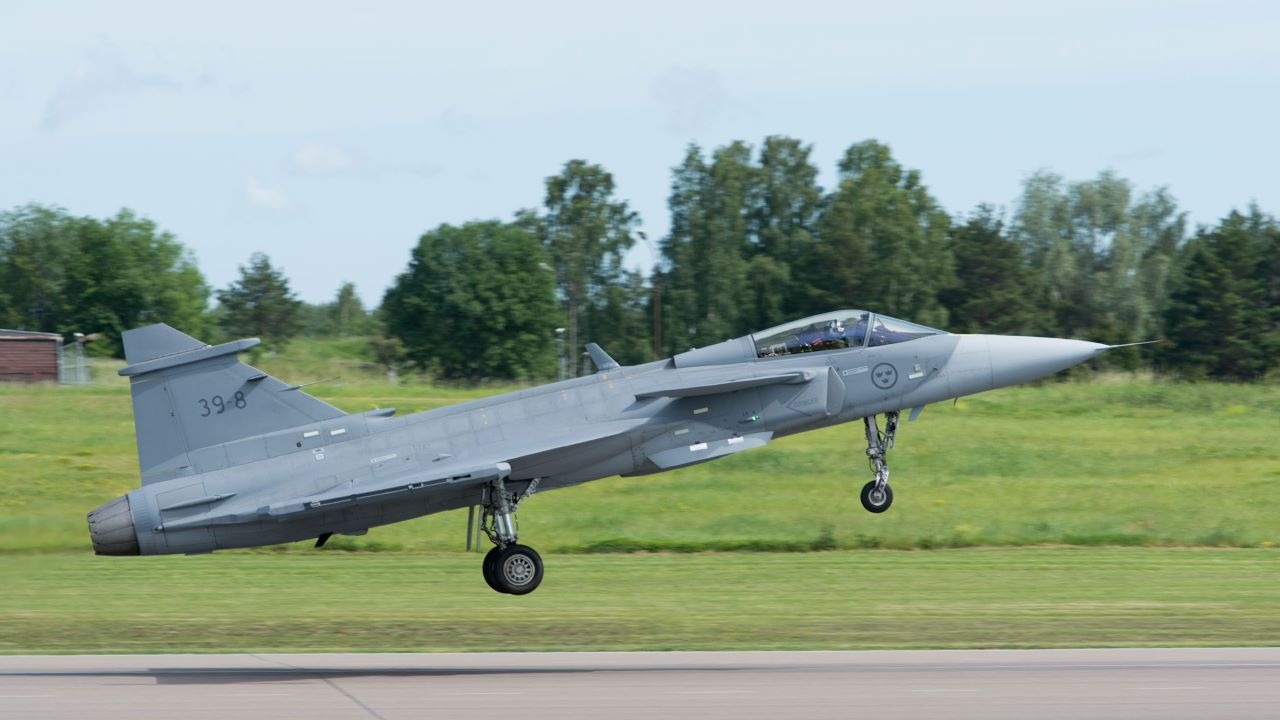
Among the countries that already hold greater prominence, Sweden stands out. The contract with Saab for the Gripen fighters involves technology transfer and assembly in Brazil, with participation from Embraer.
Brazil and Sweden have built a solid relationship in the defense sector in recent years, with the central pillar being the acquisition and joint development of the Gripen fighters.
In 2014, the Brazilian government signed a contract with Saab, a Swedish defense and security company, for the purchase of 36 Gripen E/F aircraft.
The differential of the agreement is that it is not limited to a simple purchase: it includes technology transfer, industrial cooperation, and the participation of Brazilian engineers and technicians in the development process.
More than 350 Brazilian professionals have been trained in Sweden in areas such as engineering, avionics, and systems integration.
In practice, the alliance with Sweden modernizes the Brazilian Air Force, expands operational capacity, and strengthens the defense industry.
France
The military partnership between Brazil and France is one of the oldest and most strategic in the defense area. It has intensified in the last 20 years, especially in projects linked to the Navy and the arms industry.
The main milestone was the Submarine Development Program (Prosub), signed in 2008.
The agreement provides for the construction of four conventional submarines of the Scorpène class and the development of Brazil’s first nuclear-powered submarine, with French technology transfer.
The shipyard and naval base in Itaguaí (RJ) were built within this cooperation, consolidating a high-complexity naval hub in Brazil.
Another important point is the cooperation in training and military doctrine. Brazilian officers participate in courses at French institutions, while France maintains interest in tightening interoperability in peace missions and joint operations.
Russia And China Gain Ground
Russia and China also appear as alternatives. The Russians have already supplied Mi-35 helicopters and collaborate in air defense and training.
The military partnership between Brazil and China is more discreet than with other countries but has been gradually strengthening, especially in technology and industrial cooperation.
Brazilian officers participate in exchanges at Chinese military institutions, strengthening doctrinal dialogue. The cooperation also includes occasional naval exercises, especially during courtesy visits between fleets.
The government of President Lula is known for its strong ties with the Chinese. With the diplomatic crisis with the Americans, the Chinese will certainly try to secure new contracts with Brazil.
Other Strategic Allies
Germany supplies Leopard 1A5 armored vehicles and artillery systems, while the United Kingdom and Italy work in maritime surveillance and development of aircraft such as the AMX.
At the same time, Brazil cooperates with Argentina and Chile in military exercises in Mercosur and peace operations.
Betting On The United Arab Emirates
For the United Arab Emirates, these barriers have not been an impediment. The Edge Group, a defense conglomerate based in Abu Dhabi, has been accelerating its presence in Brazil.
In less than three years, it acquired two national companies, closed a partnership for missile development with the Navy, built a factory in the country, and signed contracts in public security with state governments.
The total investment already amounts to about R$ 3 billion. This creates a scenario in which, according to Brazilian authorities, it is easier to strengthen ties with those who have already consolidated a space in the local market.
Opportunity With Diplomatic Tensions
In an interview with CNN, the CEO of the group, Hamad Al Marar, stated that the current distancing between Brazil and the U.S. could be an opportunity for Edge.
He emphasized that political relations vary over time, but opportunities remain.
“The market is open because we operate with the correct specifications, appropriate proposal, right schedule, and fair price,” said Hamad. He also stated that, in scenarios with tariffs, the company tends to have a more competitive position.
The diversification of military partners shows that Brazil seeks strategic balance. France, Sweden, Russia, China, and even the United Arab Emirates already occupy a relevant space, offering alternatives in the face of possible limitations imposed by the United States.
Budget In Critical State Of The Brazilian Armed Forces
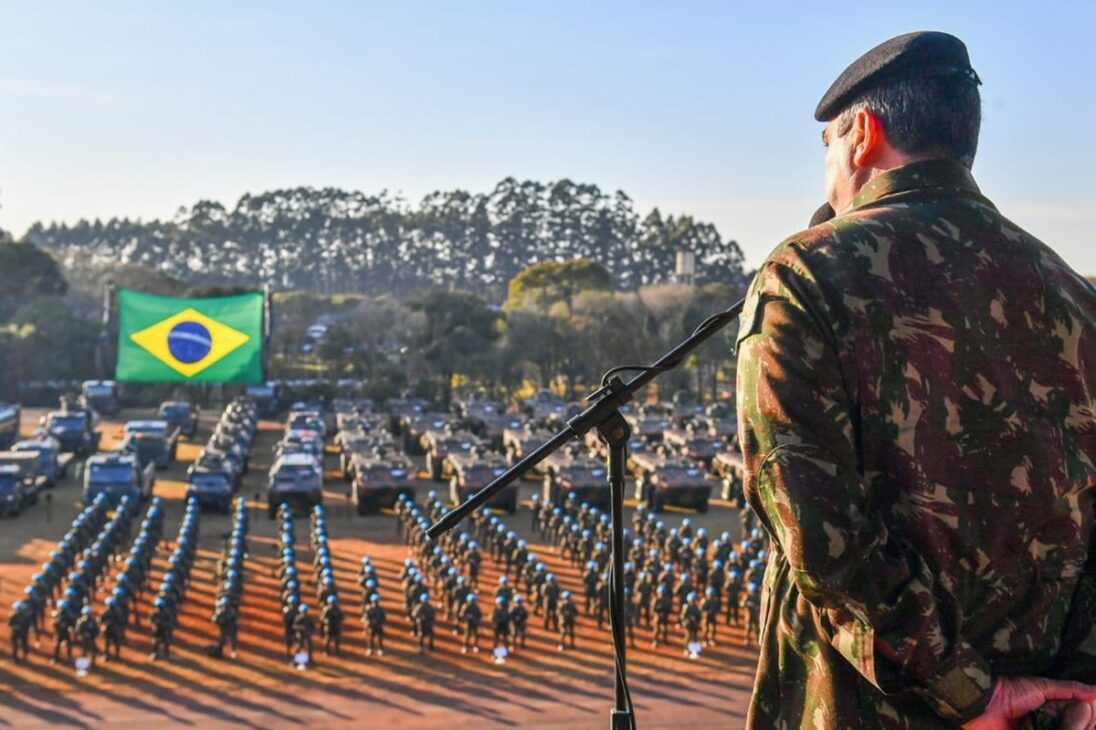
The leadership of the Armed Forces has begun to outline a scenario considered alarming after the new budget cut announced by the government.
At the end of May, the economic team confirmed the freezing of R$ 31 billion across the whole Federal Budget. Defense was the second most affected ministry, with a reduction of R$ 2.6 billion.
Military personnel state that the forces are moving towards a “vegetative state” and operating in “hibernate mode.”
The alert includes basic situations, such as the growing difficulty in paying water and electricity bills for barracks in various regions. There is also direct concern regarding the fleet of the Brazilian Air Force.
Reports indicate that even fuel for aircraft that transport national authorities is already at the limit.
Funds Compromised With Personnel
Before the cut, the Defense budget was R$ 133 billion, the fifth largest in the Esplanade. However, over 80% of the funds are consumed by personnel payments.
Active and reserve military personnel each amount to about R$ 30 billion, in addition to expenses with retirees.
Thus, only a fraction remains for strategic investments. This percentage has reached the lowest level in the last decade, compromising the modernization and operational capacity of the forces.









Não sei…um tempo desses os caças da força aérea estavam sem gasolina, mas houve arrecadação recorde de impostos, Brasil é uma incógnita, mas boa coisa não é, visto o crescimento do crime organizado, talvez o CV tenha mais recursos que o exército. Será que estamos caminhando para uma humilhação como a Venezuela? Os navios e submarino atômico estão bem pertinho, se bobear quase no lago Paranoá 😂😂😂
Brasil tem que reavivar sua indústria bélica começando por salvar a AVIBRAS…..
O Brasil diante das ações americanas na Venezuela tem que ficar caladinho. Não tem café por ela enfrentar o poderio deles o lularápio tá quietinho,foi chegar os navios calou-se o valentão.kkkk