





 Portuguese
  English
  Spanish
  7 min of reading
  0 comments


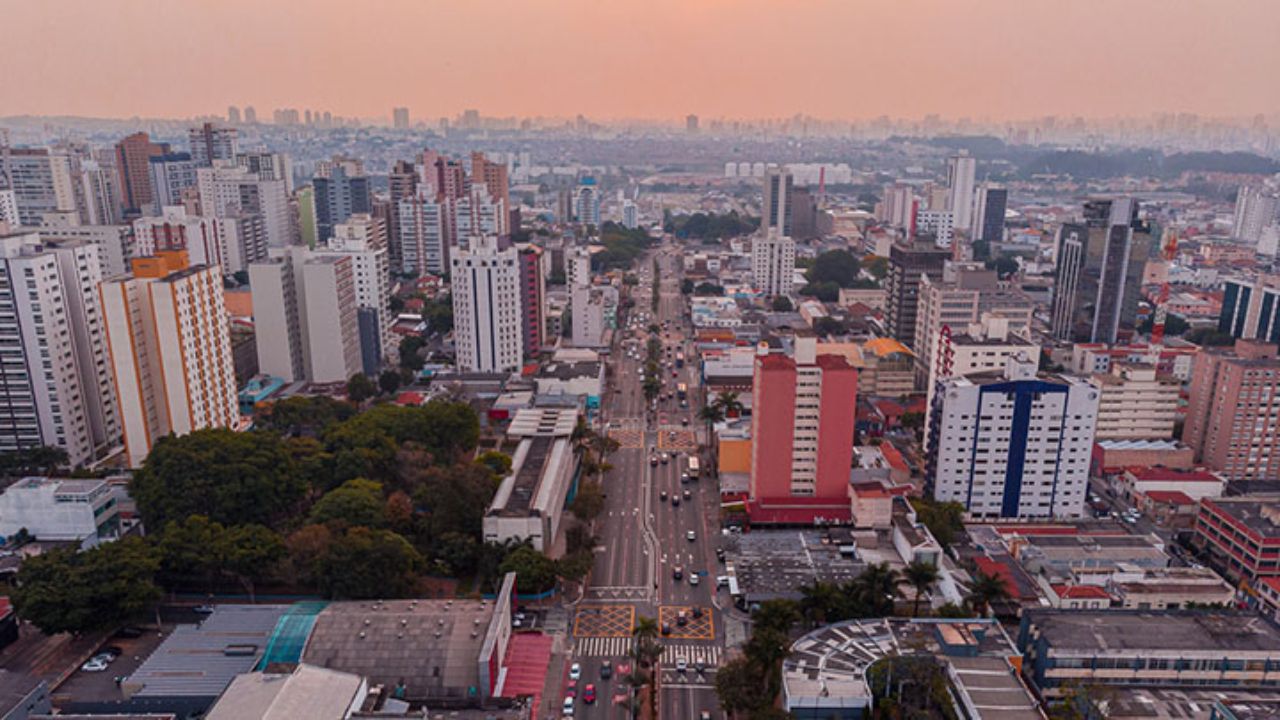
Small City, Median Per Capita Income, but Home to the Highest HDI in Brazil for Decades, São Caetano do Sul Challenges Wealthy Capitals and Shows Why It Has Led the HDI Ranking in Brazil Since 1991, Becoming a Rare Case of Quality of Life in Greater São Paulo.
While many cities fight for investments, security, and basic services, São Caetano do Sul stands out with a very high HDIM, good social indicators, and an urban routine that intrigues specialists and residents across the country. Understanding how this city managed to lead the HDI ranking in Brazil since 1991 helps to see, in practice, what builds quality of life far beyond GDP figures.
When talking about the highest HDI in Brazil, many people think of tourist cities, coastal towns, or “perfect” neighborhoods in major capitals. The surprise comes when it is discovered that the one that managed to lead the HDI ranking in Brazil since 1991 is São Caetano do Sul, a compact municipality in the metropolitan region of São Paulo, surrounded by heavy traffic, industrial areas, and typical urban problems of large centers. Even so, the numbers of the HDIM show a different reality.
By analyzing income, health, and education, it becomes clear that São Caetano do Sul has built a rare combination of public services, urban structure, and planning that translates into quality of life above the national average.
-
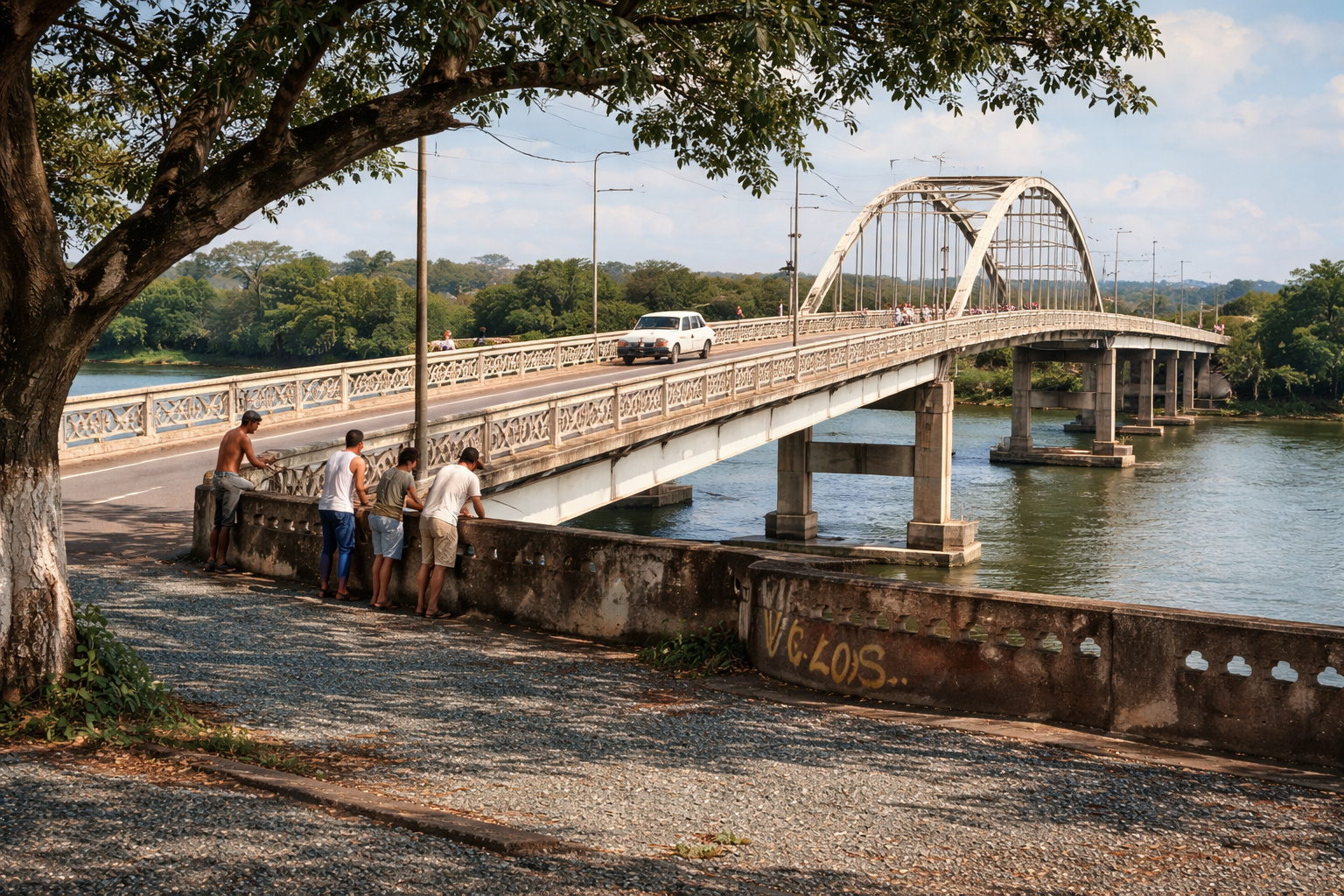
Families have been living for over 30 years under a bridge in Mato Grosso, revealing a housing deficit, irregular occupation in APP, and dependence on fishing as the main source of income.
-
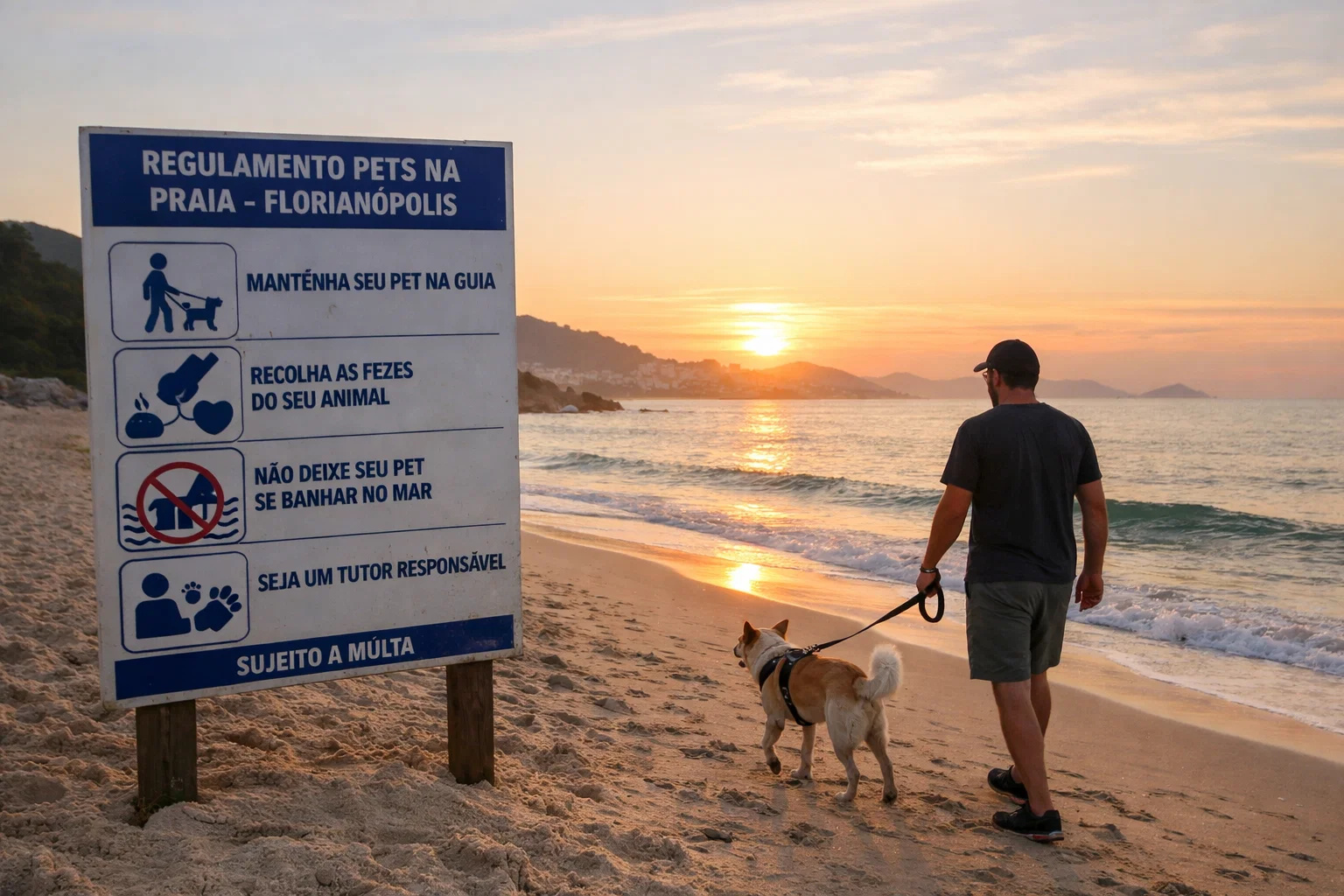
What Changed at Florianópolis Beaches? New Rule Surprises Pet Owners and Restricts Dogs on the Sand at Specific Times
-
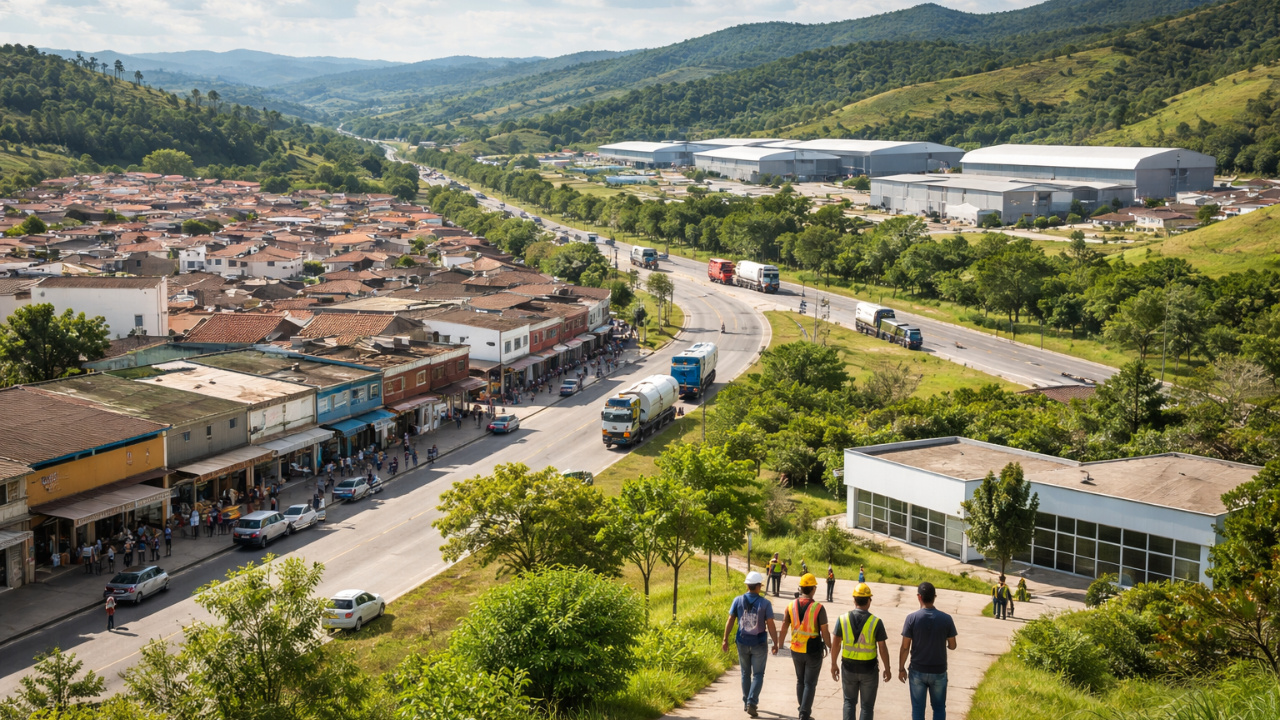
Economic Diversification Accelerates in Itatiaiuçu to Reduce Mining Dependence
-
Extreme Rains: Cold Front, Supercell, and Atmospheric Trough Cause Tragedy in MG

The city is not the richest in the country in per capita income, is not the cheapest place to live, and is not isolated from the challenges of the metropolis, but it has managed, over decades, to lead the HDI ranking in Brazil since 1991 based on consistent policies and solid social indicators.
HDI, HDIM, and the Strength of Long-Term Indicators


To understand why São Caetano do Sul has the highest HDI in Brazil, it is necessary to go back to the basis of the indicator. The HDI relies on three central pillars.
The first is income, which measures the standard of living. The second is health, represented by life expectancy. The third is education, which considers the average years of schooling of the adult population and the expected years of schooling for children.
In the case of municipalities, we speak of HDIM, an adaptation of the HDI methodology to the reality of Brazilian cities.
It is precisely in the HDIM that São Caetano do Sul stands out. It is not just a richer city, but a more balanced city, with consistent performance in these three areas.
This combination explains how it managed to lead the HDI ranking in Brazil since 1991 without necessarily being the municipality with the highest per capita income in the country.
Income: Beyond Gross Per Capita GDP
In terms of per capita GDP, São Caetano do Sul does not hold the top spot in Brazil. There are smaller municipalities, linked to oil or large enterprises, that appear ahead in the gross income statistics. But just looking at the urban landscape reveals that per capita GDP alone does not translate into quality of life.
In São Caetano do Sul, the presence of established industries, such as the GM factory and other productive sectors, combined with strong services and commerce, creates a solid base of jobs and income.
More important than the isolated figure is how that income circulates and supports the city, helping to compose the HDIM and solidify the title of the city with the highest HDI in Brazil.
It is this balance between economic development and public services that has sustained, for decades, São Caetano do Sul’s ability to lead the HDI ranking in Brazil since 1991, even amid the turbulence of a large metropolitan area.
High-Performance Education and Continuous Training
One of the most visible pillars of quality of life in São Caetano do Sul is education. The municipality has established itself as a national reference in basic and public higher education.
The city invests in well-structured schools, organized education networks, and a strong culture of valuing education. The presence of a recognized municipal university reinforces the environment of continuous training, professional qualification, and knowledge production.
When education works, it pulls everything else up: it improves future income chances, strengthens the critical sense of the population, and increases the city’s capacity to plan and reinvent itself.
These factors are directly reflected in the HDIM numbers and help explain why São Caetano do Sul has managed to lead the HDI ranking in Brazil since 1991, maintaining the highest HDI in Brazil even without being a capital.
Health, Prevention, and Proximity of Care to Residents
Another differentiator for São Caetano do Sul is its health system. The municipality allocates a significant portion of its budget to the sector, aiming to ensure care close to residents and reduce waiting times and travel.
Hospitals, emergency care units, and specialized services form a network that goes beyond the basics. The logic here is not just to treat diseases but to prevent problems and increase life expectancy, a fundamental point in calculating the HDIM.
When good education is combined with good health, the results appear in longevity, mortality, and well-being indicators.
It is this combination of factors that supports the city’s ability to maintain the highest HDI in Brazil and reinforces the perception of superior quality of life, consolidating the history of leading the HDI ranking in Brazil since 1991.
Small City, Giant Impact in Greater São Paulo
Geographically, São Caetano do Sul is small, surrounded by larger and better-known municipalities. Still, the city acts as a “microcosm” of high quality of life nestled in Greater São Paulo.
The proximity to the capital provides access to jobs, events, culture, and services on a metropolitan scale, while local management seeks to organize urban space with parks, tree-lined streets, bike paths, and community areas.
It’s as if the city is trying to deliver a “Brazil 2.0” within a tight territorial cut, without disconnecting from the surrounding reality.
This combination of reduced scale, close management of residents, and focus on public services is one of the keys to understanding how São Caetano do Sul achieved the highest HDI in Brazil and has managed to lead the HDI ranking in Brazil since 1991, even in a context often hostile in terms of traffic, pollution, and urban pressure.
Safety and Sense of Order in Daily Life
Another factor that weighs in the perception of quality of life is safety. Although the HDIM does not directly include the crime rate indicator, the sense of security strongly influences the decision to live, invest, and build a life in a city.
São Caetano do Sul tends to have lower homicide and violence rates than many neighboring municipalities.
Having more visible policing, well-maintained areas, and public spaces used by the population creates a virtuous circle that reinforces the image of an organized and relatively safe city, especially when compared to more degraded urban realities.
This environment contributes, indirectly, to maintaining the highest HDI in Brazil and reinforces the municipality’s value as a concrete case of quality of life, sustaining the trajectory of leading the HDI ranking in Brazil since 1991.
Cost of Living, Inequalities, and the “B-Side” of Success
It is clear that not everything is perfect. The status of a city with the highest HDI in Brazil comes at a price. In São Caetano do Sul, rents, properties, and services tend to be more expensive than in many other parts of Greater São Paulo. For lower-income families, this higher cost of living can be a real barrier to living in the city.
Moreover, the proximity to more degraded areas of the metropolis shows that Brazil’s structural problems are not far away. In just a few kilometers, the scenery changes, and the difference between “Brazil 2.0” and unequal Brazil becomes evident.
Still, the fact that São Caetano do Sul manages to maintain a high HDIM indicates that, within its limits, the city has been able to offer services and infrastructure compatible with its history of quality of life, practically reinforcing its trajectory of leading the HDI ranking in Brazil since 1991.
Decentralization, Local Management, and Lessons for the Country
An interesting point regarding São Caetano do Sul is the discussion about decentralization and municipal autonomy. Instead of just being another neighborhood managed by the city hall of the capital, the city is an independent municipality, with its own priorities, budget, and policies.
This raises an important question. Does greater local autonomy favor more efficient decisions that are focused on the reality of those who live there?
In the case of São Caetano do Sul, the results of the HDIM suggest that when municipal management takes the lead, it is possible to build a solid trajectory of quality of life and achieve the highest HDI in Brazil over decades.
There is no magic formula, but the fact that a compact city, without a coastline, without a classic tourist scene, and without the highest per capita GDP in the country manages to lead the HDI ranking in Brazil since 1991 shows that planning, continuity of public policies, and focus on health, education, and safety make a real difference.
And you, after learning this story, do you think the model of São Caetano do Sul could inspire other Brazilian cities to seek more autonomy and focus on quality of life to also compete for the title of highest HDI in Brazil?









-

-

-

-

7 pessoas reagiram a isso.