





 Portuguese
  English
  Spanish
  3 min of reading
  1 comment


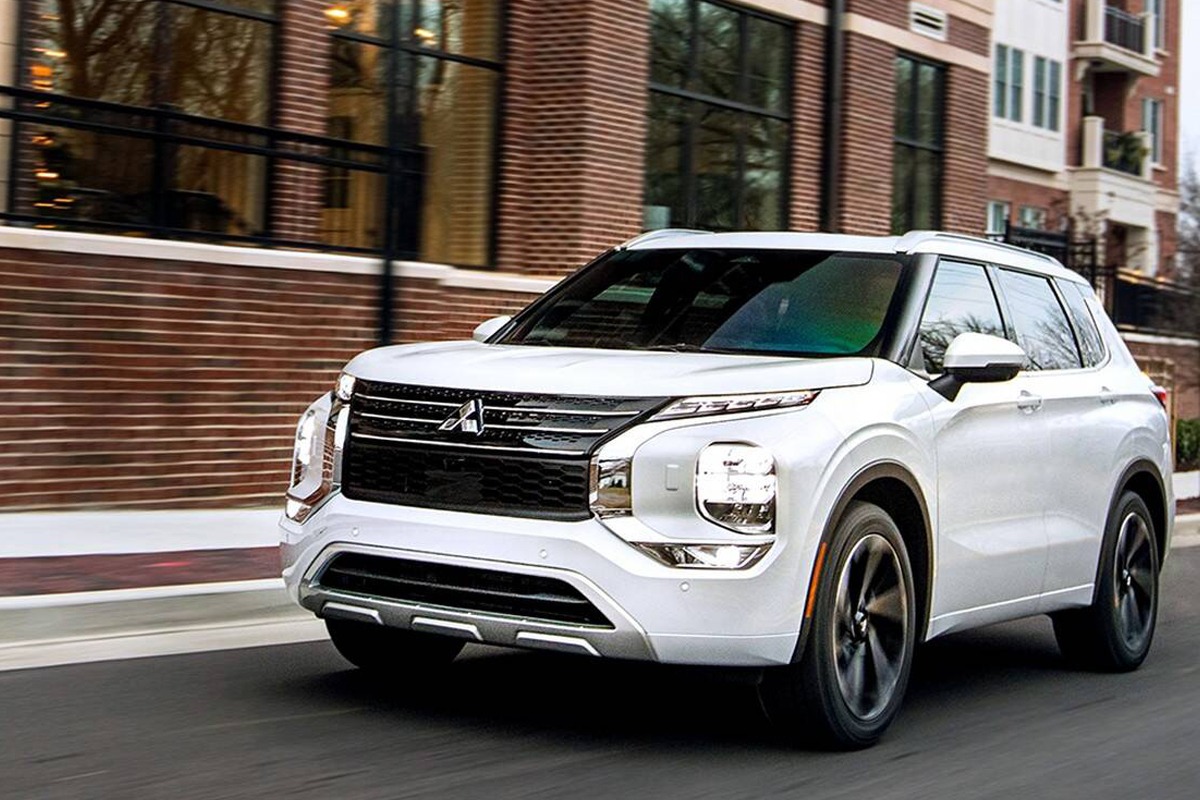


Lawsuit Against Mitsubishi Yields Millions for Lawyers
The automotive world has just witnessed the outcome of one of the most curious legal wrangles in recent years. Mitsubishi Motors reached a settlement in a class action involving the Outlander SUV (2022 model), after years of complaints about hoods that vibrated excessively at high speeds. However, the final result generated controversy: while the lawyers guaranteed multi-million dollar figures, the owners essentially received the promise of yet another replacement part.
The Origin of the Defect: The “Dancing Hood”
It all started in December 2021 when Mitsubishi issued a recall for the Outlander due to a structural failure. The problem was the lack of reinforcements at the rear edge of the hood panel. At highway speeds, the air pressure entering the engine compartment caused the part to oscillate violently, a phenomenon known as hood flutter.
Although the brand attempted an initial solution by installing new locking screws and sealing rubbers, the repair was deemed ineffective by many customers. In addition to the persistence of the vibration, owners reported that the replacement parts sent by the factory often had different color tones from the rest of the bodywork, affecting the resale value of the vehicles.
-
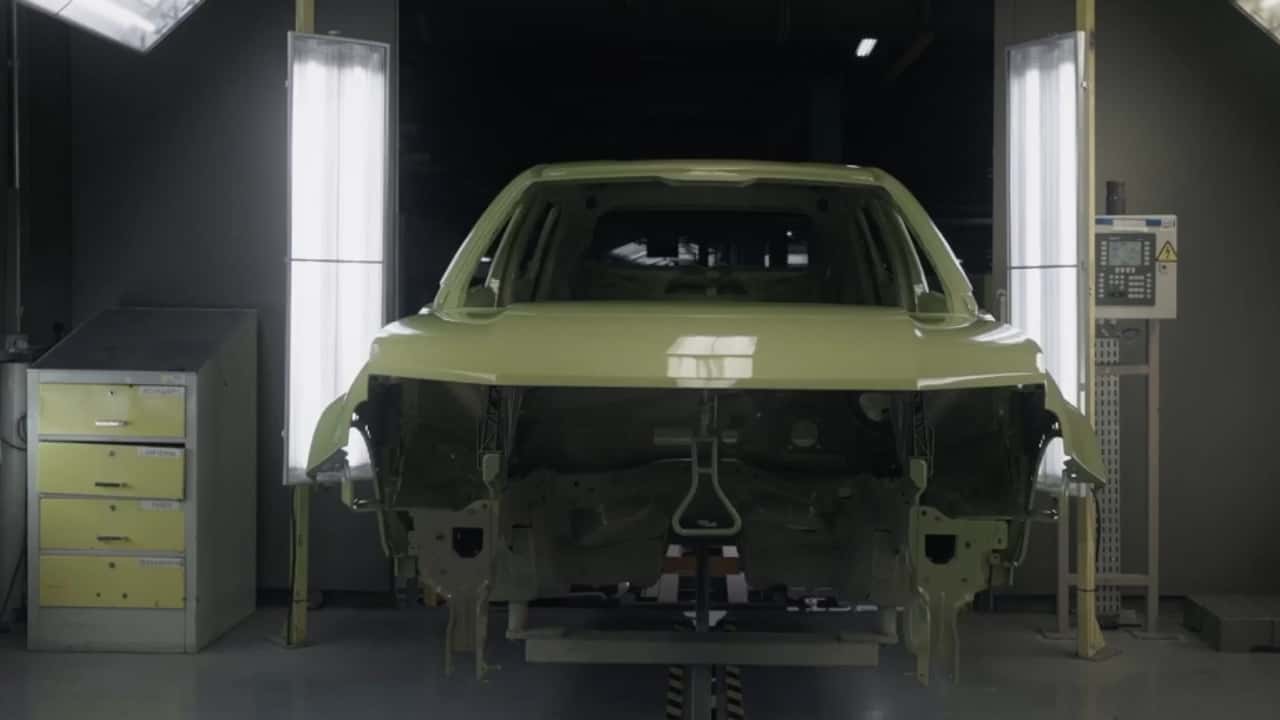
Jeep Avenger begins production in Brazil, debuting as the brand’s new entry-level SUV and inaugurating an unprecedented phase by becoming the first national Jeep manufactured outside of Goiana, as part of a R$ 3 billion plan.
-
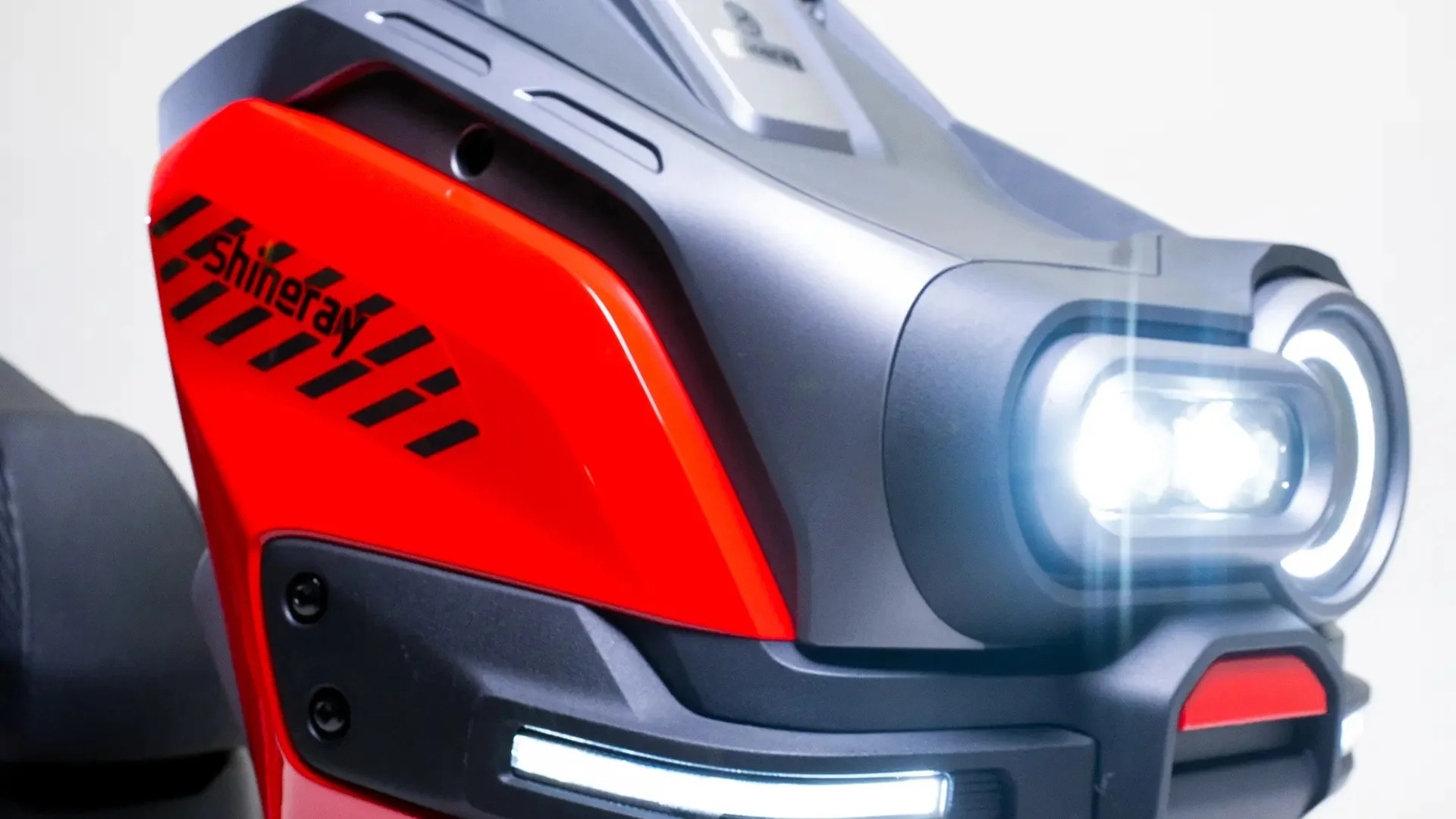
Costing R$ 12,490, the new Shineray Urban Lite 150 “cheap one” arrives in Brazil with a CVT transmission, digital dashboard, and LED lights, making it more affordable than the Biz and targeting those who want to abandon the bus.
-
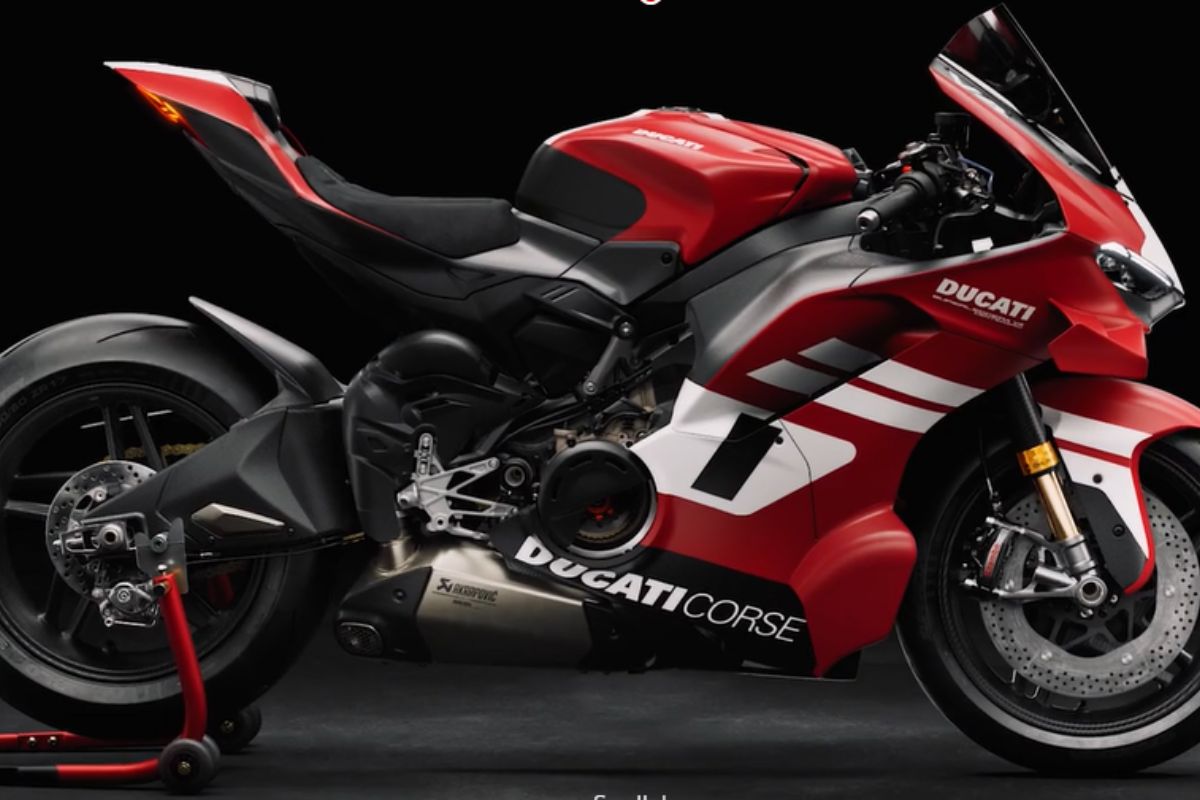
Ducati brings to Brazil the Superleggera V4 Centenario: 228 hp that become 247 with a track kit, carbon fiber and carbon-ceramic brakes, estimated price between R$ 1.5 and 2 million, deliveries only in 2027.
-
Used cars with electric steering for R$ 30,000: check out 5 practical and economical options for everyday use.


The Legal Battle and Its Impact on Consumption
The class action alleged that the defect was not just aesthetic or annoying, but dangerous and costly. According to court documents, the turbulence generated under the hood negatively impacted the aerodynamics of the SUV, resulting in a noticeable drop in fuel economy. In a market that, by 2026, values energy efficiency above all else, this point weighed against the automaker.
Despite the evidence of dissatisfaction, Mitsubishi formally denied that the panels were “defective” in the strict legal sense, defending the vehicle’s safety. The current settlement was therefore seen as a way to end the public strain on the brand without admitting total guilt.

The Settlement Numbers: Who Really Won?
The resolution of the case, announced now in February 2026, caught attention for the disparate amounts. The lawyers representing the consumers will receive US$ 1.75 million (approximately R$ 8.7 million) in fees. Meanwhile, the owners of the affected vehicles will be entitled to:
- New Hood Replacement: If the issue persists even after the first repair.
- Warranty Extension: An additional period of only 6 to 18 months for the new part, depending on when the first repair was made.
- Minimum Direct Compensation: Some lead plaintiffs will receive US$ 5,000, but the vast majority of class members will receive only free mechanical service.
The Next Step
The final decision on the settlement depends on an “equity” hearing scheduled for August 3, 2026. Until then, the 2022 Outlander owners continue monitoring their hoods on high-speed roads, hoping that the third attempt at correction will finally be the definitive one.
For the industry, the case serves as a reminder that, in the age of social media and class actions, a small engineering error can cost millions of dollars in negative publicity and legal fees, even if the mechanical solution costs only a few hundred dollars per vehicle.








Preciso de advogado para ação coletiva para bug na tela celular Samsung s22 ultra