





 Portuguese
  English
  Spanish
  5 min of reading
  1 comment


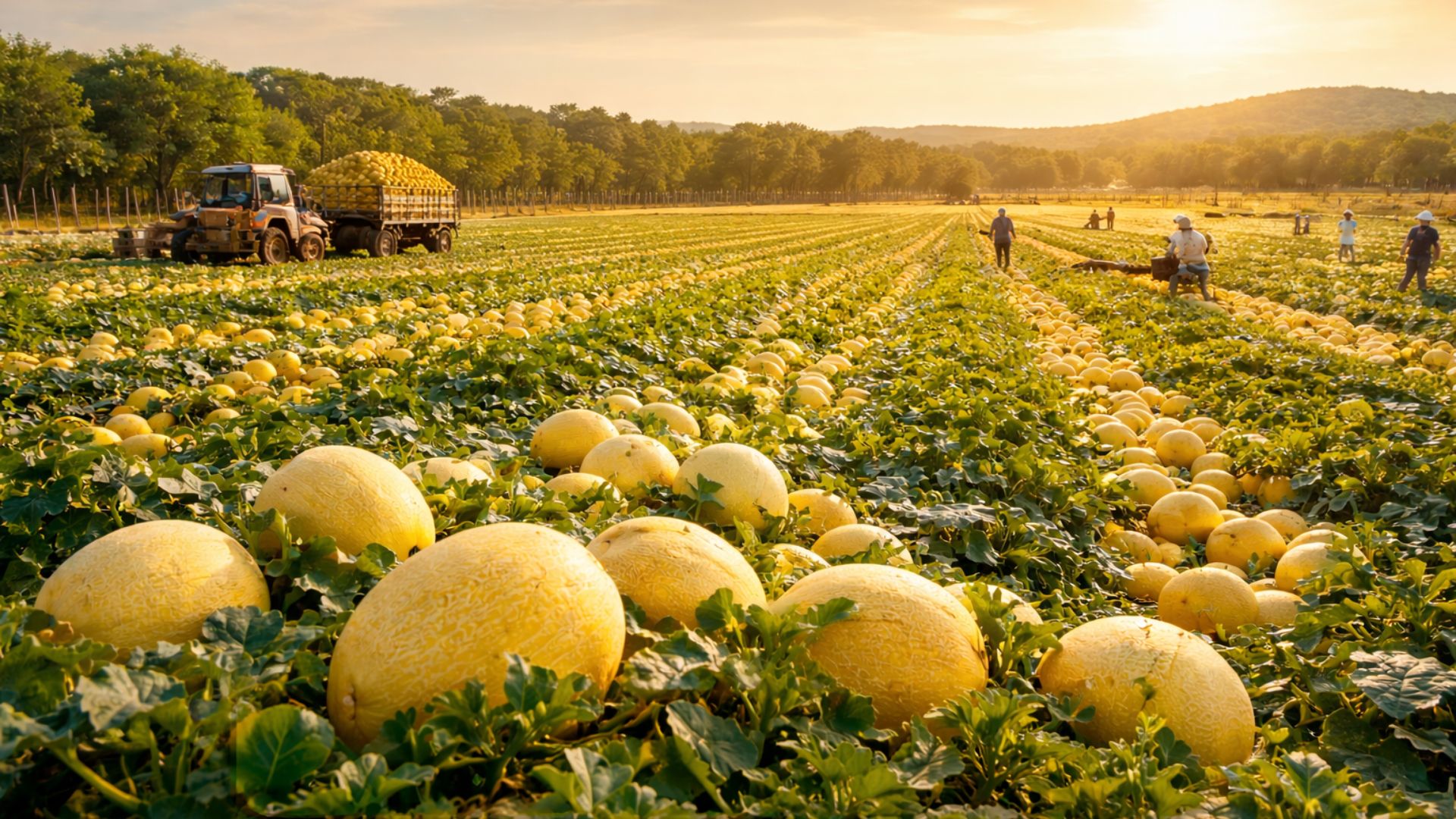


Daily Million-Dollar Production in the Northeast Backlands Transforms Farm into Global Melon Power, with Own Logistical Structure, Thousands of Jobs, and Record Exports Driven by Europe.
A farm established in the northeastern backlands of Brazil harvests up to 1 million melons per day and sustains an operation that combines continuous production, post-harvest structure, and logistics to export the majority of the crop, primarily to Europe.
Agrícola Famosa operates between Ceará and Rio Grande do Norte, bringing together 14 farms and working in a total area of 25 thousand hectares, with 12 thousand hectares allocated for direct cultivation, according to information disclosed in recent reports and institutional materials.
The annual volume reported for the company reaches about 300 thousand tons of fresh fruits, focusing on the external market with shipments concentrated on melons and watermelons, in a model that seeks to maintain a regular supply throughout the year.
-
The sugar-energy sector advances with agricultural technology, but agricultural productivity still raises concerns.

-
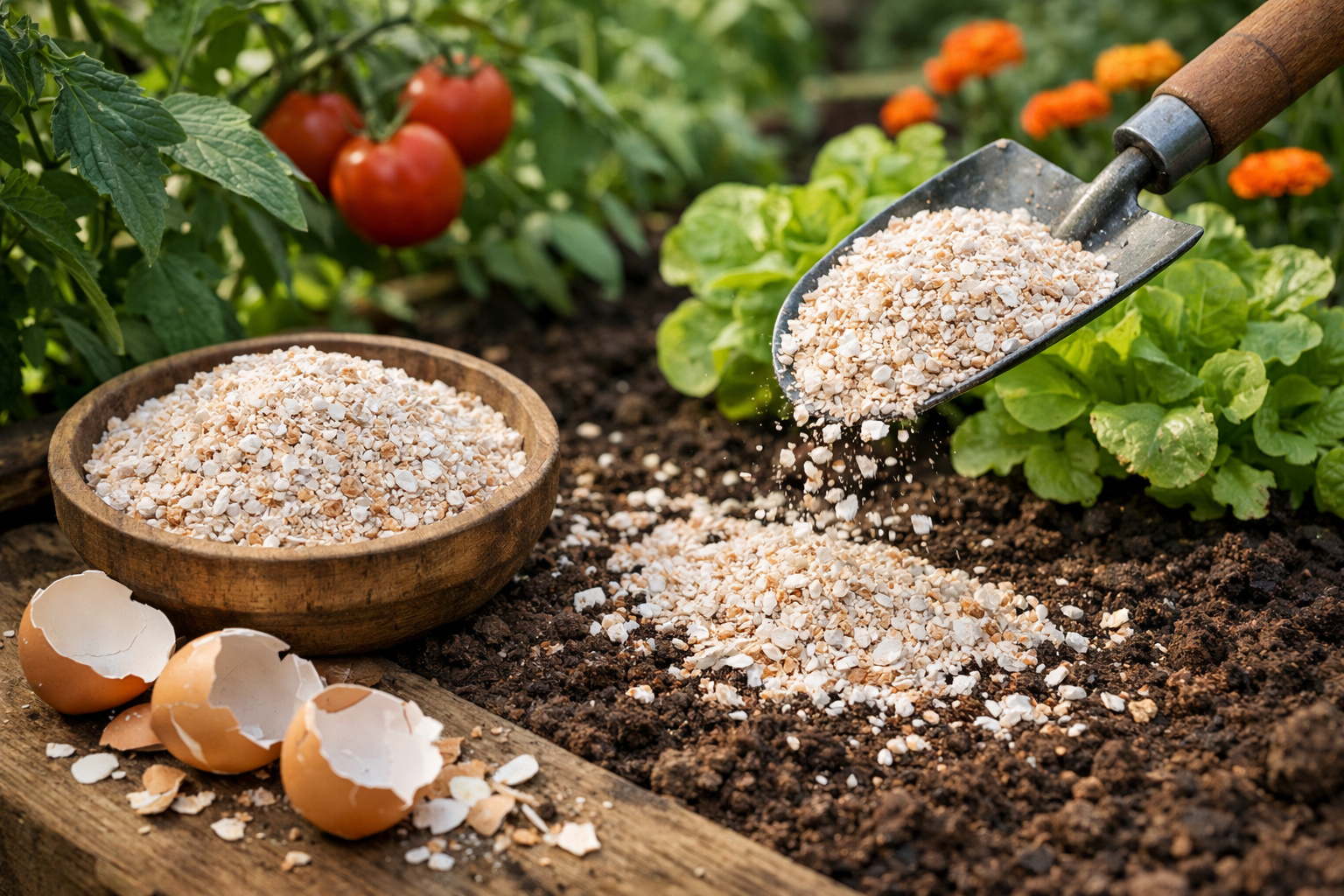
The eggshell that almost everyone throws away is made up of about 95% calcium carbonate and can help enrich the soil when crushed, slowly releasing nutrients and being reused in home gardens and vegetable patches.
-
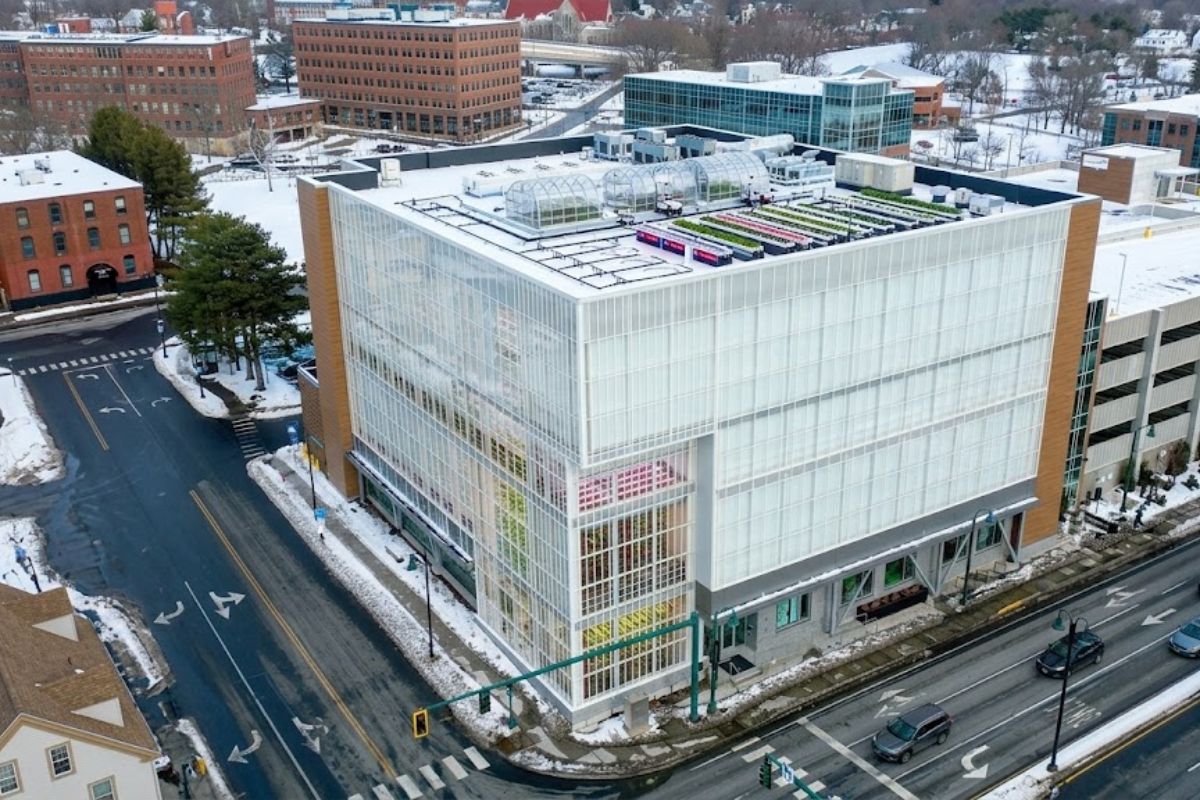
This farm in the United States does not use sunlight, does not use soil, and produces 500 times more food per square meter than traditional agriculture: the secret lies in 42,000 LEDs, hydroponics, and a system that recycles even the heat from the lamps.
-
The water that almost everyone throws away after cooking potatoes carries nutrients released during the preparation and can be reused to help in the development of plants when used correctly at the base of gardens and pots, at no additional cost and without changing the routine.


Melon Production in the Northeast Semi-Arid Region
Throughout the harvest, the company cultivates different types of melons, such as yellow, Pele de Sapo, Cantaloupe, Galia, Charentais, and Orange, meeting the size, appearance, and ripeness standards demanded by international buyers.
A significant part of the commercial performance, according to the company itself and market reports, lies in the ability to maintain staggered harvests and standardization of lots, which reduces supply fluctuations and facilitates contracts with retail chains and distributors.

With operations distributed among municipalities in Rio Grande do Norte and Ceará, production involves thousands of direct workers in the field and processing units, as well as indirect collaborators linked to services, transport, and local supply chains.
Agricultural Technology and Drip Irrigation
The cycle begins with seedling formation, with automated sowing in trays and passing through germination chambers before moving to greenhouses, until the appropriate stage for transplanting and development in open fields.
After planting, a cover is placed over the plants to reduce insect and virus incidence, while management follows typical semi-arid conditions, where sandy soil tends to retain less moisture and requires fine water control.
Drip irrigation, cited as an Israeli-origin technology in the process, is combined with soil moisture monitoring and agricultural management practices to sustain productivity, harvesting regularity, and compliance with export specifications.
Packing Houses and Post-Harvest Logistics
Immediately after removal from the field, the fruits go for selection, hygiene, classification, and packaging in 16 packing houses, structures that function as the heart of post-harvest and help shorten the interval between harvest and shipment.
The model prioritizes receiving points close to production areas, which reduces internal movements and increases the predictability of lots, especially when the export window depends on visual standards, weight, and condition.

To sustain regularity, the company operates its own fleet and sorting lines, in addition to compatible storage to maintain controlled temperature, a step considered crucial to preserve texture and sweetness until the final destination.
Port of Natal and Export to Europe
The export logistics uses the Port of Natal as the main exit base to Europe, with fruit movement described as approximately 10 thousand tons per week during the more intense shipping periods.
In the evaluation of executive director Carlo Porro, the gain lies in reducing stops and shortening the route, preserving the product standard until it reaches the buyer, in a market where time and temperature influence the price.
“The advantages of having a dedicated port and, especially, a dedicated ship, are the quality of the fruit and the travel time,” Porro stated, linking the operation to a faster arrival with a more stable standard.
Internal Consumption and Challenges of the Cold Chain
While European consumption drives demand, the company points to internal hurdles linked to distribution infrastructure, especially regarding the maintenance of the cold chain, a requirement that, in the sector’s assessment, weighs on the consumer experience.
“Here, when the fruit reaches the shelf, this cold chain (refrigerated transport) ends up being broken, and it loses quality,” Porro said, attributing part of the low uptake to logistical problems in the domestic market.
The view is that when the product loses sensory standard at the retail level, the chance of rejection and lower impulse buying increases, limiting scale in the national retail sector and reinforcing the preference to direct volumes abroad.
Refrigerated Containers and Annual Export Volume


The company reports that it sends about 10 thousand containers per year to the international market, using standard 40-foot refrigerated units that, according to the operational description, generally transport between 20 and 25 tons of melon.
In this logistical pattern, each container can concentrate a volume that varies depending on the size of the fruit and the type of packaging, which reinforces the need for standardization already in the field and in sorting to avoid losses during transport.
Brazilian Melon Exports Set Record in 2025
Brazilian melon exports closed 2025 with the best performance in the historical series that began in 1997, with US$ 231 million in revenue and 283 thousand tons shipped, according to data from Comex Stat analyzed by Cepea.
The growth, compared to the previous year, was 25% in revenue and 16% in volume, in a movement associated with heated European demand and changes in the international competitive environment, according to analyses published by Cepea.
In terms of destinations, the Netherlands accounted for 45% of the quantity exported during the northeastern harvest period, followed by the United Kingdom with 25% and Spain with 21%, according to a compilation based on official foreign trade statistics.
The strategy of prioritizing the external market was also influenced by logistics costs within the country, in a scenario where rules and oversight of road transport pressure freight values and alter the producer’s margin calculation.
With the growing flow of shipments and the dependence on uninterrupted refrigerated logistics, the melon supply chain has increasingly operated like a precision race between the field, packaging, port, and ship, to sustain quality and contracts.
As exports continue to set records and infrastructure is crucial for the fruit’s standard, what would need to change in internal distribution for the Brazilian consumer to regularly find the same melon that reaches the European shelves?









Antigamente se chamava MAISA – Mossoró Agro Industrial S/A de Angelo Calmon de Sá dono do Banco Econômico na Bahia.