





 Portuguese
  English
  Spanish
  4 min of reading
  0 comments



CNI Points Out High Interest Rates As Main Factor Behind The Deceleration Of The Brazilian Industry And The Drop In Business Confidence In 2025.
High interest rates have been identified as the main factor behind the loss of momentum in the Brazilian industry at the end of 2025.
This assessment comes from the National Confederation of Industry (CNI), released this Tuesday (3), in response to the data from the Monthly Industrial Research conducted by the Brazilian Institute of Geography and Statistics (IBGE).
According to the entity, the high level of the Selic rate, currently at 15% per year, has made credit more expensive, reduced consumption, and weakened industrial activity across the country, precisely at a time when the sector was seeking consolidation after the recovery in 2024.
-
Historic bankruptcy of Centauro shocks the market, and the century-old company puts more than 500,000 products, machines, and complete infrastructure up for online auction.

-
New shoe factory in Ceará is expected to create 400 jobs and strengthen the local economy.

-
No one imagined it, but a mixture of sawdust with a mineral that fights fires surprises scientists with a result that changes the course of fire-resistant construction.

-
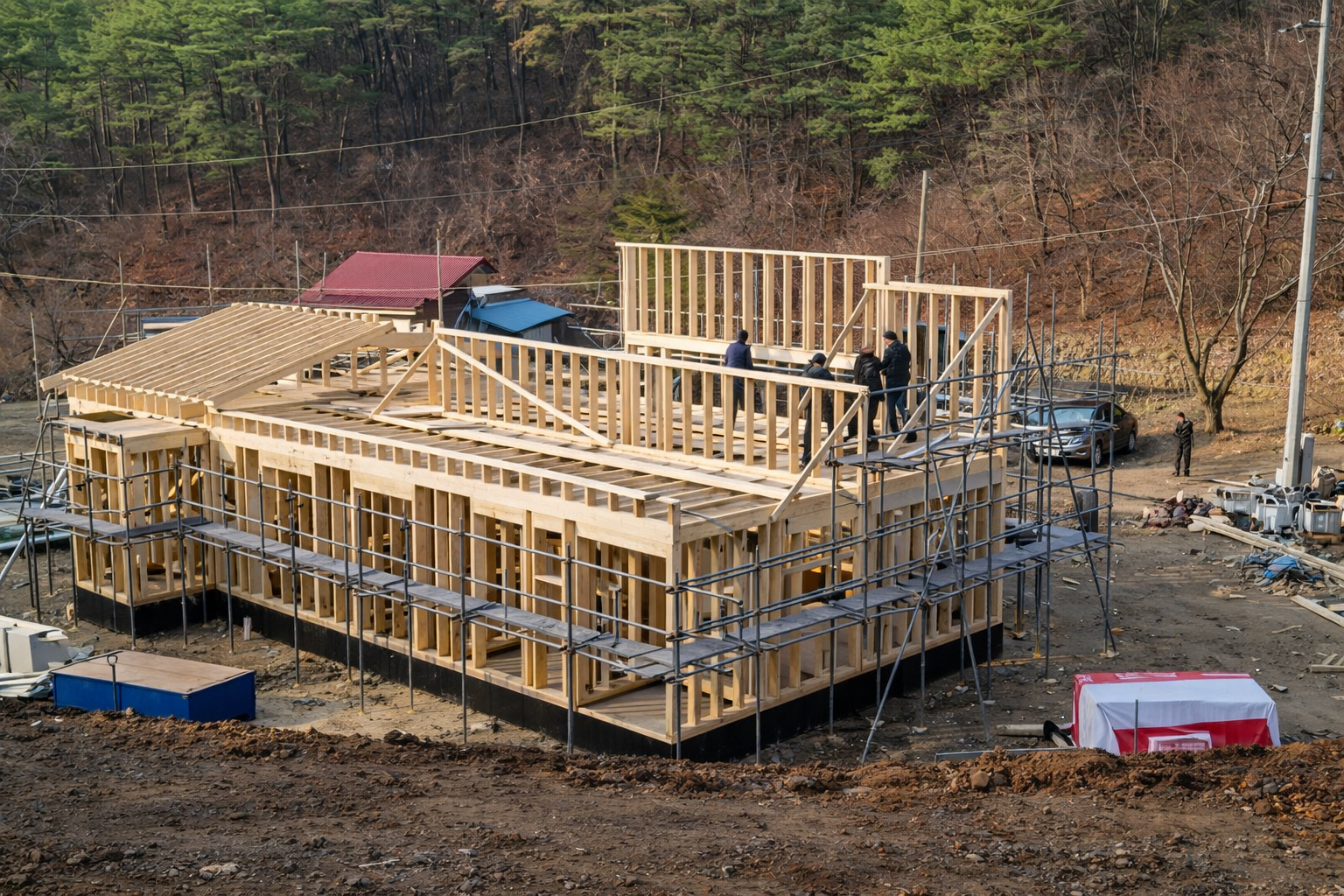
From empty land to a high-end house, wooden construction uses a lightweight system, metal structure for the foundation, ventilated ceramic cladding, and special windows to create an efficient and comfortable living space throughout the year.

According to CNI, the impact was widespread.
In addition to restricting productive investments, high interest rates have diminished consumers’ appetite for industrial goods.
At the same time, domestic demand proved insufficient to sustain factory output, while imports gained ground in the national market.
Selic Rate Pressures Credit And Productive Investments
In the entity’s assessment, the current cycle of monetary tightening has had direct effects on the manufacturing sector.
CNI’s Director of Economics, Mário Sérgio Telles, classified the damage caused by the high cost of money as significant.
“The punitive level of the Selic rate has made credit more expensive for the productive sector, which has held back investments and reduced consumers’ appetite for industrial products.
The loss caused by high interest rates is enormous.
In 2024, with a lower Selic, domestic demand for transformation industry goods grew four times more than the demand recorded until November 2025,” Telles emphasized in a statement.
According to him, the performance gap between the two years highlights how monetary policy directly influences the dynamics of the Brazilian industry.
While in 2024 the environment was more favorable, in 2025, expensive credit became an additional brake on production.
Industrial Activity Loses Strength And Stocks Increase
The weakening of industrial activity had practical reflections on production lines.
The CNI highlights that the transformation industry, responsible for converting raw materials into consumer goods, recorded a 0.2% decline in production.
Additionally, stocks remained above the level considered adequate by companies.
This mismatch between production and demand heightened the sector’s caution.
With slower sales and higher financial costs, many companies opted to postpone expansion and modernization projects, reinforcing the cycle of deceleration.
Imports Advance And Increase Pressure On The Brazilian Industry
Another relevant factor noted by CNI was the growth of imports.
Thus, purchases of consumer goods from abroad increased by 15.6% last year.
As a result, while the national industry slowed down, imported products began to fill some of the space left on the shelves.
This movement, according to the entity, hindered the business community’s reaction throughout both semesters of 2025.
Even traditionally strong sectors faced increased external competition, which reduced margins and heightened uncertainty about the future.
Business Confidence Reaches Lowest Level In A Decade
The adverse environment directly affected business confidence.
The Industrial Entrepreneur Confidence Index (Icei), also released by CNI at the end of January, recorded the worst result for the month in ten years.
The indicator has remained below 50 points — the line that separates optimism from pessimism — for 13 consecutive months.
For the confederation, this prolonged state of distrust paralyzes strategic decisions. Essential investments for factory modernization are often postponed, which compromises the competitiveness of the Brazilian industry in the medium term.
IBGE Confirms Deceleration In The Second Half
Official data reinforces the diagnosis.
Thus, the IBGE survey shows that industrial production closed 2025 with growth of only 0.6%, well below the expansion of 3.1% recorded in 2024.
The institute details that the deceleration intensified in the second half, precisely accompanying the advancement of monetary tightening.
For CNI, without changes in interest rate policy and without more consistent stimuli to domestic demand, the risk of stagnation remains high.
The entity warns that the continuation of this scenario could affect not only the transformation industry but the performance of the Brazilian economy as a whole in the short term.
In light of this, the discussion about high interest rates and their effects returns to the center of economic debate, with direct impacts on investment, employment, and growth.
See more at: CNI Points Out Interest Rates As Responsible For The Deceleration Of The Industry – Diário do Comércio









Seja o primeiro a reagir!