





 Portuguese
  English
  Spanish
  4 min of reading
  0 comments


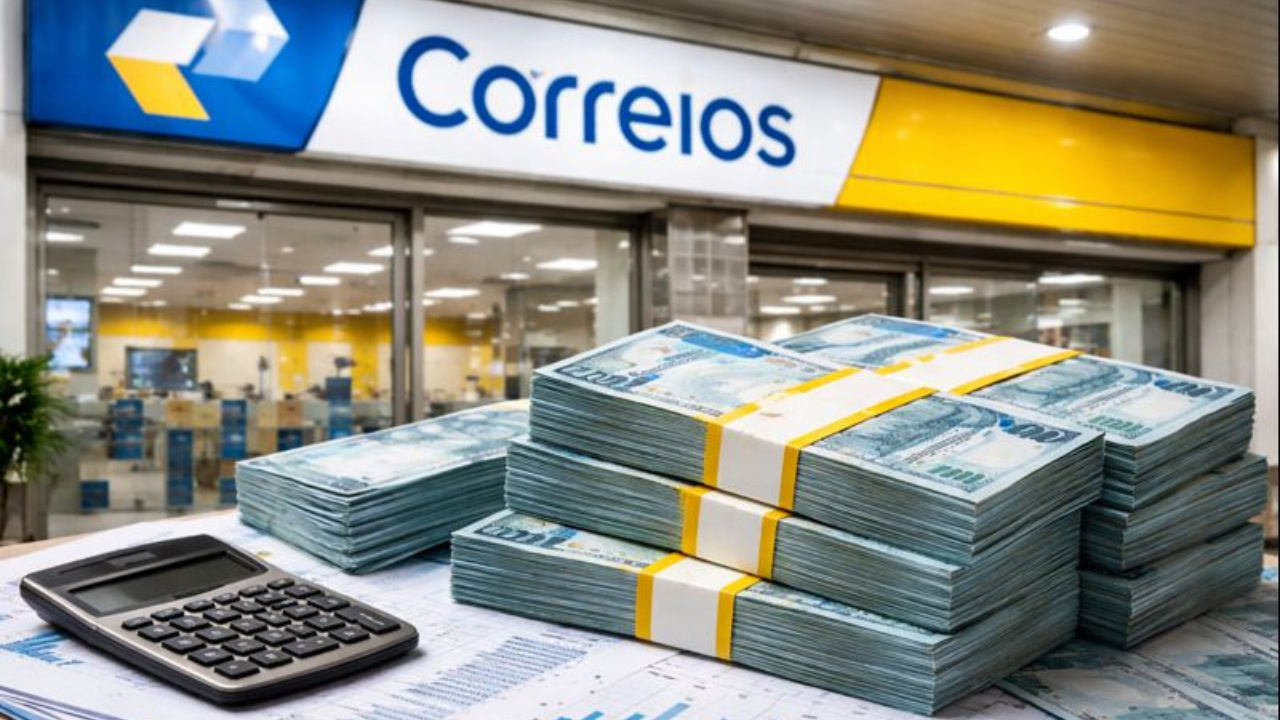
The Restructuring Plan of the Postal Service Includes a Loan of R$ 12 Billion and Measures to Contain the Financial Crisis of the State Company.
The Postal Service announced on Monday (29) a broad restructuring plan for 2025–2027 to face the severe financial crisis in the Postal Service, marked by billion-dollar losses.
The strategy, presented by the president of the state company, Emmanoel Rondon, includes the contracting of a loan of R$ 12 billion
With a guarantee from the National Treasury, in addition to measures aimed at reducing expenses, selling assets, and increasing revenues, with the goal of recovering the financial balance of the company.
-
China alone accounts for 70% of trade within the BRICS, while Brazil establishes itself as an essential supplier of food and minerals: understand how the group, which already represents nearly 40% of the world’s GDP, is changing the game.
-
Starting in May, those who do not have registered biometrics will not be able to apply for Bolsa Família, sickness benefits, or unemployment insurance: understand the new rule that changes access to benefits for millions of Brazilians.

-
A new law being voted on in Brazil proposes a minimum fare of R$ 10 per trip and R$ 2.50 per kilometer for Uber and 99 drivers, and promises to ensure they earn as well as taxi drivers did during the golden age of taxis in the country.

-
Bauer Group collapses after failed judicial recovery: 25 years, 800 vehicles, and a network of gas stations leave a debt of R$ 50 million and 100 layoffs, exposing costs, tight margins, and expensive credit in Brazil.


The R$ 12 Billion Loan is the Central Piece of the Restructuring of the Postal Service
One of the pillars of the restructuring of the Postal Service is the loan contract of R$ 12 billion, signed last Friday (26) with a consortium formed by five banks.
The financing comes with a guarantee from the National Treasury, which, in practice, transfers to the Union the responsibility for payment if the state company cannot honor the debt.
According to the company’s management, this guarantee significantly reduces the operational risk for financial institutions.
As a result, the Postal Service can access more favorable conditions, including lower interest rates and longer terms, deemed essential given the current financial crisis in the Postal Service.
The Sale of Properties and Cuts in Expenses Stand Out in the Restructuring Plan 2025–2027
In addition to the billion-dollar loan, the 2025–2027 restructuring plan foresees the acceleration of the sale of properties considered idle.
Studies conducted since September indicate that the sale of these assets can generate significant revenues in the short and medium term.
Among the examples already disclosed is a building located in Salvador, put up for sale with an initial bid of R$ 109 million and a maximum estimated value of R$ 145 million.
The expectation is that new offers will be announced in the coming months as part of the state company’s fiscal adjustment effort.
At the same time, the company intends to reopen the voluntary dismissal program, in addition to reviewing internal contracts and renegotiating legal liabilities.
These initiatives are part of a broader strategy to contain expenses.
The Financial Crisis in the Postal Service Worsened in 2024
The numbers help to gauge the severity of the situation.
Between January and September of this year, the Postal Service accumulated a loss of R$ 6 billion
Nearly triple the negative result recorded in the same period of the previous year, when the losses totaled R$ 2.1 billion.
Despite the decline in revenues, the expenses of the state company continued to rise.
Critics of previous administrations claim that structural adjustments were slow to be implemented, which contributed to the deepening of the financial crisis in the Postal Service.
Earlier this year, the company had already announced measures such as the sale of properties and the creation of a marketplace in partnership with Infracommerce.
Still, these actions were considered insufficient to reverse the adverse financial situation.
Marketplace and Renegotiation of Contracts are Part of the Strategy
The Postal Service’s marketplace, launched as an alternative to increase revenues, already includes a portfolio of over 500,000 products.
The state company bets on using its logistical reach to compete in e-commerce, while the market still cautiously evaluates the financial impact of the initiative.
Meanwhile, the renegotiation of contracts and legal liabilities emerges as an important front to reduce recurring expenses.
The management estimates that the set of these actions could generate savings of up to R$ 1.5 billion by 2025.
Change in Leadership Strengthens Focus on the Restructuring of the Postal Service
Amid accumulated wear and tear, the federal government promoted changes in the leadership of the state company.
In September, President Luiz Inácio Lula da Silva replaced then-director Fabiano Silva with economist Emmanoel Rondon, a career civil servant from the Banco do Brasil.
The change in leadership aims to accelerate the restructuring of the Postal Service and provide greater technical credibility to the process.
According to the new management, the goal is to make the company financially sustainable without compromising its social function and the provision of services throughout the national territory.
Outlook for the Coming Years
With the 2025–2027 restructuring plan, the expectation is that the Postal Service will be able to stop the losses.
Reorganize its finances and create stronger foundations for the future.
However, analysts believe that the success will depend on the effective implementation of the measures and the state company’s ability to adapt to an increasingly competitive market.
Meanwhile, the R$ 12 billion loan emerges as immediate relief, but also increases the company’s fiscal responsibility.
The challenge, therefore, will be to transform this financial support into concrete and lasting results.










Seja o primeiro a reagir!