





 Portuguese
  English
  Spanish
 6 min of reading
  0 comments


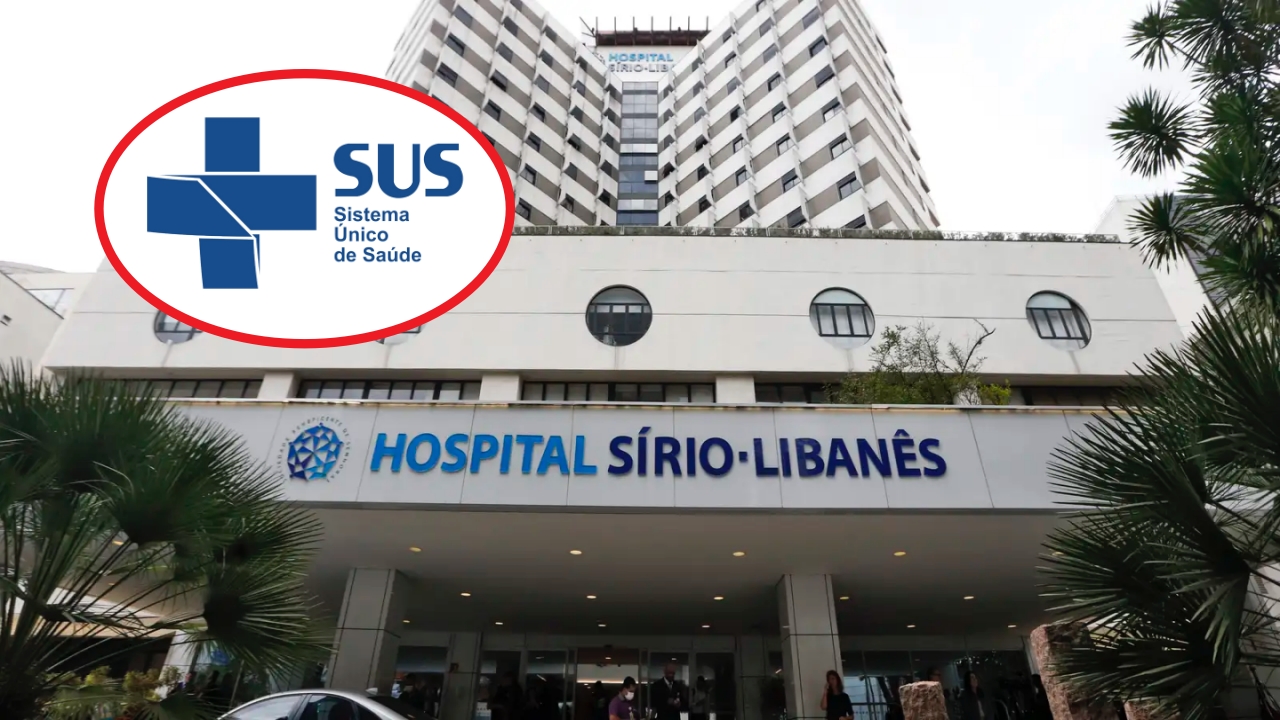
The Impact of Bets on the Health of Brazilians: SUS Partners with Hospital Sírio-Libanês to Offer Free Telehealth Services for Gamblers and Online Gaming Addicts
The Unified Health System (SUS) will begin, starting in February 2026, a telehealth program for mental health in partnership with Hospital Sírio-Libanês, one of the most expensive and renowned private hospitals in São Paulo. The focus will be exclusively on patients with gambling-related problems, especially online platforms, known as “bets.”
The project aims to provide around 450 monthly telehealth consultations, completely free via SUS, to identify risk behaviors and offer specialized support. When necessary, patients will be referred for in-person care within the Psychosocial Care Network (RAPS), including the Psychosocial Care Centers (CAPS).
The initiative is accompanied by two other strategic fronts considered by the federal government: a national self-exclusion tool that will allow gamblers to block their own access to betting sites, and the Brazil Health and Electronic Betting Observatory, created to monitor the impacts of bets on public health and guide public policies.
-
The Argentine government celebrates the lowest poverty rate in 7 years, but experts warn that the methodology has changed, real wages have fallen, unemployment has risen, and the number of people on the streets of Buenos Aires has increased by 57% since Milei took office.

-
7.8 magnitude earthquake in Indonesia frightens the population, triggers tsunami alert, and hits an island with over 200,000 inhabitants this Thursday.

-
Google will finally let you change that embarrassing Gmail address you created in your teenage years without losing any accounts, logins, or old emails: the feature is already available in the United States.
-
Heading to Brazil in a Bonanza F33 single-engine aircraft: a couple departs from Florida on a visual flight, makes technical stops in the Caribbean to refuel and organize paperwork, and begins the staged crossing until they reach the country.


SUS, Sírio-Libanês, and Gambling Addiction: What’s at Stake
The increase in online gambling addiction is already reflected in data from SUS itself. In 2023, there were 2,262 attendances registered related to gambling and betting problems. In 2024, this number jumped to 3,490 cases. And just in the first half of 2025, there were already 1,951 attendances recorded.
Behind the statistics is a phenomenon that combines aggressive advertising, ease of access through smartphones, and the promise of quick money. The new telehealth service from SUS with Hospital Sírio-Libanês specifically targets this profile of users, who often only seek help when debt and mental suffering are already out of control.
In addition to expanding the mental health care offerings, the government is trying to create a “protection belt” around gamblers with self-exclusion and data monitoring to prevent the problem from silently worsening.
Why SUS Targets Online Gambling Addiction
Explosion of Cases and Pressure on Mental Health
In recent years, online gambling addiction has shifted from being a topic limited to physical casinos to becoming part of the daily lives of millions of Brazilians. Today, gambling fits in the palm of your hand, complete with bonuses, cashbacks, and game streams filled with advertising.
The numbers from the public network show this shift:
- 2,262 attendances in SUS for gambling-related problems in 2023;
- 3,490 in 2024;
- 1,951 just in the first half of 2025.
This growth puts pressure on a mental health network that is already dealing with depression, anxiety, alcohol use, and other drugs. Therefore, the Ministry of Health has begun to treat gambling addiction as a public health issue, with a specific care line, clinical protocols, and coordination with the Ministry of Finance, responsible for regulating bets.
Who Is Most Affected
According to industry experts, the most common profile among patients with gambling addiction is young men, often between 18 and 35 years old, frequently in financial stress, unemployment, or instability. The combination of easy credit, incessant app notifications, and targeted advertising creates an environment conducive to losing control.
How the SUS Telehealth Service with Sírio-Libanês Will Work
Telehealth in Mental Health Focused on Gambling and Betting
The SUS telehealth program for mental health with Hospital Sírio-Libanês will be exclusively focused on issues related to gambling and betting — with particular attention to electronic platforms and sports betting.
Starting in February 2026, around 450 teleconsultations will be available monthly. The idea is to carry out qualified screening, identify patterns of dependency, guide families, and, when necessary, refer the patient for in-person care in the public network.
From Initial Contact to CAPS: The Patient’s Journey
In practice, the flow will work like this:
- Identification of the Case
- through spontaneous demand in SUS;
- through referral from RAPS services (CAPS, Basic Health Units, outpatient clinics);
- through data from the self-exclusion tool and the Observatory.
- Telehealth with a Specialized Team
Professionals trained in mental health and gambling disorders evaluate the patient, identify the level of risk, and create an initial care plan. - Referral to the Physical Network When Necessary
More severe cases, with significant financial or emotional impact or risk of self-harm, are directed to in-person care at CAPS, health units, or hospitals in the SUS network. - Monitoring and Follow-Up
The patient can be monitored both in the physical network and through new teleconsultations, according to the care strategy defined by the team.
National Self-Exclusion for Online Betting Comes into Play: Gamblers Can Block Themselves on All Platforms
Another central piece of the strategy is the self-exclusion tool to be launched in December 2025. Through it, gamblers will be able to block access to regulated betting platforms in the country.
In practical terms, this means:
- the inability to place new bets on authorized sites;
- the blocking of new registrations linked to the user’s CPF;
- restricted receipt of betting advertisements.
The self-exclusion is voluntary, but the blocking periods cannot be undone before they end. The goal is to interrupt the cycle of dependency in crisis moments, making impulsive relapse more difficult.
Additionally, the self-exclusion platform will integrate information about SUS service points, facilitating access for those seeking mental health help.
The State Will Monitor Bets to Prevent Harm and Identify At-Risk Cases
To avoid being in the dark about the impact of online gambling, the government created the Brazil Health and Electronic Betting Observatory. Its mission is to monitor in real-time how Brazilians are using platforms — always respecting personal data protection rules.
The Observatory will be responsible for:
- monitoring usage patterns and frequency of bets;
- mapping vulnerable profiles and the most affected regions;
- producing data to guide campaigns, laws, and prevention policies;
- supporting “active search”: identifying among the self-excluded and other groups who needs mental health care.
In practice, this transforms SUS into a system capable of acting before crises occur, not just after someone has lost money, a job, or family ties.
Economic and Social Impact of Gambling Addiction: Billions in Losses and Millions at Risk
Gambling addiction does not only affect the budget of those who lose money in games. Estimates cited by the government point to economic and social losses amounting to R$ 38.8 billion per year in Brazil, considering indebtedness, decreased productivity, family conflicts, and impacts on public health.
International health organizations estimate that about 1.2% of the population may suffer from some gambling-related disorder. Applying this percentage to the Brazilian reality could mean millions of people affected — many of whom lack formal diagnosis or follow-up.
The results show in SUS statistics, the overload on mental health services, and also in the reports of families who suddenly see all their income drained by betting.
How to Seek Help Today: Available SUS Channels
Although the telehealth service with Hospital Sírio-Libanês will only begin in February 2026, those suffering from gambling addiction can already seek help from the public network. Some of the main avenues include:
CAPS and the Psychosocial Care Network (RAPS)
- Find the nearest CAPS or the Basic Health Unit (UBS) in the area;
- clearly state that the problem is related to gambling and betting;
- the service will evaluate and may refer for ongoing mental health support.
Digital and Telephone Channels
- Meu SUS Digital: app and web platform from the Ministry of Health with information on services and units;
- SUS Ombudsman (phone 136, WhatsApp, chatbot, and online form): official channel for guidance and complaints, which has already been adapted to receive requests related to gambling.
Starting in December 2025, the self-exclusion tool will guide users on how to seek mental health care and which SUS services are available in their region.
What to Expect in the Coming Years
The package that includes telehealth in mental health with Hospital Sírio-Libanês, national self-exclusion, and the Electronic Betting Observatory is an important step toward recognizing gambling addiction as a public health problem, not just as an “individual lack of control.”
If the plans are implemented as announced, Brazil is likely to have:
- more data on the impact of bets on health;
- more entry points for free treatment through SUS;
- technological mechanisms to help gamblers protect themselves.
Nevertheless, the success of this initiative will depend on the ability to spread awareness, the structure of the mental health network, and the willingness of people to seek help before the problem becomes unsustainable.
Do you know someone who has lost control with online gambling and didn’t know they could seek free help from SUS?









-

2 pessoas reagiram a isso.